
High-Performance Flow Control Solutions · Direct Factory Supply
Explore our industrial-grade butterfly, ball, and check valves precision-engineered for aggressive chemicals, municipal waterworks, cryogenic service, and heavy industrial loops.
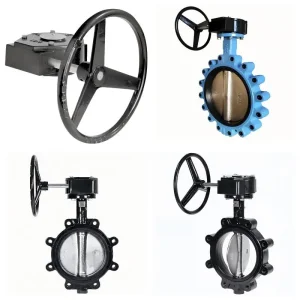
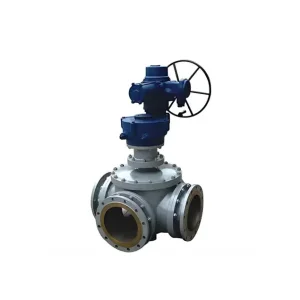
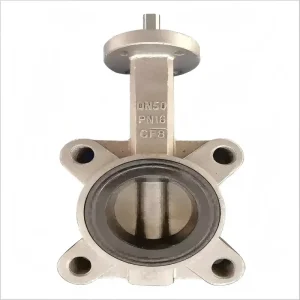
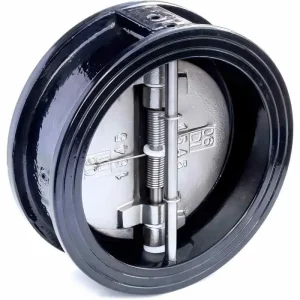
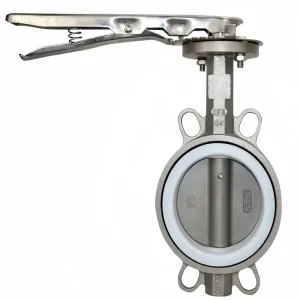
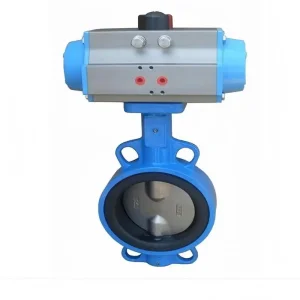
Engineering PTFE Coated & Fully Lined Wafer Butterfly Valves for Extreme Environments
A rigorous examination of fluid dynamics, fluoropolymer sintering mechanics, and mechanical boundary sealing in chemical, microelectronic, and pharmaceutical service.
In modern industrial process engineering, fluid isolation in the presence of concentrated acids, caustics, and aggressive solvent chemistries demands an uncompromising boundary barrier. CE Certification PTFE Coated and Lined Wafer Butterfly Valves represent the pinnacle of quarter-turn flow technology, marrying the ductile mechanical strength of cast metallic housings with the absolute chemical inertness of high-crystallinity Polytetrafluoroethylene (PTFE) and perfluoroalkoxy (PFA). As chemical processing facilities, semiconductor fab wet benches, and lithium battery manufacturing plants push operational envelopes, the demand for verified, crack-free, zero-porosity fluoropolymer barriers has shifted from a premium specification to an essential safety and operational imperative.
Unlike standard resilient-seated valves where common synthetic rubbers such as EPDM or NBR suffice for clean municipal water, aggressive media (including wet chlorine gas, fuming sulfuric acid, and 98% nitric acid) swiftly embrittle, oxidize, and compromise hydrocarbon polymer backbones. To circumvent rapid elastomeric degradation, valve manufacturers utilize virgin PTFE or modified fluoropolymers like TFM1600. The mechanical design must counteract PTFE's inherent physical propensities—specifically cold flow (creep under continuous compressive stress) and high thermal expansion coefficients—through advanced engineered energizers, spherically machined disc profiles, and high-precision CNC body tolerances.
Isostatic Compaction & Sintering
Utilizing high-purity virgin granular PTFE powders cold-pressed at pressures up to 35 MPa and sintered along an exact thermal curve prevents micro-fissures, yielding exceptional molecular chain entanglement and ultra-low chemical permeability.
Bi-Directional Bubble-Tight Closure
Engineered dual-eccentric and concentric disc geometry with elastomeric silicone or viton back-up cushion cushions guarantees permanent radial resilience, achieving EN 12266-1 Rate A and ISO 5208 zero-leakage shut-off under fluctuating pressures.
Stem Sealing Dynamics & Live Loading
Primary spherical disc-seat contact combined with atmospheric secondary O-ring seals and Belleville spring-energized packing washers compensates for thermal cycling and mechanical wear, preventing fugitive emissions per ISO 15848-1.
Stringent Regulatory Approvals for Critical Global Installations
Ensuring end-to-end metallurgical integrity, pressure equipment conformity, and third-party certified safety benchmarks across European and international jurisdictions.
Global Engineering, Procurement, and Construction (EPC) consortiums and Tier-1 plant operators face strict legal mandates regarding plant safety, environmental emissions, and workplace risk reduction. In the European Union, valve assemblies operating above 0.5 bar fall under the strict oversight of the Pressure Equipment Directive (PED) 2014/68/EU. Sourcing valves without authentic CE marking, validated third-party notified body surveillance (Module H full quality assurance), and fully documented EN 10204 3.1 Material Test Reports exposes stakeholders to catastrophic legal liability and operational plant shutdowns.
Tianjin Top Valve's manufacturing methodology integrates comprehensive European compliance checks into every stage of component fabrication. From chemical spectrographic analysis of incoming ductile iron melt heats to high-voltage electrostatic spark testing of fluoropolymer coatings, compliance is treated not as an administrative paper-trail, but as a direct reflection of physical process control.
| Directive / Standard | Technical Scope & Mandate | Tianjin Top Valve Quality Assurance Protocol | End-User Strategic Benefit |
|---|---|---|---|
| CE PED 2014/68/EU Module H | Full quality assurance covering design, casting foundry, machining, assembly, and final testing. | Audited by EU Notified Body; traceable casting heat numbers, wall thickness validation to EN 12516. | Unrestricted legal importation into the EEA; eliminates secondary compliance inspection costs. |
| EN 12266-1 / ISO 5208 Rate A | Factory pressure and seat leakage testing for industrial isolation valves. | 100% shell hydrostatic test at 1.5x PN; pneumatic seat test at 1.1x PN with zero allowable bubble leakage. | Guarantees complete pipeline shut-off; prevents toxic fluid cross-contamination. |
| DIN 53781 / NACE SP0188 | Discontinuity (spark/pinhole) testing of non-conductive protective linings over metallic substrates. | 100% surface scan with high-frequency DC spark detector calibrated to 15–20 kV across every square millimeter. | Zero pinhole tolerance prevents aggressive acid from penetrating to ductile iron or steel substrates. |
| FDA 21 CFR 177.1550 / USP Class VI | Biocompatibility, food contact safety, and ultra-low extractables for sanitary process pipelines. | Pure virgin PTFE powder formulation; certified free from plasticizers, pigment additives, or PFAS lubricants. | Enables safe deployment in API synthesis, biopharmaceutical fermentation, and food processing lines. |
| ATEX Directive 2014/34/EU | Prevention of electrostatic build-up and spark generation in potentially explosive atmospheres (Zone 0/1). | Conductive antistatic PTFE formulations (carbon black blend, surface resistance <10⁶ Ohm) with stem earthing. | Safe handling of volatile organic compounds, solvents, and explosive chemical vapors. |
The Chinese Factory Advantage: Full Supply Chain Sovereignty
How four decades of in-house casting metallurgy, specialized polymer compounding, and automated CNC tooling deliver superior total cost of ownership (TCO).
In-House Casting Foundry (Since 1996)
By controlling molten iron chemistry (Ductile Iron GGG40/QT450, WCB carbon steel, CF8M stainless steel) directly at Tianjin Donglian Valve Factory, raw casting porosity is eradicated prior to fluoropolymer lining application.
Dedicated Rubber Plant (Since 1987)
With roots in Tianjin Dongfang Rubber Factory, our in-house elastomeric compounding facility formulates high-resilience silicone, FKM (Viton), and EPDM backing cushions that guarantee uniform mechanical pressure on the PTFE sleeve.
Automated CNC & Cleanroom
Multi-axis horizontal machining centers ensure disc spherical profiles and stem bores remain concentric within ±0.015 mm tolerances. Final PTFE disc and sleeve fitting occurs within temperature-controlled, dust-free assembly bays.
Tianjin Port Logistics Hub
Direct highway access to Tianjin Xingang Port (northern China's primary maritime shipping gateway) ensures container loading schedules are met swiftly, cutting standard transit lead times to European, Middle Eastern, and American destinations.
Global procurement directors frequently face a binary choice: exorbitant prices and 26-week lead times from Western European valve houses, or high-risk, untraceable trading middleman operations with opaque manufacturing provenance. Tianjin Top Automation Equipment Co., Ltd. resolves this dilemma by delivering Tier-1 Western engineering tolerances combined with China's rapid industrial scalability. Because our corporate umbrella encompasses the foundry, the rubber compounding facility, the precision machining floor, and the physical/chemical testing laboratory, our clients benefit from 30% to 45% capital expenditure savings while preserving full metallurgical and material tractability down to the raw ore batch.
What Global EPCs & Plant Engineers Scrutinize During Supplier Audits
A rigorous checklist of material verifications, testing routines, and mechanical parameters vital for long-term corrosive pipeline viability.
1. Material Traceability (EN 10204 3.1)
Procurement teams require certified mill inspection reports for pressure-retaining bodies and disc cores. Every casting is stamped with heat numbers cross-referenced to tensile strength, elongation, Charpy V-notch impact, and chemical spectroscopy documentation.
2. High-Voltage Spark Verification
Because invisible micro-porosities in fluoropolymer linings cause rapid localized galvanic substrate corrosion, global buyers enforce 100% DC holiday spark detection. Linings must withstand 20 kV without electrical breakdown or pinhole arcing.
3. Repeatable Breakaway Torque
In automated systems, irregular friction spikes burn out pneumatic and electric actuators. Spherically polished discs and self-lubricating fluoropolymer seats guarantee stable, predictable operating torque over hundreds of thousands of duty cycles.
Addressing Thermal Cycling and Cold-Flow Phenomenon
Standard PTFE begins molecular slipping under continuous mechanical compression—a physical characteristic termed "creep" or "cold flow". In conventional butterfly valves, this causes seat flattening, leading to through-leakage across the disc face or external leakage through the stem passage when temperatures fluctuate between process runs and ambient cooling. To combat this, Tianjin Top Valve employs a two-piece split body design combined with an energized elastomeric sub-seat. The silicone or Viton core maintains continuous dynamic outward radial pressure on the PTFE lining, absorbing thermal expansion during steam or hot chemical exposure and springing back during ambient cycles. This engineering geometry guarantees bubble-tight shut-off across a temperature range of -40°C to +200°C.
Mission-Critical Industrial Applications for PTFE Coated Valves
Proven operational field reliability across high-hazard environments where metallic alloy degradation is unacceptable.
Chlor-Alkali & Wet Chlorine Gas
Wet chlorine gas and hypochlorite solutions rapidly corrode standard 316L stainless steel, Hastelloy, and titanium. Our virgin PTFE lined wafer butterfly valves provide an impervious chemical shield, ensuring leak-free isolation in brine electrolysis loops.
Semiconductor Ultra-Pure Wet Chemical Etch
Microchip fabrication demands piping materials with zero trace-metal leachables. Using cleanroom-assembled, virgin TFM1600 PTFE valves prevents metallic ion contamination during aggressive hydrofluoric (HF) and sulfuric acid-peroxide mix (SPM) wafer cleaning stages.
Lithium-Ion Battery Slurry & Electrolytes
Battery cell giga-factories circulate abrasive cathode slurries and toxic, moisture-sensitive lithium hexafluorophosphate (LiPF6) in organic solvents. The non-stick, chemical-resistant properties of PTFE prevent media crystallization and disc binding.
Concentrated Pickling & Mineral Leaching
Mining operations utilize hot sulfuric and hydrochloric acids for hydrometallurgical copper and nickel extraction. PTFE coated wafer valves eliminate external atmospheric acid fume leaks while resisting erosion caused by fine mineral slurry fractions.
Active Pharmaceutical Ingredient (API) Synthesis
Demanding sanitary standards and compatibility with harsh solvents like dichloromethane and dimethylformamide (DMF). Our smooth-finished, crevice-free PTFE linings prevent batch cross-contamination and support high-temperature CIP/SIP cleaning regimes.
Marine Flue Gas Desulfurization (FGD)
Shipboard exhaust scrubbers and coastal power stations process acidic sulfur dioxide washwaters combined with harsh saline environments. Fully encapsulated wafer butterfly valves isolate the structural ductile iron body from brackish sulfuric condensate.
Emerging Trends Shaping the Future of Fluoropolymer Flow Control
From next-generation modified polymers to smart actuator diagnostics and circular material stewardship.
Migration to Modified TFM1600
Standard PTFE is increasingly replaced by 2nd generation modified PTFE (TFM1600). Featuring a denser polymer structure, it reduces gas permeation rates by over 60%, exhibits a smoother surface finish (Ra ≤ 0.2 μm), and dramatically cuts cold flow under persistent compressive load.
Digital Twin & IIoT Predictive Sensing
Modern process plants demand real-time diagnostics. Valves are now coupled with smart digital positioners that monitor operating torque anomalies, cycle counts, and micro-vibrations, signaling seat wear before catastrophic through-leakage occurs.
Fluoropolymer Circularity & Decarbonization
With tightening environmental regulations regarding PFAS, manufacturers are engineering high-efficiency sintering and closed-loop sintering methods that capture all off-gases, ensuring high recyclability of stainless cores and eco-compliant handling of fluoropolymer fractions.
Frequently Asked Questions by Valve Engineers & Procurement Teams
Detailed engineering answers addressing wall thicknesses, spark testing, vacuum service, and mechanical installation parameters.
What is the critical technical difference between a "PTFE Coated" disc and a "Fully PTFE Lined" butterfly valve?
A "PTFE Coated" disc typically refers to a thin layer (approx. 50 to 150 microns) applied via electrostatic spray or powder dipping, primarily aimed at reducing frictional torque and offering mild non-stick corrosion resistance in less aggressive media. In contrast, a "Fully PTFE Lined" wafer butterfly valve features a heavy-duty, compression-molded or isostatically sintered virgin fluoropolymer liner (typically 3.0 mm to 4.5 mm thick) completely encapsulating both the internal wetted bore of the metallic body and the ductile iron or stainless steel disc core. For severe chemical duty involving fuming acids, chlor-alkali fluids, or strong solvents, only a heavy fully lined valve prevents permeation and localized substrate dissolution.
How does CE PED 2014/68/EU certification affect valve wall thickness and pressure ratings?
CE PED certification mandates that the valve shell design conforms to harmonized European calculation codes, such as EN 12516-1 and EN 12516-2 (Industrial valves - Shell design strength). The minimum wall thickness cannot be arbitrary; it must withstand design pressures (typically PN10 or PN16) with specified safety safety factors accounting for nominal design stress, casting quality factors, and corrosive allowance. Furthermore, PED Module H requires documented hydrostatic pressure testing of 100% of manufactured bodies at 1.5 times the maximum allowable working pressure (MAWP), verified through witnessed audits by an accredited Notified Body.
Why is an energized elastomeric cushion required behind the PTFE liner in wafer butterfly valves?
Polytetrafluoroethylene is a thermoplastic polymer lacking natural elastic memory. When mechanically compressed by the rotating disc edge during valve closure, PTFE experiences permanent deformation (creep). Without an elastic backing, the valve would develop seat leakage after a few thermal cycles. To overcome this, Tianjin Top Valve embeds a resilient silicone, EPDM, or Viton (FKM) elastomer band behind the PTFE sleeve. The rubber energizer acts as a continuous mechanical spring, absorbing disc interference and maintaining uniform, bubble-tight radial contact pressure across decades of operational cycles.
Can PTFE lined wafer butterfly valves be installed in full vacuum pipelines?
Standard loose-sleeve PTFE liners can collapse inward under severe negative pressure (full vacuum), causing disc jamming or liner tearing. For vacuum services (such as distillation columns or vacuum crystallizers), Tianjin Top Valve specifies engineered PFA injection-molded liners or mechanically anchored PTFE liners. In these designs, the fluoropolymer is securely keyed into dovetail slots machined directly into the cast iron body, and disc shafts feature blow-out proof shoulders, enabling safe continuous operation down to 0.1 mbar absolute pressure at temperatures up to 150°C.
What procedures are executed during factory spark testing to detect pinholes?
Factory spark testing follows DIN 53781 and NACE SP0188 standards. After complete sintering and machining of the lined components, a high-frequency, non-destructive high-voltage DC spark tester is swept over 100% of the fluoropolymer surface. The testing voltage is adjusted according to the lining thickness—typically 15 kV to 20 kV for a 3 mm thick PTFE liner. Because PTFE possesses high dielectric breakdown resistance (approx. 20–30 kV/mm), an intact lining prevents current passage. If a micro-void, pinhole, or through-porosity exists, an immediate electric arc strikes the underlying metal substrate, triggering visual and auditory alarms on the tester, whereupon the component is immediately rejected.
How do you select between Virgin PTFE, Modified TFM1600, and Carbon-Filled Conductive PTFE?
Selection depends strictly on fluid chemistry and installation zone. Virgin PTFE is ideal for general aggressive chemical services where purity and universal acid resistance are prioritized at an economical cost. Modified TFM1600 is selected for high-frequency cycling, steam duty, or ultra-pure semiconductor acid lines requiring minimal micro-permeability and lower friction. Conductive Carbon-Filled PTFE (electrically dissipative, surface resistivity <10⁶ Ω) is mandatory under the European ATEX Directive when conveying non-conductive solvents, hydrocarbons, or powders through explosive gas atmospheres (Zone 0/1) to prevent catastrophic electrostatic discharge sparks.
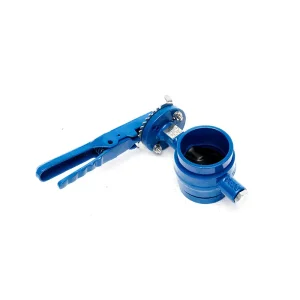
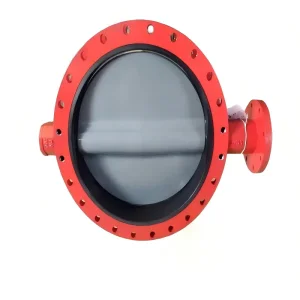
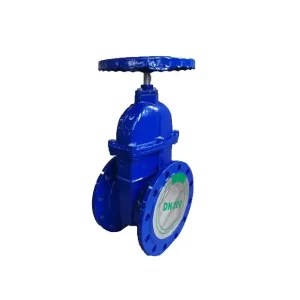
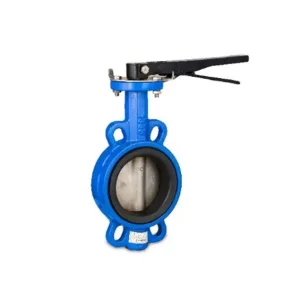
Comprehensive Industrial Valve Range for Engineered Pipelines
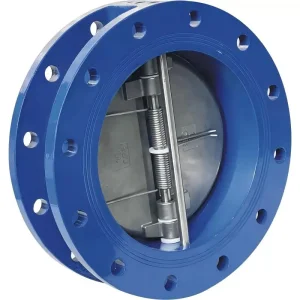
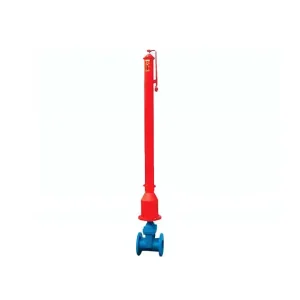
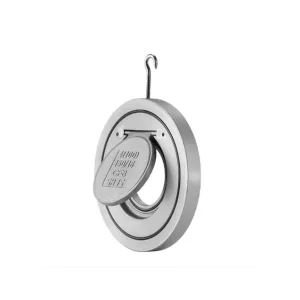
Complete your plant installation with factory-certified wafer check valves, resilient gate valves, and automated quarter-turn units.
Specifying Valves for Extreme Chemical or Acid Duty?
Submit your process fluid chemistry, temperature profiles, pressure classes (PN10/16, Class 150), and actuation parameters. Tianjin Top Valve's chief application engineers provide comprehensive valve dimensioning, torque curves, and compliance dossiers within 24 business hours.
