1 / 3
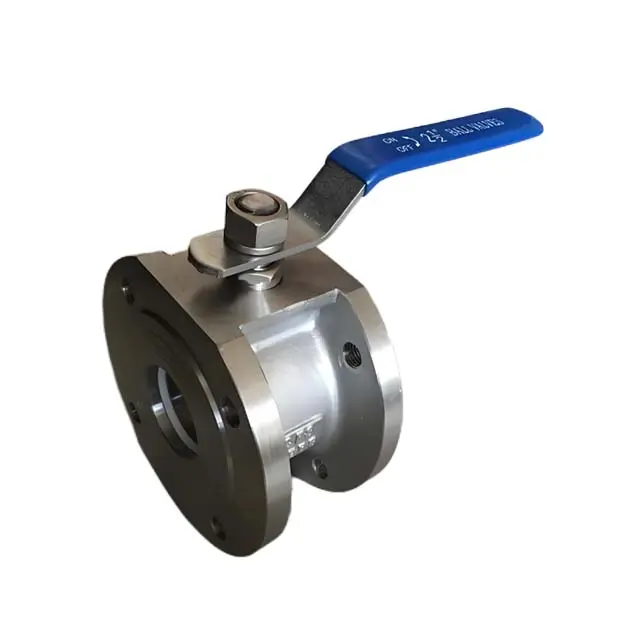
Wholesale Stainless Steel Ultra - Thin Ball Valve with Fire - Safe Design Supplier, Factories
Product Description
Product Usage and Features
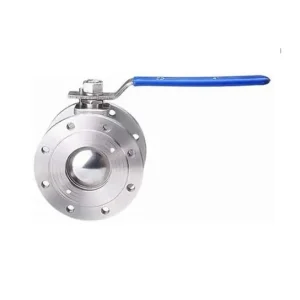
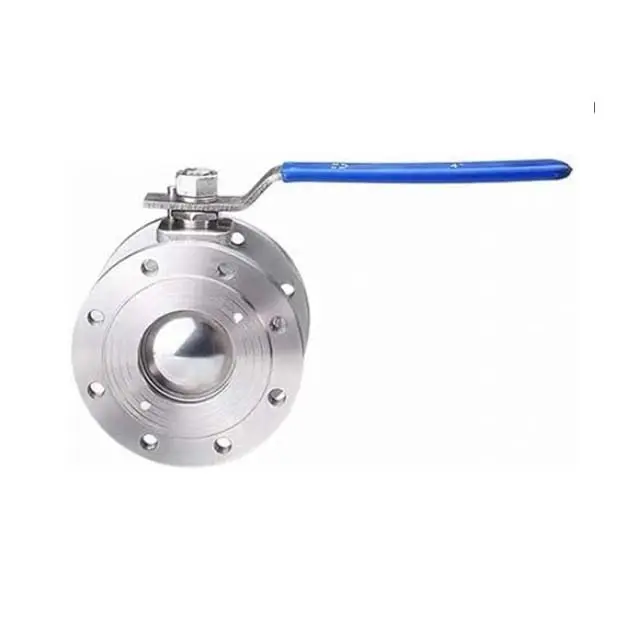
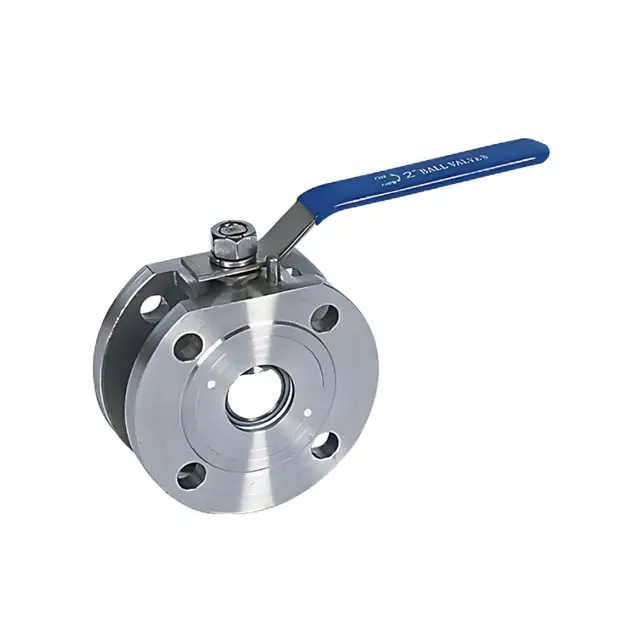
Compared with ordinary ball valves, ultra-thin ball valves have significant advantages such as short structure length, light weight, easy installation, and material saving. The heat preservation effect of the sandwich insulation jacket ball valve is good. In addition, the valve seat adopts an elastic sealing structure, which is reliable in sealing and easy to open and close. It is equipped with a fire-resistant structure, so that it can still operate reliably and has good airtightness in the event of a fire. According to user needs, an anti-static structure can be provided. A 90-degree switch with a hole positioning plate is set, which can be locked as needed to prevent misoperation.
Compact & Lightweight
Short face-to-face structure length, lightweight body, and space-saving footprint.
Thermal Insulation
Jacketed sandwich configuration delivers high heat preservation performance.
Fire-Safe & Anti-Static
Reliable operation in fire emergencies and optional anti-static grounding structure.
Safety Lock Plate
90-degree position indicator with locking hole prevents accidental misoperation.
Product Performance Specification
| Parameter | Specification Details |
|---|---|
| Nominal diameter | DN15 ~ 200mm |
| Nominal pressure | 1.6 ~ 2.5 MPa |
| Applicable media | Water, gas, oil, natural gas, and acid and alkali corrosive media |
| Applicable temperature | -20 ~ 150℃ |
| Drive mode | Manual, pneumatic, electric, etc. |
| Drive type | Manual, turbine, pneumatic, electric |
Main Component Material
| No. | Component Name | Material | |
|---|---|---|---|
| 1 | Valve body | WCB | CF8M |
| 2 | Valve cover | WCB | CF8M |
| 3 | Valve seat | PTFE | |
| 4 | Ball | SS304 | SS316 |
| 5 | Seal | PTFE | |
| 6 | Valve stem seal | PTFE | |
| 7 | Valve stem | SS316 | |
| 8 | Anti-static device | SS304 | |
| 9 | Stem packing | PTFE | |
| 10 | Packing gland | SS304 | |
| 11 | Elastic washers | SS304 | |
| 12 | Handle | SS304 | |
| 13 | Nuts | SS304 | |
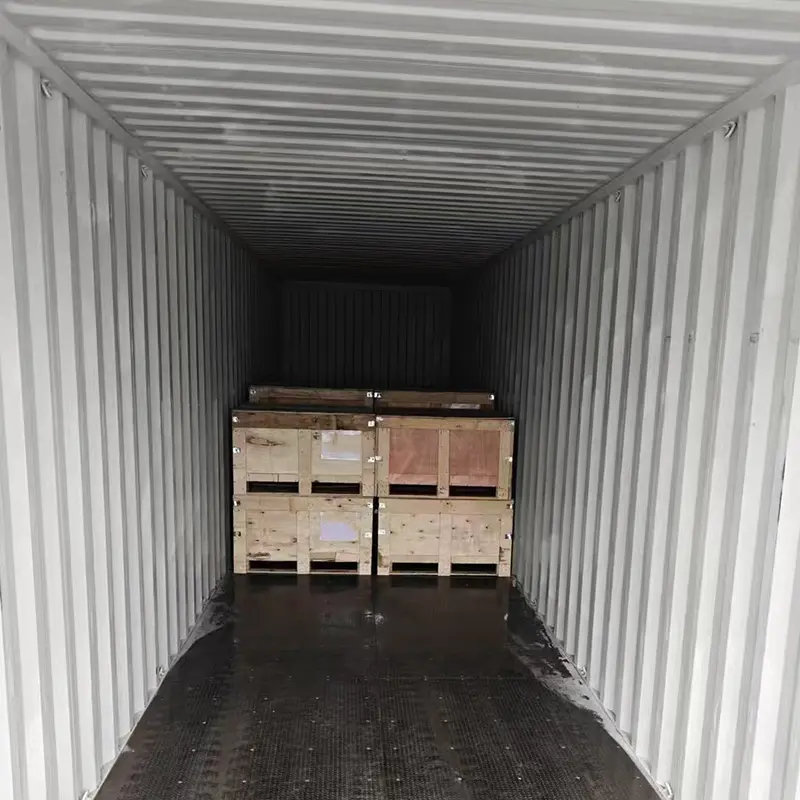
Packaging
Frequently Asked Questions (FAQ)
Q1
What are the key benefits of ultra-thin ball valves over standard ball valves?
Ultra-thin ball valves feature a significantly shorter structural length, lighter overall weight, simpler installation, and reduced material usage, while providing excellent thermal preservation via insulation jacket options.
Q2
What nominal diameters and pressures are supported?
The valve is available in nominal diameters ranging from DN15 to DN200mm, with nominal pressure ratings between 1.6 and 2.5 MPa.
Q3
What operating temperatures and media can this valve handle?
It is engineered to operate in temperatures from -20℃ up to 150℃, and is compatible with water, gas, oil, natural gas, as well as acid and alkali corrosive media.
Q4
What safety features are integrated into the valve design?
The valve includes an elastic sealing structure for leak prevention, fire-resistant design for operation under fire conditions, optional anti-static devices, and a 90-degree lockable positioning plate to prevent accidental misoperation.
Q5
What materials are used for the valve body and internal parts?
The valve body and cover are constructed of WCB or CF8M stainless steel; the ball is available in SS304 or SS316; the valve stem is SS316; and the seat, seal, and stem packings utilize high-grade PTFE.
Q6
What drive and actuation modes are available?
The valve supports manual, turbine, pneumatic, and electric actuation configurations to suit diverse operational and automation requirements.