Primary Engineering Selection
Standard & Heavy-Duty Gate Valve Portfolio
Designed with bubble-tight zero leakage elastomer wedge technology, conforming to DIN, BS, AWWA, and ASME manufacturing standards.
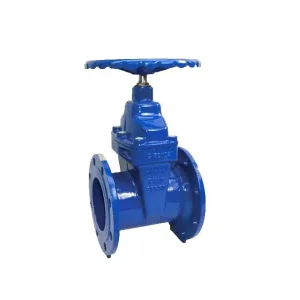
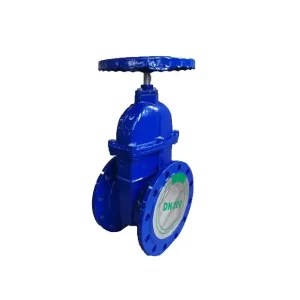
High-Quality Non-Rising Stem Elastic Seat Sealing Gate Valve Manufacturer, Factory
Technical Datasheet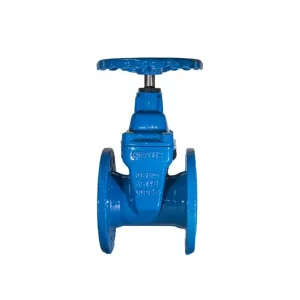
Wholesale Anti - Abrasion Elastic Seat Gate Valve with Reinforced Seat Suppliers, Supplier
Technical Datasheet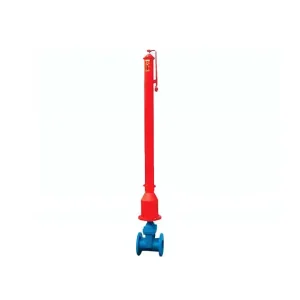
High-Quality Buried Elastic Seat Gate Valve for Reliable Flow Control Supplier, Factories
Technical Datasheet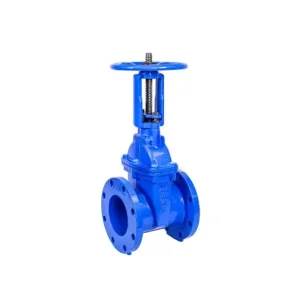
Wholesale Rising Stem Resilient Seat Gate Valve Supplier, Factory
Technical Datasheet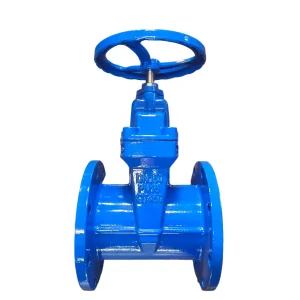
Wholesale High-Quality Gate Valve for Reliable Flow Control Manufacturer, Factories
Technical Datasheet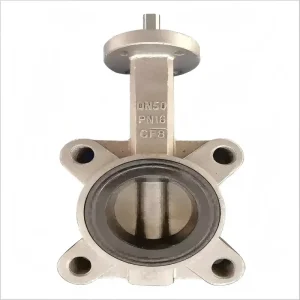
Wholesale Semi Lug Butterfly Valve - Durable & Versatile Flow Control Manufacturers, Manufacturer
Technical Datasheet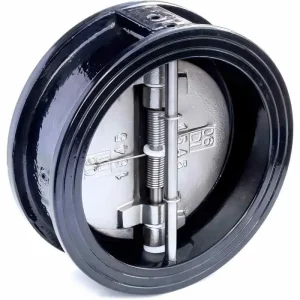
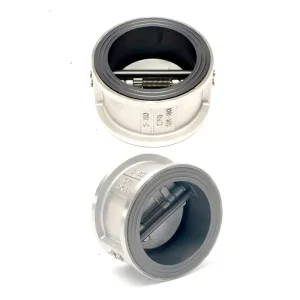
High-Quality High-Quality Wafer Check Valve for Secure Fluid Control Suppliers, Factories
Technical Datasheet
Industry Whitepaper • Strategic Insights
The Evolution of Modern Gate Valve Engineering & Global Procurement Trends
A deep dive into fluid dynamics, structural metallurgy, rubber polymer formulations, and changing procurement matrices in cross-continental mega-infrastructure projects.
Global Macroeconomic Dynamics and Pipeline Modernization
Across the global landscape, the industrial valve market is experiencing a profound paradigm shift driven by the simultaneous modernization of municipal water grids and the massive expansion of petrochemical refining complexes. Aging urban piping systems in North America and Western Europe, originally constructed in the mid-to-late 20th century, are actively transitioning from rigid metal-seated gate valves to resilient seated wedge gate designs. This transition is motivated by a critical engineering imperative: eliminating the internal seat pocket that accumulates grit, silt, and iron tubercles, which historically resulted in unacceptably high torque requirements, valve jamming, and recurring seat leakage.
In high-growth regions spanning the Middle East, Southeast Asia, and Latin America, large-scale industrialization programs—such as expansive seawater desalination plants, long-distance transmission conduits, and sustainable wastewater reclamation facilities—demand robust flow isolation units capable of maintaining absolute zero bubble leakage over 30- to 50-year service lifetimes. Engineers are no longer merely procuring standard catalog hardware; they require comprehensive lifecycle cost (LCC) validation, verified epoxy coating longevity under corrosive soils, and certified chemical resilience of elastomer compounds.
Zero-Pocket Full-Bore Fluid Dynamics
Traditional gate valves relied on a recessed pocket in the valve body floor to receive the wedge. Modern elastic-seated valves provide a flat, uninterrupted full bore equivalent to the nominal pipe diameter. This decreases head loss coefficient (ζ) to near zero, reduces pump power consumption, and permits unobstructed mechanical pipeline pigging without sediment deposition.
Advanced Wedge Vulcanization
The core vulnerability of resilient wedge valves is elastomer debonding or compression tearing. Utilizing advanced rubber formulations developed since 1987 at Tianjin Dongfang Rubber Factory, our ductile iron wedges undergo thermal chemical primer treatment followed by high-pressure EPDM encapsulation, ensuring perpetual mechanical cohesion under severe hydraulic shock.
Stem Sealing & Anti-Blowout Safety
Modern non-rising stem (NRS) and outside screw & yoke (OS&Y) rising stem architectures integrate multiple O-ring stem seals that can be serviced under full working pressure (backseat sealing function). Precision cold-rolled stainless steel stems (2Cr13, SS304, SS316, or Duplex) minimize frictional torque and prevent thread galling.
| Performance Criterion | Legacy Metal-Seated Gate Valves | Next-Gen Resilient Seated Gate Valves | Engineering Benefit to End-User |
|---|---|---|---|
| Seat Leakage Standard | ISO 5208 Rate B or Rate C (Acceptable Droplets) | ISO 5208 Rate A (Strict Bubble-Tight Zero Leak) | Eliminates potable water wastage and downstream maintenance hazards. |
| Cavity Silt Trapping | Deep body well traps gravel, debris, lime scale | Completely flat, seamless full pipe bore | Prevents seat deformation; allows full bi-directional flush. |
| Operating Torque | High friction metal-on-metal sliding wedge | Elastomer rolling contact with self-lubricating guides | Enables downsized electric/pneumatic actuators, lowering Capex. |
| Internal Corrosion Protection | Raw cast iron or standard bitumastic wash | Electrostatic fusion-bonded epoxy (FBE) ≥ 250μm | Exceeds EN 14901 and DIN 30677-2 requirements for aggressive soils. |
| Potable Water Hygiene | Prone to lead leaching and bacterial colonies | WRAS and CE certified non-toxic EPDM compounds | Certified non-toxic, anti-biofilm compliance for clean tap water. |
Industry 4.0 • Tianjin Manufacturing Cluster
China Factory 4.0: Supply Chain Resilience & Vertical Integration
How end-to-end integration across metallurgical casting, specialized rubber compounding, and CNC robotic machining creates an unshakeable procurement advantage.
In-House Foundry Metallurgy
Our captive foundry control—rooted in the Tianjin Donglian Valve operations established in 1996—guarantees ductile iron (QT450-10 / GGG50) tensile strengths exceeding 450 MPa with minimum elongation ratings of 10%. Complete spectral chemical analysis precedes every pour, eradicating hidden porosity, slag inclusion, and cold shut defects.
Specialized Polymer Compounding
Unlike standard assembly workshops that source external pre-moulded rubber liners, Tianjin Dongfang Rubber Factory has compounded specialized EPDM, NBR, and fluoroelastomers since 1987. Precise regulation of Mooney viscosity, vulcanization cure time, and carbon black dispersion prevents hardening, ozone embrittlement, and permanent compression sets.
Automated CNC & Hydrostatic QC
Precision multi-axis machining centers process bonnet flanges, stem threads, and guide tracks with micron-level tolerances. Prior to dispatch, 100% of manufactured units undergo automated hydrostatic shell pressure testing (1.5x PN) and pneumatic/hydraulic seat leakage testing (1.1x PN) in accordance with EN 12266-1 and API 598 protocols.
23,000 m²
Total Manufacturing Campus
100%
Pressure Hydro-Tested Units
≥ 250 μm
Fusion Bonded Epoxy Layer
50+
Global Export Destinations
Mission-Critical Demands
Localized Operating Scenarios & Field Engineering
From buried municipal district pipelines to high-salinity marine ballast networks, examine how specific design modifications safeguard operational integrity.
Underground Buried Water Distribution
For municipal buried networks where building costly valve chambers is economically unfeasible, our non-rising stem elastic seat valves feature integrated stem caps, extension spindles, and surface ground boxes. Coated with WRAS-approved electrostatically applied FBE, they resist aggressive subsoil groundwater, stray electric currents, and cathodic disbondment without external chamber sheltering.
Wastewater & Slurry Transport Systems
Industrial effluent and raw sewage lines carry fibrous rags, sand particles, and abrasive suspended minerals. Our reinforced anti-abrasion elastic gate valves incorporate thickened rubber wedge skins and low-friction polyamide guide rails. The guides shield the elastomer wedge wings from localized tearing, guaranteeing steady operating torque even under severe sediment loading.
District HVAC & Building Fire Protection
Rising stem (OS&Y) gate valves provide indispensable visual verification of open/closed status for industrial HVAC pump stations and certified fire sprinkler risers. Equipped with bronze stem nuts, internal backseating rings, and optional pre-wired supervisory limit switches, they align seamlessly with modern building management systems (BMS) and automated fire safety networks.
Technical Authority • Procurement FAQ
Frequently Asked Questions by Industrial Valve Specifiers
Definitive technical guidance addressing casting integrity, elastomer selection, standard compliance, and delivery logistics.
What types of industrial valves does Tianjin Top Valve manufacture?
We manufacture resilient-seated butterfly valves (wafer, lug, double-flanged and grooved-end), check valves (dual plate, wafer lift, silent and ball type), resilient seat gate valves (rising stem, non-rising stem, buried and DIN pattern), globe valves for water, ammonia, vacuum and power-station service, as well as ball valves and eccentric plug valves.
Are your butterfly valves approved for drinking water?
Selected models, including 4020G, 4020L, 4325G and 4325L, are WRAS approved for potable water applications. Request our catalog to receive the approval reference and material declaration for each model.
Do you produce your own rubber seats and castings?
Yes. Our group operates Tianjin Dongfang Rubber Factory (since 1987) and Tianjin Donglian Valve Factory (since 1996), with an independent foundry, rubber compounding and moulding, a CNC machining center, assembly lines and a physical and chemical laboratory. This lets us control elastomer quality and casting integrity in-house.
Which quality and management certifications do you hold?
Our management system meets ISO 9001 quality management, ISO 14001 environmental management and ISO 45001 occupational health and safety standards, together with EU (CE) conformity for applicable products.
Can you supply valves to international flange and dimension standards?
Depending on the model, valves can be supplied with flange drilling to EN 1092 PN10/PN16, ASME/ANSI Class 125/150, BS and JIS, and our German-standard gate valves follow DIN face-to-face dimensions (such as DIN 3202-F4 and F5). Always confirm the exact standard on the model datasheet before ordering.
How can I get datasheets, drawings and a product catalog?
Request a catalog online or email [email protected] with your size, pressure rating, media and connection type. Our engineering team replies within 24 hours with datasheets, dimensional drawings and material specifications.
Where is your factory located and how are orders shipped?
Our factory is in the Wuxia Industrial Park, Dongli District, Tianjin, China, with fast road access to Tianjin Port. We export to customers in more than 50 countries using protective packaging and sea, air or rail freight.
How does vertically integrated rubber compounding protect gate valve sealing life?
Because gate valve wedges experience high dynamic friction during closure under differential pressure, elastomer vulcanization must possess an optimal balance of shore hardness, tensile elasticity, and permanent set resistance. By keeping chemical compounding and mould vulcanization within our own facilities since 1987, we ensure the rubber wedge doesn't delaminate from the ductile core or crack under continuous chlorine exposure.
Industrial Valve Engineering Matrix
Expanded Flow Control Solutions for Pipeline Integrity
High-specification check valves, electric actuated butterfly valves, and elastomer-lined solutions complementing your plant architecture.
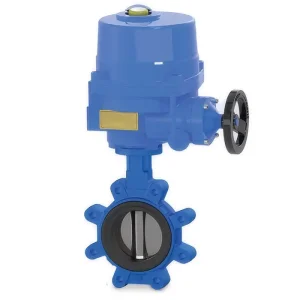
High-Quality Electrical butterfly valve Supplier, Manufacturer
Technical Datasheet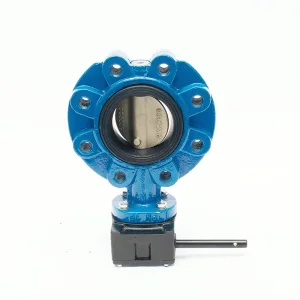
High-Quality Marine Centric Lug type manual operated butterfly valve Manufacturers, Factory
Technical Datasheet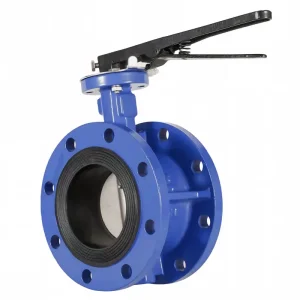
CE Certification Flanged Butterfly Valve with Lever Actuator - Durable & Reliable Manufacturers, Factory
Technical Datasheet
Wholesale High-Quality Gate Valve for Reliable Flow Control Manufacturer, Factories
Technical Datasheet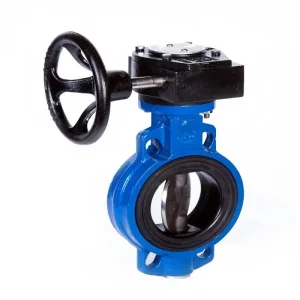
High-Quality Wafer Butterfly Valve – worm gear rubber lined butterfly valve Manufacturer, Factories
Technical Datasheet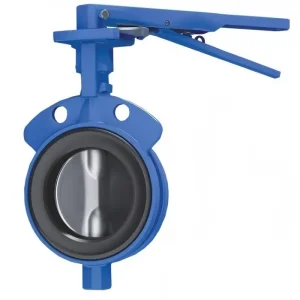
High-Quality EPDM Lining Butterfly Valve - Durable & Corrosion Resistant Suppliers, Manufacturers
Technical Datasheet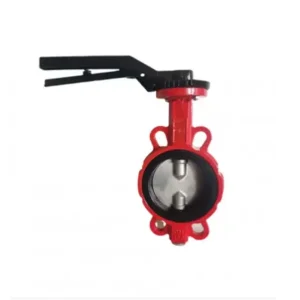
High-Quality Double Half Shaft Wafer Butterfly Valve Supplier, Manufacturer
Technical Datasheet