Wholesale Semi Lug Butterfly Valve - Durable & Versatile Flow Control Manufacturers, Manufacturer
Product Description
1. Structural Characteristics of Semi Lug Butterfly Valve
1.1 Core Component Characteristics
1.1.1 Valve Body
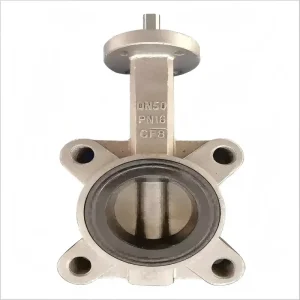
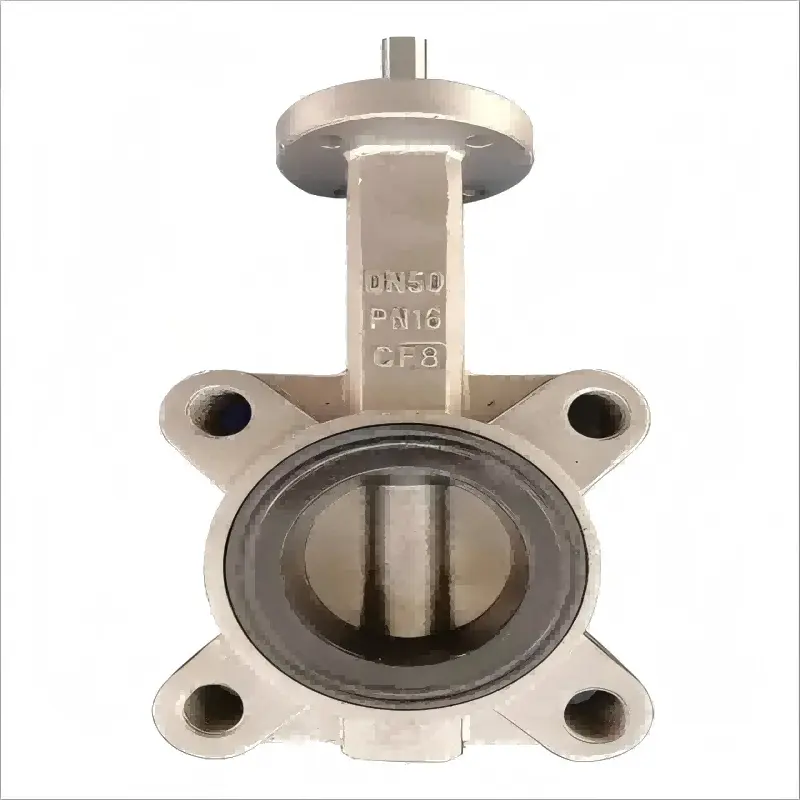
The valve body serves as the foundational framework of the semi lug butterfly valve, and its material selection and structural design are tailored to meet diverse application requirements. Typically, it is fabricated from ductile iron, carbon steel, or stainless steel (such as 304 or 316). Ductile iron offers excellent impact resistance and toughness, making it suitable for general industrial pipelines with moderate pressure and temperature. Carbon steel exhibits high strength and rigidity, ideal for high-pressure industrial scenarios like petroleum and natural gas transmission. Stainless steel, especially 304 and 316 grades, boasts superior corrosion resistance. 304 stainless steel can resist the corrosion of most organic acids, inorganic acids, and salts, while 316 stainless steel, with the addition of molybdenum, enhances its resistance to pitting corrosion in chloride environments, making it a top choice for chemical processing, food and beverage, and marine engineering applications.
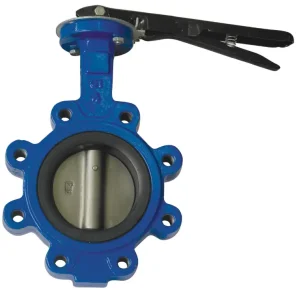
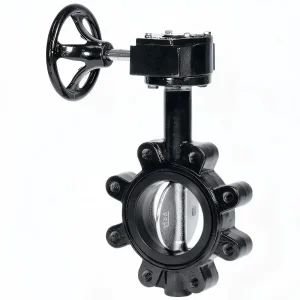
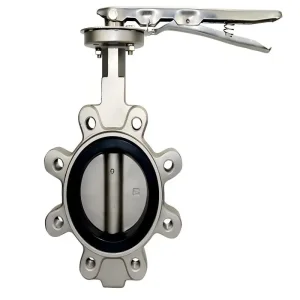
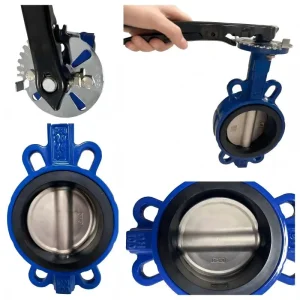
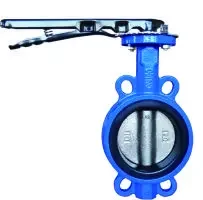
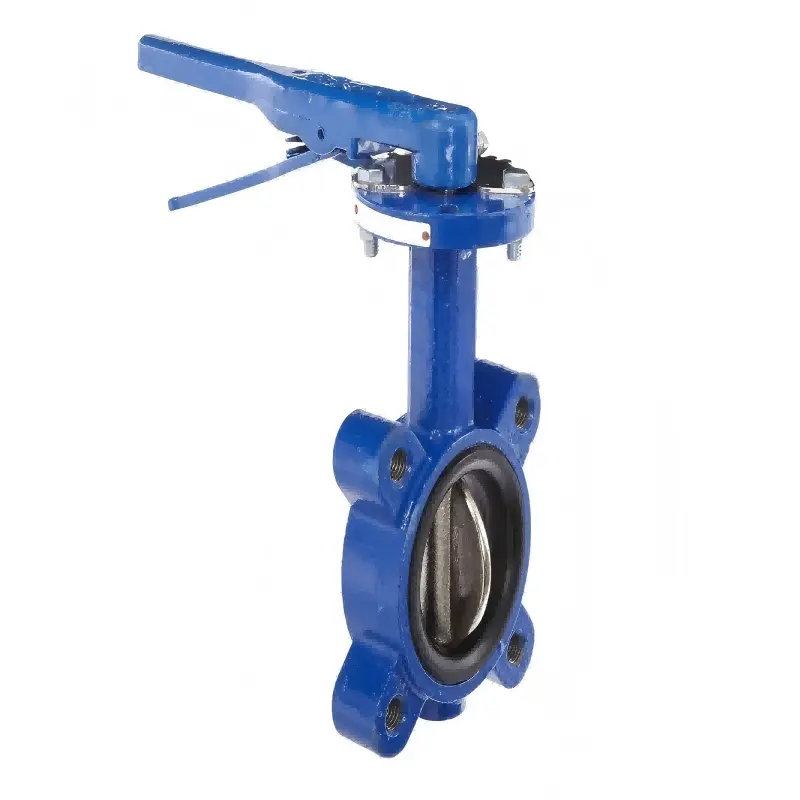
In terms of structural design, the valve body features an asymmetric configuration. One side is equipped with lugs—extended flange structures with pre-drilled bolt holes. These lugs provide a stable connection point, allowing the valve to be firmly bolted to the pipeline flange, ensuring no displacement even under high-pressure fluid impact. The other side adopts a wafer-style design without lugs, which is flat and smooth, enabling it to fit tightly between two pipeline flanges. This asymmetric structure not only optimizes the use of installation space but also reduces the overall weight of the valve compared to fully lugged valves.
1.1.2 Disc
The disc is the key component that directly regulates fluid flow, and its design and material selection are crucial for the valve's performance. Usually, the disc is made of the same material as the valve body to ensure consistency in mechanical properties and corrosion resistance. In some cases, to enhance sealing performance, the edge of the disc is lined with rubber (such as EPDM or NBR) or other elastic materials. This lining forms a tight seal with the valve body's sealing surface when the valve is closed, effectively preventing fluid leakage.
The disc has a streamlined shape, typically resembling a circular plate with a slightly curved surface. This design minimizes fluid resistance when the valve is open. When the disc rotates to the fully open position (parallel to the fluid flow direction), the streamlined structure allows fluid to pass through the valve smoothly, reducing pressure loss. Compared to gate valves, where the gate needs to be lifted entirely to allow fluid flow (resulting in greater flow resistance), the semi lug butterfly valve's disc design offers significant advantages in fluid dynamics.
1.1.3 Stem
The stem acts as the transmission component that connects the actuator to the disc, responsible for transmitting the torque from the actuator to the disc to drive its rotation. It is usually made of high-strength stainless steel (such as 316) or alloy steel to ensure sufficient mechanical strength and corrosion resistance. The stem's surface is often subjected to precision machining and surface treatment (such as chrome plating or polishing) to reduce friction and improve wear resistance, ensuring smooth rotation and long service life.
The connection between the stem and the disc is typically a keyway connection or a splined connection, which ensures a secure transmission of torque without slippage. Additionally, the stem is equipped with sealing structures (such as O-rings or packing glands) at the point where it passes through the valve body. These sealing structures prevent fluid from leaking along the stem, maintaining the integrity of the valve's internal fluid system.
1.1.4 Sealing Element
The sealing element is a critical part that determines the valve's sealing performance, and its material and structure are selected based on the characteristics of the fluid being handled (such as temperature, pressure, and chemical properties). Common sealing materials include EPDM (Ethylene Propylene Diene Monomer), NBR (Nitrile Butadiene Rubber), and PTFE (Polytetrafluoroethylene).
- EPDM seals: They have excellent high-temperature resistance, capable of withstanding temperatures up to 120°C, and good chemical stability, resistant to the erosion of water, steam, and most mild chemical fluids. They are widely used in water treatment, HVAC, and general industrial pipelines.
- NBR seals: With outstanding oil resistance, they can effectively resist the corrosion of petroleum, lubricating oil, and other oil-based fluids. They are commonly used in petroleum refining, chemical, and mechanical equipment hydraulic systems.
- PTFE seals: Known for their nearly universal chemical compatibility, they are resistant to almost all organic and inorganic chemicals (except for a few molten alkali metals and fluorinating agents). They also have high-temperature resistance, with a maximum operating temperature of up to 260°C. They are suitable for harsh chemical environments, such as acid and alkali transportation pipelines in chemical plants.
The sealing element is usually installed on the inner wall of the valve body or the edge of the disc, forming a sealing pair with the disc. When the valve is closed, the disc presses tightly against the sealing element under the action of the stem's torque, creating a reliable seal to prevent fluid leakage.
1.2 Unique Structural Highlights
1.2.1 Asymmetric Lug-Wafer Design
The most distinctive structural feature of the semi lug butterfly valve is its asymmetric lug-wafer design. The lugged side provides a stable mechanical connection, ensuring the valve's stability under high pressure and preventing displacement caused by fluid impact. The wafer side, on the other hand, simplifies installation, especially in space-constrained areas or when retrofitting existing pipelines. Unlike fully lugged valves, which require bolts to fix both sides to the pipeline flanges (increasing installation complexity and labor costs), the semi lug butterfly valve only needs to bolt the lugged side, while the wafer side is clamped between the flanges, reducing the number of bolts used and shortening installation time.
1.2.2 Compact and Lightweight Structure
Compared to other types of valves (such as gate valves and globe valves), the semi lug butterfly valve has a more compact structure. Its overall size is smaller, and the weight is lighter, which not only saves installation space but also reduces transportation and installation costs. This compact design makes it particularly suitable for pipelines where space is limited, such as in building HVAC systems, ship pipelines, and small-scale industrial equipment.
2. Working Principle of Semi Lug Butterfly Valve
The working principle of the semi lug butterfly valve is based on the rotational movement of the disc to control the opening and closing of the valve, thereby regulating the flow of fluid in the pipeline. The entire working process involves the transmission of torque from the actuator, the rotation of the disc, and the realization of sealing and flow control, which can be detailed as follows:
2.1 Torque Transmission from Actuator
The semi lug butterfly valve can be equipped with different types of actuators, including manual actuators (such as handwheels), electric actuators, pneumatic actuators, and hydraulic actuators, to meet the needs of different application scenarios.
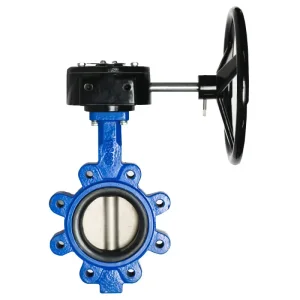
- Manual actuator: When the operator rotates the handwheel, the handwheel drives the valve stem to rotate through a gear transmission mechanism (such as a worm gear or bevel gear). The gear transmission mechanism reduces the rotational speed while increasing the torque, making it easier for the operator to drive the disc rotation.
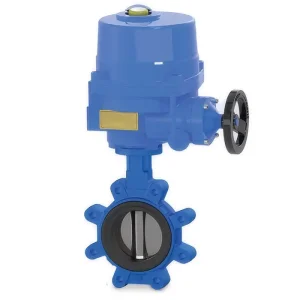
- Electric actuator: The electric actuator converts electrical energy into mechanical energy. It consists of a motor, a reducer, and a control system. When the control system receives a signal (such as a switch signal or a regulating signal), the motor starts to rotate, and the rotational speed is reduced and the torque is increased through the reducer, then transmitted to the valve stem to drive the disc rotation. Electric actuators offer the advantages of remote control, automatic adjustment, and high control precision, suitable for large-scale pipelines and automated production processes.
- Pneumatic actuator: The pneumatic actuator uses compressed air as the power source. It consists of a cylinder, a piston, a transmission mechanism, and a control valve. When compressed air enters the cylinder, it pushes the piston to move, and the linear motion of the piston is converted into the rotational motion of the valve stem through the transmission mechanism (such as a rack-and-pinion mechanism or a scotch yoke mechanism), thereby driving the disc rotation. Pneumatic actuators have the characteristics of fast response speed, simple structure, and high reliability, widely used in chemical, petroleum, and other industries with flammable and explosive environments.
- Hydraulic actuator: The hydraulic actuator uses hydraulic oil as the working medium. It consists of a hydraulic cylinder, a piston, a hydraulic pump, and a control valve. The hydraulic pump generates high-pressure hydraulic oil, which pushes the piston in the hydraulic cylinder to move, and the linear motion of the piston is converted into the rotational motion of the valve stem through the transmission mechanism, driving the disc rotation. Hydraulic actuators provide large torque, suitable for large-diameter, high-pressure valves.
2.2 Rotation of the Disc and Flow Control
When the torque from the actuator is transmitted to the valve stem, the valve stem drives the disc to rotate around its axis (the valve stem's axis). The rotation angle of the disc determines the opening degree of the valve, thereby controlling the flow rate of the fluid.
- Fully closed state: When the disc is rotated to a position perpendicular to the fluid flow direction, the edge of the disc (or the rubber lining on the edge) is tightly pressed against the sealing element in the valve body, blocking the flow channel of the fluid. At this time, the valve is in the fully closed state, and the sealing element prevents fluid leakage, ensuring zero leakage or minimal leakage (meeting the relevant industry leakage standards).
- Throttling/regulating state: When the disc is rotated at an angle between 0° (fully closed) and 90° (fully open), the flow area of the fluid in the valve changes. The smaller the rotation angle, the smaller the flow area, and the lower the fluid flow rate; the larger the rotation angle, the larger the flow area, and the higher the fluid flow rate. By adjusting the rotation angle of the disc, the valve can achieve precise throttling and flow regulation, meeting the requirements of different process parameters (such as flow rate, pressure, and temperature) in the production process.
- Fully open state: When the disc is rotated 90° from the fully closed position, it is parallel to the fluid flow direction. At this time, the flow area of the fluid in the valve is maximized, and the fluid can pass through the valve with minimal resistance. The streamlined shape of the disc further reduces the pressure loss of the fluid, ensuring efficient fluid transfer. Compared to gate valves, which require the gate to be lifted to the top of the valve body to achieve full opening (resulting in a longer opening time and greater flow resistance), the semi lug butterfly valve can achieve full opening with a 90° rotation, offering faster opening and closing speeds and lower flow resistance.
2.3 Sealing Mechanism
The sealing mechanism of the semi lug butterfly valve mainly relies on the interaction between the disc and the sealing element. When the valve is in the fully closed state, the torque from the actuator is transmitted to the disc through the valve stem, making the disc press tightly against the sealing element. The sealing element, made of elastic materials (such as EPDM, NBR) or non-metallic materials with good sealing performance (such as PTFE), deforms elastically under the pressure of the disc, filling the micro-gaps between the disc and the valve body's sealing surface, thereby achieving a reliable seal.
For PTFE seals, which have relatively low elasticity, some semi lug butterfly valves adopt a spring-loaded sealing structure. A spring is installed between the sealing element and the valve body, and the spring exerts a pre-tightening force on the sealing element, ensuring that the sealing element is in close contact with the disc even when the disc is slightly worn or the temperature changes (causing thermal expansion or contraction). This spring-loaded structure enhances the sealing reliability and extends the service life of the sealing element.
In addition, the stem's sealing structure (such as O-rings or packing glands) also plays a crucial role in preventing fluid leakage. The O-rings or packing materials are compressed between the stem and the valve body, forming a seal that blocks the fluid from leaking along the stem to the outside of the valve. Regular inspection and replacement of the stem's sealing components are essential to maintain the valve's overall sealing performance.
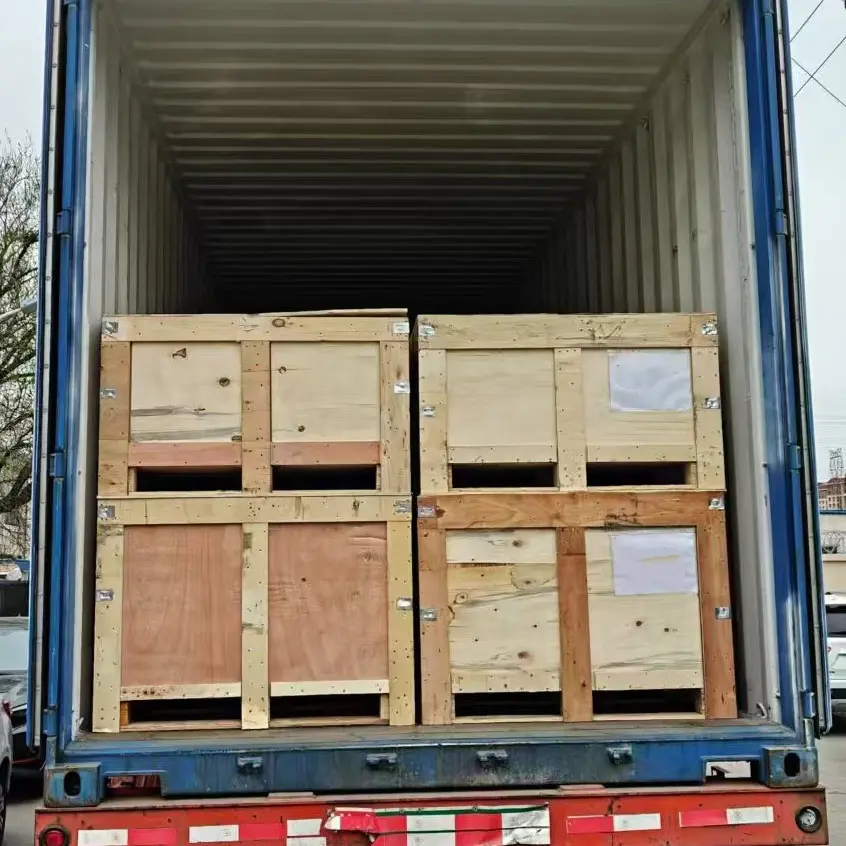
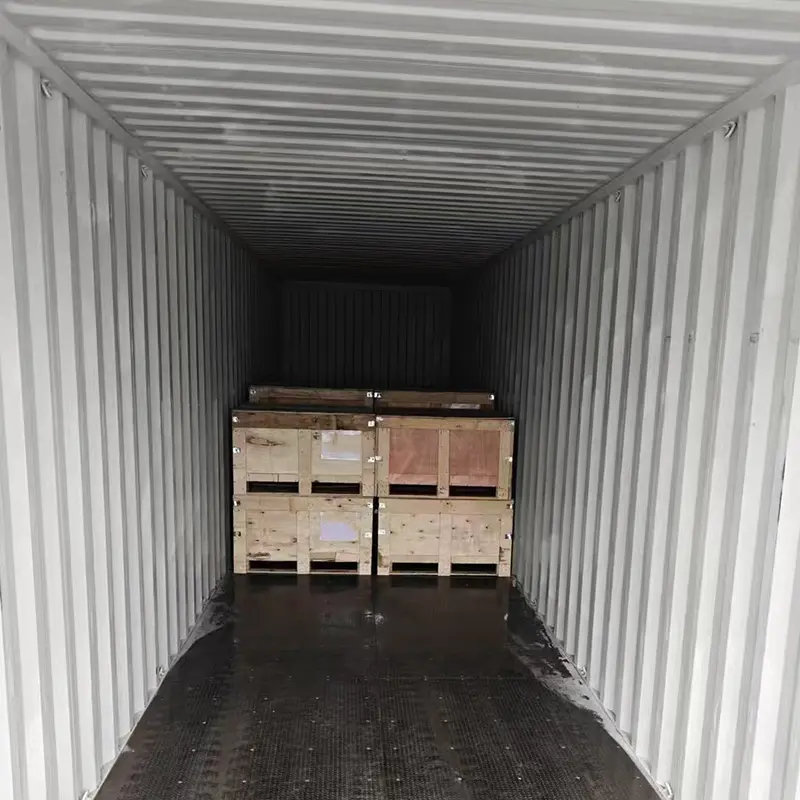
Packaging


Frequently Asked Questions (FAQ)
What is the main advantage of a semi lug butterfly valve over a full lug valve?
The semi lug design offers a hybrid solution that provides the mechanical stability of lugs on one side while maintaining the cost-effective, lightweight, and compact characteristics of a wafer design on the other, significantly reducing bolt requirements and installation time.
Which sealing material should be selected for high-temperature and chemical applications?
PTFE is the best option for aggressive chemical services and high-temperature environments up to 260°C, whereas EPDM is typically selected for general water/steam applications up to 120°C, and NBR is preferred for oil-based media.
Can a semi lug butterfly valve be used for flow regulation?
Yes, by adjusting the rotation angle of the disc between 0° and 90°, the valve acts as an effective throttling device to regulate fluid flow according to process requirements.
What actuator options are compatible with semi lug butterfly valves?
These valves can be operated manually (lever or worm gearbox) or automated with electric, pneumatic, or hydraulic actuators depending on process automation and torque demands.
How does the spring-loaded seal structure benefit valve longevity?
The spring provides continuous pre-tightening force against the sealing element, compensating for minor disc wear and thermal expansion/contraction, ensuring tight sealing over extended periods.