
Precision Engineered Industrial Valves & Systems
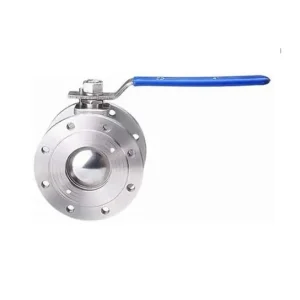
Explore our certified range of stainless steel ultra-thin ball valves, rapid three-way diversion valves, eccentric plugs, and high-performance butterfly valves manufactured directly in Tianjin.
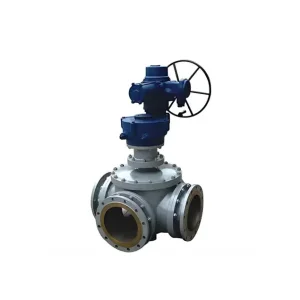
CE Certification Quick - Opening Three - Way Flange Ball Valve for Emergency Fluid Diversion
View Specifications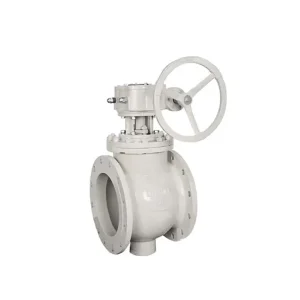
Executive Engineering Overview: Ball Valve Manufacturing Excellence
In modern process industries, the selection of an industrial ball valve is an engineering decision with profound implications for operational safety, lifecycle expenditure, and thermodynamic efficiency. Operating from the Wuxia Industrial Park in Tianjin, China, Tianjin Top Automation Equipment Co., Ltd. (Tianjin Top Valve) brings a legacy rooted in decades of metallurgical casting and specialized elastomer production. With our foundational partners—Tianjin Dongfang Rubber Factory (established in 1987) and Tianjin Donglian Valve Factory (operating since 1996)—we stand as an integrated ball valve manufacturer and industrial valve factory capable of controlling the entire manufacturing spectrum from raw molten iron and stainless steel smelting to precision CNC ball spherical turning, vulcanized polymer seating, and 100% automated pressure testing.
This engineering whitepaper investigates the structural, metallurgical, and dynamic operational dynamics of ball valves within petrochemical, municipal utility, cryogenic LNG, and power distribution infrastructures. Through rigorous conformance with API 6D, ISO 17292, ASME B16.34, and EN 12516, our industrial facility produces floating, trunnion-mounted, three-way diversion, and ultra-thin wafer ball valves engineered to eliminate fugitive emissions while maintaining bubble-tight shut-off across severe temperature excursions ranging from -196°C to +450°C.
Vertically Integrated Foundry
By operating an independent foundry, our metallurgical team executes spectrometry-verified melts of WCB, CF8, CF8M, CF3M, Duplex 2205, Super Duplex 2507, and Aluminum Bronze without relying on third-party casting syndicates.
Elastomer & Polymer Laboratory
With rubber compounding heritage dating to 1987, we formulate and vulcanize custom EPDM, NBR, Viton (FKM), PTFE, and R-PTFE compounds on-site, managing polymer hardness, glass transition, and explosive decompression resistance.
5-Axis CNC Precision Finishing
Spherical tolerance and surface finish directly govern torque and packing lifespan. Our multi-axis CNC cells grind and polish valve balls to Ra < 0.2 µm, ensuring optimal seat engagement and extended cycle durability.
Commercial Landscape of the Global Ball Valve Industry
An analytical examination of capital expenditure trends, fluid control modernization, and geographic adoption vectors driving quarter-turn valve manufacturing.
The international industrial valve market has exceeded $78 billion in annual valuation, with quarter-turn ball valves representing the largest and fastest-growing individual product classification. Historically, gate and globe valves served as default flow isolation choices; however, the ongoing global push toward pipeline decarbonization, plant electrification, and strict fugitive emissions enforcement (such as the EPA Method 21 and the EU Methane Regulation) has rapidly shifted global engineering specifications toward quarter-turn ball valves.
In North America and Europe, legacy refining infrastructure is undergoing aggressive revamp cycles. Energy operators are replacing multi-turn rising stem valves with fire-safe API 607/API 6FA qualified ball valves equipped with low-leakage packing (ISO 15848-1 Class AH/BH). Concurrently, the Middle East, Southeast Asia, and Latin America are expanding high-pressure gas transmission networks and chemical processing hubs. These environments demand reliable trunnion ball valves capable of handling sour service under NACE MR0175 / ISO 15156 constraints without cracking or seal degradation.
As a seasoned Chinese valve manufacturer with international supply footprints in over 50 countries, Tianjin Top Automation Equipment Co., Ltd. addresses the dual demand of Western EPC contractors: stringent Western-tier metallurgical and dimensional compliance paired with the commercial efficiency, responsiveness, and scale of a vertically integrated Chinese factory.
LNG & Cryogenics
Surging global trade in liquefied natural gas requires cryogenic extended-bonnet ball valves maintaining zero external leakage at temperatures down to -196°C.
Hydrogen Ready
Pipelines blending hydrogen into natural gas grids require dense crystalline metallurgy and microscopic leak tightness to prevent hydrogen permeation and embrittlement.
Fugitive Emission Control
Live-loaded stem packing systems meeting ISO 15848-1 Class A/B eliminate volatile organic compound (VOC) emissions across thousands of thermal cycles.
Smart Automation
Transition from manual actuation to integrated electric and pneumatic quarter-turn actuators fitted with HART and Profibus digital positioners for automated SCADA integration.
Ball Valve Architectural Formats & Design Standards
A detailed engineering comparison of ball valve mechanical configurations manufactured at our Tianjin facility to optimize pressure drops and operating torque.
| Architecture Type | Pressure Class Range | Sealing Mechanism | Torque Characteristics | Typical Pipeline Duties |
|---|---|---|---|---|
| Floating Ball Valve 1-Piece, 2-Piece, 3-Piece |
ASME Class 150 – 600 PN16 – PN100 |
Upstream line pressure pushes ball downstream against the downstream seat ring for bi-directional shutoff. | Torque increases proportionately with line differential pressure; optimal for sizes ≤ DN150 (6"). | Chemical processing skids, utility lines, general industrial distribution, compact machine integration. |
| Trunnion Mounted Ball Top-Entry / Side-Entry |
ASME Class 150 – 2500 PN16 – PN420 |
Ball is anchored on upper stem and lower trunnion; spring-energized floating seats move to seal against the ball. | Lower operating torque, minimal seat wear, suitable for large diameters (DN50 – DN1400 / 2" – 56"). | High-pressure transmission gas mains, crude pipelines, compressor stations, subsea manifolds. |
| Three-Way / Multi-Port L-Port & T-Port Diversion |
Class 150 – 300 PN16 – PN40 |
Multi-directional bore configurations facilitating automated fluid diverting, mixing, or emergency bypass. | Moderate torque requiring precise actuator sizing to match 90° or 180° rotation stops. | Emergency bypass systems, cooling water re-circulation, batch reactors, filtration manifolds. |
| Ultra-Thin Wafer Ball Short Face-to-Face |
Class 150 PN10 – PN16 |
Compact face-to-face wafer clamp design with integrated blow-out proof stem and fire-safe envelope. | Extremely lightweight, lowest torque envelope, minimal material mass reduces skid footprint. | Space-constrained marine installations, compact chemical skids, food and beverage processing lines. |
| Metal-Seated (Hard Seal) Stellite / Tungsten Carbide |
Class 150 – 1500 PN16 – PN250 |
Precision-lapped metallic ball and seat rings coated with HVOF Stellite, Chrome Carbide, or Nickel Alloys. | High torque requirement; demands rigid mechanical stems and heavy-duty gearboxes. | Abrasive slurry transport, fluid catalytic cracking, high-temperature steam (>260°C), mining tailings. |
The Importance of In-House Elastomer & Thermoplastic Seating
A critical failure point in low-quality ball valves is cold flow, seat deformation, and chemical swelling of the soft seating insert under sustained mechanical stress. As an organization operating Tianjin Dongfang Rubber Factory since 1987, Tianjin Top Valve compounds its own soft seats and back-up energizer O-rings in-house. While generic assemblers purchase off-the-shelf PTFE rings with unpredictable virgin polymer purity, our on-site material testing laboratory inspects each batch of Virgin PTFE, Glass-Filled PTFE, Carbon-Filled PTFE, PEEK, Devlon V-API, and Viton AED.
This vertical integration ensures our ball valves deliver verifiable zero-leakage performance (ISO 5208 Rate A and API 598 zero visible bubbles) throughout severe cycling schedules, avoiding the micro-fissuring and seat degradation that plagues commoditized market offerings.
Engineered Solutions for Severe-Duty Applications
From arctic district heating loops to marine scrubbers and petrochemical cracking units, discover how Tianjin Top Valve configures trim, body alloys, and seating materials to match exact operational chemistry.
Petrochemical & Refining
For volatile hydrocarbon and benzene processing, our API 607 fire-safe stainless steel ball valves feature secondary metal-to-metal seating backups that maintain sealing integrity even when soft PTFE inserts are consumed during elevated fire events.
Marine & Offshore Seawater
Utilizing our in-house foundry capabilities for Nickel-Aluminum Bronze (C95800) and Duplex Stainless Steel (2205/2507), our marine ball and butterfly valves withstand severe pitting and crevice corrosion across ballast lines, desalinization skids, and FPSO cooling mains.
Municipal Potable Water & HVAC
Compliant with UK WRAS drinking water standards and international hygiene regulations, our epoxy-coated valves utilize specialized non-leaching EPDM seats compounded directly by our sister plant, eliminating microbial growth and taste degradation.
Power Generation & Steam
High-pressure power plant auxiliary loops demand heavy-duty stellite hard-faced metal seated valves capable of sustaining flashing, cavitation, and thermal shock cycles without galling or seat-to-body bypass.
Emergency Fluid Diversion
Our CE-certified quick-opening three-way flanged ball valves integrate heavy-duty rack-and-pinion pneumatic actuators for instantaneous fail-safe fluid re-routing in thermal runaway loops and emergency tanker offloading facilities.
Slurry & Tailings Transport
Handling abrasive bauxite slurries and mining wastewater requires our eccentric plug valves and hard-sealed quarter-turn units engineered with thick elastomer linings and self-cleaning wipe actions during every quarter-turn rotation.
Technology Roadmap: Future-Proofing Pipeline Infrastructure
How Tianjin Top Valve integrates AI-driven casting simulations, digital twin telemetry, and next-generation metallurgy to address tomorrow's process challenges.
1. Decarbonization and H2-Ready Pipeline Integrity
The transition toward hydrogen fuel and hydrogen-natural gas blends poses unprecedented sealing dilemmas. Pure hydrogen molecules easily diffuse through microscopic casting porosity and elastomer cross-links. Our research and development group is engineering cryogenic and high-pressure hydrogen ball valves with double-stem sealing envelopes, vacuum-annealed forged 316L bodies, and modified PTFE blends exhibiting near-zero hydrogen permeability.
2. Additive Manufacturing and Ceramic Trims for Extreme Erosion
In highly abrasive slurry applications, even tungsten carbide coatings eventually delaminate under sustained hydrodynamic impact. Tianjin Top Valve is prototyping solid ceramic (Zirconia and Silicon Carbide) spherical balls paired with laser-cladded Stellite 6 seating surfaces. This hybrid metallurgical architecture extends operating lifespans in mining tailings by over 400% compared to standard stainless steel trims.
3. Smart Actuation and Predictive Digital Twin Integration
Modern process plants demand real-time diagnostics over static mechanical hardware. Our automated ball valves increasingly interface with intelligent electro-hydraulic and pneumatic control modules that measure stem breakout torque, cycle speed, and seat pressure drop. By transmitting this telemetry via Modbus or WirelessHART into industrial IoT dashboards, facility operators can predict elastomer fatigue and schedule maintenance proactively before catastrophic seal failure occurs.
| Development Milestone | Technical Objective | Engineering Standards Target | Status & Availability |
|---|---|---|---|
| Hydrogen Sealing Envelope | Elimination of micro-leakage and hydrogen embrittlement across forged body joints. | ISO 15848-1 Class AH, Shell MESC SPE 77/300 | Commercial Deployment |
| Cryogenic Top-Entry Ball Valves | In-line maintainable design with extended vapor column for -196°C LNG terminals. | BS 6364, API 608, ASME B16.34 | Available on Request |
| SIL 3 Safety Instrument Systems | Certified Emergency Shutdown (ESD) ball valve packages with partial stroke testing (PST). | IEC 61508, IEC 61511 Functional Safety | Standard Production |
| Low-Torque Ceramic Ball Trims | Zero-wear spherical components for flash alumina slurries and pulverized coal injection. | API 598 Class VI / ISO 5208 Rate A | Pilot Qualification |
Comprehensive Quality Verification: From Melt to Dispatch
Traceable metallurgical integrity and pressure testing certified under ISO 9001, ISO 14001, and ISO 45001 management protocols.
1. Spectrometry & NDT Examination
Every casting heat undergoes direct-reading spectrometer analysis to verify nickel, chromium, molybdenum, and carbon contents within strict ASTM limits. Radiographic (RT), Ultrasonic (UT), and Magnetic Particle (MT) testing are executed on critical high-pressure bodies.
2. Microscopic Ball Sphericity
Valve balls are inspected on Zeiss Coordinate Measuring Machines (CMM) to guarantee circularity and spherical roundness within 0.01 mm. Super-finishing diamond polishing ensures an optical mirror surface that prevents micro-scoring of soft PTFE or PEEK seats.
3. 100% Shell & Seat Hydro-Testing
No valve exits our Tianjin campus uninspected. Hydrostatic shell tests are conducted at 1.5 times the rated working pressure, accompanied by high-pressure and low-pressure air seat leakage verification compliant with API 598 and EN 12266-1 guidelines.
Direct Sourcing Advantage: Bypassing Middlemen & Trading Houses
In global industrial valve sourcing, foreign EPCs and distributors frequently encounter commercial trading entities claiming manufacturing status. Tianjin Top Automation Equipment Co., Ltd. is uniquely rooted in physical factory ownership. Our major shareholders have operated foundational facilities in Tianjin since 1987 and 1996, spanning a 23,000 m² industrial campus with 12,000 m² of modern roofed machine shops, clean assembly halls, vulcanization presses, and hydrostatic test stands.
Direct communication with our engineering and metallurgy teams ensures rapid drawing approvals, bespoke face-to-face dimensions, customized flange drilling (ASME, EN 1092, BS, JIS), transparent material test reports (EN 10204 3.1 certification), and substantially compressed delivery timelines.
Frequently Asked Questions: Ball Valves & Factory Specifications
Direct, authoritative technical answers to the most common inquiries posed by piping engineers, procurement specialists, and plant operators.
What is the functional difference between floating and trunnion-mounted ball valves?
How does Tianjin Top Valve ensure fire-safe sealing integrity under API 607 / API 6FA?
Why does owning an in-house rubber factory benefit ball and butterfly valve buyers?
Can your ball valves be supplied in full compliance with NACE MR0175 / ISO 15156 for sour service?
What international flange drilling and face-to-face dimensions do you accommodate?
What are the advantages of ultra-thin wafer ball valves over standard flanged valves?
How do you manage fugitive emissions around the valve stem?
What is the standard delivery timeline for customized or large-quantity orders?
Specialty Check, Butterfly & Multi-Port Valve Solutions
Explore our complementary engineered check valves, marine-grade lug units, grooved-end fire protection valves, and specialized PTFE corrosion linings.
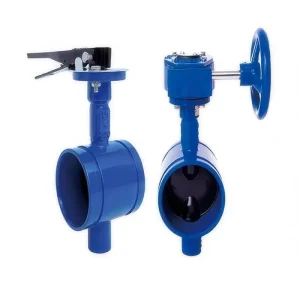
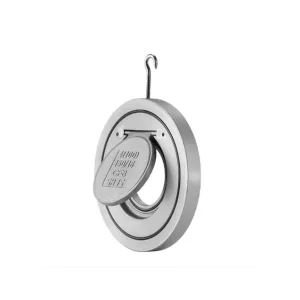
CE Certification Stainless Steel Single Disc Wafer Check Valve Enhanced Corrosion
View Specifications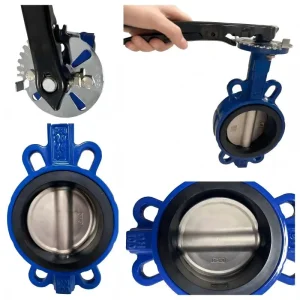
High-Quality WRAS Approved Butterfly Valve - High Performance & Durability 4020L
View Specifications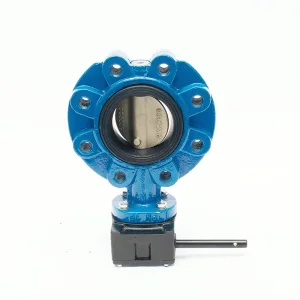
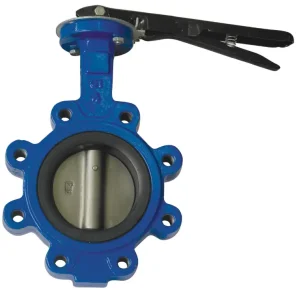
High-Quality Marine Centric Lug type manual operated butterfly valve Manufacturers, Factory
View Specifications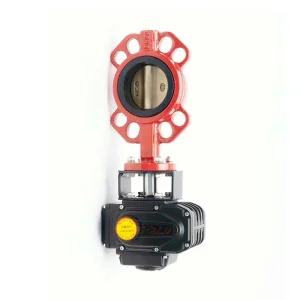
CE Certification Quick - Opening Three - Way Flange Ball Valve for Emergency Diversion
View Specifications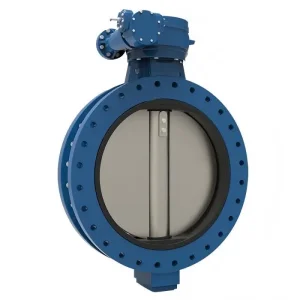
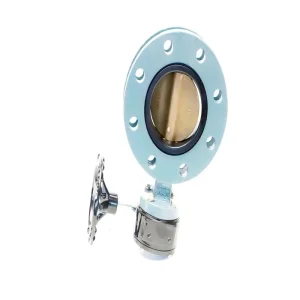
CE Certification Flanged Butterfly Valve - Durable & Efficient Flow Control Suppliers
View Specifications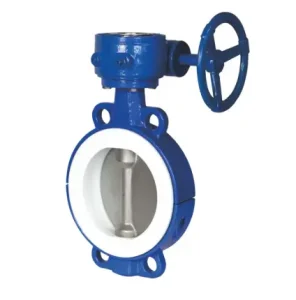
Wholesale PTFE Lined Butterfly Valve - Durable & Corrosion Resistant Manufacturers
View SpecificationsConsult With Our Senior Valve Engineering Team
Need certified dimensional drawings, 3D CAD step files, EN 10204 3.1 material certificates, or a competitive factory-direct tender quotation? Contact our Tianjin engineering office directly.
