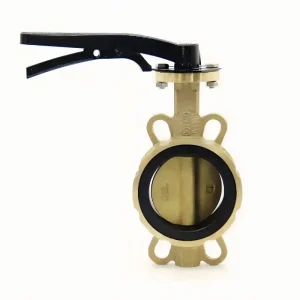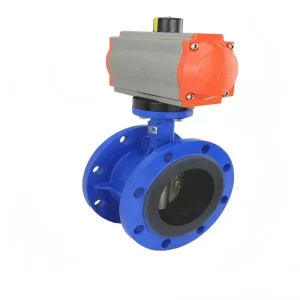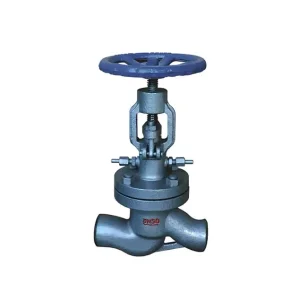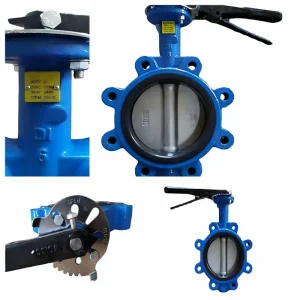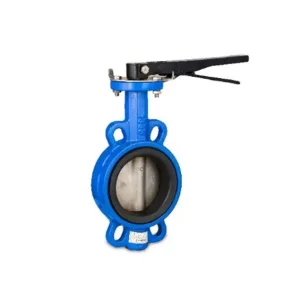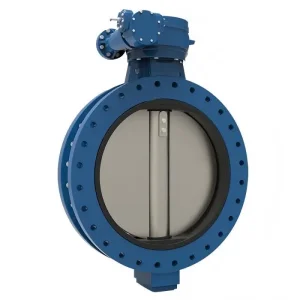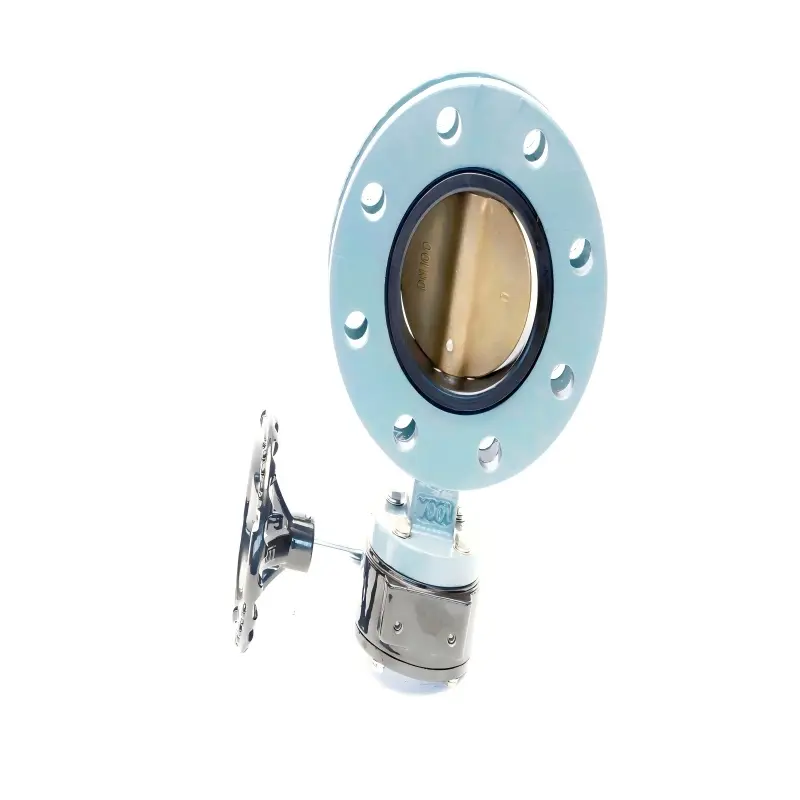
Wholesale CE/ISO/DIN/BS High Pressure Metal Seal Hard Seal Butterfly Valve Manufacturers, Manufacturer
Product Description
Product Performance Specification
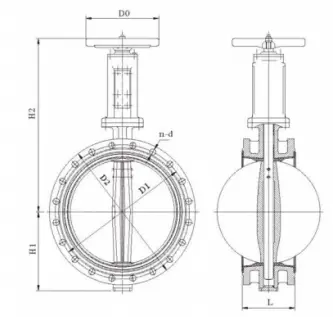
| Parts Name | Material | Code Name |
|---|---|---|
| Body | QT400-15 | QT |
| WCB | G | |
| ZQAL9-2 | W | |
| Disc | ZQAL9-2 | W |
| CF8 | B1 | |
| CF8M | B2 | |
| Seal Ring | NBR | N |
| FPM | F | |
| Stem | 1Cr13 | — |
| PN (MPa) Nominal Pressure | DN (mm) Nominal Diameter |
|---|---|
| 1 | 50 ~ 600 |
Using Instruction
Marine butterfly valves are commonly used as shut-off or regulating devices in ship pipeline systems, suitable for media such as seawater, fresh water, fuel oil, and air. Their design and functionality comply with marine industry standards (e.g., ABS, DNV, GL classification society standards), offering the following core features and advantages:
1. Structural Features
Compact and Lightweight
- Simple valve body structure with small size and light weight, facilitating installation and maintenance—particularly ideal for space-constrained environments on ships.
- Compared with gate valves or ball valves, they can reduce weight by 30%–50% for the same nominal diameter.
Rapid Operation
- The valve disc completes full opening or closing with a 90° rotation, enabling convenient operation and suiting emergency shut-off scenarios (e.g., fire-fighting systems).
Low Flow Resistance
- When fully open, the disc aligns parallel to the fluid flow, resulting in a low flow resistance coefficient (approximately 0.1–0.3), which reduces energy consumption in the pipeline system.
2. Performance Advantages
Reliable Sealing
- Utilizes elastic sealing (e.g., rubber, fluoroplastic) or metal hard-sealing structures to ensure tightness in low or high-pressure environments.
- Some models feature bi-directional sealing capability, suitable for pipelines with uncertain media flow directions.
Strong Corrosion Resistance
- Valve bodies and discs are typically made of stainless steel (e.g., 316L), nickel-based alloys, or corrosion-resistant coatings (e.g., epoxy resin) to withstand marine seawater environments.
- Sealing materials can be selected from NBR, EPDM, or FKM for oil resistance and aging resistance.
Flexible Operation Modes
- Supports multiple actuation methods, including manual, electric, pneumatic, and hydraulic, meeting automation control requirements (e.g., remote cabin operation).
Wide Application Range
- Nominal diameters typically range from DN40 to DN1200, with pressure ratings covering PN10–PN40 (or Class 150–Class 300), adapting to pipeline systems of different diameters and pressures.
Packaging




Frequently Asked Questions (FAQ)
The valve is suitable for sea water, fresh water, air, crude oil, and finished oil at working temperatures of 80℃ and below.
The valves are designed and manufactured in compliance with marine industry standards, including ABS, DNV, and GL classification societies.
Body options include QT400-15, WCB, and ZQAL9-2. Discs are available in ZQAL9-2, CF8, and CF8M. Seals are available in NBR and FPM, paired with a 1Cr13 stainless steel stem.
Due to their compact and simple body design, these marine butterfly valves can reduce weight by 30% to 50% compared with gate valves or ball valves of the same nominal diameter.
They support manual, electric, pneumatic, and hydraulic actuation to meet various automation control requirements such as remote cabin operation.
Standard specifications cover nominal diameters from DN50 to DN600 under PN 1 MPa, with broad capabilities extending typically from DN40 to DN1200 and pressure ranges from PN10 to PN40 (Class 150–Class 300).