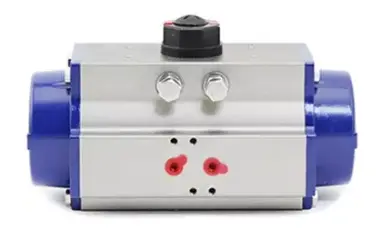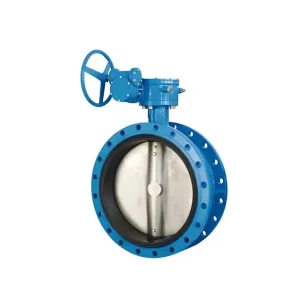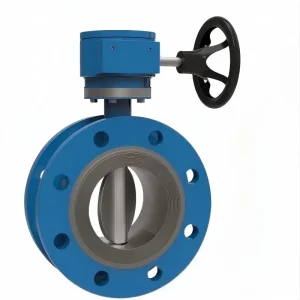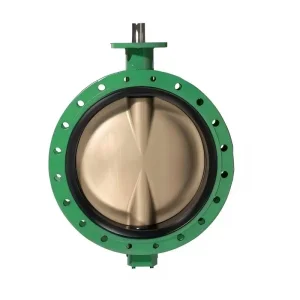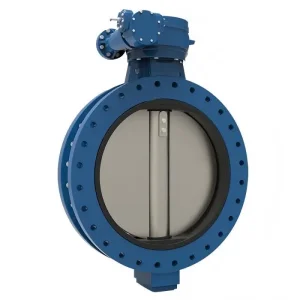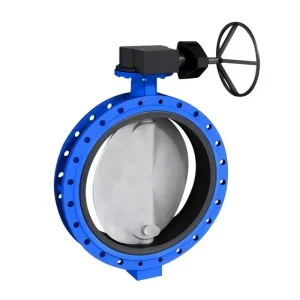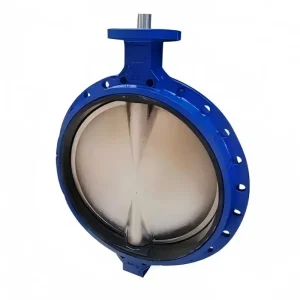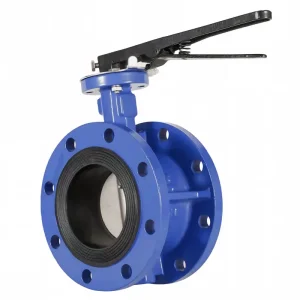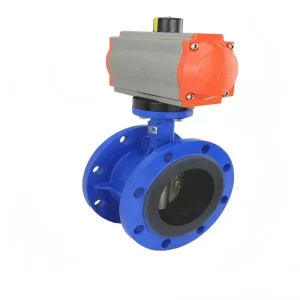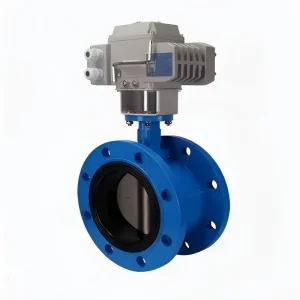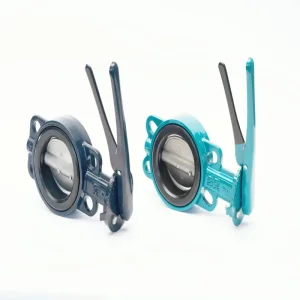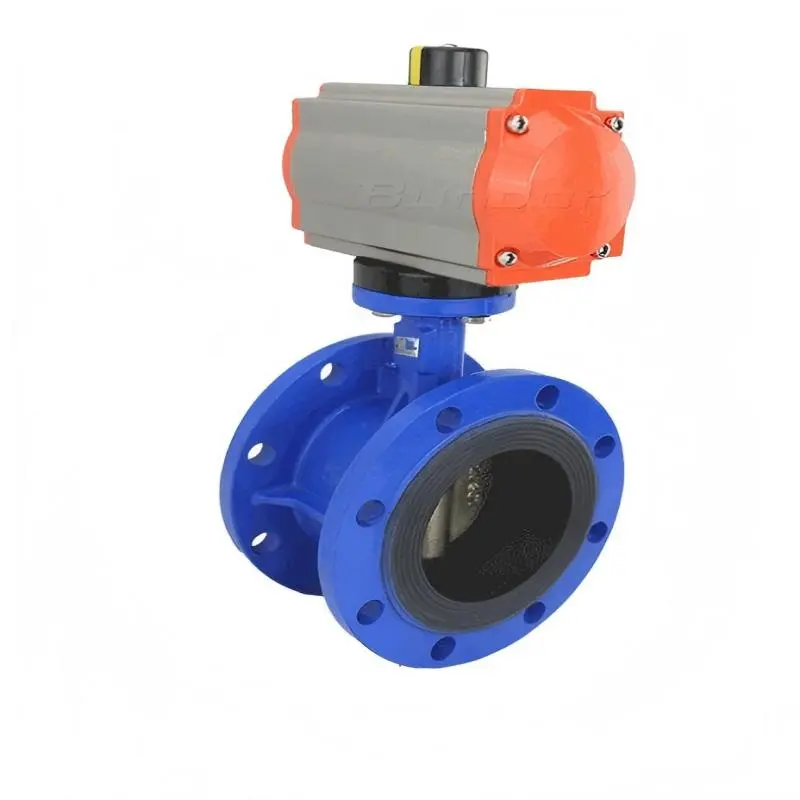
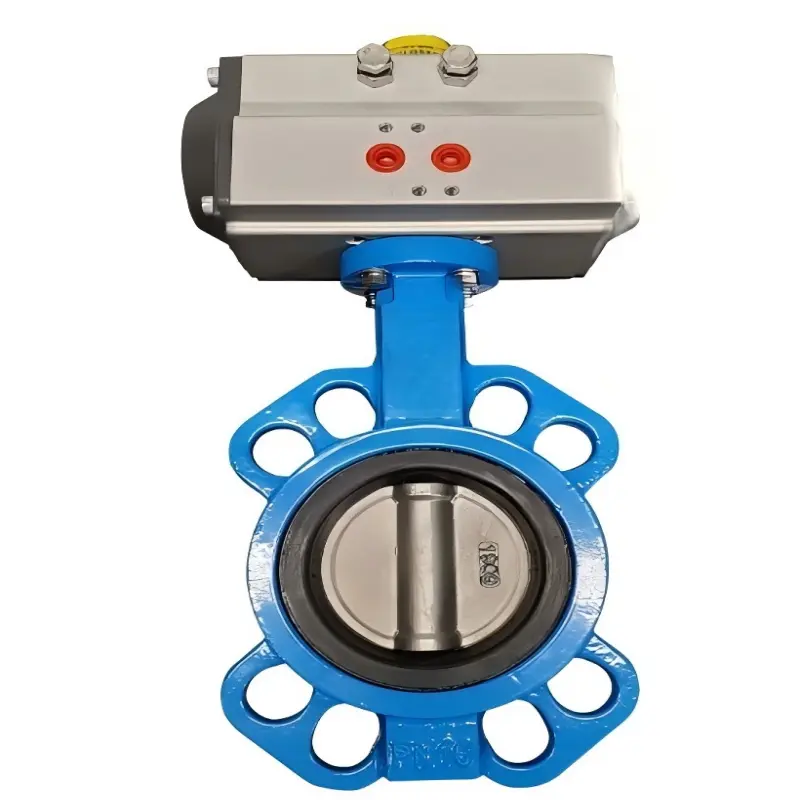
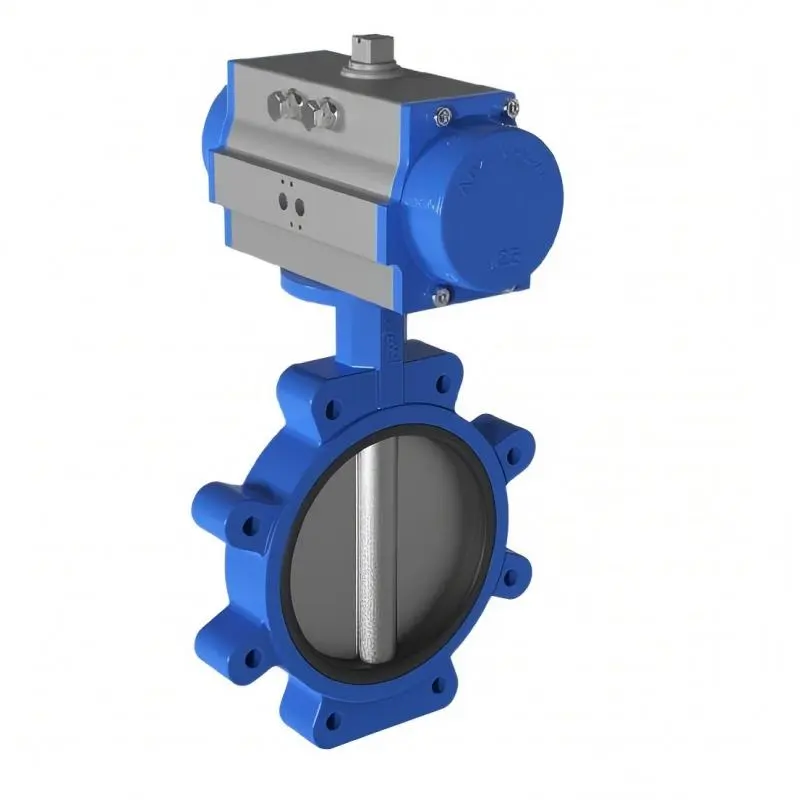
High-Quality Pneumatic Butterfly Valve - Reliable Flow Control Solution- Lug butterfly valve, flanged butterfly valve Suppliers, Manufacturers
Product Description
The pneumatic butterfly valve offers compelling advantages that make it a preferred choice for industrial flow control. Its primary strengths are:
Powered by compressed air, these valves actuate in seconds, enabling fast process cycling and emergency shutdowns. The pneumatic mechanism has few moving parts, leading to minimal maintenance, high durability, and consistent performance over long periods.
Compared to gate or globe valves of the same size, butterfly valves are significantly more compact and lighter, reducing structural support needs and installation costs. Their simple design also translates to lower initial purchase and maintenance expenses, especially for large diameters.
The pneumatic actuator seamlessly integrates with modern automated control systems (using solenoid valves and positioners) for remote or programmable logic controller (PLC)-based operation. Crucially, they are inherently explosion-proof and safe for use in hazardous areas where electrical sparks pose a risk.
With an elastomeric (e.g., EPDM, Viton) seat, the valve provides bubble-tight shut-off for many applications. It is suitable for a wide range of media—including water, air, gases, and slurries—across various pressures and temperatures. Throttling capabilities are also available for modulating control.
The balanced disc design requires relatively low torque to operate, allowing for the use of smaller, more economical actuators. The system consumes energy only during the actuation cycle, making it energy-efficient.
The global market for pneumatic butterfly valves is poised for steady growth, driven by several key industrial trends:
The relentless drive towards Industry 4.0 and smart manufacturing is increasing demand for reliable, automated process components. Pneumatic butterfly valves, as essential final control elements, are integral to automated systems in sectors like water treatment, food & beverage, and pharmaceuticals, where precision and hygiene are paramount.
Massive ongoing and planned investments in water and wastewater treatment infrastructure worldwide, particularly in developing regions, provide a strong, sustained demand. These valves are workhorses in treatment plants for isolation and control duties.
The oil & gas, power generation, and chemical processing industries continuously require robust flow control solutions for handling process fluids, cooling water, and air/gas lines. Their safety and reliability are key here.
Aging infrastructure in developed economies necessitates the upgrade and replacement of old valve systems, offering a significant aftermarket opportunity for more efficient and reliable modern pneumatic butterfly valves.
End-users across industries prioritize reducing total cost of ownership, minimizing downtime, and improving process efficiency. The valve's low maintenance, durability, and energy-efficient operation align perfectly with these goals.