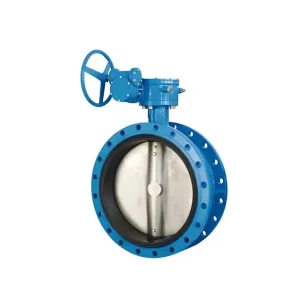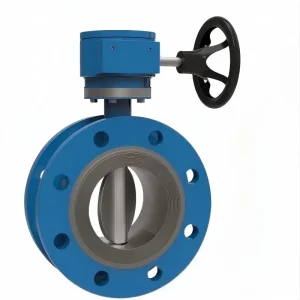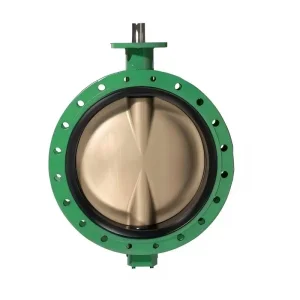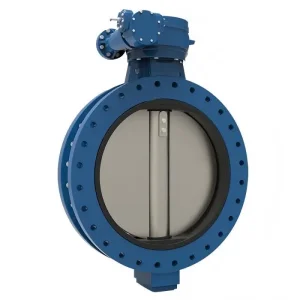
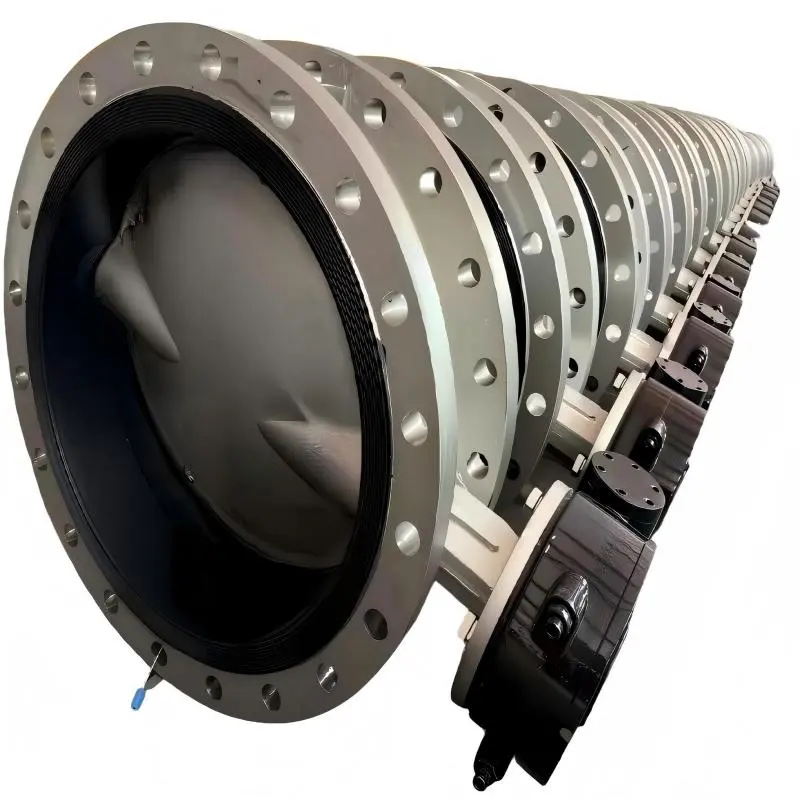
High-Quality Water Used Flanged Butterfly Valve - Durable & Efficient Manufacturer, Factories
Product Description
Product Performance Specification
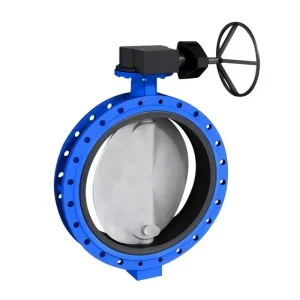
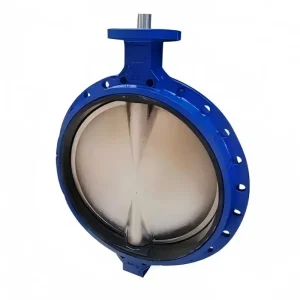
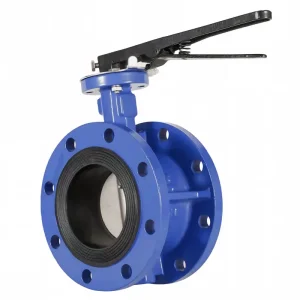
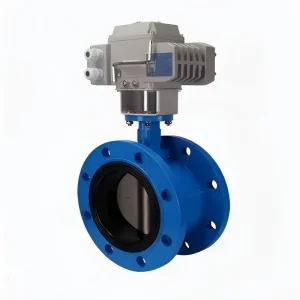
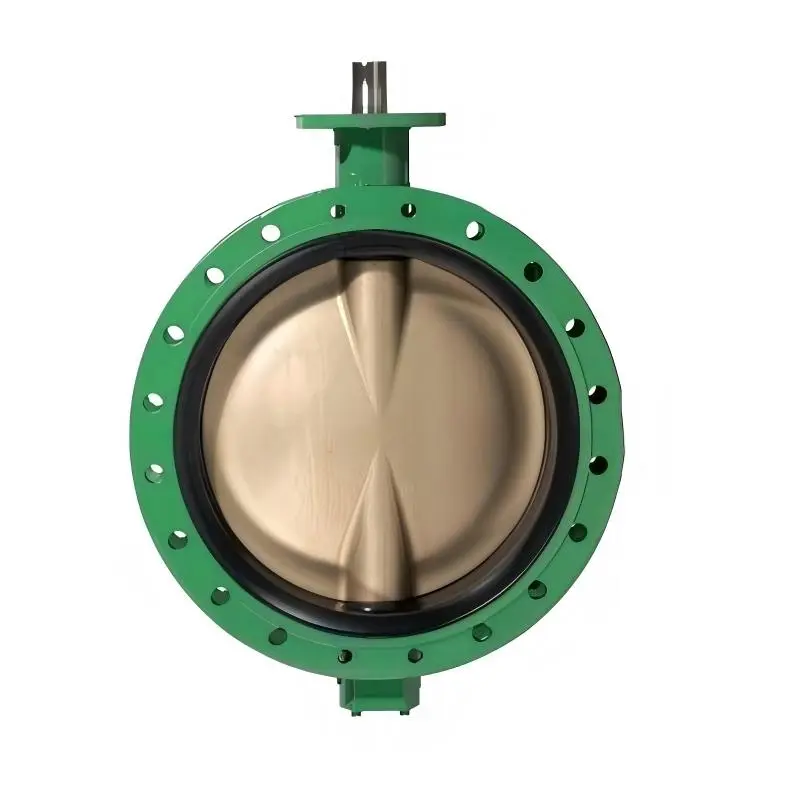
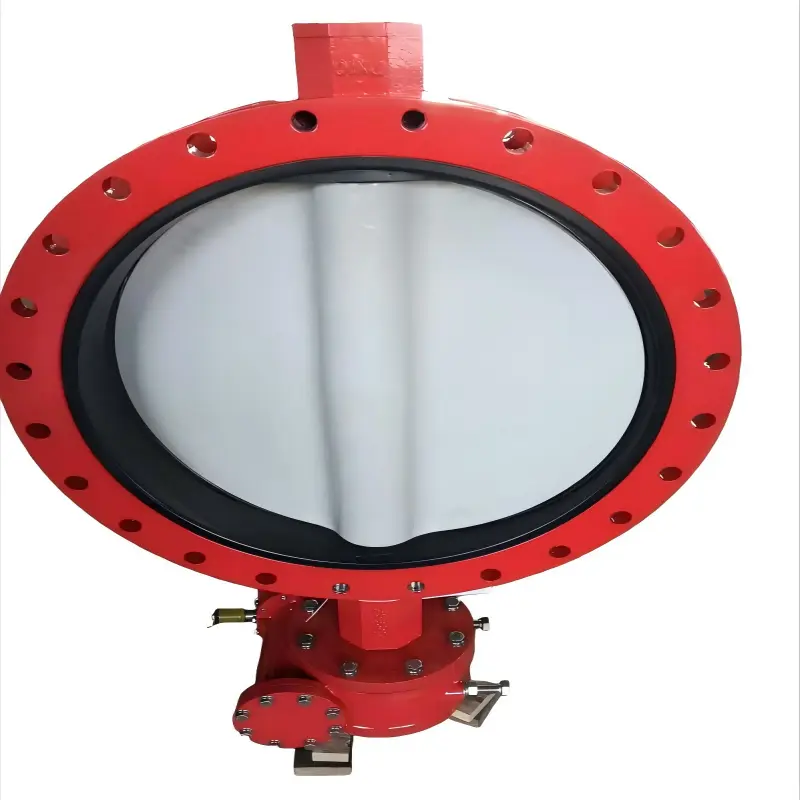
Flange butterfly valves have carved out a significant niche in the industrial fluid control sector, owing to their distinctive advantages, favorable market trends, and wide-ranging applications.
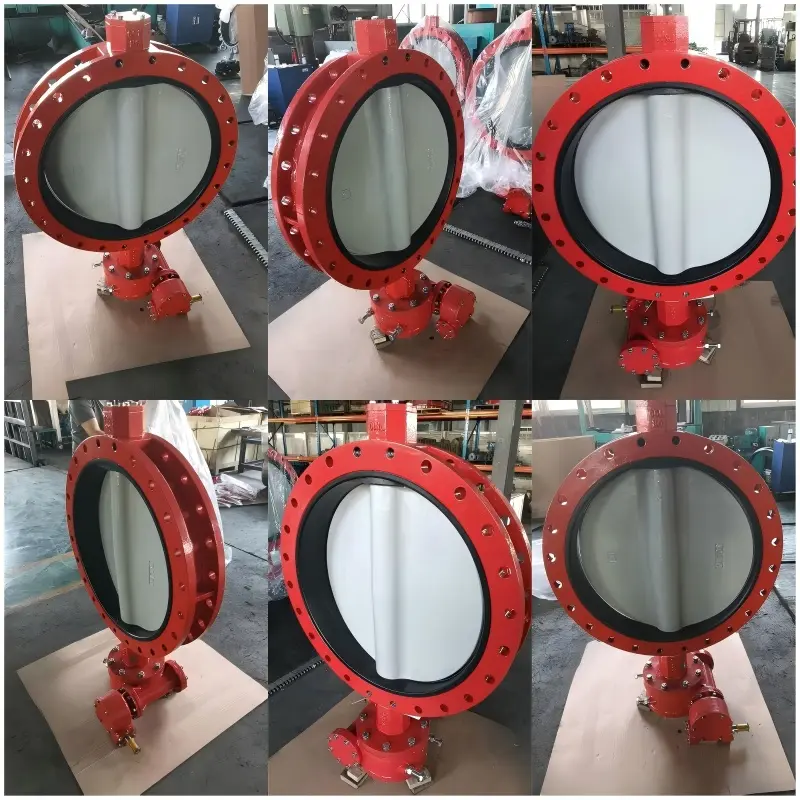
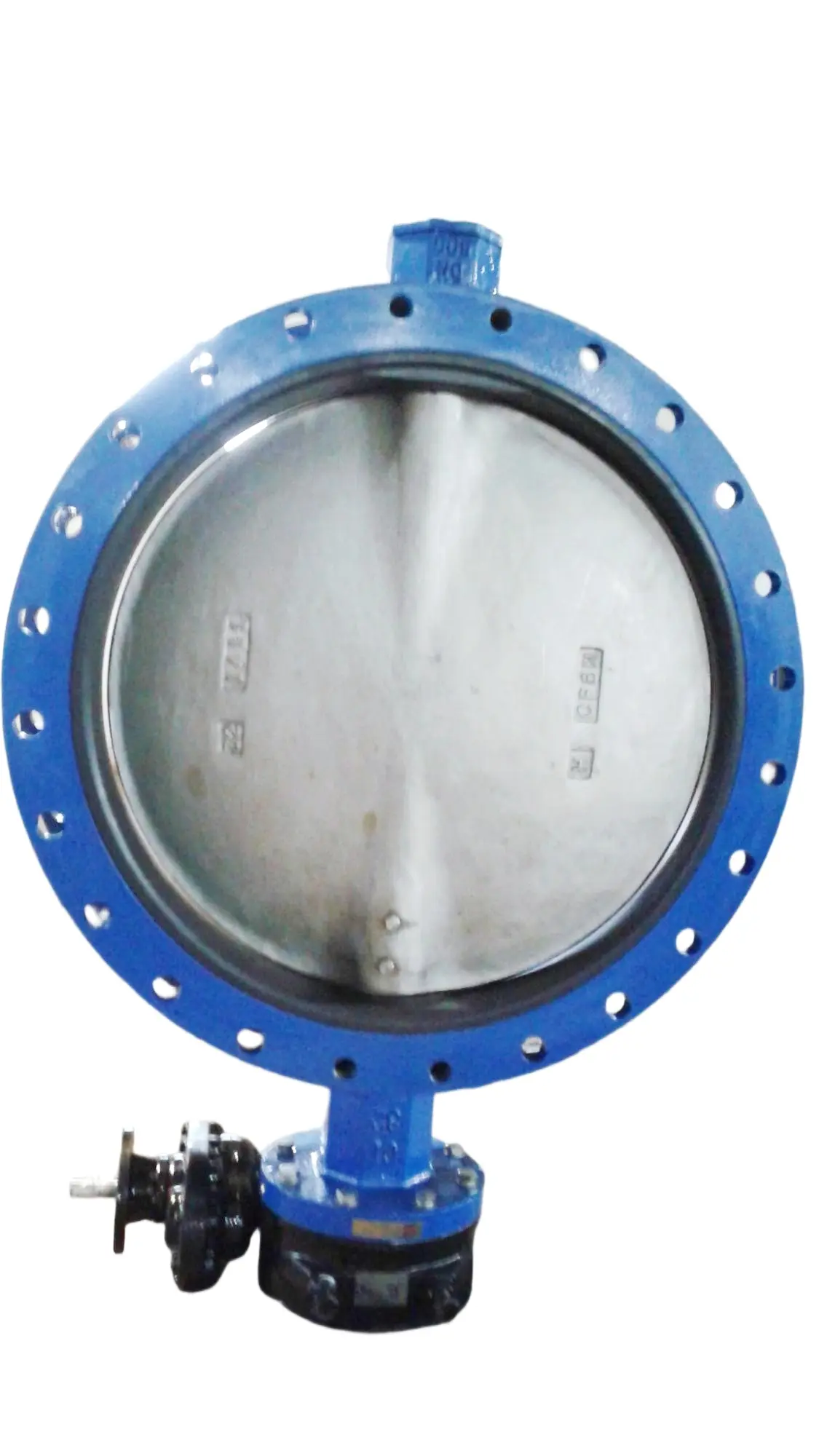
Advanced sealing technologies and high-grade materials ensure exceptional sealing performance, effectively minimizing leakage risks even when handling corrosive, toxic, or high-value fluids.
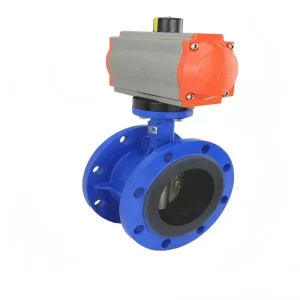
The simple yet intelligent structure requires minimal torque for opening and closing, enabling seamless control via manual, electric, or pneumatic actuators within any automation system.
Their ultra-compact profile saves valuable installation space, making them an ideal choice for both tight pipe galleries and engineering setups with limited physical room.
Relatively affordable to manufacture and maintain. Straightforward construction reduces initial procurement cost, manufacturing complexity, and recurring downtime for part replacements.
In the market, the demand for flange butterfly valves continues to rise steadily. The growth of industries such as petrochemicals, water treatment, and power generation drives the market expansion. Technological advancements, including the development of more durable materials and intelligent control features, further fuel market growth. Meanwhile, increasing environmental regulations and the emphasis on sustainable development prompt industries to seek more efficient and reliable fluid control solutions, enhancing the competitiveness of flange butterfly valves.
Regarding applications, flange butterfly valves are indispensable across numerous industries. In water supply and sewage treatment plants, they regulate water flow, ensuring the smooth distribution of clean water and the effective treatment of wastewater. In the petrochemical industry, they handle various chemicals, enabling precise control in complex chemical processes. Power plants rely on them to manage the flow of steam, cooling water, and other media, maintaining equipment stability. Additionally, in building HVAC systems, these valves optimize the flow of air and water, improving energy efficiency and indoor comfort. Overall, flange butterfly valves play a crucial role in modern industrial and building fluid control systems.
Main Component Materials
| Component Name | Materials |
|---|---|
| Valve body | Ductile iron lined with rubber, Stainless steel lined with rubber, Carbon steel lined with rubber, Copper lined with rubber, Ductile iron lined with PTFE, Stainless steel lined with PTFE, Carbon steel lined with PTFE, Copper lined with PTFE, etc. |
| Shaft sleeve | Lubricating bronze, PTFE |
| Valve shaft | Stainless steel, Carbon steel electroplating, Alloy steel 17-4, 420 steel, 416 steel |
| Valve plate | Galvanized ductile iron plate, Nylon coated ductile iron plate, Ductile iron lined PTFE plate, Stainless steel plate, Dual phase steel plate, Carbon steel plate, Copper plate |
| Pin | Stainless steel, Monel alloy, Hastelloy alloy, etc. |
| O ring | FPM, NBR |
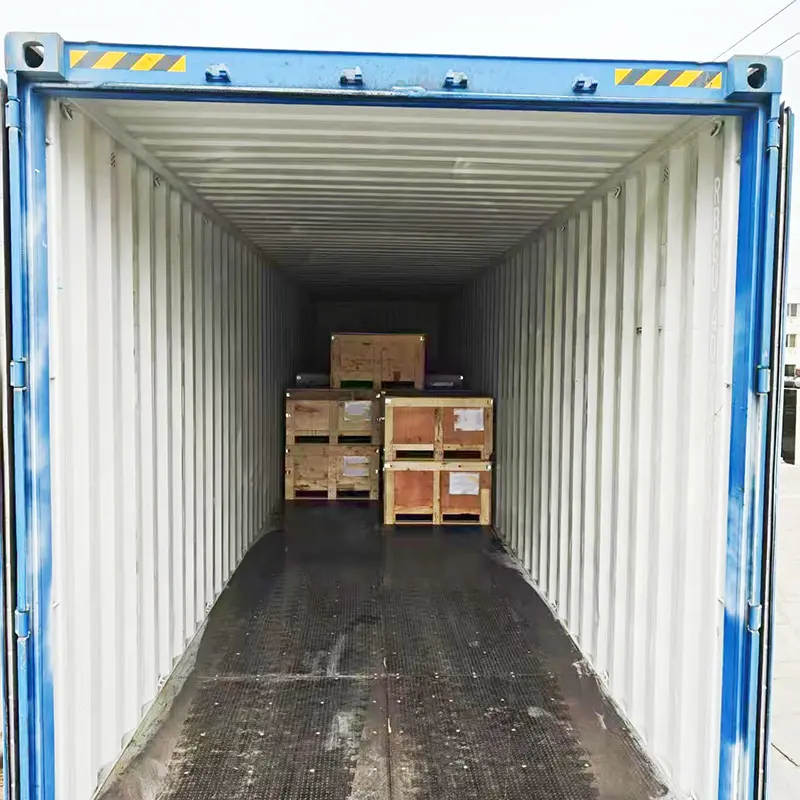
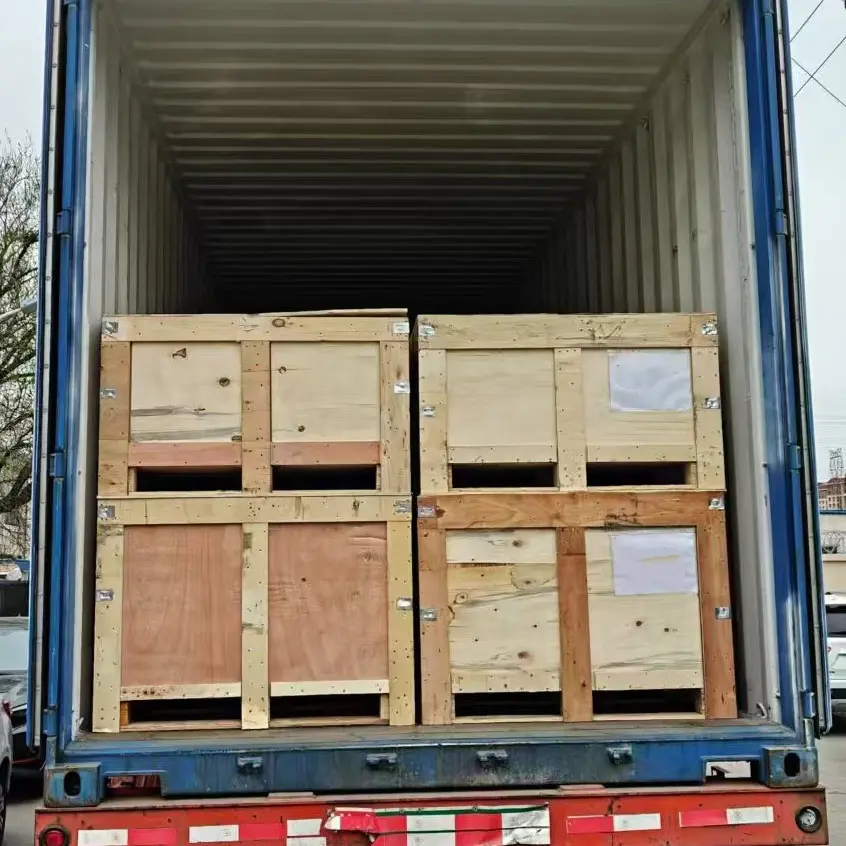
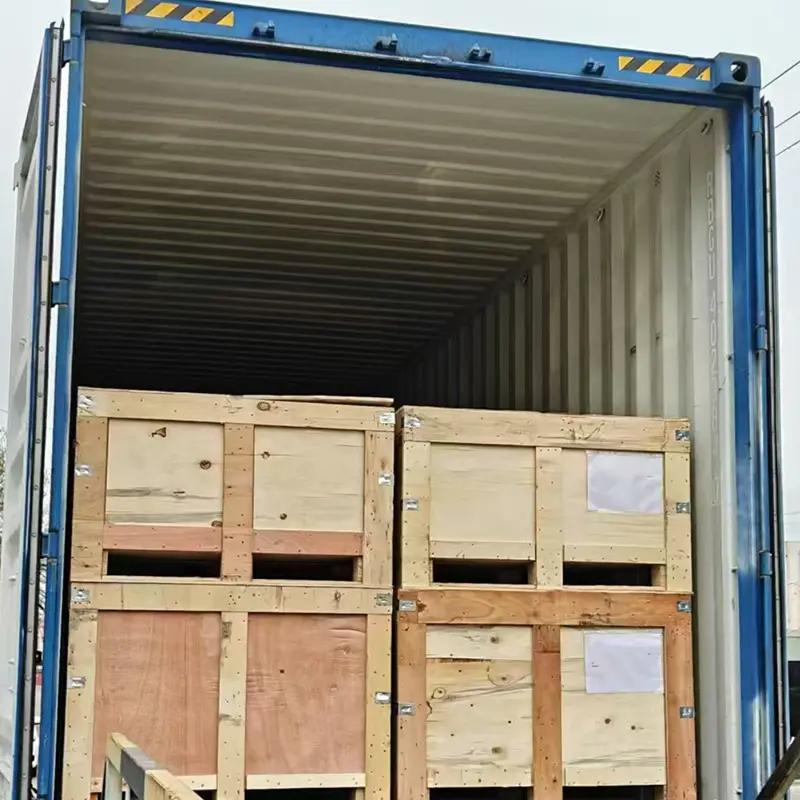
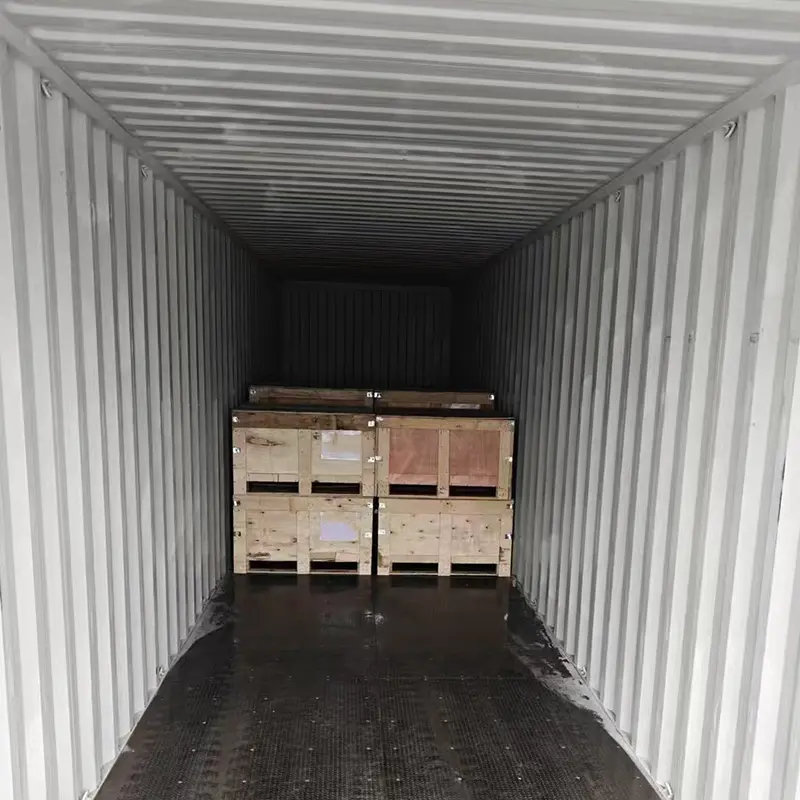
Packaging & Delivery
Frequently Asked Questions (FAQ)
These valves utilize advanced PTFE or rubber linings across the valve body and disc, alongside corrosion-resistant alloys (such as stainless steel, Hastelloy, and Monel), isolating reactive chemicals from internal metallic surfaces to prevent leakage and erosion.
Thanks to their low-torque operational mechanism, flange butterfly valves can be readily configured with manual levers, worm gearboxes, electric actuators, or pneumatic actuation systems for integrated plant automation.
Flange butterfly valves are standard equipment in municipal water distribution, sewage treatment, petrochemical production, power plant circulation/cooling lines, and large-scale commercial HVAC systems.
The narrow face-to-face dimensions conserve physical space and reduce overall structural pipe weight. Additionally, their streamlined design eliminates complicated wear parts, lowering initial purchasing costs and simplifying scheduled maintenance.
Common sealing options include PTFE for aggressive chemical resistance, as well as NBR and FPM (Viton) O-rings to accommodate varying operational temperature ranges and hydrocarbon/chemical media requirements.
All units undergo protective wrapping, flange face capping, and solid exterior crate/pallet packaging designed to prevent moisture contact, impact shocks, and surface damage throughout maritime or air freight shipment.