Wholesale High-Quality U Section Butterfly Valve for Reliable Flow Control Suppliers, Manufacturer
Product Description
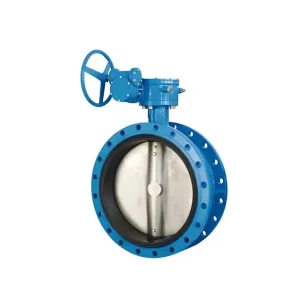
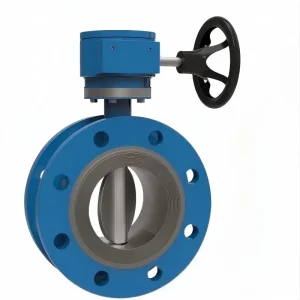
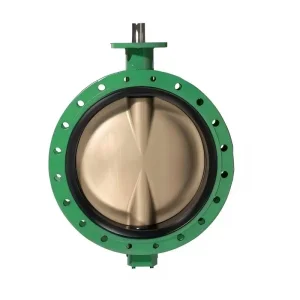
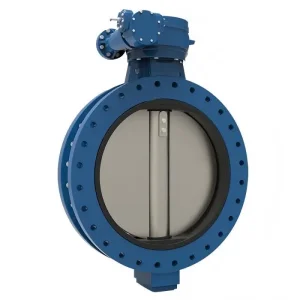
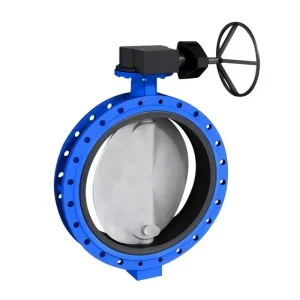
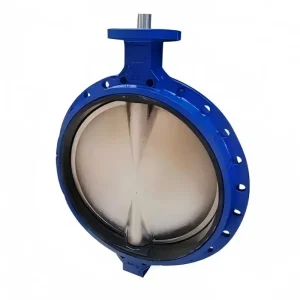
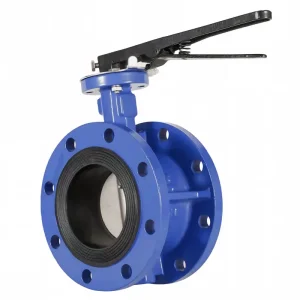
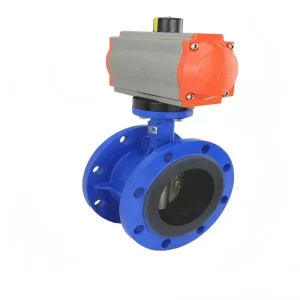
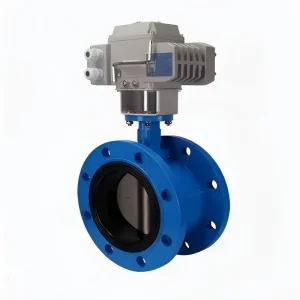
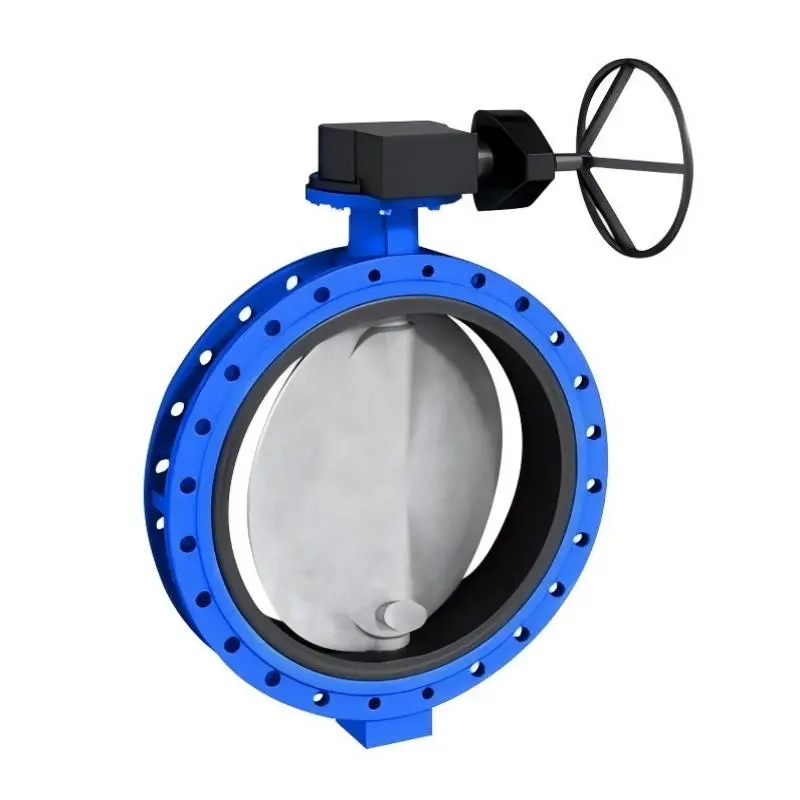
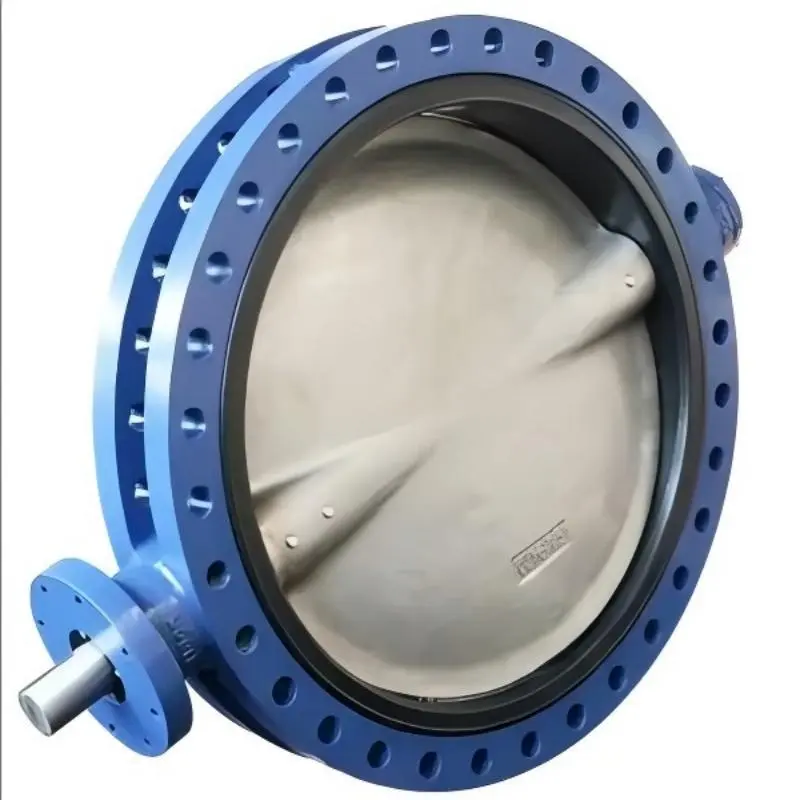
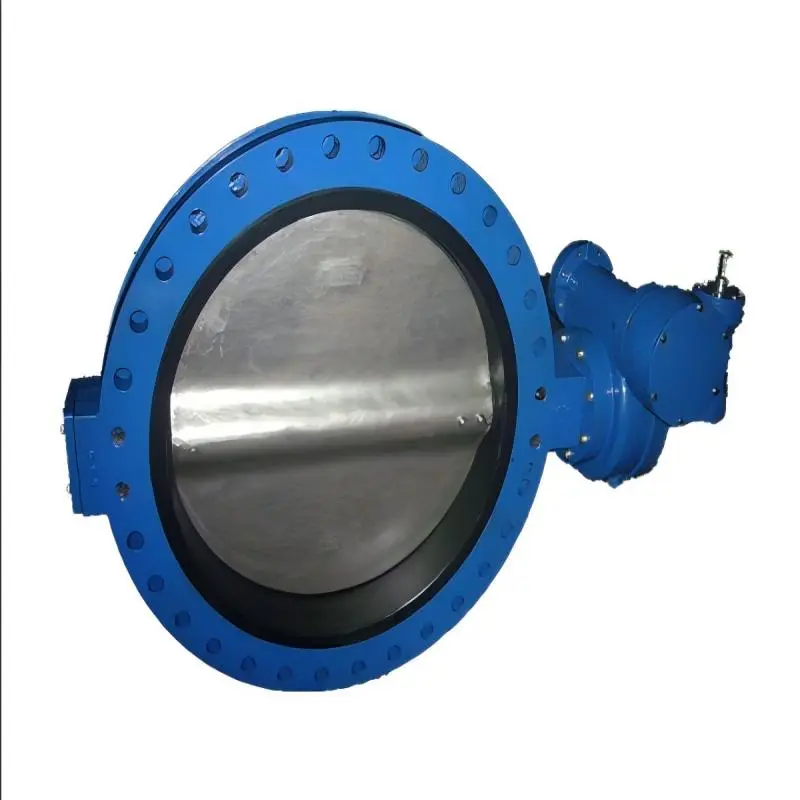
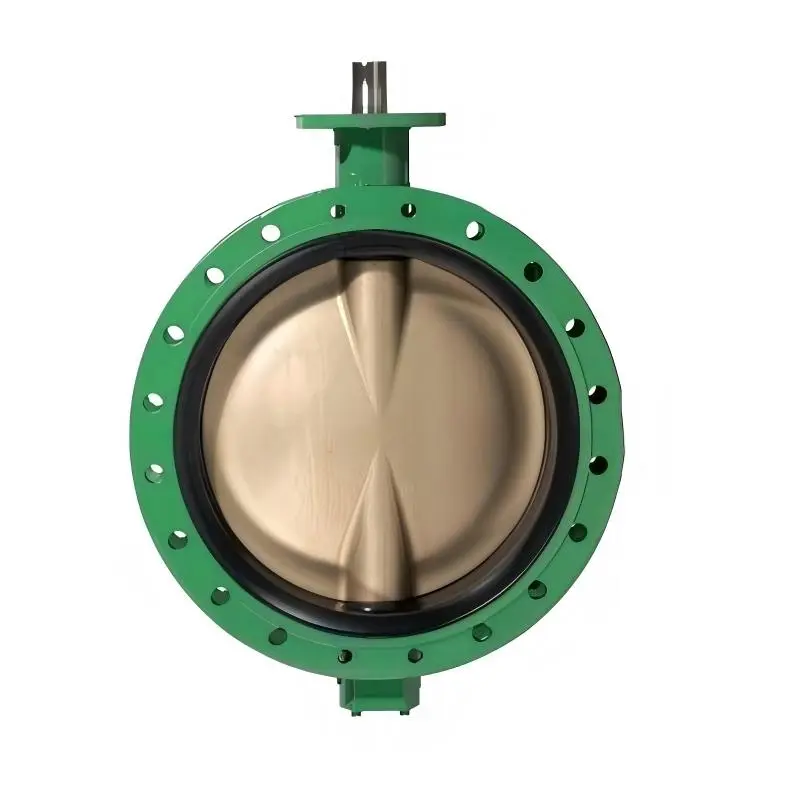
The U-section flange butterfly valve is a high-performance control valve characterized by its unique U-shaped disc cross-section, which endows it with distinctive advantages in fluid control. Firstly, it boasts excellent sealing performance. The U-section disc, when closed, forms a tight linear contact with the valve seat, achieving bubble-tight sealing that effectively prevents medium leakage, even for corrosive, viscous or particle-containing fluids.
Secondly, it offers precise flow control. The U-shaped structure enables a nearly linear flow characteristic curve, allowing accurate regulation of flow rates across a wide range, making it suitable for occasions requiring strict flow control.
In addition, this type of valve exhibits strong wear resistance and durability. The U-section design distributes the medium's impact force evenly, reducing local wear on the disc and seat, thus extending the service life, especially in harsh working conditions with abrasive media. It also features low flow resistance; the streamlined U-shaped disc minimizes pressure loss when the valve is fully open, improving the efficiency of the entire fluid system. Furthermore, the flange connection ensures easy installation and maintenance, facilitating quick assembly and disassembly in pipeline systems, which reduces downtime and maintenance costs.
Flanged butterfly valves are widely utilized across industrial and municipal sectors for their versatile, reliable flow control. In municipal water treatment, they regulate clean water, sewage, and reclaimed water flow, with corrosion-resistant materials adapting to harsh wastewater conditions. In oil & gas and chemical industries, they handle crude oil, natural gas, and corrosive fluids, ensuring leak-tight sealing under medium pressure. HVAC systems rely on them for heating/cooling water circulation, while power plants use them in boiler feedwater and condensate lines. Marine and shipbuilding applications benefit from their compact design for ballast and bilge systems. Compliant with global standards, they meet diverse flow, pressure, and media demands, proving indispensable for on-off/throttling tasks in infrastructure and industrial operations.
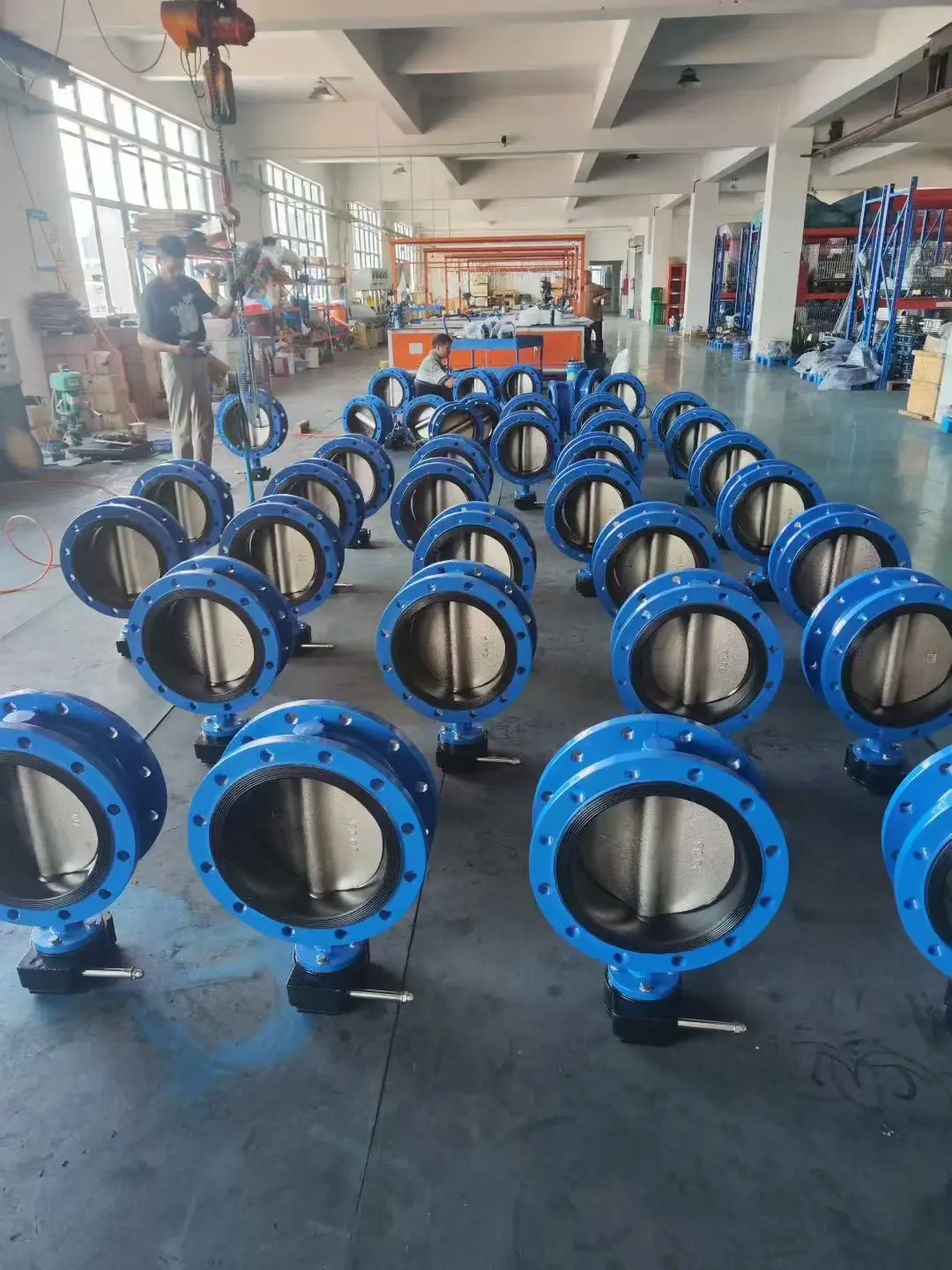
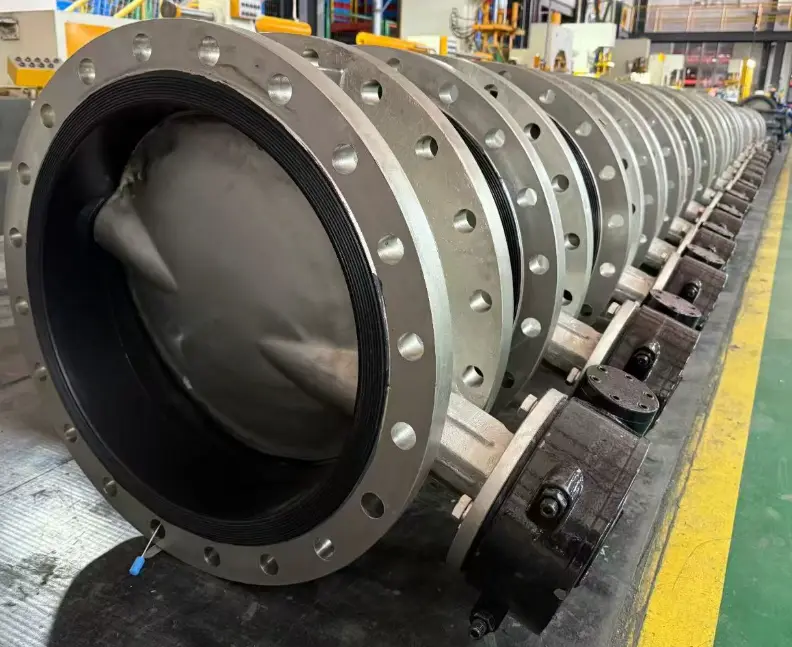
In the market, the demand for flange butterfly valves continues to rise steadily. The growth of industries such as petrochemicals, water treatment, and power generation drives the market expansion. Technological advancements, including the development of more durable materials and intelligent control features, further fuel market growth. Meanwhile, increasing environmental regulations and the emphasis on sustainable development prompt industries to seek more efficient and reliable fluid control solutions, enhancing the competitiveness of flange butterfly valves.
In addition to the aforementioned advantages, the U-section flange butterfly valve possesses excellent pressure resistance characteristics, which are closely associated with its structural design and material selection. The U-shaped cross-section of the disc itself exhibits strong structural rigidity: when subjected to high-pressure fluid, the curved profile of the U-section can evenly distribute the pressure load across the entire disc surface, avoiding local deformation that may occur in flat or irregularly shaped discs. This structural advantage enables the valve to maintain stable performance even under high working pressure conditions, typically ranging from medium to high pressure classes (such as ANSI Class 150 to Class 600, depending on the specific model and material).
Furthermore, the integration of the U-section disc with the valve shaft and flange connection enhances the overall pressure-bearing capacity of the valve. The flange connection, designed in accordance with international standards (e.g., ANSI, DIN, JIS), ensures a tight and robust joint with the pipeline, preventing pressure-induced leakage at the connection interface. High-strength materials (such as carbon steel, stainless steel, or alloy steel) are commonly used for the valve body and disc, further reinforcing the valve's ability to withstand high pressure and harsh operating environments.
Another key aspect of its pressure resistance is the stable sealing performance under varying pressure conditions. Unlike some valves whose sealing effectiveness deteriorates as pressure increases, the U-section butterfly valve's linear contact sealing structure maintains consistent contact pressure with the valve seat even under high-pressure loads. This not only prevents internal leakage but also avoids damage to the sealing pair caused by pressure fluctuations. Additionally, the valve's pressure resistance is complemented by strong wear resistance and durability: the U-section design distributes the medium's impact force (amplified under high pressure) evenly, reducing local wear on the disc and seat, thus extending the service life in high-pressure, abrasive media applications. It also features low flow resistance; the streamlined U-shaped disc minimizes pressure loss when the valve is fully open, ensuring efficient operation of the entire fluid system even under high-pressure working conditions.
| Component name | Materials |
| Valve body | Ductile iron lined with rubber, Stainless steel lined with rubber, Carbon steel lined with rubber, copper lined with rubber, ductile iron lined with PTFE, stainless steel lined with PTFE, carbon steel lined with PTFE, copper lined with PTFE, etc |
| Shaft sleeve | Lubricating bronze, PTFE |
| Valve shaft | Stainless steel, carbon steel electroplating, alloy steel 17-4, 420 steel, 416 steel |
| Valve plate | Galvanized ductile iron plate, nylon coated ductile iron plate, Ductile iron lined PTFE plate, stainless steel plate, Dual phase steel plate, carbon steel plate, copper plate |
| Pin | Stainless steel, Monel alloy, Hastelloy alloy, etc |
| O ring | FPM, NBR |