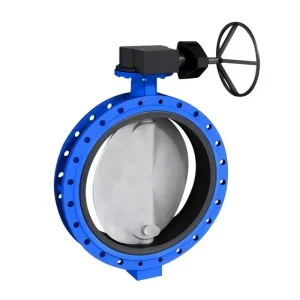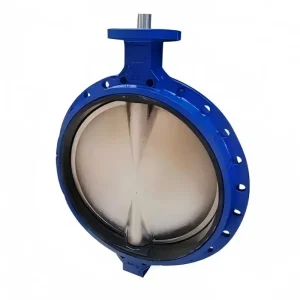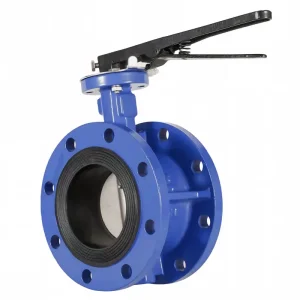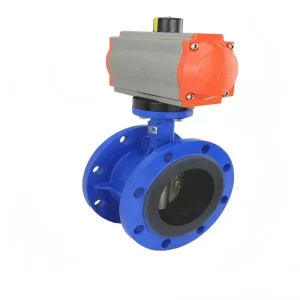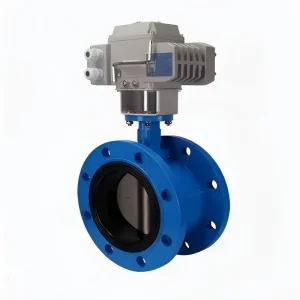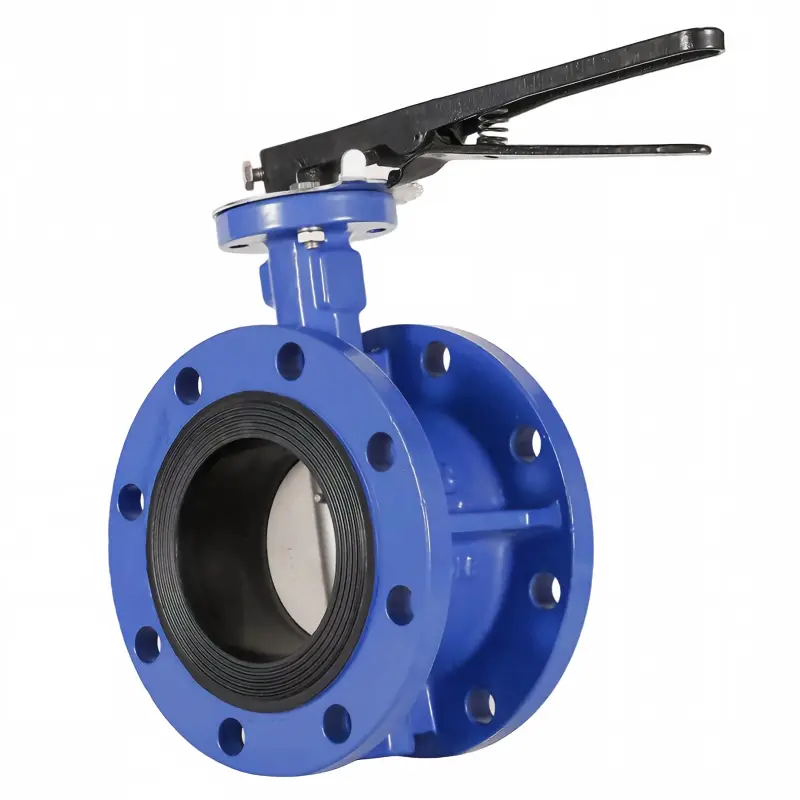
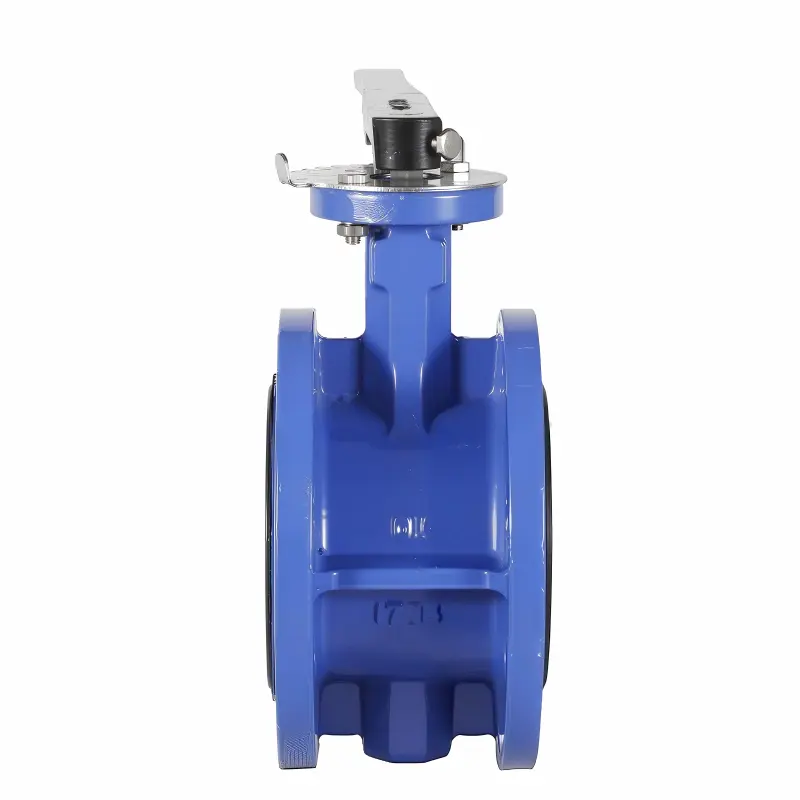
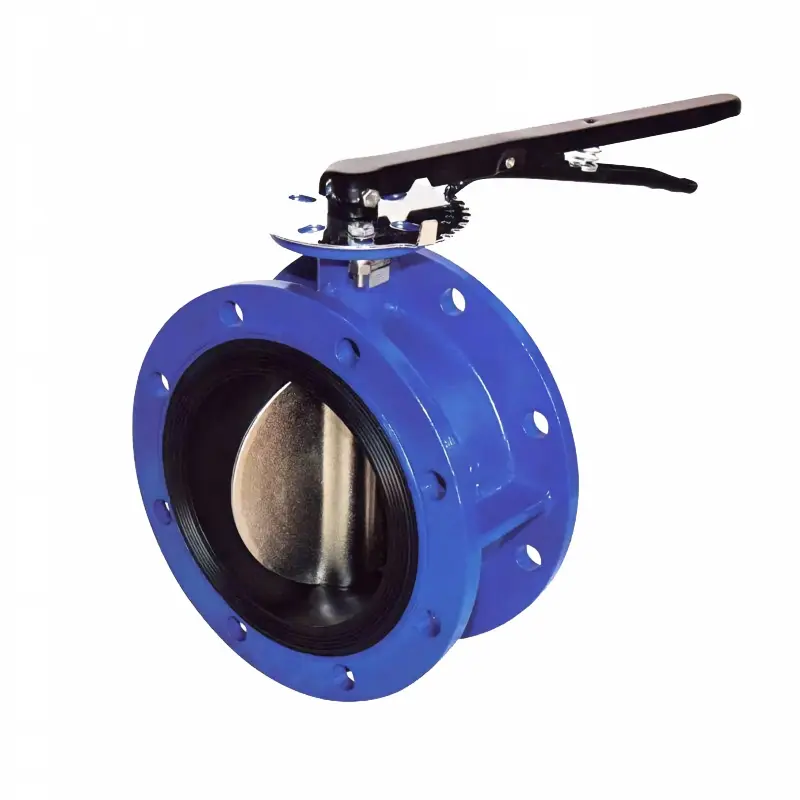
CE Certification Flanged Butterfly Valve with Lever Actuator - Durable & Reliable Manufacturers, Factory

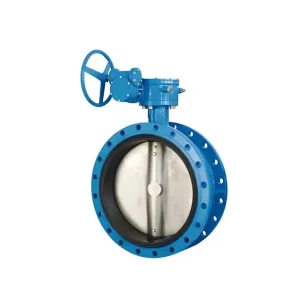
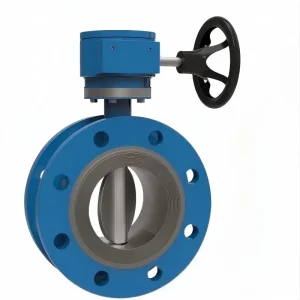
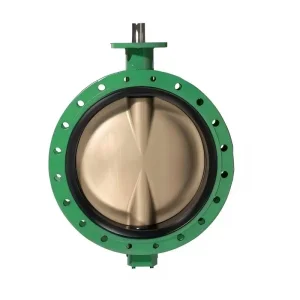
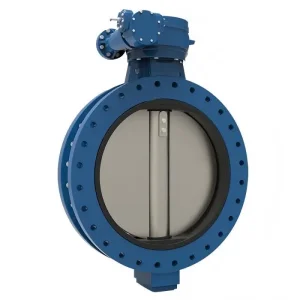
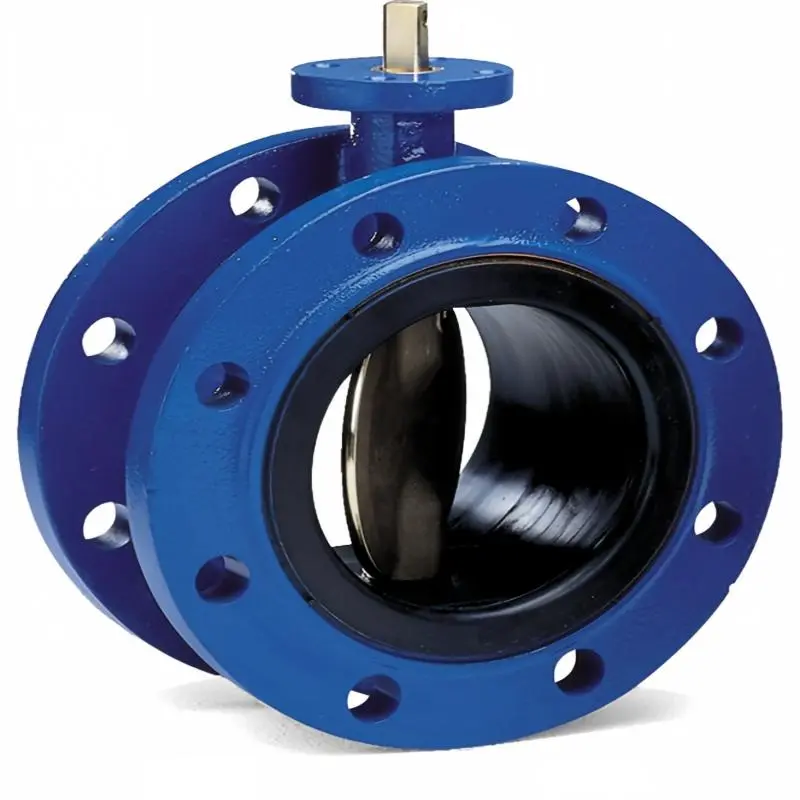
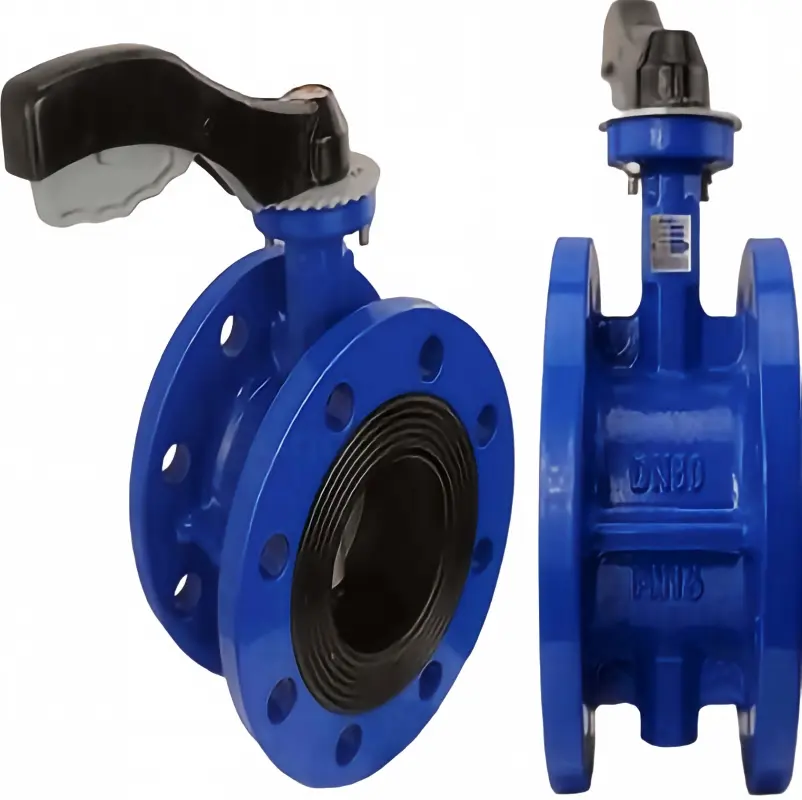
The Double Flanged Butterfly Valve is designed for rigidity, durability and have long life in severe working conditions. Unlike wafer and lug-bodied valves, the Centric double flanged ball valve has flanges on both ends of the body and this valve can be flanged directly between pipeline flanges. This design construction allows for greater rigidity, accuracy in alignment, resistance to pipeline stresses including thrust loading and vibration, and is recommended for larger diameter / higher pressure sizes.
Utilized in water treatment plants, power plants, and municipal pumping stations, the Double Flanged Butterfly Valve performs well in applications with water, waste, air and neutral gases. Often made from Ductile Iron to standards such as ASTM A536, it is known for high tensile strength and great impact resistance. Stainless steel versions are also popular for corrosive and sanitary applications.
One of the main advantages of this valve is easy installation and easy servicing. The double-flanged design makes assembling and disassembling easier, and also enables the valve to stay intact while parts of the pipeline are taken off. Many styles also have pinless disc-to-stem connection which enhances the flow characteristics of the valve, limits crevice corrosion, and increases sanitary conditions – this is relevant for water as well as food applications. Featuring bubble tight shutoff potential, ability to operate in bi-directional flow, as well as with gear operators or actuators, the Double Flanged Butterfly Valve is the epitome of operational reliability in applications where the integrity of operation cannot be questioned. It remains an engineer favourite for a rugged, low maintenance solution to the most critical plant. 

Product Description

Product Performance Specification

Compared with wafer or lug-type designs, the double flanged butterfly valve stands out for its structural integrity and operational reliability. Its core advantages include:

1. Superior Structural Stability

The dual-flange design distributes pipeline stress evenly, resisting thrust loads, bending moments, and vibration. This makes it ideal for large-diameter pipelines and long-distance transmission lines where pipe movement or settling is a concern.

2. Precise Alignment & Easy Installation

Both flanges are machined as part of the valve body, ensuring perfect alignment with pipeline flanges. This reduces assembly time and minimizes the risk of misalignment-related leaks—especially valuable in field installations.

3. Excellent Pressure Containment

Double flanged valves typically handle higher pressure ratings (e.g., PN10–PN40 / Class 150–300) than wafer or lug equivalents. They are well-suited for high-pressure water, steam, and industrial fluid systems.

4. Bi-Directional Sealing Capability

Most designs provide bubble-tight shutoff in both flow directions, eliminating the need to orient the valve according to flow direction—simplifying engineering and procurement.

5. Simplified Maintenance & Isolation

Because the valve is bolted independently on both sides, it can be isolated and serviced without dismantling adjacent piping. This is critical in continuous-process plants such as water treatment, power generation, and chemical processing.

6. Compatibility with Actuation

The robust flange mounting supports heavy gearboxes, electric actuators, and pneumatic/hydraulic actuators without compromising alignment or introducing torque stress on the pipe flanges.

7. Long Service Life in Demanding Media

When combined with ductile iron (ASTM A536), stainless steel trim, or lined/seated configurations, these valves deliver extended service life in abrasive slurries, corrosive chemicals, and potable water systems.

8. Regulatory Compliance

Widely accepted in AWWA, API, EN, and ISO standards, double flanged butterfly valves are frequently specified for municipal, industrial, and fire protection systems worldwide.
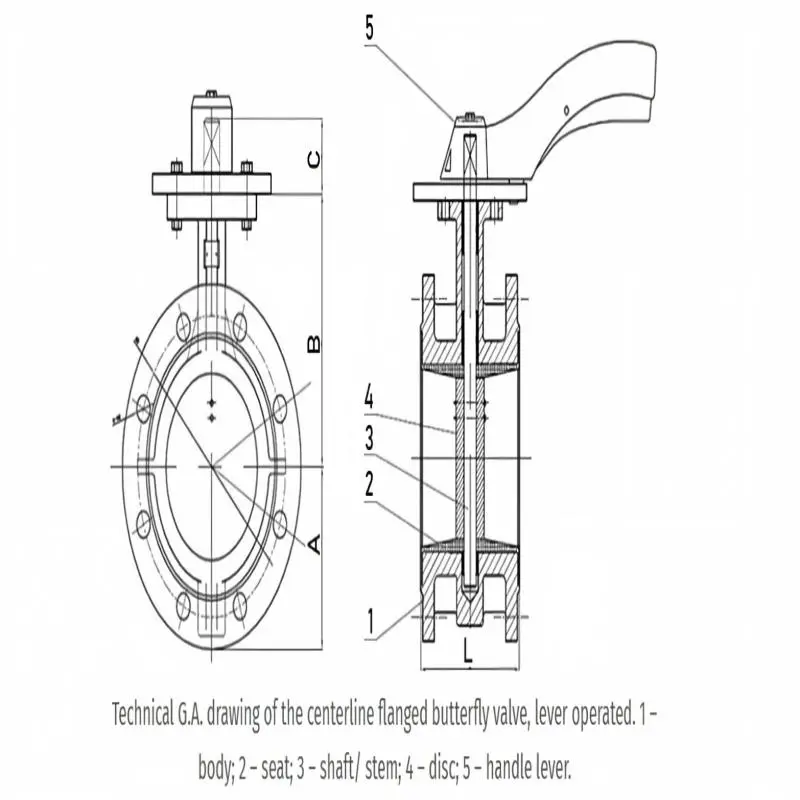
handle lever flanged butterfly valve

Main Component Materials

Component Name Materials
Valve body Ductile iron lined with rubber, Stainless steel lined with rubber, Carbon steel lined with rubber, copper lined with rubber, ductile iron lined with PTFE, stainless steel lined with PTFE, carbon steel lined with PTFE, copper lined with PTFE, etc.
Shaft sleeve Lubricating bronze, PTFE
Valve shaft Stainless steel, carbon steel electroplating, alloy steel 17-4, 420 steel, 416 steel
Valve plate Galvanized ductile iron plate, nylon coated ductile iron plate, Ductile iron lined PTFE plate, stainless steel plate, Dual phase steel plate, carbon steel plate, copper plate
Pin Stainless steel, Monel alloy, Hastelloy alloy, etc.
O ring FPM, NBR

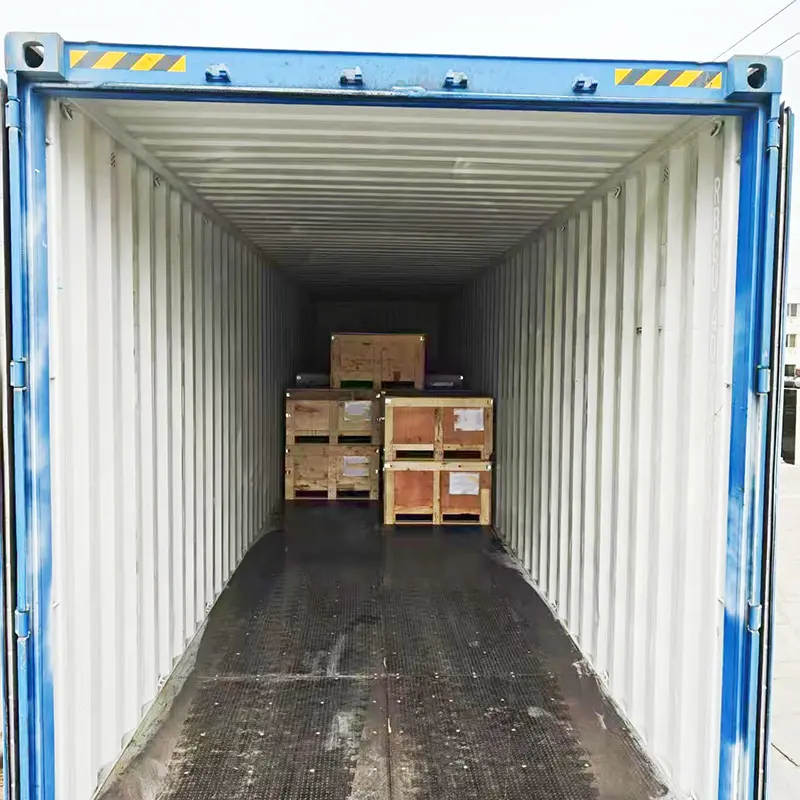
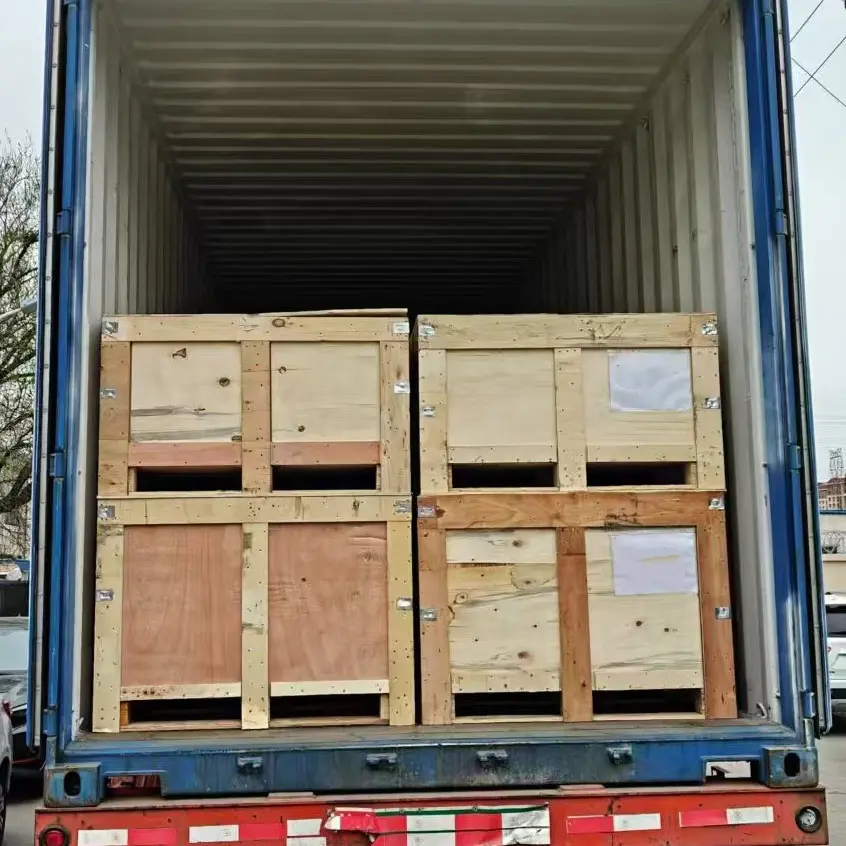
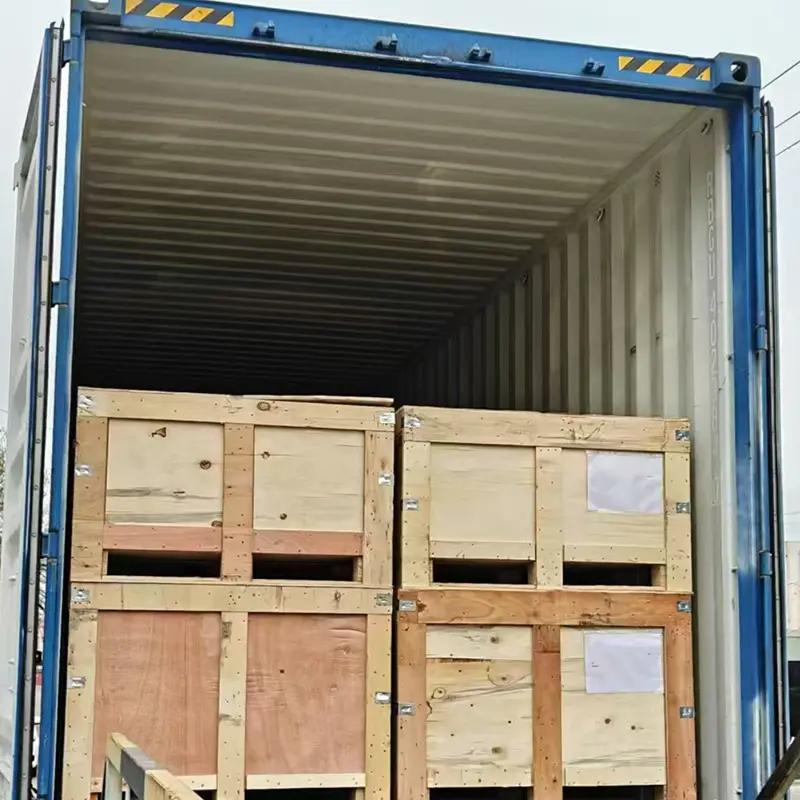
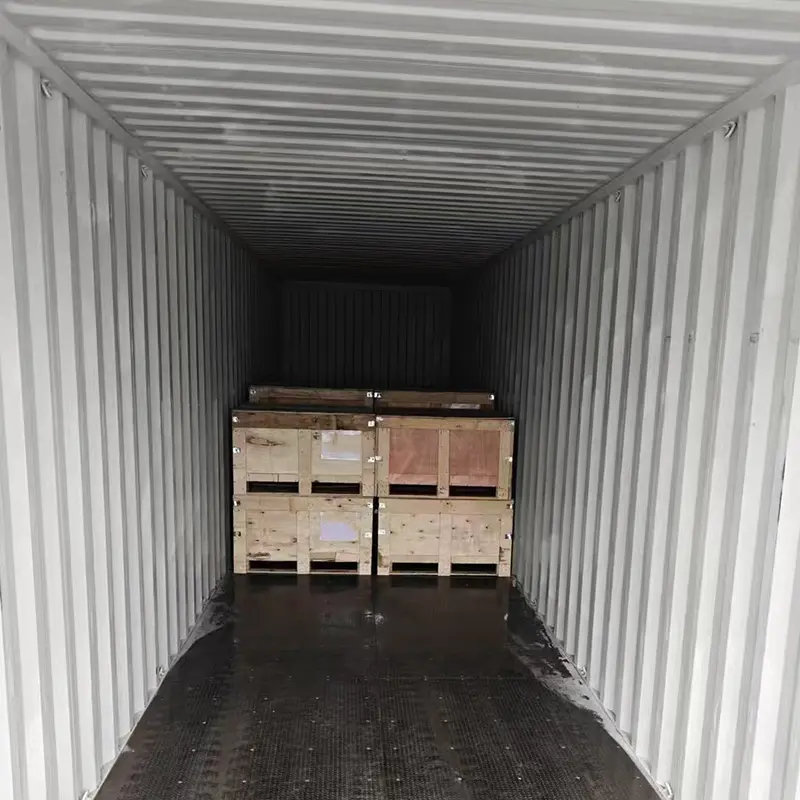
Packaging & Delivery

Frequently Asked Questions

Q1: What are the main advantages of double flanged butterfly valves over wafer or lug styles?
Double flanged valves feature flanges integrally cast or machined on both sides of the body, providing superior structural stability against bending moments and pipeline vibrations, while enabling independent bolting on either side.
Q2: Can these valves seal in both flow directions?
Yes, most double flanged butterfly valve designs provide bubble-tight bi-directional shutoff, which removes the need to align the valve with a specific flow direction and simplifies system engineering.
Q3: What standard pressure classes are these valves rated for?
They are built for robust pressure containment, typically handling operating pressures from PN10 to PN40 (Class 150 to Class 300), suitable for demanding water, steam, and industrial liquid lines.
Q4: How does the double flanged body design facilitate valve maintenance?
Because the valve is bolted independently to adjacent piping flanges on each side, the valve can be serviced or isolated without completely dismantling or disturbing the surrounding pipeline.
Q5: Which lining and body material configurations are available?
Body materials include ductile iron, stainless steel, carbon steel, and copper, with protective lining options such as rubber or PTFE. Disc and trim materials range from ductile iron and stainless steel to specialized alloys like Monel and Hastelloy.
Q6: What international manufacturing standards do double flanged valves satisfy?
These valves are fully compliant with worldwide design and performance standards, including AWWA, API, EN, and ISO specifications for industrial, municipal, and fire protection operations.

Related Products