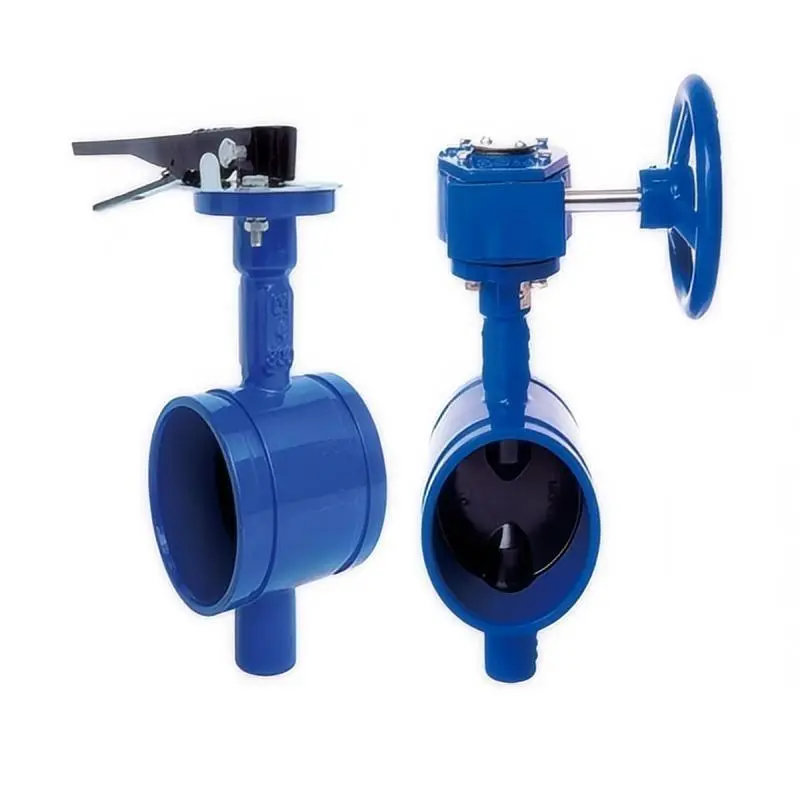
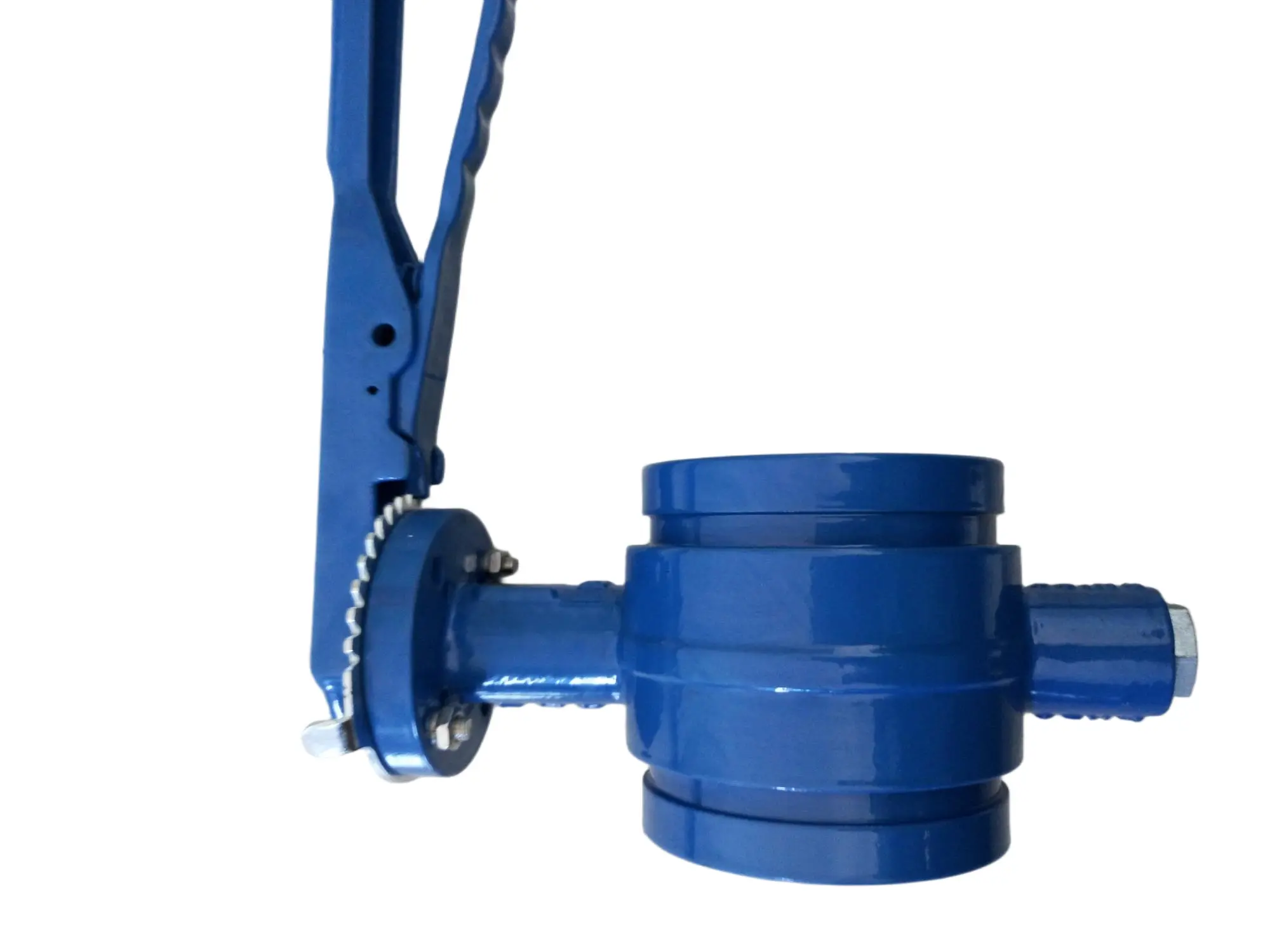
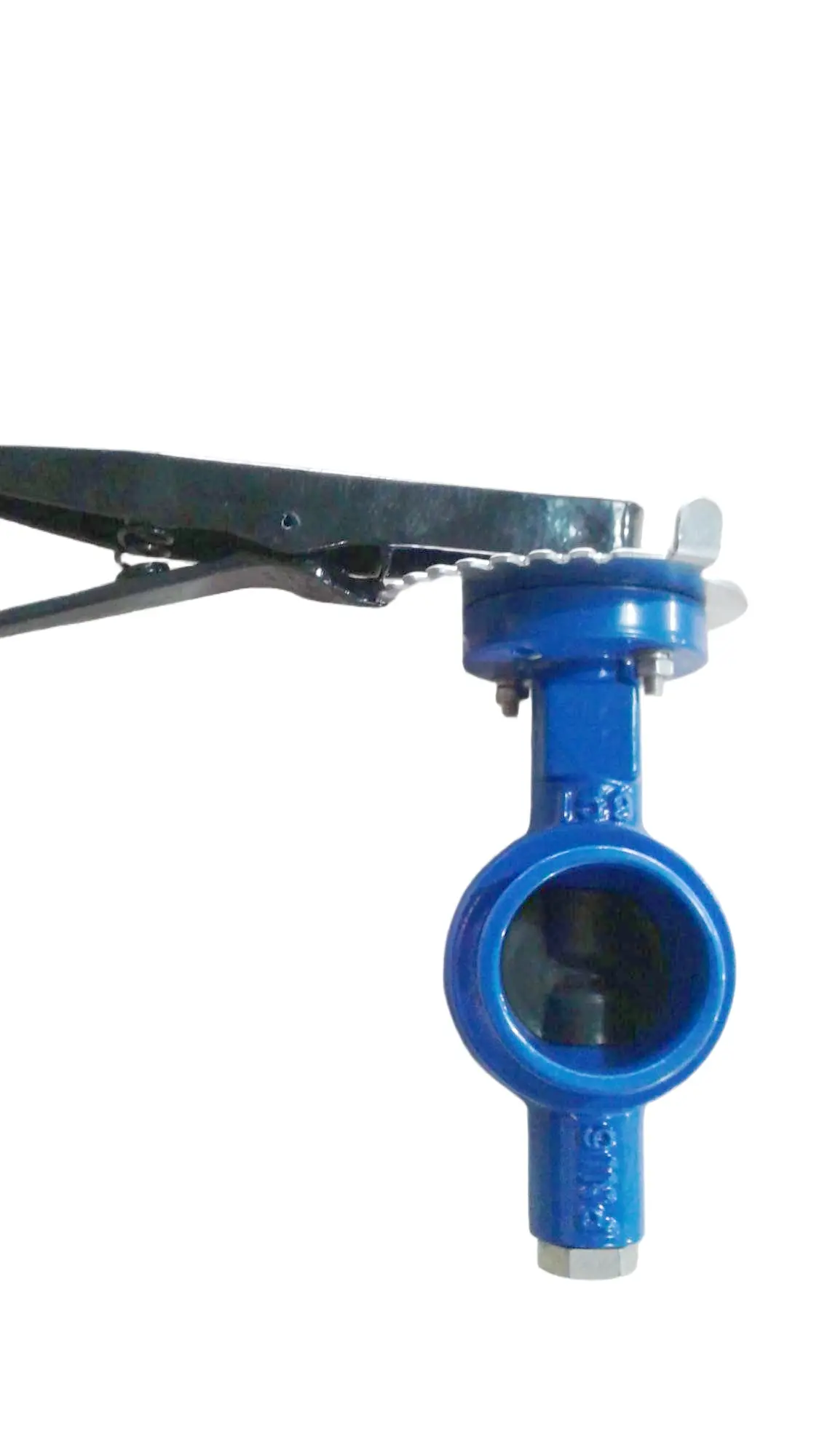
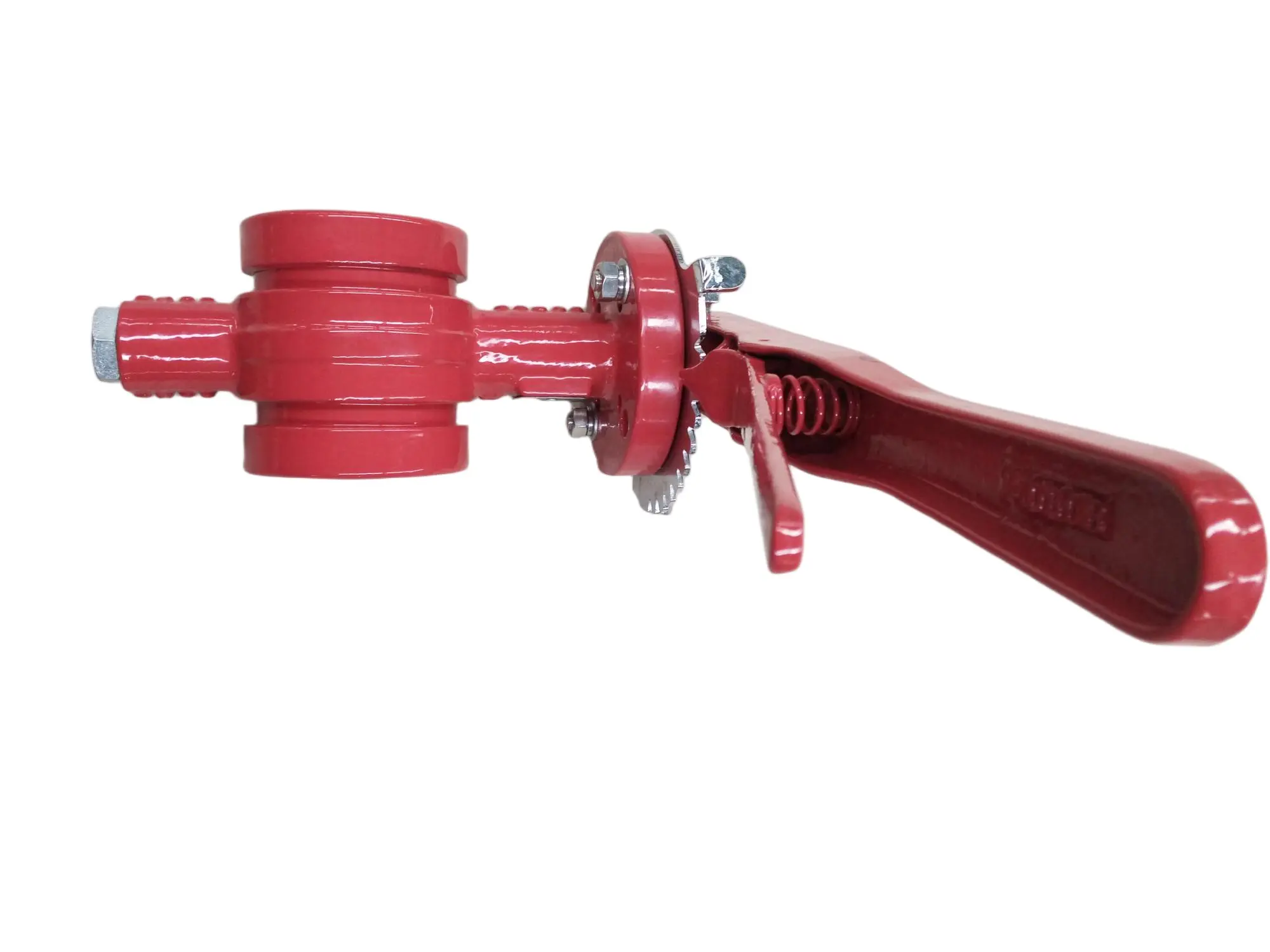
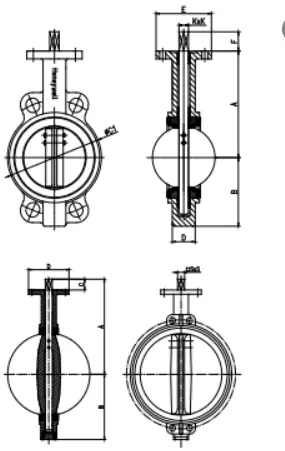
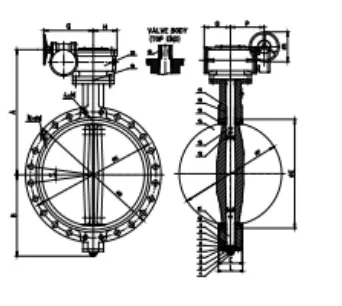
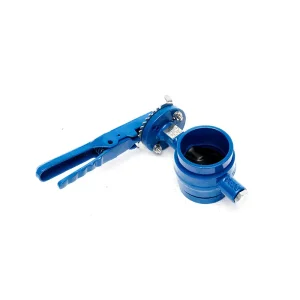
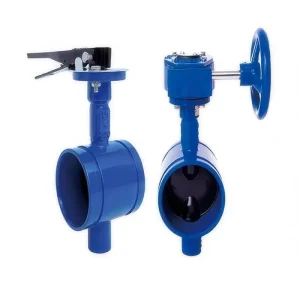
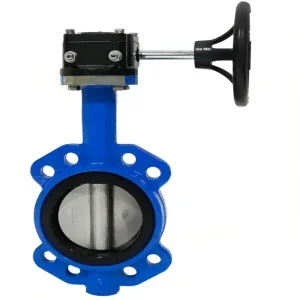
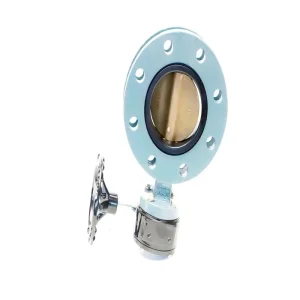
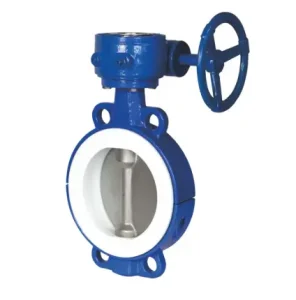
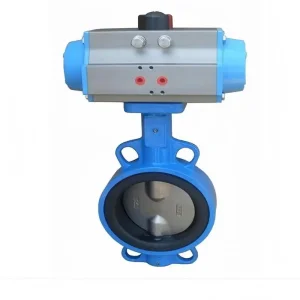
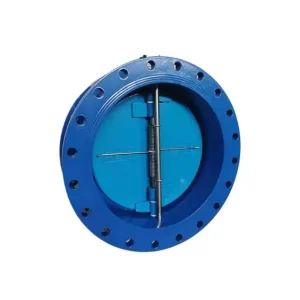
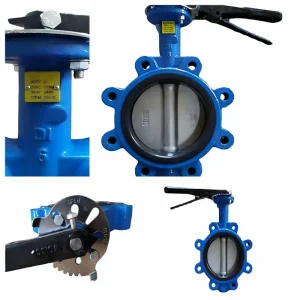
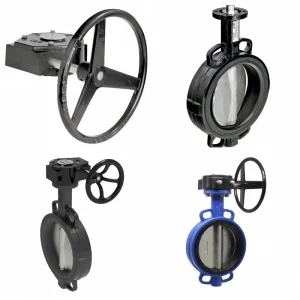
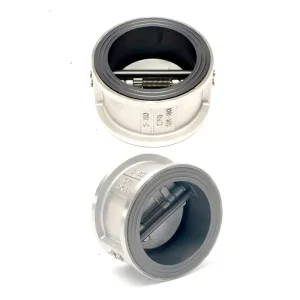
The grooved end butterfly valve is a high-performance fluid control component widely utilized in various industrial and municipal pipeline systems, renowned for its efficient installation, reliable sealing, and excellent flow control capabilities. Distinguished by its grooved end connections, this valve enables rapid assembly and disassembly without the need for welding or threading, significantly reducing installation time and labor costs—an essential advantage for emergency maintenance and large-scale pipeline construction projects. The valve’s core structure consists of a robust valve body, a precision-engineered disc (available in center-line or eccentric designs), and high-quality sealing seats made of rubber or metal. The center-line design ensures minimal flow resistance and smooth operation, while the eccentric design enhances sealing performance and extends service life by reducing friction between the disc and seat.
Equipped with a gear or lever actuator, the grooved end butterfly valve allows for quick and precise on-off control and flow regulation, making it suitable for media such as water, sewage, air, and light oils. It boasts a nominal pressure rating of up to 1.6MPa and covers a wide caliber range from DN50 to DN1200, adapting to diverse pipeline requirements. Its bidirectional sealing capability ensures leak-proof operation even under varying pressure conditions, providing stable performance in water supply and drainage systems, HVAC systems, fire protection networks, and industrial process pipelines. Additionally, the valve body is typically constructed from ductile iron, carbon steel, or stainless steel, offering excellent corrosion resistance and durability to withstand harsh working environments. Overall, the grooved end butterfly valve combines practicality, efficiency, and reliability, making it a preferred choice for modern pipeline fluid control applications.
What are the primary advantages of grooved end butterfly valves?
The grooved connection allows for fast installation, easy maintenance, and pipe vibration absorption without the need for welding or threading, significantly lowering labor costs and downtime.
What media types are suitable for this butterfly valve?
These valves are designed to efficiently handle media such as water, sewage, air, and light oils across municipal, industrial, and commercial pipeline systems.
What materials are typically available for the valve body?
The body is commonly constructed from ductile iron, carbon steel, or stainless steel to ensure robust structural integrity and corrosion resistance in varied environments.
What pressure ratings and size ranges are supported?
The valves feature nominal pressure ratings up to 1.6MPa (including PN10 and PN16 variants) and span a caliber coverage from DN50 to DN1200.
Does the valve provide bidirectional sealing?
Yes, the precision disc and seat assembly offer reliable bidirectional sealing to prevent backflow and leakage under varying system pressures.