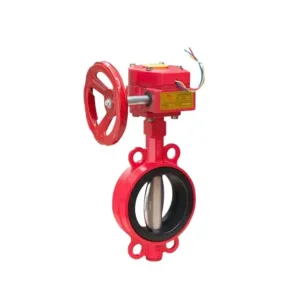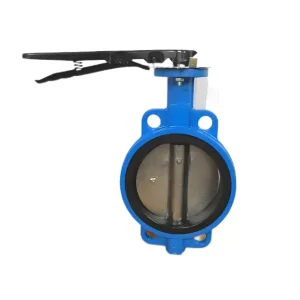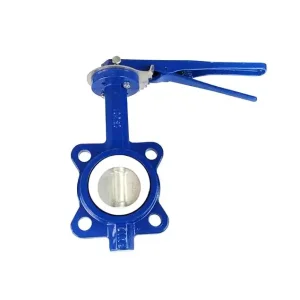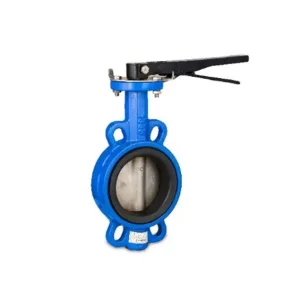
High-Quality Pneumatic Butterfly Valve - Efficient Flow Control Solution Suppliers, Factories
Product Description
Advanced Flow Control for Industrial Applications
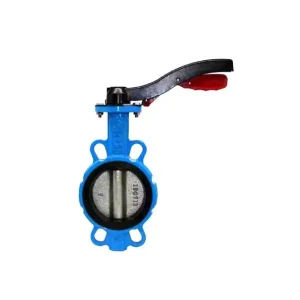
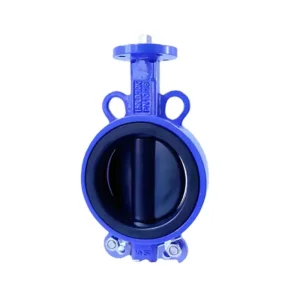
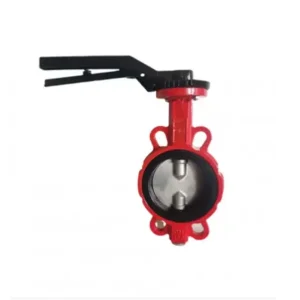
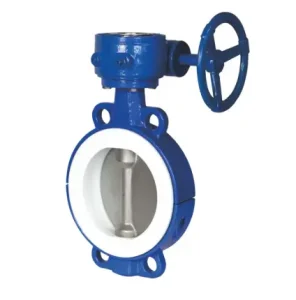
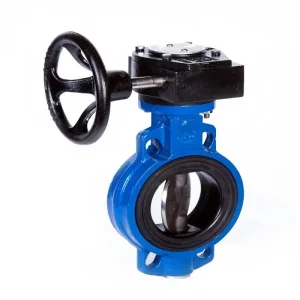
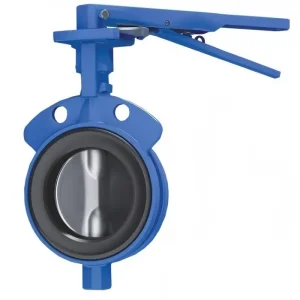
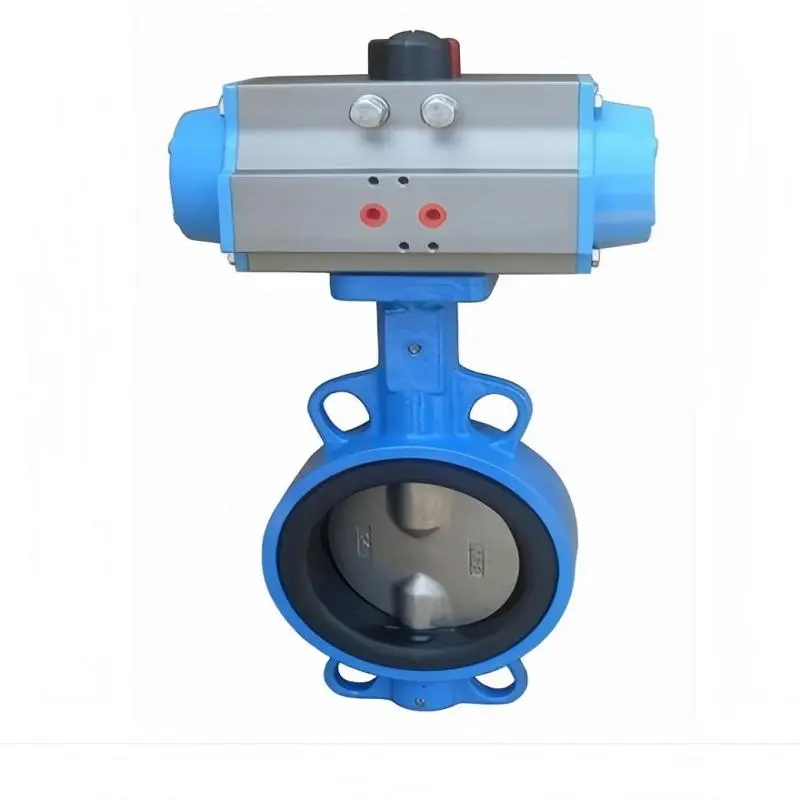
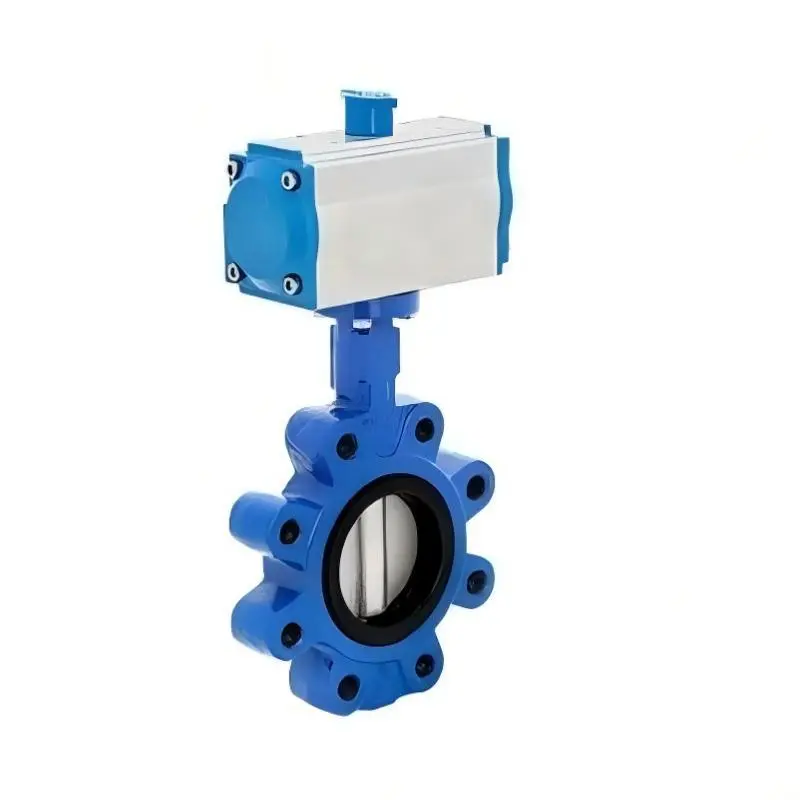
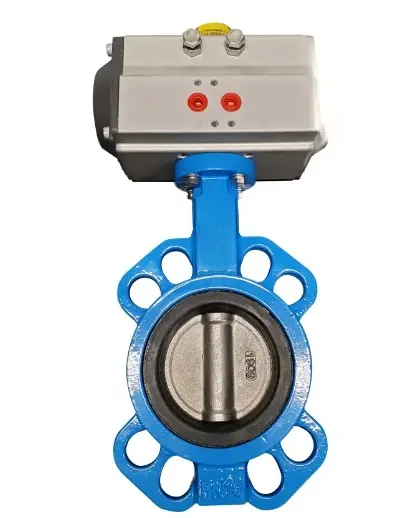
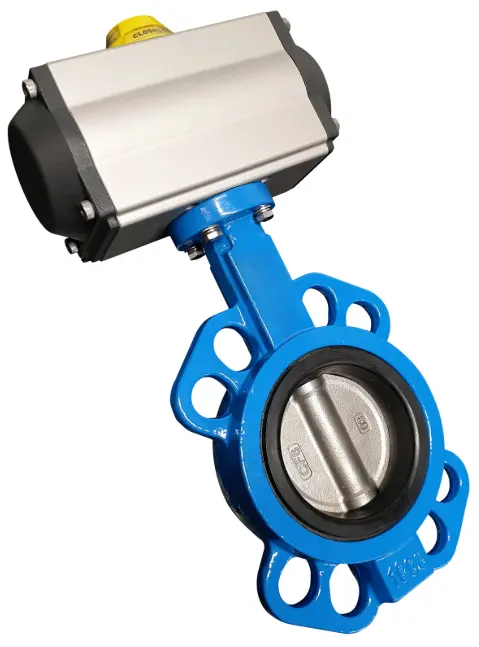
The pneumatic butterfly valve stands as a cornerstone of modern industrial flow control systems, renowned for its versatility, efficiency, and reliability across diverse media and operating conditions. Unlike traditional valves, it operates on a straightforward yet ingenious mechanism: a circular disc (the “butterfly”) mounted on a central shaft, which rotates 90 degrees to regulate, start, or stop the flow of liquids, gases, slurries, or semi-solid substances within pipelines. This design not only minimizes space requirements but also enables rapid actuation, making it an indispensable component in automated process lines where precision and speed are critical.
High-Speed Actuation & Automation
Powered by compressed air, the actuation system delivers quick response times (0.5 to 5 seconds for full stroke), outperforming manual or electric options. Available in double-acting or spring-return formats, integrated positioners and limit switches provide real-time status feedback for PLCs and industrial automation.
Robust Engineering & Sealing
Constructed from cast iron, ductile iron, carbon steel, or stainless steel (304/316). Discs feature stainless steel, bronze, or reinforced PTFE. Sealing options include EPDM, PTFE, Viton, and nitrile, delivering leak-tight performance conforming to ISO 5208 Class 2 or higher standards.
Extensive Parameter Coverage
Built to endure challenging industrial environments, operating smoothly across wide thermal ranges from -40°C to 300°C, operating pressures from 0.1 MPa to 16 MPa, and comprehensive pipe diameters extending from DN50 (2 inches) up to DN2000 (80 inches).
Cross-Industry Operational Versatility
The valve’s adaptability makes it a preferred choice across numerous industries. In water and wastewater treatment, it regulates flow in filtration systems, pumping stations, and chemical dosing lines, resisting chlorine and other disinfectants. In the chemical and petrochemical sectors, its corrosion-resistant materials handle acids, solvents, and hydrocarbons, while its fast actuation supports batch processing and emergency shutdowns. HVAC systems rely on it for heating and cooling water circulation, benefiting from its low pressure drop (typically 10-20% of gate valves) to reduce energy consumption. It also plays a vital role in food and beverage production (meeting FDA standards with sanitary designs), power generation (controlling steam and cooling water flow), and oil and gas pipelines (withstand high-pressure, abrasive media).
Installation, Maintenance & Long-Term Reliability
Installation and maintenance of the pneumatic butterfly valve are designed for simplicity and cost-effectiveness. Its compact, lightweight structure simplifies handling and fitting, even in confined spaces, and the wafer-style, lug-style, or flanged end connections ensure compatibility with standard piping systems. Routine maintenance involves minimal disassembly: inspecting the actuator for air leaks, lubricating the shaft bearings, and replacing seals as needed—tasks that can be completed without removing the valve from the pipeline. With proper care, the valve delivers a service life of 10,000+ cycles, reducing downtime and replacement costs for industrial operations.
In summary, the pneumatic butterfly valve combines innovative design, robust construction, and versatile performance to address the most demanding flow control challenges. Its ability to balance speed, efficiency, and durability makes it a cost-effective solution for automation-driven industries, where reliable operation and precise control directly impact productivity and safety. As industrial processes evolve toward greater automation and sustainability, the pneumatic butterfly valve remains a trusted workhorse, adapting to new applications and technologies while upholding its reputation for excellence.
Frequently Asked Questions (FAQ)
A pneumatic butterfly valve delivers rapid full-stroke actuation within 0.5 to 5 seconds, providing significantly faster operation than manual or electric alternatives in automated process lines.
Actuators are available in double-acting (air-powered opening and closing) or spring-return (air-powered one-way, spring-assisted reverse) setups, compatible with limit switches and positioners for PLC control.
These valves operate within pressures ranging from 0.1 MPa to 16 MPa and temperatures spanning from -40°C to 300°C, accommodating line sizes from DN50 (2 inches) up to DN2000 (80 inches).
Valve bodies are produced from cast iron, ductile iron, carbon steel, or stainless steel (304/316). Discs utilize stainless steel, bronze, or reinforced PTFE. Sealing elements include EPDM, PTFE, Viton, and nitrile.
Pneumatic butterfly valves are widely deployed in water/wastewater treatment, chemical and petrochemical processing, HVAC water loops, sanitary food and beverage production, power generation, and oil and gas lines.
With routine inspections of actuator seals and periodic lubrication of shaft bearings, the valve delivers an operational service life of 10,000+ cycles. Seal replacements can be performed without removing the valve body from the line.