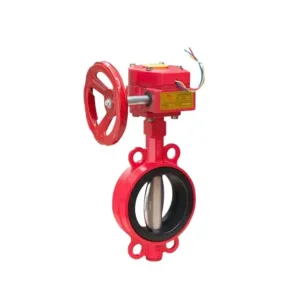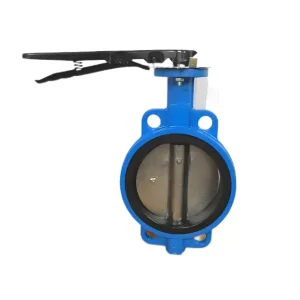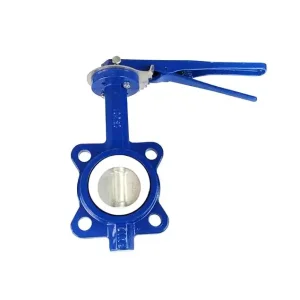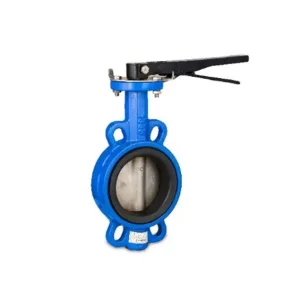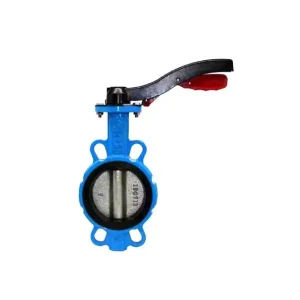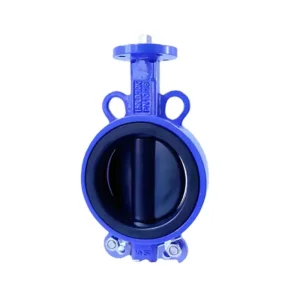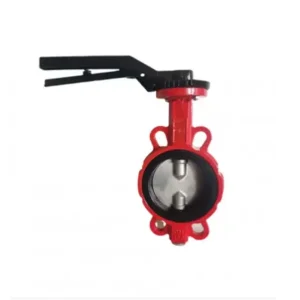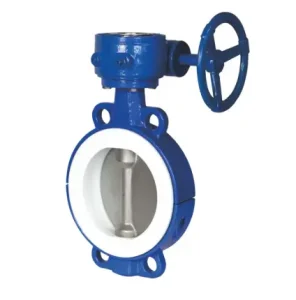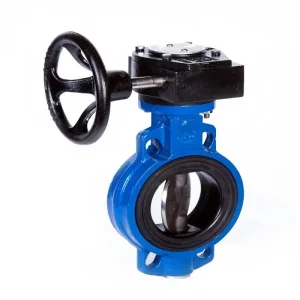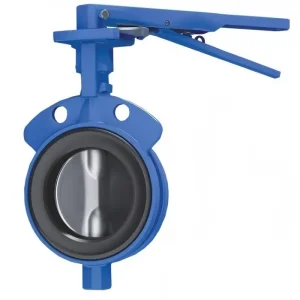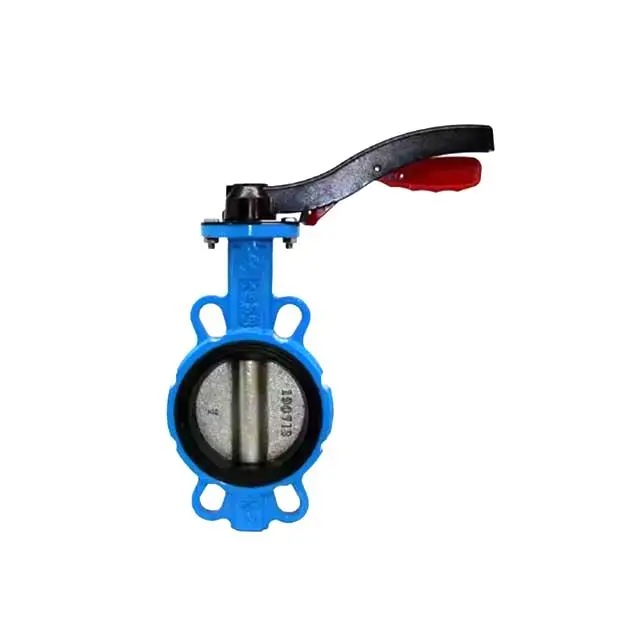
CE Certification Duplex Type Pinless Butterfly Valve Factories, Factory
Product Description
Application & Performance Features
Good corrosion fatigue resistance and wear corrosion resistance.
Good pitting resistance in harsh operational environments.
Good resistance to chloride stress corrosion cracking.
Good comprehensive mechanical properties: high strength and fatigue strength with yield strength twice that of 18-8 austenitic stainless steel. Elongation in solid solution state reaches 25%, and toughness AK exceeds 100J.
Common Material Grades
Product Performance Specification
| Nominal Diameter | Nominal Pressure | Travel Angle | Operating Temp. | Coating Thickness | Applicable Media | Connection Type | Connection Standard |
|---|---|---|---|---|---|---|---|
| DN40-DN2000 (1.5” – 80”) |
PN1.0 – 1.6 MPa | 0° – 90° | -20°C – 120°C | Min. 200 μm | Seawater, fresh water, air, desulfurization liquid, urea & phosphate fertilizer, high chloride solutions, etc. | Wafer type (flangeless A type, U type, single flange type), Single clamp type (LT body), Double flange | GB / DIN / BS / JIS / ASME / EN / ANSI / ISO |
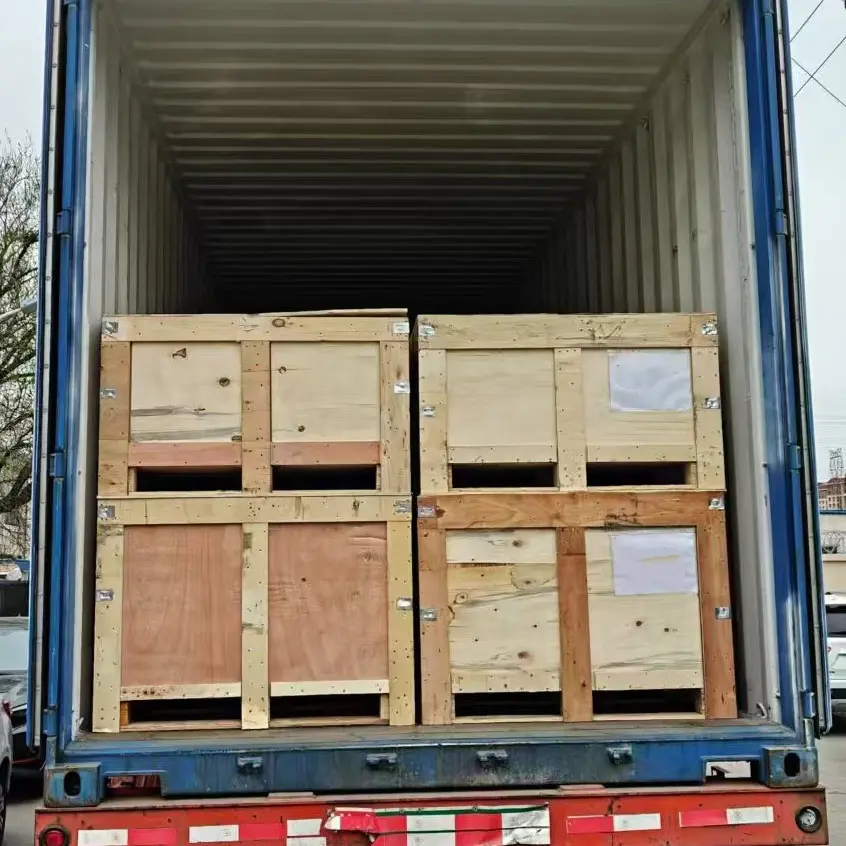
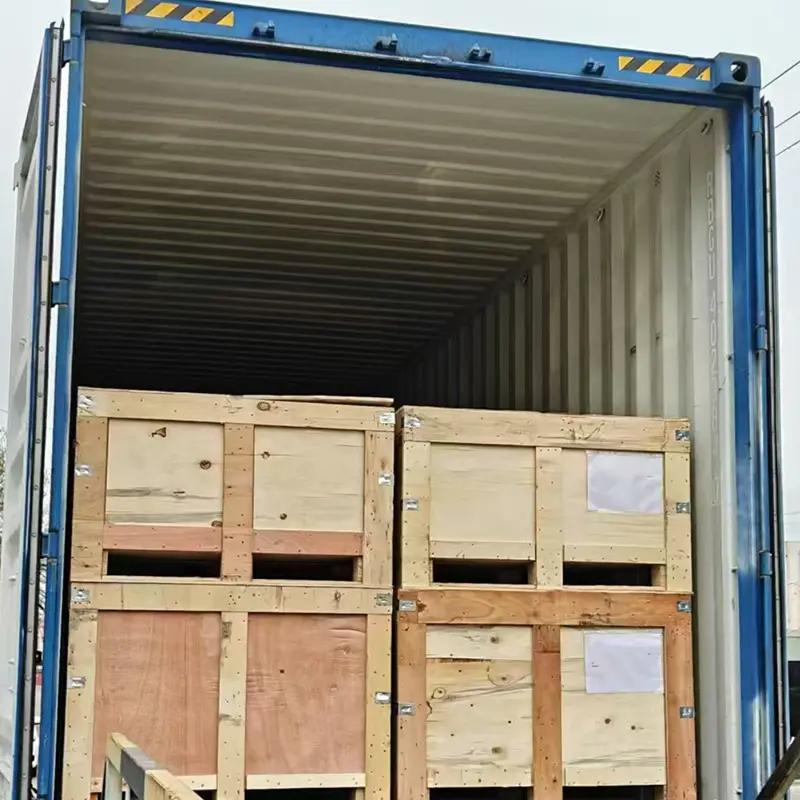
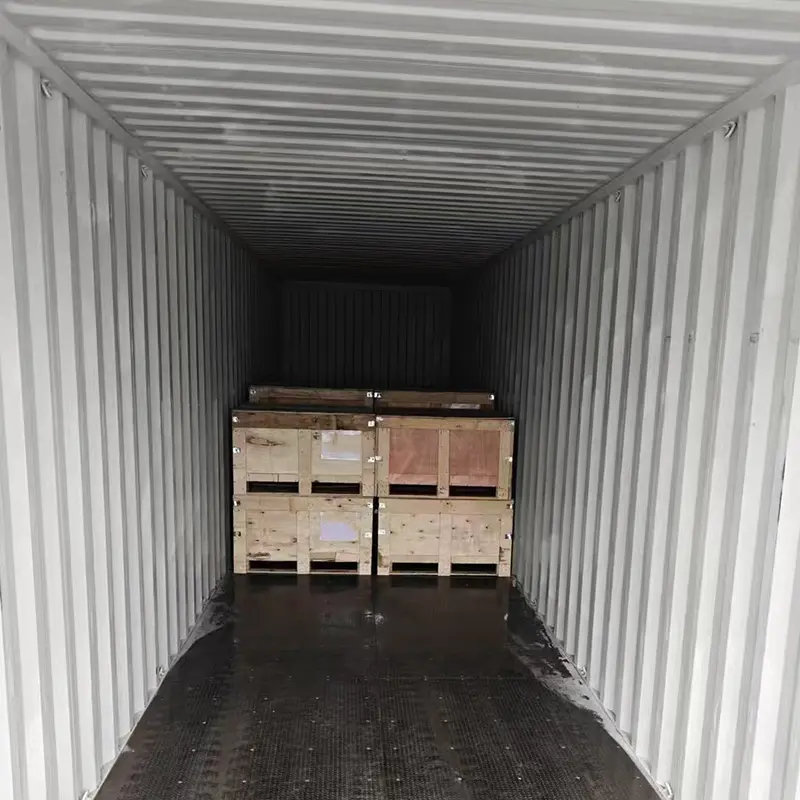
Packaging & Delivery

Frequently Asked Questions
What are the mechanical advantages of these duplex valve materials?
The material exhibits high overall strength and fatigue resistance, boasting a yield strength double that of standard 18-8 austenitic stainless steel. In solid solution state, it delivers an elongation of 25% and an impact toughness (AK) exceeding 100J.
Which media and operating conditions are suitable for this product?
These valves are designed for seawater, fresh water, air, desulfurization liquids, urea, phosphate fertilizers, and solutions containing high chloride ions. They operate reliably within a temperature range of -20°C to 120°C under nominal pressures of PN1.0 to 1.6 MPa.
What size ranges and connection types are available?
Sizes range from DN40 to DN2000 (1.5” to 80”). Available connection styles include Wafer type (flangeless A-type, U-type, single flange), Single clamp type (LT body), and double flange designs.
Which international connection standards do the valves comply with?
The connection design complies with all major global engineering standards, including GB, DIN, BS, JIS, ASME, EN, ANSI, and ISO.
What surface coating thickness is applied for corrosion prevention?
A protective coating with a minimum thickness of 200 μm is applied to ensure enhanced surface durability and extended service life in corrosive environments.
What common material grades are supported for fabrication?
Available grades include DIN 1.4469 (A890), 2507 (UNS S32750, DIN 1.4410), 2205 (UNS S31803, DIN 1.4462), 2304 (UNS S32304), UNS S32900 (DIN 1.4460), and UNS S31260.