1 / 1
Wholesale Halar Lined Pinless Butterfly Valve Supplier, Manufacturer
Product Description
Application & Key Features
1. Excellent chemical resistance
Chemical reagents commonly used in industry have almost no effect on Halar. Halar can resist chemicals including strong inorganic acids, strong alkalis, metal etchants, liquid oxygen, and all organic solvents except hot amines (such as aniline and dimethylamine).
2. High temperature resistance
Can be used at 150 degrees Celsius, and even up to 170 degrees Celsius for a short time.
3. Strong adhesion
Halar has strong adhesion, which makes the Halar valve plate have strong impact resistance.
4. Good surface smoothness
The surface is particularly smooth, which reduces the possibility of pinholes in the coating, inhibits the accumulation of solid particles and metal salts, and reduces the formation of biofilm and bacteria. In the single crystal tube, no other impurities will be introduced to damage the growth of the single crystal.
5. Higher hardness
Provides better wear resistance, better scratch resistance, reduces the possibility of accidental damage during installation and transportation, and reduces maintenance costs.
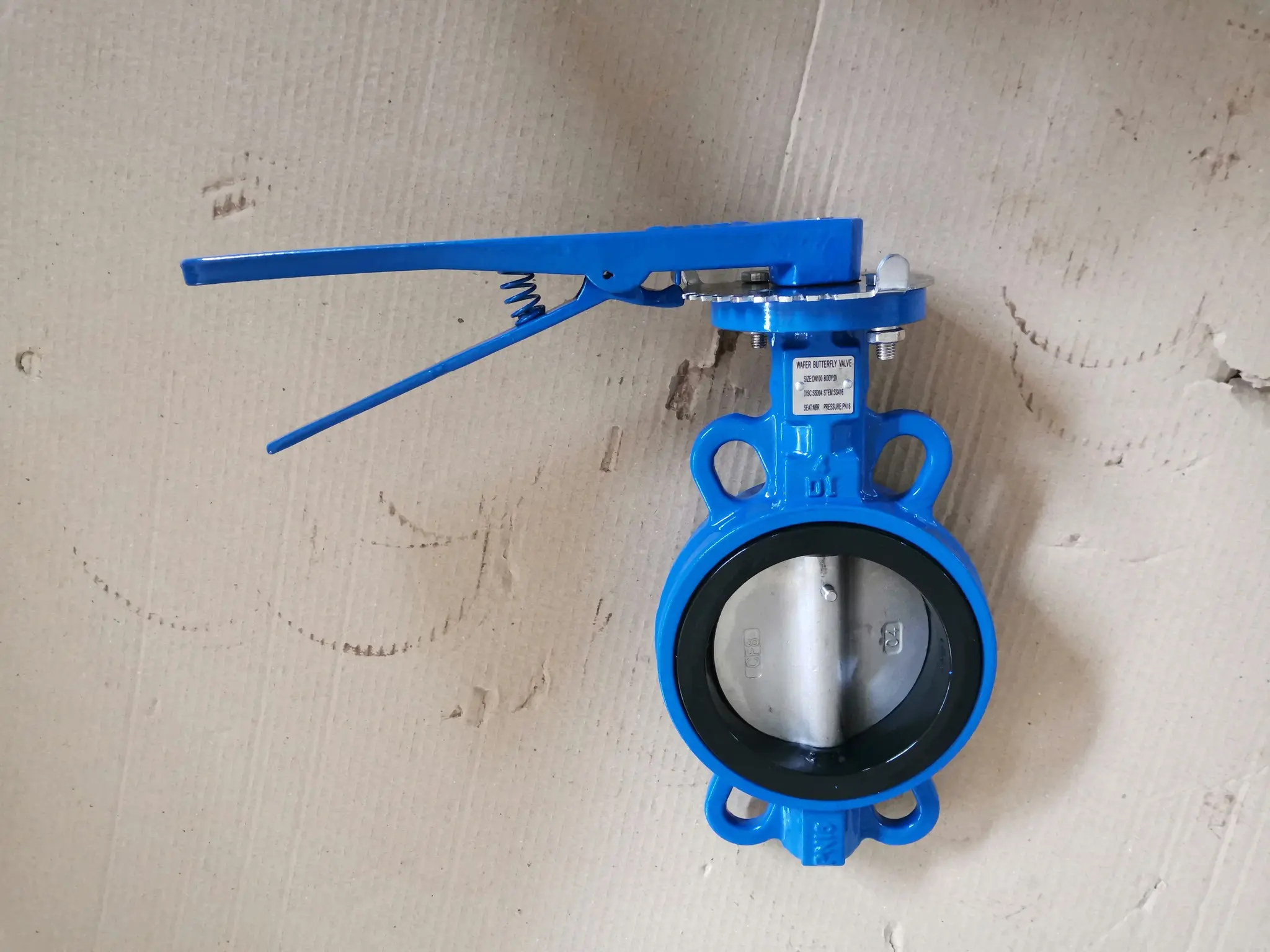
Product Performance Specification
| Nominal Diameter | Nominal Pressure | Travel Angle | Operating Temperature | Coating Thickness | Applicable Media | Connection Type | Connection Standard |
|---|---|---|---|---|---|---|---|
| DN40-DN2000 (1.5”~80”) | PN1.0~ 1.6MPa | 0°~ 90° | -20~ 120℃ | Mini 200um | Strong acid, strong alkali, metal etchant, liquid oxygen, all organic solvents except hot amines (such as aniline, dimethylamine), desulfurization liquid, sea water, drinking water, food, etc. | Wafer type (flangeless A type, U type, single flange type), Single clamp type (LT body), double flange | GB/DIN/BS/JIS/ASME/EN/ANSI/ISO |
Product Demonstration
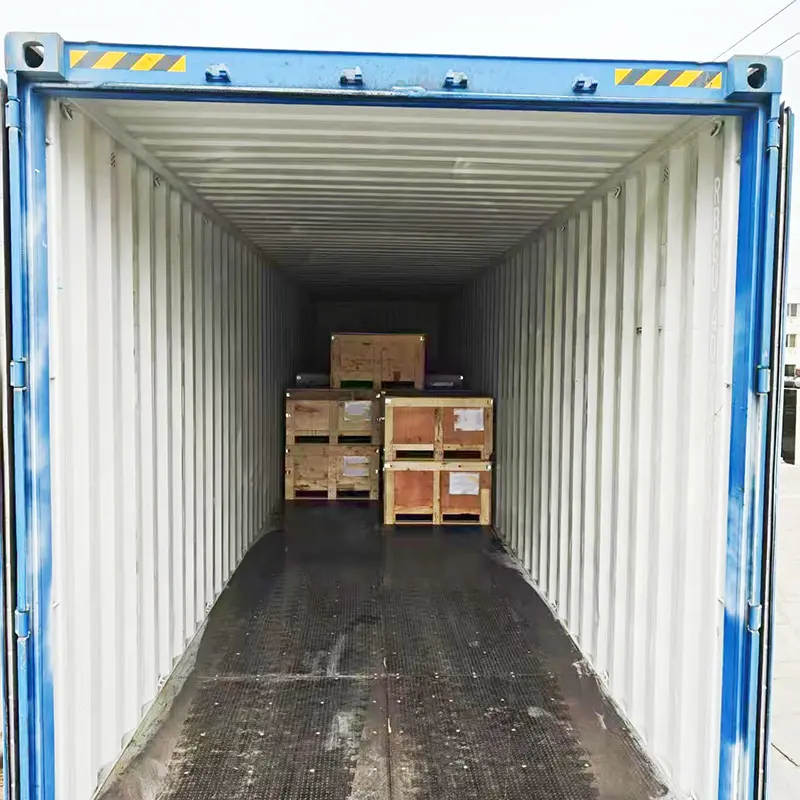
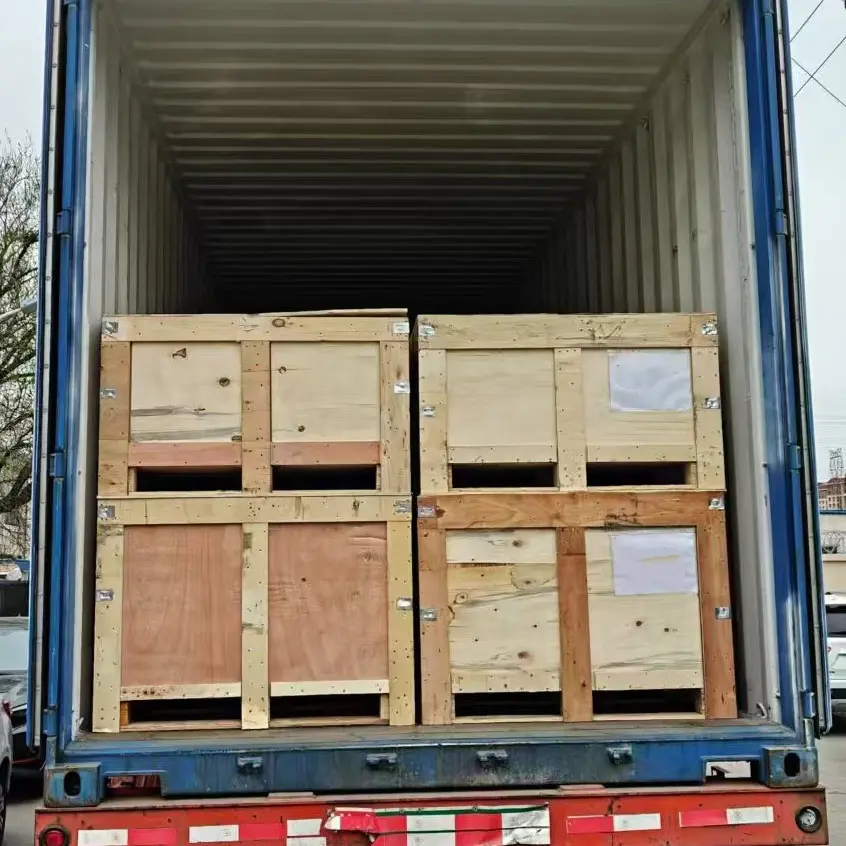
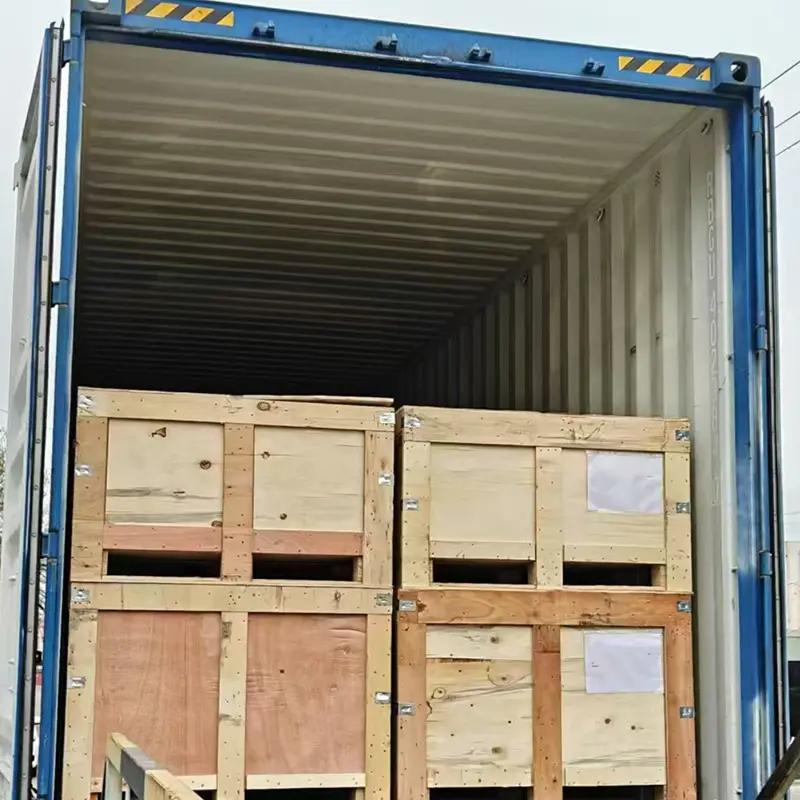
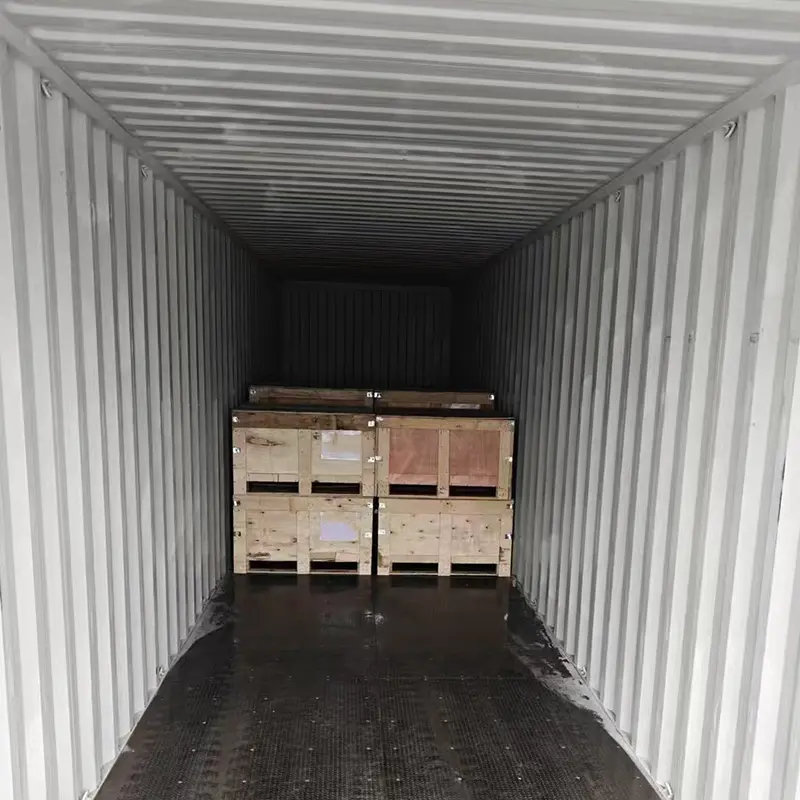
Packaging & Delivery
Frequently Asked Questions (FAQ)
What types of media are compatible with Halar coated valves?
Halar provides outstanding chemical resistance against strong inorganic acids, strong alkalis, metal etchants, liquid oxygen, desulfurization liquid, seawater, potable water, and nearly all organic solvents except hot amines such as aniline and dimethylamine.
What is the operating temperature range for these valves?
The standard operating temperature specification ranges from -20℃ to 120℃. Additionally, the Halar material itself can withstand sustained use at 150℃ and short-term exposure up to 170℃.
What size ranges and connection types are provided?
The valves are available in nominal diameters from DN40 to DN2000 (1.5" to 80"). Connection configurations include Wafer type (flangeless A type, U type, single flange type), Single clamp type (LT body), and double flange designs conforming to GB, DIN, BS, JIS, ASME, EN, ANSI, and ISO standards.
What is the standard coating thickness of the valve disc?
The protective Halar coating applied to the valve components has a minimum thickness of 200 µm, ensuring optimal corrosion resistance, adhesion, and mechanical impact durability.
Why is the smooth surface of Halar coating beneficial in high-purity processes?
The surface smoothness prevents pinholes, inhibits the accumulation of solid particles and metal salts, and stops biofilm and bacterial growth, ensuring no foreign impurities compromise sensitive processes like single crystal growth.
How are the valves prepared and secured for transport?
Valves are thoroughly protected using specialized wraps, edge protectors, and durable wooden crates to eliminate transit vibration, scratch hazards, and accidental impact before site delivery.