1 / 4
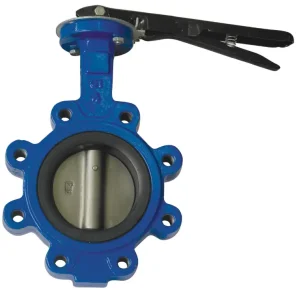
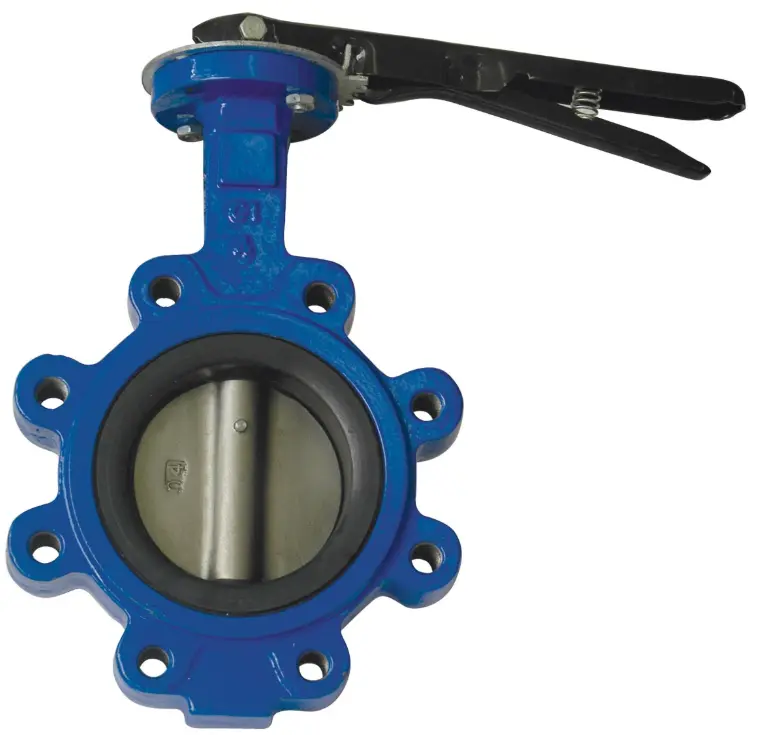
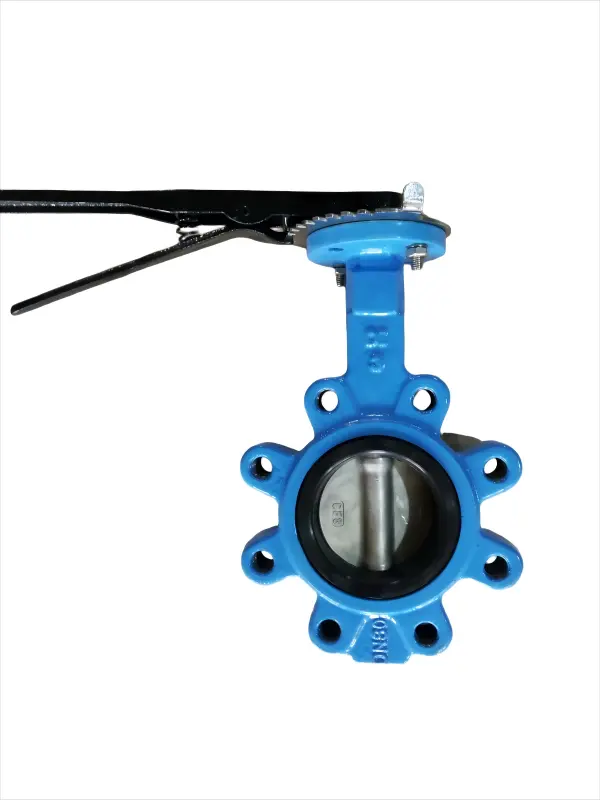
High-Quality Lug type manual operated butterfly valve Manufacturers, Factory
Product Description
Product Performance Specification
| Parts Name | Material | Code Name |
|---|---|---|
| Body | HT250 | T |
| QT400-15 | QT | |
| WCB | G | |
| CF8 | B1 | |
| ZQAL9-2 | W | |
| Disc | ZQAL9-2 | W |
| CF8 | B1 | |
| CF8M | B2 | |
| Monel | M | |
| Seal Ring | NBR | N |
| FPM | F | |
| PTFE | P | |
| STEM | 1Cr13 | - |
Available Medium: Sea water, Fresh water, Air, Crude oil, and finished oil at temperatures of 80℃ and below.
Using Instruction
Structural Design
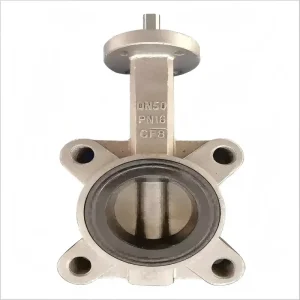
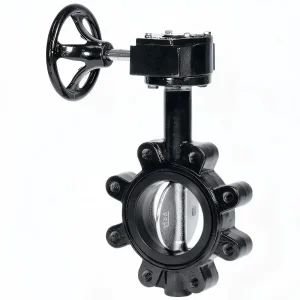
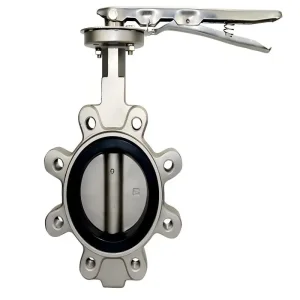
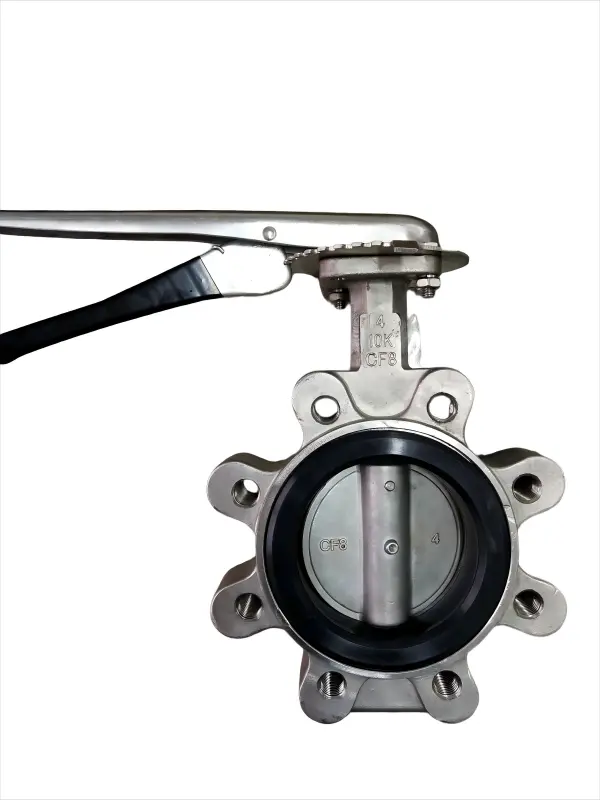
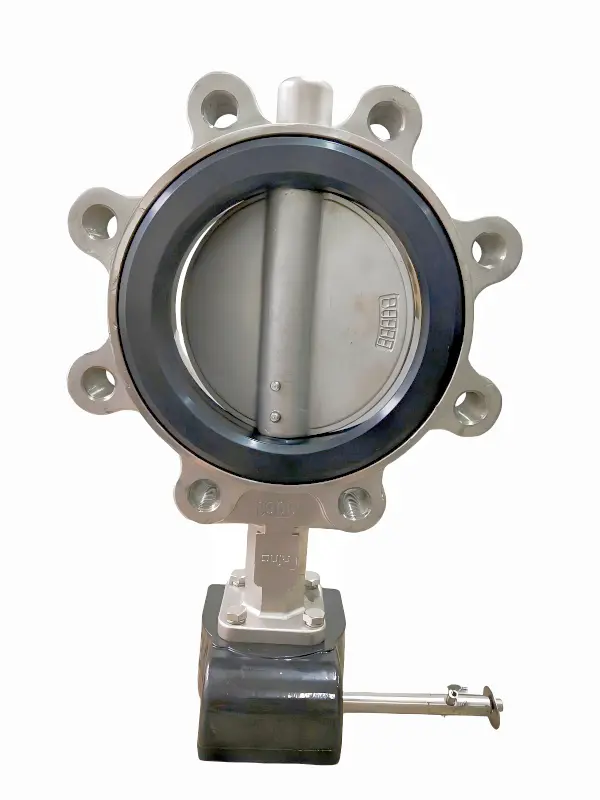
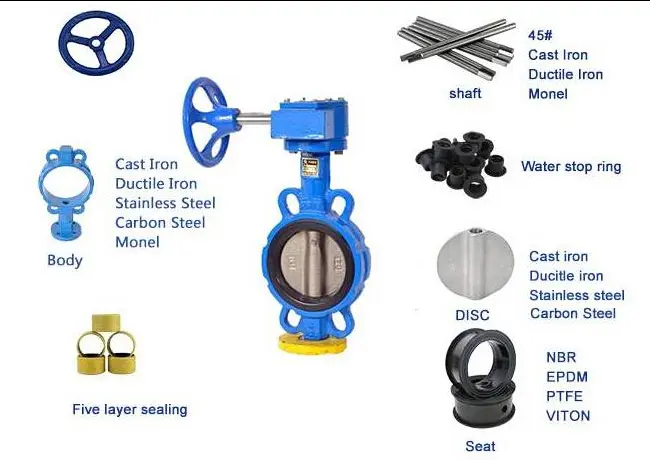
- Valve Body: Equipped with multiple threaded lugs for fixing the valve to flanges. It is typically made of materials like cast iron, stainless steel, aluminum alloy, or other corrosion-resistant alloys.
- Disc: The core component for controlling medium flow, which can rotate 90 degrees to achieve opening or closing. It is often manufactured from stainless steel, alloys, or plastics to ensure corrosion and wear resistance.
- Stem: Connects the disc to the actuator, transmitting torque to enable disc rotation. It is usually made of stainless steel or other high-strength materials to ensure reliability and stability during operation.
- Seal Components: Commonly made of rubber, PTFE (Teflon), etc., to ensure tight sealing when the valve is closed and prevent medium leakage.
Working Principle
Inside the cylindrical channel of the valve body, the disc-shaped valve disc rotates around the axis. The rotation angle ranges from 0° to 90°. When the disc rotates to 90°, the valve is fully open; when the disc rotates to a position perpendicular to the pipeline axis, the valve closes, thus achieving the truncation or throttling control of the medium in the pipeline.
Performance Characteristics
- Independent Disassembly: The valve body has threaded lugs on both sides, allowing users to disassemble one side of the pipeline for maintenance or valve replacement without affecting the other side. This design is particularly practical in systems requiring frequent maintenance.
- Bi-directional Sealing: Typically designed to be bi-directionally sealed, meaning it can achieve effective sealing regardless of the medium flow direction. It is suitable for pipeline systems with bidirectional flow.
- Flexible Installation: Thanks to its lug structure, it can be easily installed in pipeline systems, often used in applications where part of the pipeline or equipment needs isolation.
- Higher Pressure Resistance: Compared to wafer butterfly valves, lug butterfly valves have higher pressure-bearing capacity, making them suitable for medium and high-pressure pipeline systems.
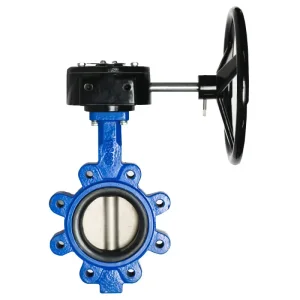
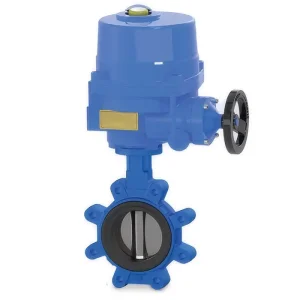
- Easy Operation: The disc can be opened or closed by rotating 90°, with simple operation. It can be equipped with manual, electric, or pneumatic actuators to meet automation control requirements.
- Good Corrosion Resistance: The valve body and disc materials can be selected from stainless steel, cast iron, PVC, PTFE, etc., according to the medium properties, providing excellent corrosion resistance.
Application Fields
Lug butterfly valves are widely used in various industrial fields, including:
- Water supply and drainage systems (e.g., urban water treatment, sewage treatment).
- Chemical and petroleum industries for controlling corrosive or high-temperature media.
- HVAC (heating, ventilation, and air conditioning) systems for regulating fluid flow.
- Power plants and pipeline transportation systems requiring medium isolation or flow control.
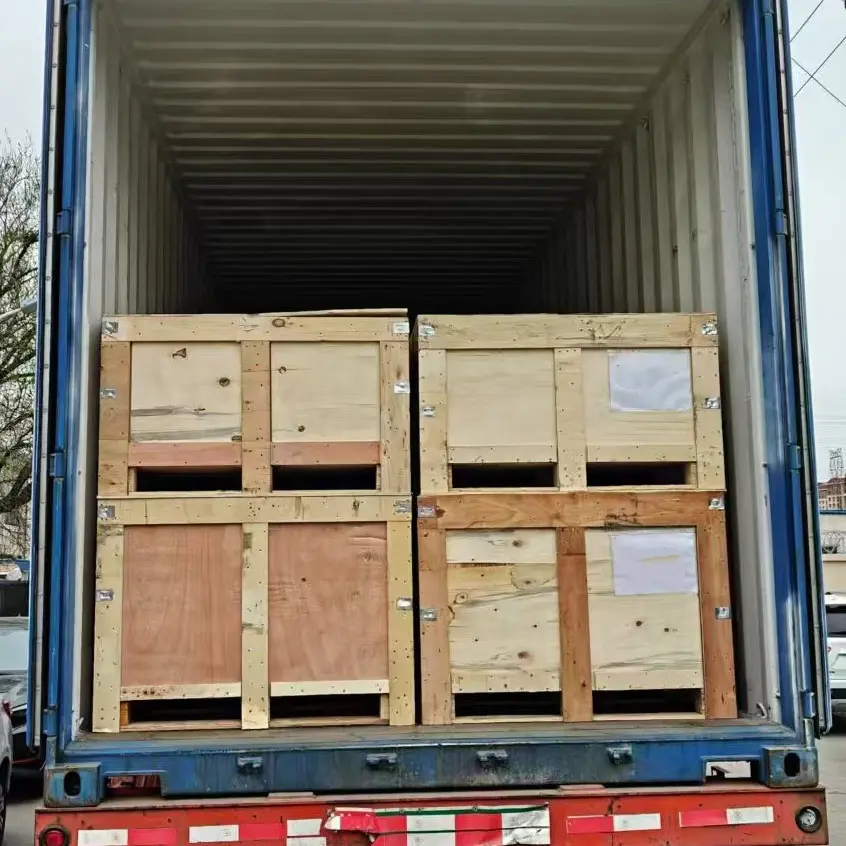
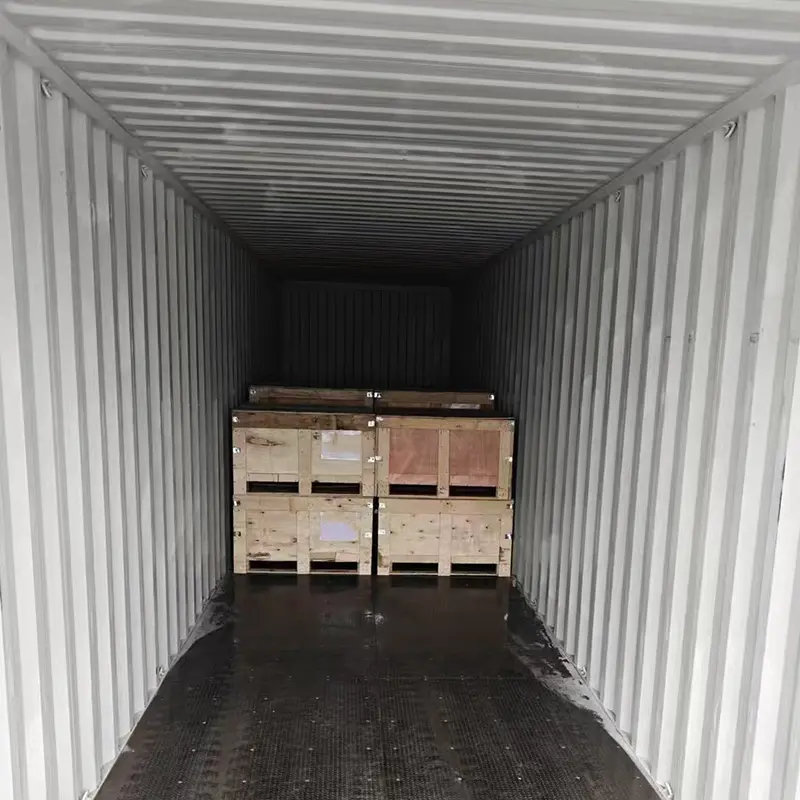
Packaging


Frequently Asked Questions (FAQ)
Q1: What is the main maintenance advantage of a lug type butterfly valve?
A lug butterfly valve features threaded inserts across the entire valve body. This allows one side of the piping line to be disconnected or serviced without depressing or disturbing the opposite side, making downstream or upstream maintenance fast and cost-effective.
Q2: Which media are suitable for this marine centric butterfly valve?
This valve is compatible with seawater, fresh water, compressed air, crude oil, and refined petroleum products operating at temperatures up to and including 80°C.
Q3: Does this valve support bi-directional flow shutoff?
Yes. The centric lug butterfly valve is engineered with bi-directional sealing capabilities, ensuring a bubble-tight shutoff regardless of the fluid or gas flow direction through the line.
Q4: What disc and body materials can be selected for corrosive environments?
For corrosive environments such as marine seawater or chemical processing, valve discs are available in Aluminum Bronze (ZQAL9-2), Stainless Steel (CF8/CF8M), or Monel, coupled with ductile iron (QT400-15), cast steel (WCB), or stainless steel bodies.
Q5: How does the quarter-turn mechanism operate?
The valve disc rotates 90 degrees around its central stem. Rotating to 90° provides a fully unrestricted flow path, whereas rotating perpendicular (0°) to the pipe axis achieves full shutoff or precise throttling control.
Q6: Can this manual butterfly valve be upgraded to automated actuation?
Yes. While manually operated with a handle or gear, standard mounting pads allow simple integration with electric or pneumatic actuators to support automated system controls.