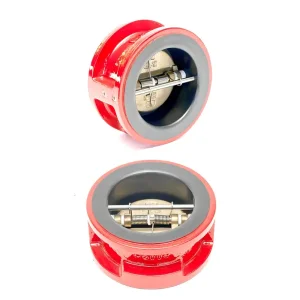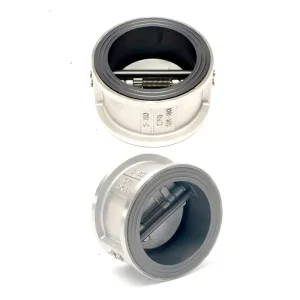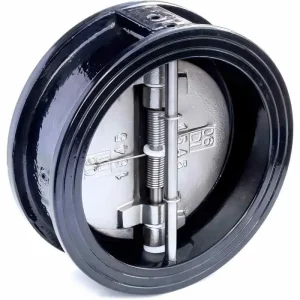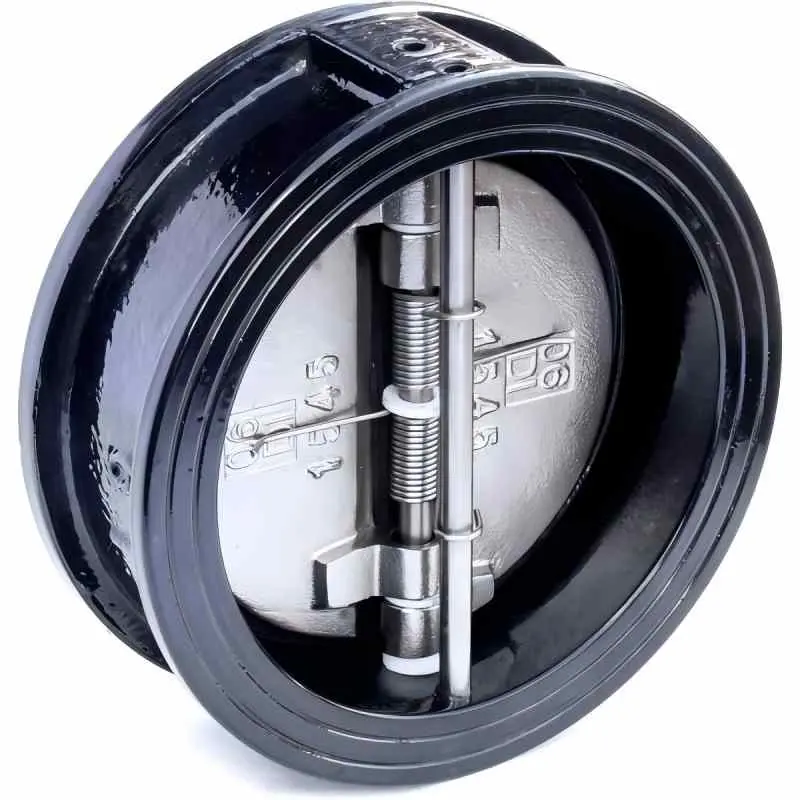
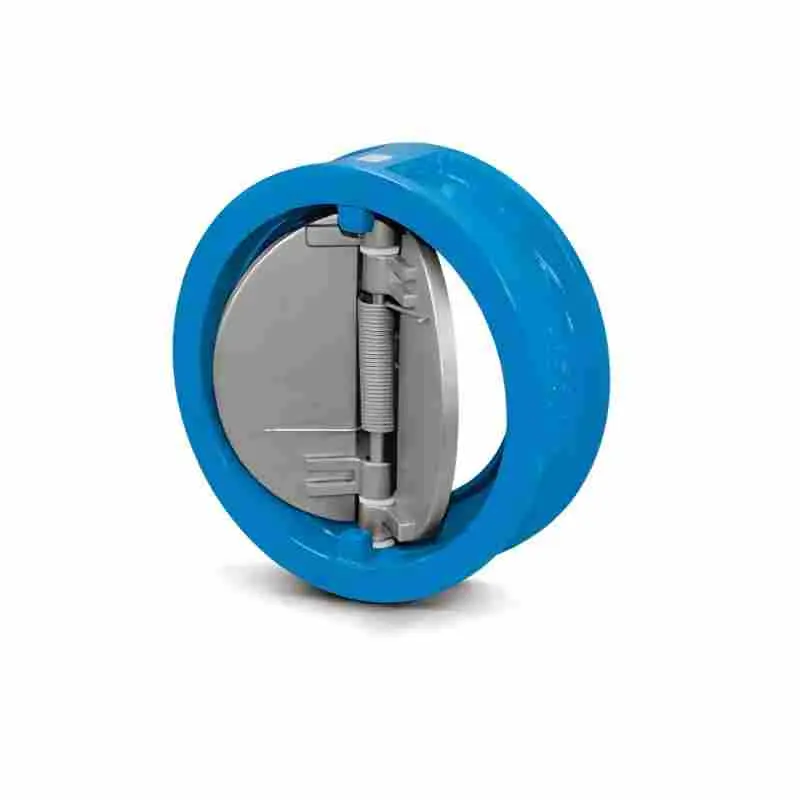
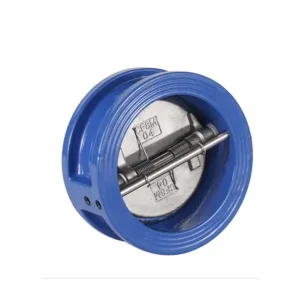
High-Quality High-Quality Wafer Check Valve for Secure Fluid Control Suppliers, Factories

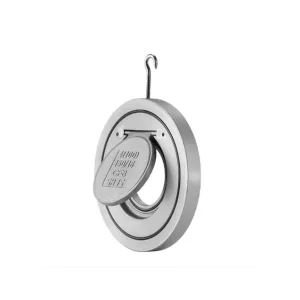
A check valve, also known as a non-return valve or one-way valve, is a critical mechanical component designed to control fluid flow direction in piping systems. Its core function is to allow fluids (liquids, gases, or slurries) to flow only in a single predetermined direction while preventing reverse flow, which could cause system damage, pressure surges, or equipment malfunction.

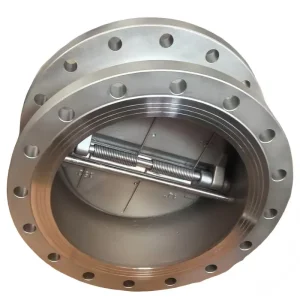
Typically constructed with a valve body, a closing element (e.g., a ball, disc, or flap), and a biasing mechanism (like a spring), it operates automatically—no external power is needed. When fluid pressure in the desired direction exceeds the reverse pressure, the closing element opens to permit flow; when pressure reverses, the element seals against the valve seat, blocking backflow.

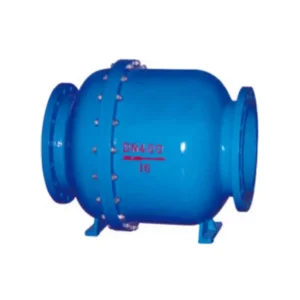
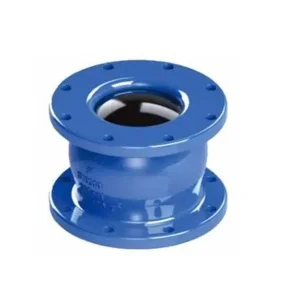
Commonly used in industries such as plumbing, oil and gas, water treatment, and HVAC, check valves come in various designs (e.g., swing, lift, ball check valves) to suit different pressure, temperature, and fluid compatibility requirements, ensuring system efficiency and safety.

Product Description

Product Size & Specifications

Size Range
1/2" ~ 10"
Working Pressure
PN16
Working Temperature
-20ºC ~ 230ºC
Applicable Medium
Water, Oil, Gas, Acid
Manufacturing Process
1/2" - 4" Investment Casting
5" - 10" Composite Casting
Standards & Compliance
Design / Wall: ASME B16.34
Testing: MSS SP-110 / EN 12266
Check Valve Product Dimensions and Technical Drawing

Product Usage & Key Features

Municipal Water Systems Swing check valves made of ductile iron are installed in pipeline networks to prevent backflow from storage tanks into treatment plants, safeguarding water quality and avoiding contamination risks. Their large flow capacity and low pressure drop make them ideal for high-volume water distribution.
Oil and Gas Operations Forged steel lift check valves are deployed in wellhead assemblies and pipeline manifolds. These valves withstand high pressures and temperatures, preventing reverse flow of crude oil or natural gas that could damage pumps or cause hazardous pressure buildups.
HVAC Systems Bronze or PVC check valves in water circulation loops prevent backflow when pumps shut off, maintaining proper pressure and preventing water hammer—a destructive force caused by sudden flow reversal.
Wastewater Treatment Diaphragm check valves handle corrosive fluids and solids, ensuring sewage flows toward treatment facilities without backtracking, which could lead to pipeline blockages or environmental contamination.
Automatic & Reliable Protection Across all applications, check valves’ automatic operation—relying on fluid pressure rather than external controls—makes them reliable, low-maintenance solutions. Their design varies by use: swing valves for low-pressure, high-flow scenarios; lift valves for high-pressure systems; and ball check valves for compact, low-flow applications. Material selection, from stainless steel for corrosive environments to PVC for non-potable water, ensures compatibility with specific fluids, enhancing durability and performance.
Industrial Check Valve Application and Structure

Product Performance Specification

Nominal Pressure Pn Shell Pressure Seal Pressure Applicable Media Applicable Temperature
1.0 / 1.6 / 2.5 / 4.0 / 6.4 / 10.0 / 16.0 MPa PN × 1.5 times PN × 1.1 times Water, steam, oil, etc. -29 ~ 425℃
Corrosive substances such as nitric acid -196 ~ 540℃
Strong oxidizing property -196 ~ 425℃
Acetic acid and other corrosive -196 ~ 540℃
Urea and other corrosive -196 ~ 455℃

Main Component Materials

Valve Body Valve Disc Press Ring Spring
WCB (A105) 2Cr13 2Cr13 0Cr18Ni9
ZG1Cr18Ni9Ti 1Cr18Ni9Ti 1Cr18Ni9Ti 0Cr19NiP
CF8 (304) 0Cr18Ni9 0Cr18Ni9 0Cr18Ni9
CF3 (304L) 00Cr19Ni10 00Cr19Ni10 00Cr19Ni10
ZG1Cr18Ni12Mo2Ti 1Cr18NiMo2Ti 1Cr18Ni12Mo2Ti 0Cr18Ni12Mo2Ti
CF3M (316L) 00Cr17Ni14Mo2 00Cr17Ni14Mo2 00Cr17Ni14Mo2

Packaging & Delivery

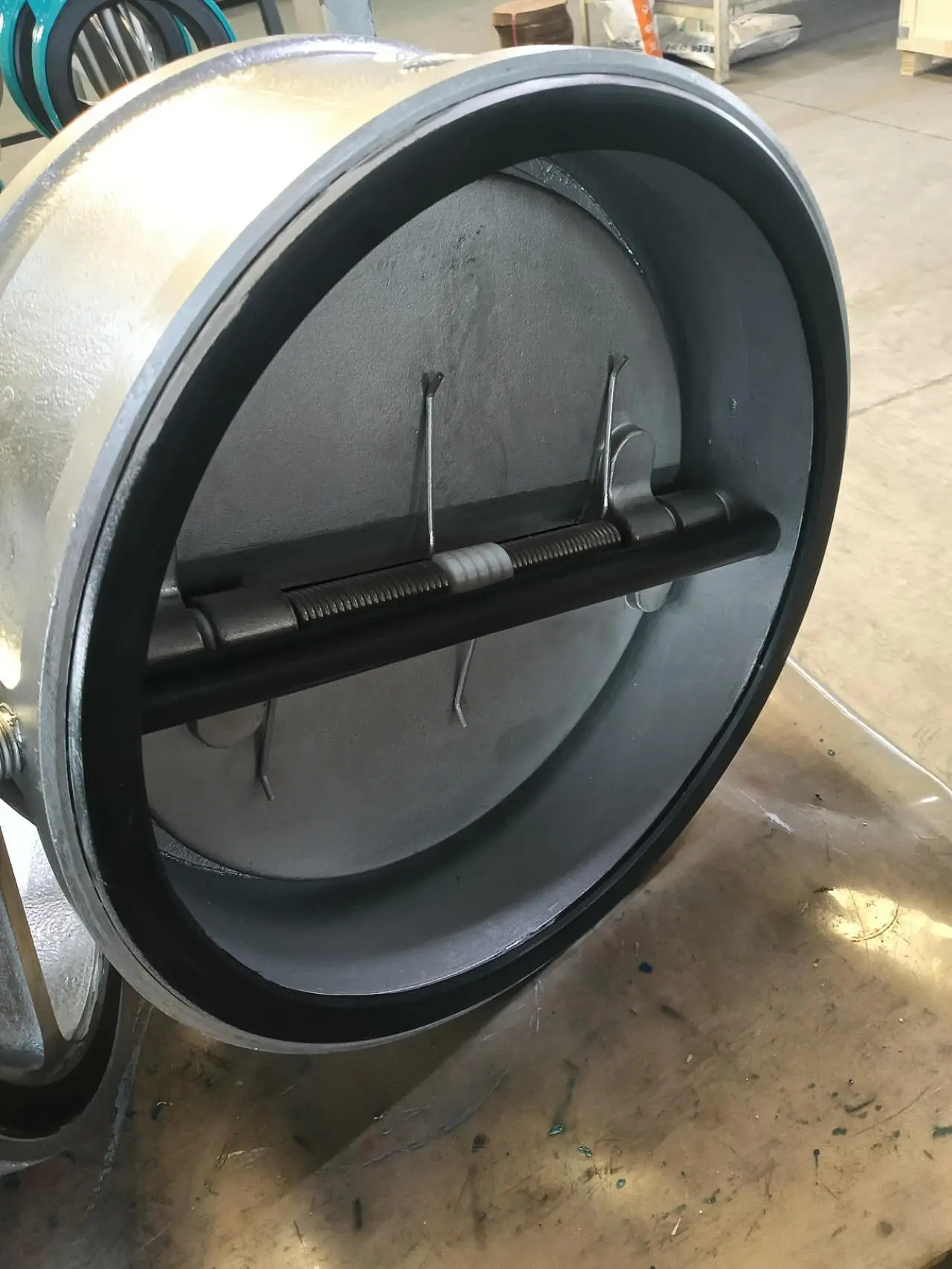
Check Valve Packaging Inspection 1
Check Valve Packaging Protection 2
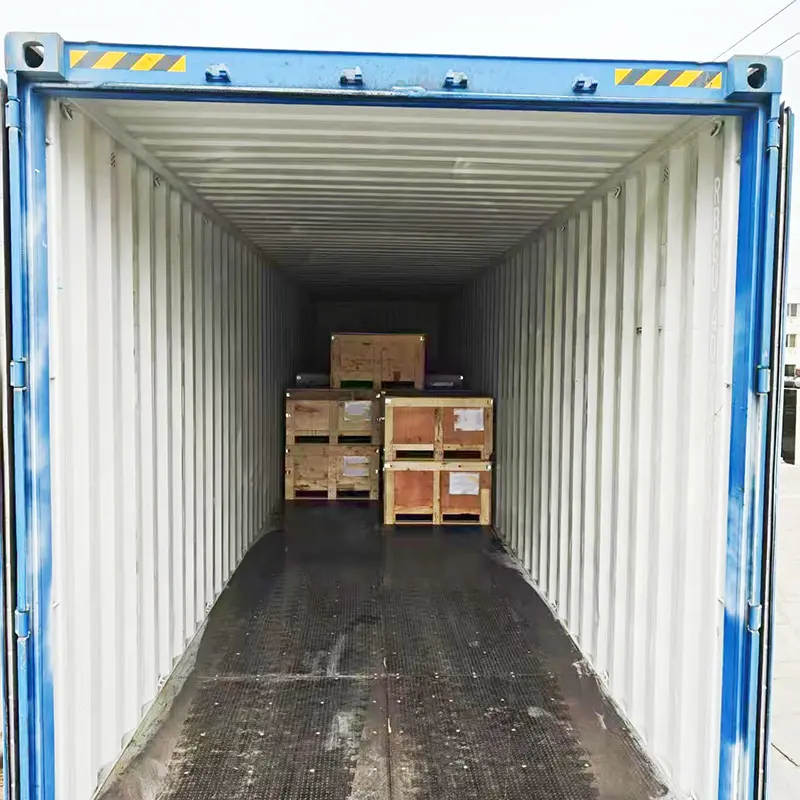
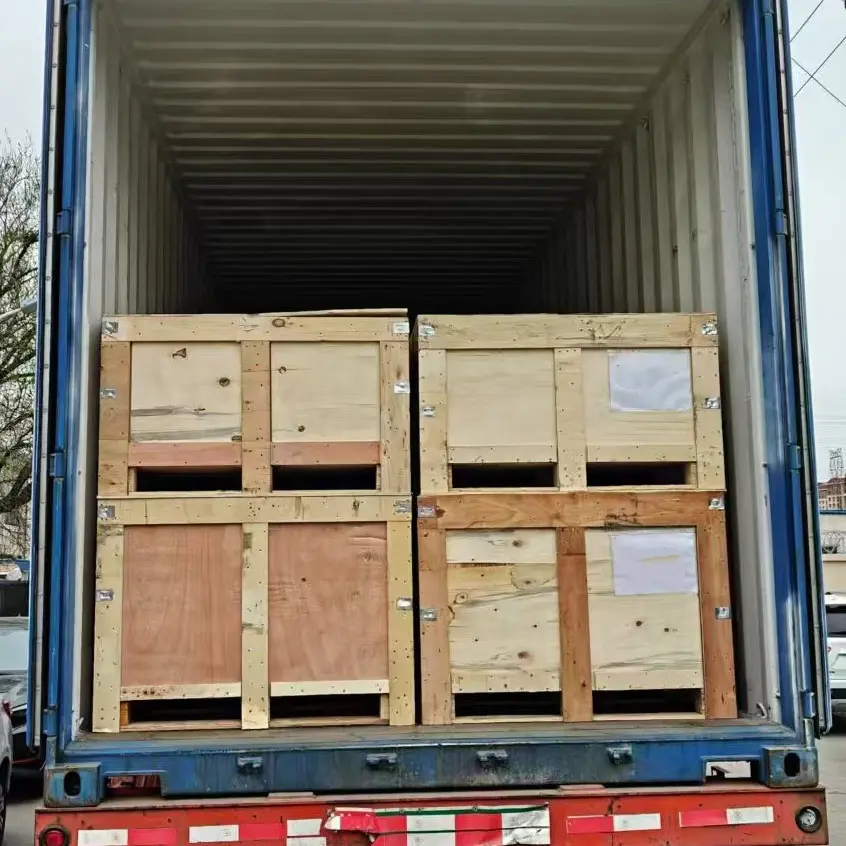
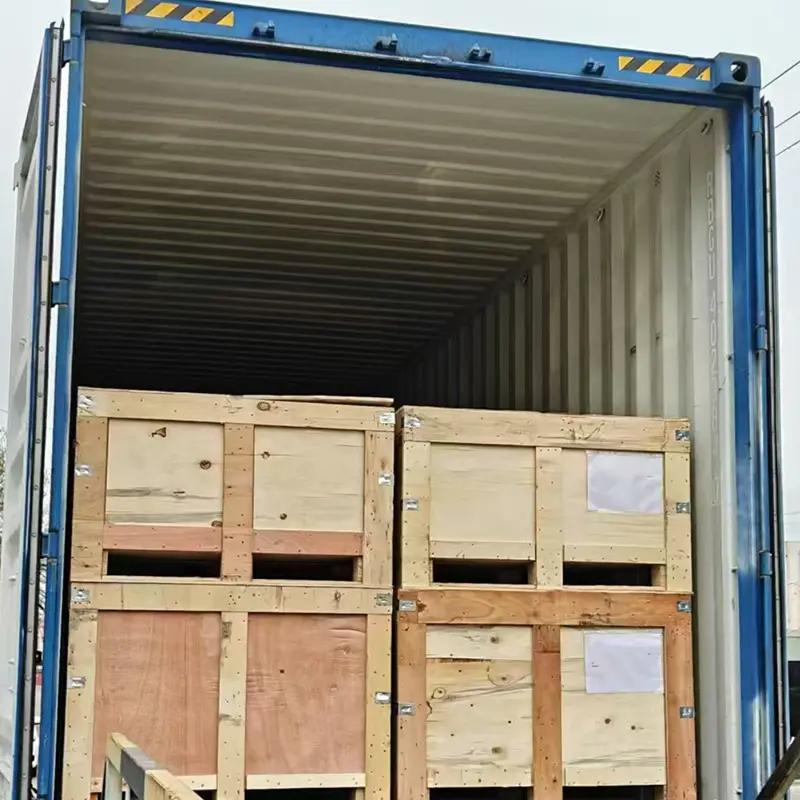
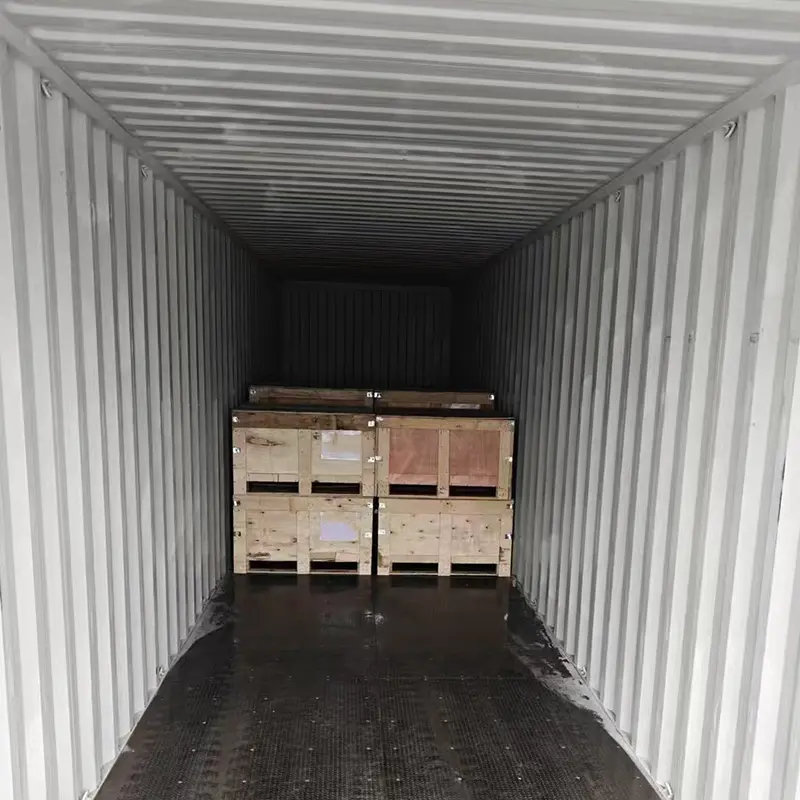
Industrial Valve Delivery Crating 3
Secure Valve Warehouse Packaging 4

Frequently Asked Questions (FAQ)

Q What size ranges and casting methods are available for these check valves?

The valves range in size from 1/2" to 10". Sizes between 1/2" and 4" are manufactured using investment casting, while sizes from 5" to 10" utilize composite casting.

Q Which industry design and testing standards do the valves comply with?

The valves follow the ASME B16.34 design standard and wall thickness requirements. Inspection and pressure testing are carried out according to MSS SP-110 and EN 12266 standards.

Q What are the operational temperature limits and pressure ratings?

The standard working pressure rating is PN16, with broader nominal pressure options spanning 1.0 to 16.0 MPa. Depending on the construction material and media (water, steam, oil, or acids), operating temperatures can range from -196ºC up to 540ºC.

Q What body and trim materials are offered?

Valve bodies are available in carbon steel WCB (A105), stainless steels CF8 (304), CF3 (304L), CF3M (316L), and titanium-stabilized grades like ZG1Cr18Ni9Ti and ZG1Cr18Ni12Mo2Ti, paired with matching stainless discs, press rings, and durable alloy springs.

Q What applications are these check valves commonly used for?

They are widely utilized across municipal water distribution networks, oil and gas wellheads and pipeline manifolds, commercial HVAC circulation loops, and wastewater treatment facilities to reliably prevent backflow and water hammer.

Q How does the check valve operate without external power?

Check valves operate fully automatically using the dynamic pressure of the fluid. The line flow pushes the disc open, and when flow stops or reverses, the disc automatically seals against the seat to block reverse flow.
Related Products