1 / 3
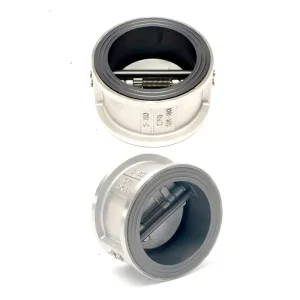
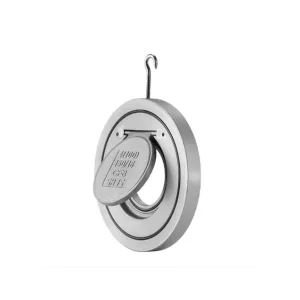
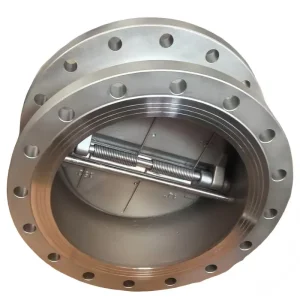
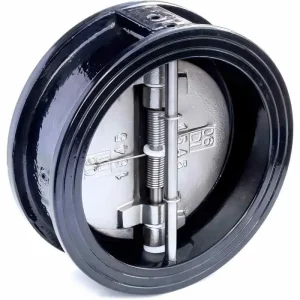
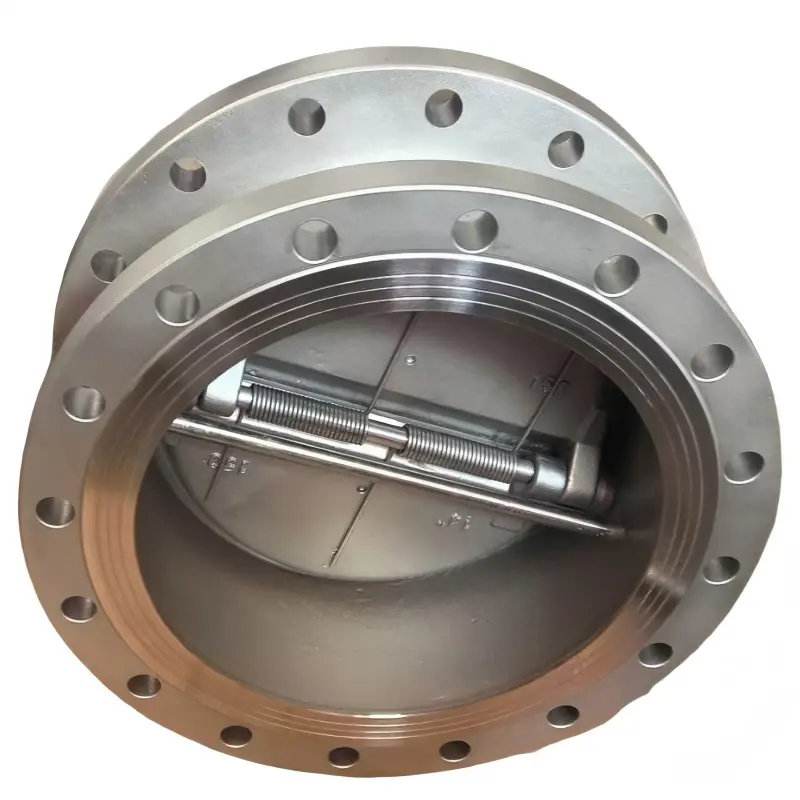
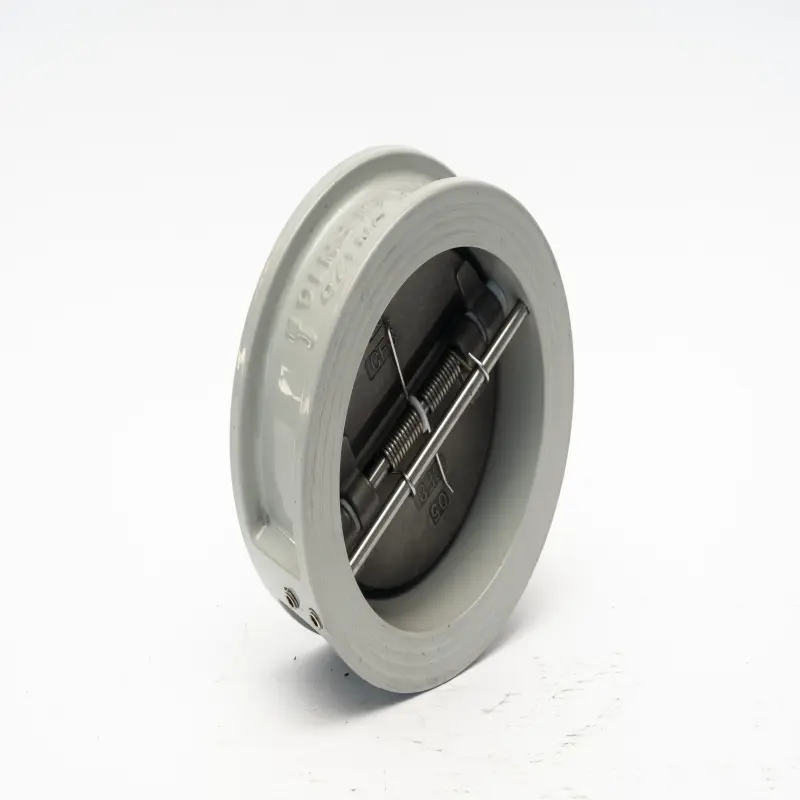
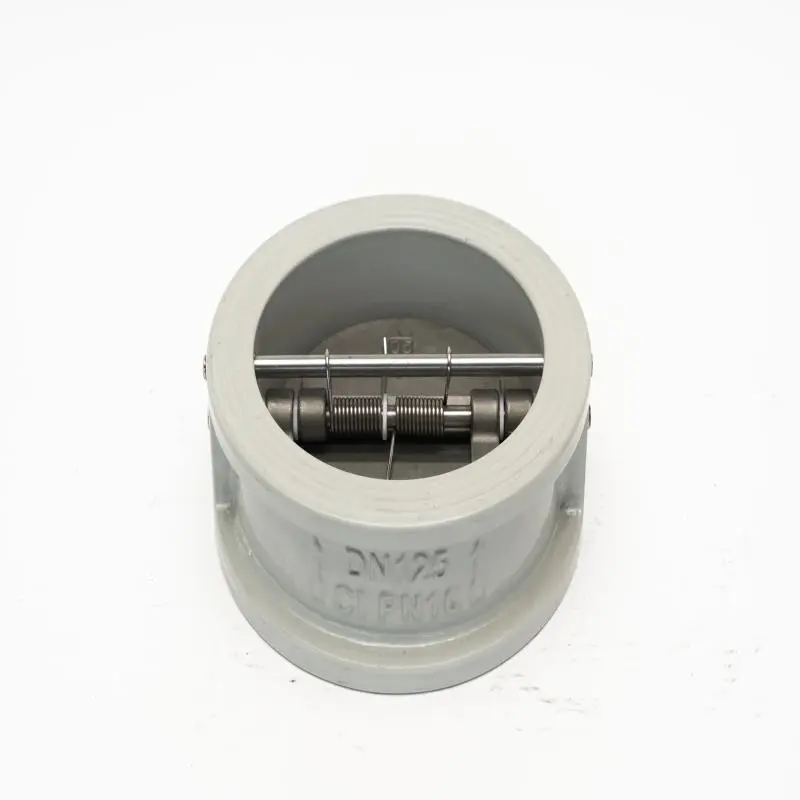
CE Certification Compact Low-Pressure Drop Wafer Lift Check Valve Supplier, Factories
Product Description
Product Size & Key Specifications
Size Range
1/2" ~ 10"
Working Pressure
PN16
Working Temperature
-20ºC ~ 230ºC
Applicable Medium
Water, Oil, Gas, Acid
Casting Method
1/2" - 4" Investment Casting
5" - 10" Composite Casting
5" - 10" Composite Casting
Design Standard & Wall Thickness
ASME B16.34
Inspection & Testing
MSS SP-110 / EN 12266
Product Usage and Features
Check valves are critical components across industries, ensuring unidirectional fluid flow to protect systems and equipment.
In municipal water systems, swing check valves made of ductile iron are installed in pipeline networks to prevent backflow from storage tanks into treatment plants, safeguarding water quality and avoiding contamination risks. Their large flow capacity and low pressure drop make them ideal for high-volume water distribution.
In oil and gas operations, forged steel lift check valves are deployed in wellhead assemblies and pipeline manifolds. These valves withstand high pressures and temperatures, preventing reverse flow of crude oil or natural gas that could damage pumps or cause hazardous pressure buildups.
HVAC systems utilize bronze or PVC check valves in water circulation loops. These valves prevent backflow when pumps shut off, maintaining proper pressure and preventing water hammer—a destructive force caused by sudden flow reversal.
In wastewater treatment, diaphragm check valves handle corrosive fluids and solids, ensuring sewage flows toward treatment facilities without backtracking, which could lead to pipeline blockages or environmental contamination.
Across all applications, check valves’ automatic operation—relying on fluid pressure rather than external controls—makes them reliable, low-maintenance solutions. Their design varies by use: swing valves for low-pressure, high-flow scenarios; lift valves for high-pressure systems; and ball check valves for compact, low-flow applications. Material selection, from stainless steel for corrosive environments to PVC for non-potable water, ensures compatibility with specific fluids, enhancing durability and performance.
Product Performance Specification
| Nominal Pressure Pn | Shell Pressure | Seal Pressure | Applicable Media | Applicable Temperature |
|---|---|---|---|---|
| 1.0 / 1.6 / 2.5 / 4.0 / 6.4 / 10.0 / 16.0 MPa | PN × 1.5 times | PN × 1.1 times | Water, steam, oil, etc. | -29 ~ 425℃ |
| Corrosive substances such as nitric acid | -196 ~ 540℃ | |||
| Strong oxidizing property | -196 ~ 425℃ | |||
| Acetic acid and other corrosive | -196 ~ 540℃ | |||
| Urea and other corrosive | -196 ~ 455℃ |
Main Component Materials
| Valve Body | Valve Disc | Press Ring | Spring |
|---|---|---|---|
| WCB (A105) | 2Cr13 | 2Cr13 | 0Cr18Ni9 |
| ZG1Cr18Ni9Ti | 1Cr18Ni9Ti | 1Cr18Ni9Ti | 0Cr19NiP |
| CF8 (304) | 0Cr18Ni9 | 0Cr18Ni9 | 0Cr18Ni9 |
| CF3 (304L) | 00Cr19Ni10 | 00Cr19Ni10 | 00Cr19Ni10 |
| ZG1Cr18Ni12Mo2Ti | 1Cr18NiMo2Ti | 1Cr18Ni12Mo2Ti | 0Cr18Ni12Mo2Ti |
| ZG1Cr18Ni12Mo2Ti | 1Cr18NiMo2Ti | 1Cr18Ni12Mo2Ti | 0Cr18Ni12Mo2Ti |
| CF3M (316L) | 00Cr17Ni14Mo2 | 00Cr17Ni14Mo2 | 00Cr17Ni14Mo2 |
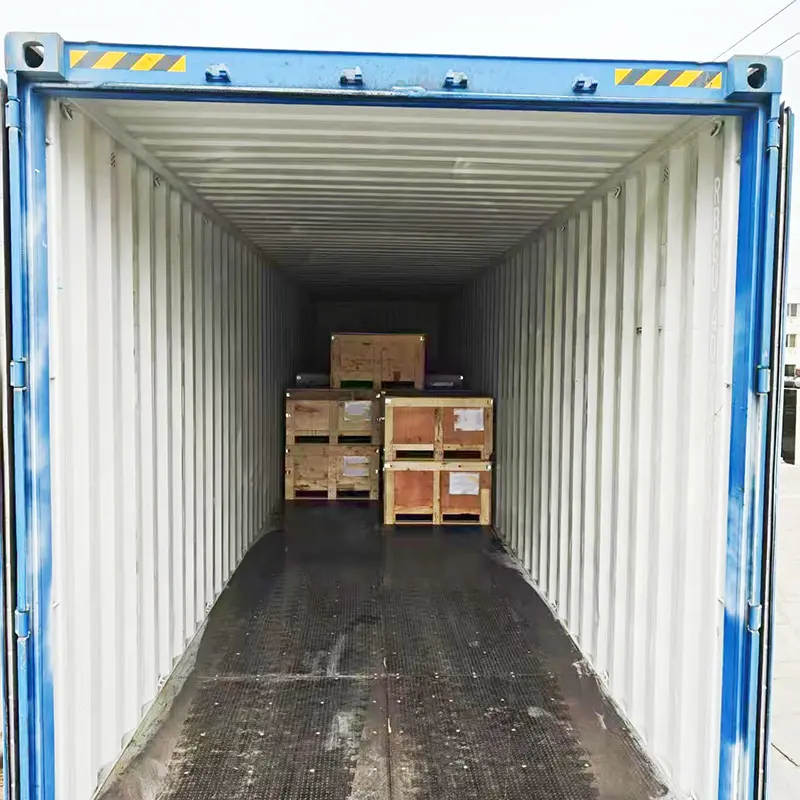
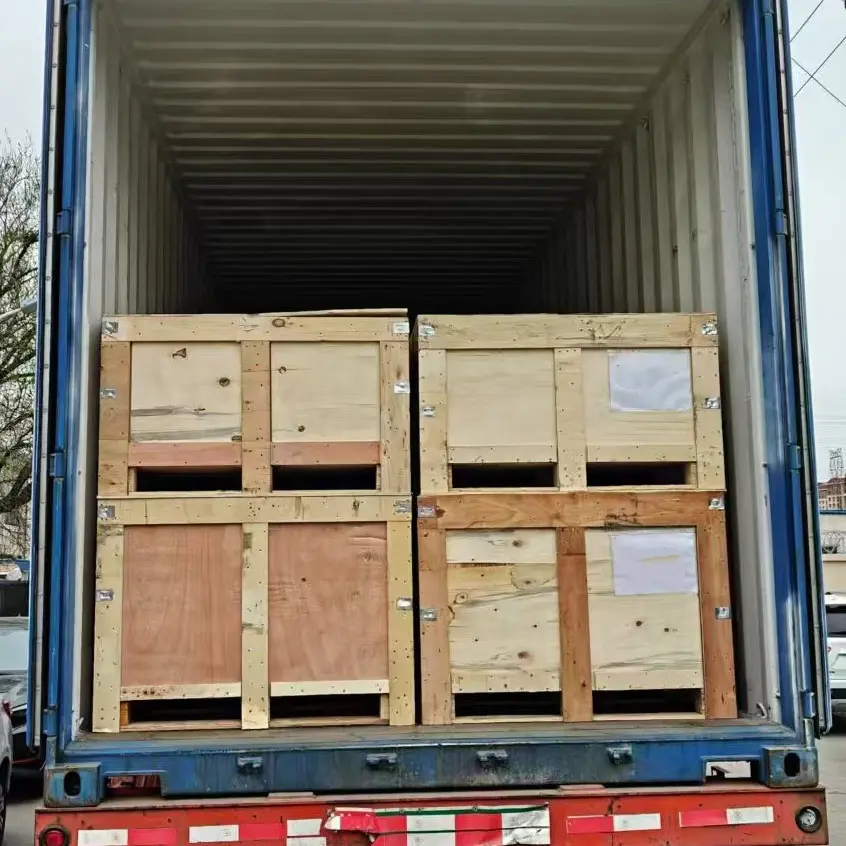
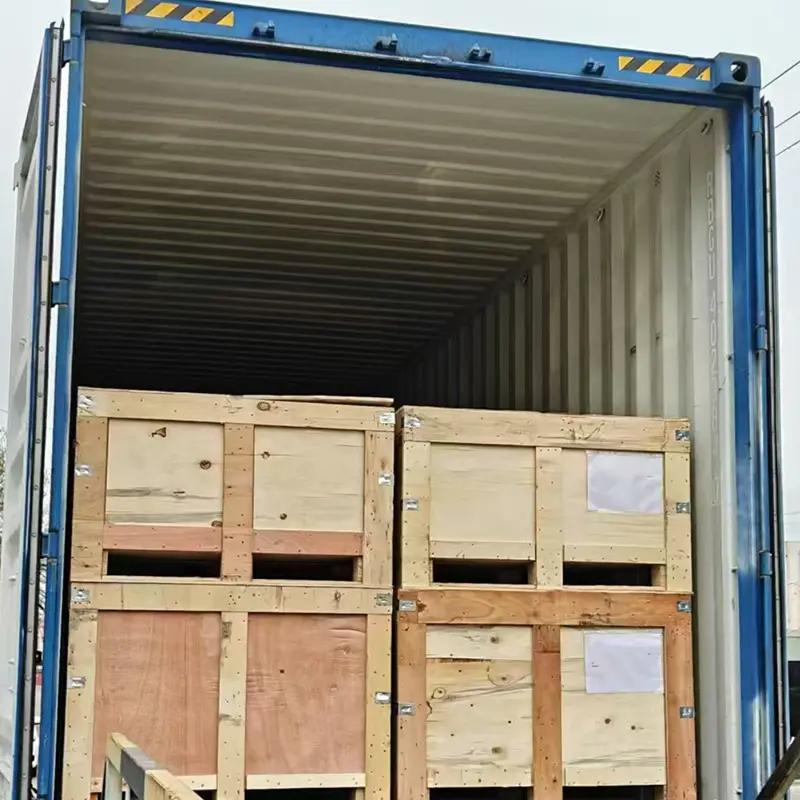
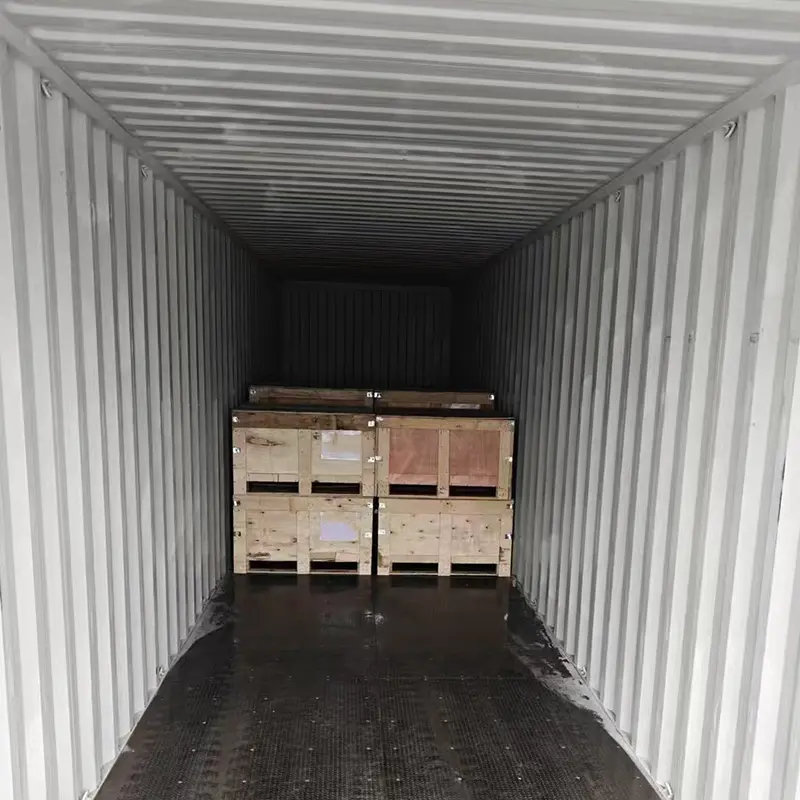
Packaging & Delivery
Frequently Asked Questions
Q: What standards govern the design and testing of these check valves?
The valves adhere to ASME B16.34 for design standard and wall thickness requirements, and are inspected and pressure tested in accordance with MSS SP-110 and EN 12266 standards.
Q: What is the difference in casting technology across the size range?
Sizes ranging from 1/2" to 4" utilize precision investment casting to ensure smooth surface finish and tight tolerances, while larger sizes from 5" to 10" employ composite casting for robust structural integrity.
Q: What media and operating temperatures can these check valves handle?
The valves are compatible with water, steam, oil, nitric acid, acetic acid, and urea. Depending on the material grade, the operating temperature range spans from -196℃ up to 540℃.
Q: How do check valves protect HVAC and municipal water systems?
They operate automatically using fluid pressure to prevent backflow when pumps shut down, which maintains network pressure, prevents contamination from storage tanks, and eliminates destructive water hammer forces.
Q: What body and trim material options are available for corrosive environments?
For corrosive applications, the valves can be configured with CF8 (304), CF3 (304L), CF3M (316L), and specialized stainless alloy trims including 00Cr17Ni14Mo2 and 0Cr18Ni12Mo2Ti.