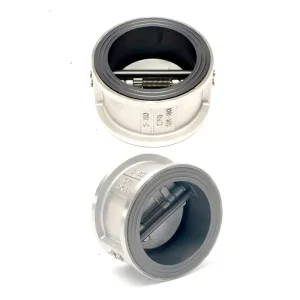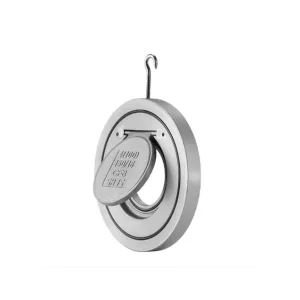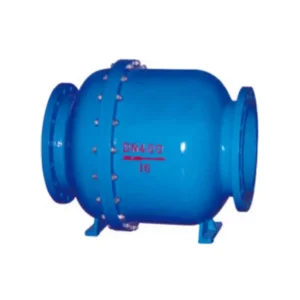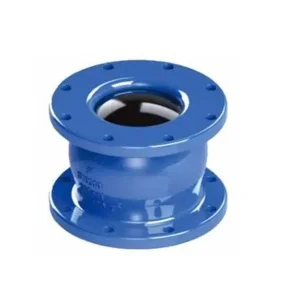
High-Quality High - Performance Silent Check Valve for Water Supply Systems Supplier, Manufacturers
Product Description
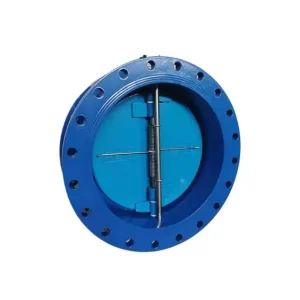
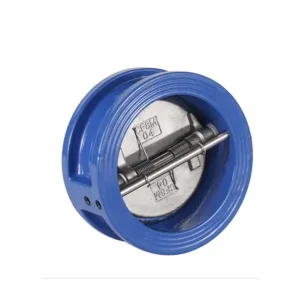
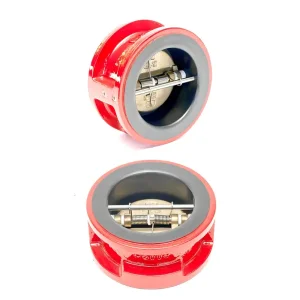
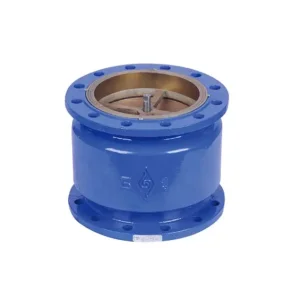
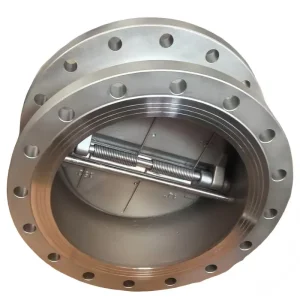
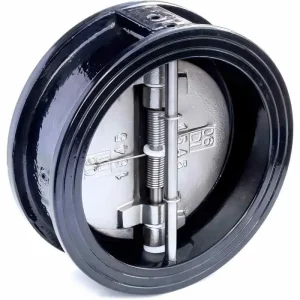
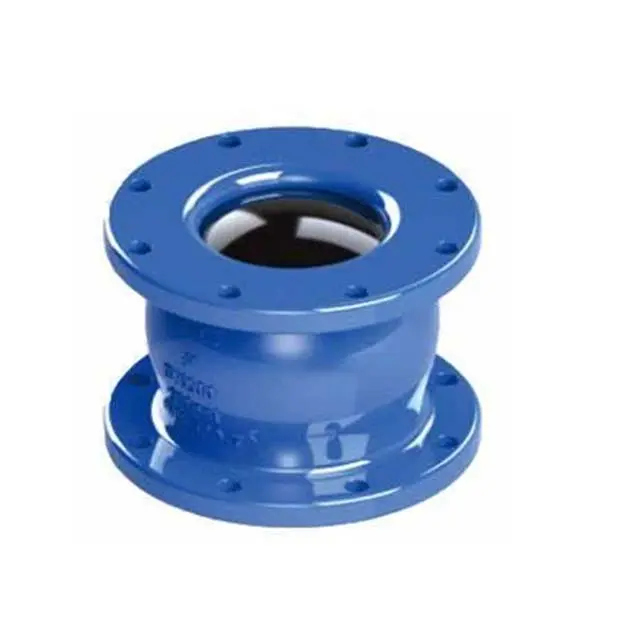
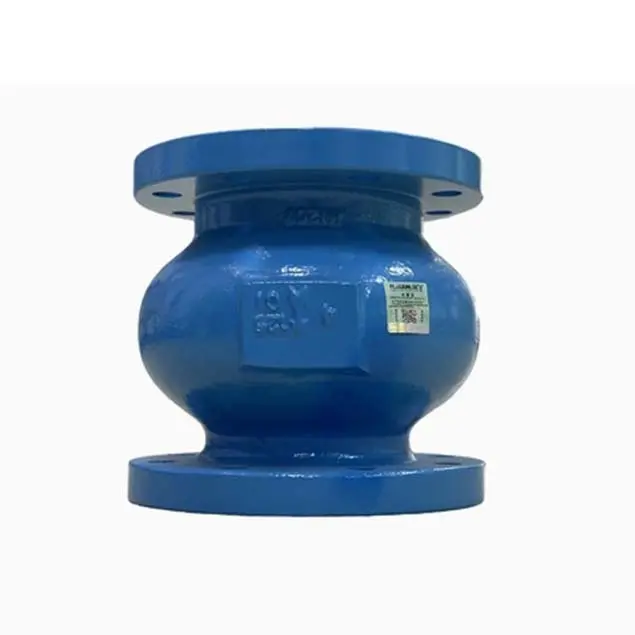
Main Component Materials
| Component Name | Valve Body | Valve Seat, Bearing, Disc, Shaft | Spring |
|---|---|---|---|
| Material | Ductile cast iron, grey cast iron | Aluminum bronze or stainless steel | Stainless steel |
Features
Silent check valves, also known as non-slam check valves, offer several advantages in fluid control systems, mainly in terms of noise reduction, protection against water hammer, reliable sealing, and low-maintenance requirements. The details are as follows:
Noise Reduction
As the name implies, a significant advantage of silent check valves is their ability to reduce noise. Traditional check valves can produce loud banging noises when the valve closes, especially in high-flow or high-pressure systems. In contrast, silent check valves are designed with mechanisms that slow down the closing process, minimizing the impact and thus reducing noise. This is particularly beneficial in applications where noise levels need to be kept low, such as in residential buildings, hospitals, and office complexes.
Prevention of Water Hammer
Water hammer is a phenomenon that occurs when there is a sudden change in the flow of fluid, causing a pressure surge that can damage pipes and equipment. Silent check valves are engineered to prevent or mitigate water hammer. The gradual closing action of these valves helps to smoothly stop the fluid flow, reducing the occurrence of pressure surges. This protects the entire piping system and associated components, increasing the system's reliability and reducing the risk of costly damage and leaks.
Reliable Sealing Performance
Silent check valves typically feature high-quality sealing materials and precise manufacturing processes, ensuring excellent sealing performance. They can effectively prevent backflow of fluids, even in systems with varying pressure conditions. This is crucial for maintaining the proper functioning of the system and preventing contamination or damage caused by reverse flow. For example, in a water supply system, a reliable silent check valve can prevent contaminated water from flowing back into the clean water supply.
Low Maintenance Requirements
Due to their simple and robust design, silent check valves generally require minimal maintenance. The absence of complex mechanical linkages or easily worn-out parts reduces the need for frequent inspections and repairs. This not only saves maintenance costs but also increases the uptime of the system. In industrial settings, where continuous operation is essential, the low-maintenance aspect of silent check valves is highly advantageous.
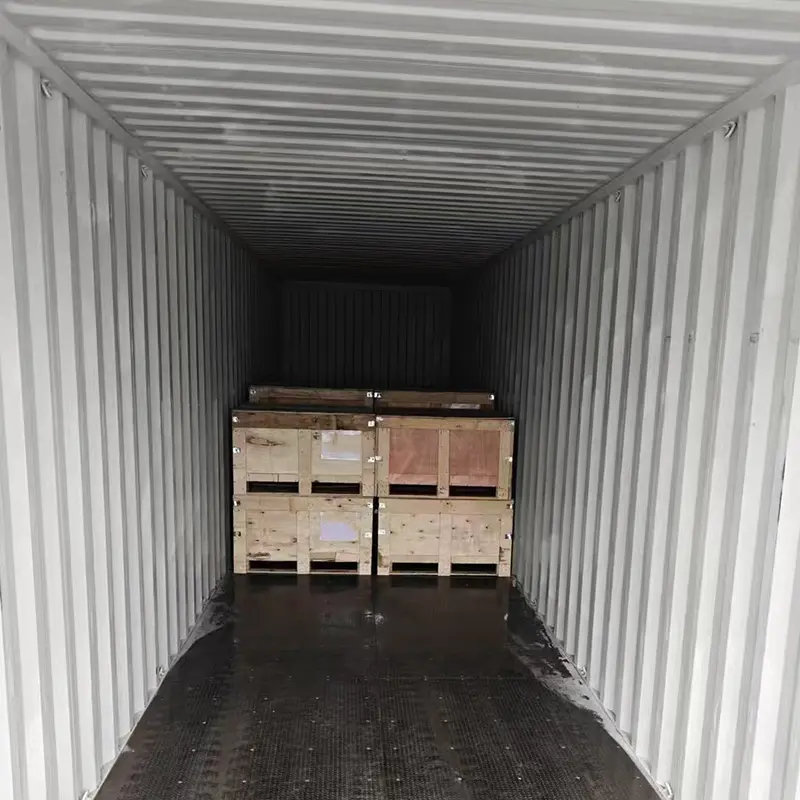
Packaging



Frequently Asked Questions
Q What is the primary function of a silent check valve?
A silent check valve is engineered to permit fluid flow in one direction while preventing reverse flow without generating loud slam noises or damaging pressure waves (water hammer).
Q How do silent check valves prevent water hammer?
They utilize internal spring mechanisms that guide the disc to close gradually and smoothly prior to flow reversal, effectively eliminating rapid pressure spikes.
Q What body and trim materials are used for durability?
The valve body is constructed from ductile cast iron or grey cast iron, while internal components like seats, discs, shafts, and springs are made of corrosion-resistant stainless steel or aluminum bronze.
Q Where are silent check valves commonly installed?
They are ideal for noise-sensitive and high-reliability environments such as commercial HVAC systems, municipal water distribution, residential pumping stations, and industrial fluid processing lines.
Q Why do silent check valves require low maintenance?
Their streamlined architecture lacks complicated external hinges or linkage assemblies, minimizing mechanical wear and extending operational service intervals.
Q Can silent check valves be installed vertically?
Yes, spring-assisted silent check valves can generally operate effectively in both horizontal and vertical upward flow orientations.