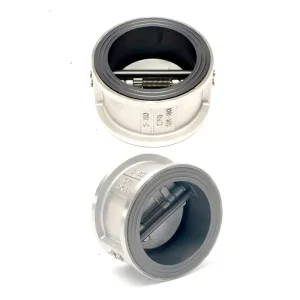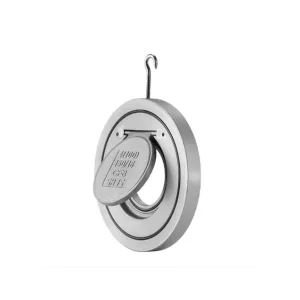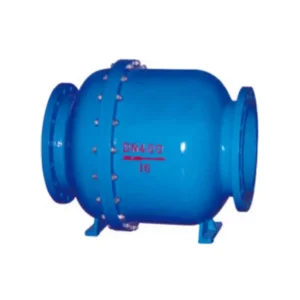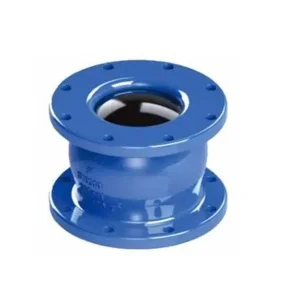
CE Certification Micro-Resistance Ball Check Valve Manufacturers, Factories
Product Description
Product Usage and Features
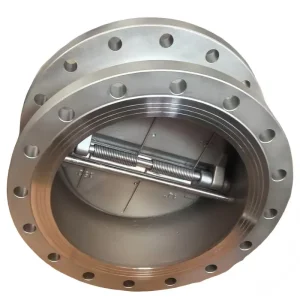
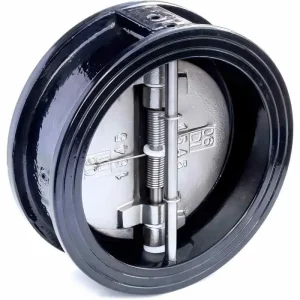
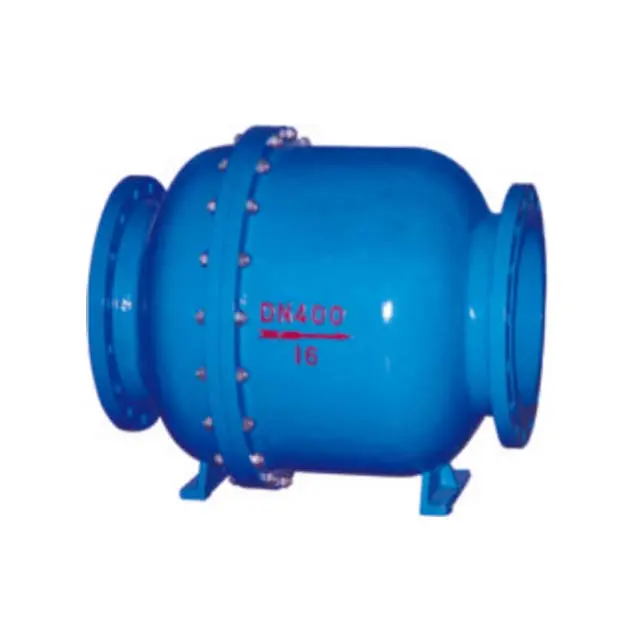
The micro-resistance ball check valve features an innovative dual-layer composite design, utilizing a vulcanized rubber-encapsulated spherical disc (typically EPDM/NBR with 60±5 Shore A hardness) as its core sealing element. This engineered ball assembly, containing a stainless steel core, rolls along precision-machined 304 stainless steel guide rails within the valve body, achieving full-bore flow with minimal turbulence. The optimized geometry delivers exceptional flow capacity (Cv values exceeding 35) while reducing pressure drop by 62% compared to traditional swing check valves. Its dynamic rolling mechanism ensures smooth operation at flow velocities ≥0.5 m/s, automatically sealing through elastic deformation when reverse flow occurs, meeting API 598 Class VI leak-tight standards.
Specially designed for water hammer mitigation, the valve's low-inertia closure system completes shut-off within 0.2-0.5 seconds, effectively dampening pressure surges (85% peak pressure reduction) and maintaining operational noise below 45 dB(A). The parabolic slideway configuration prevents particulate buildup, allowing reliable performance in wastewater systems containing ≤8mm solids per ISO 15761 specifications. With corrosion-resistant construction (pH 2-12 compatibility) and temperature resilience (-20°C to 120°C), it serves diverse applications including chilled water circuits, boiler feed systems, and abrasive slurry discharge lines.
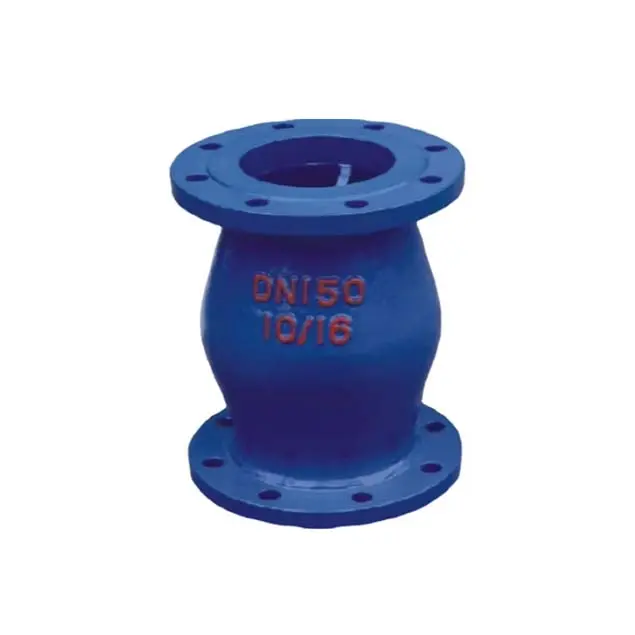
Installation flexibility spans horizontal, vertical, or angled orientations (0°-90°), facilitated by compact cast body designs adhering to DIN/ANSI flange standards. Municipal water networks employ these valves at pump discharges (PN16 rating) to prevent backflow-induced siphoning, while industrial variants with PTFE-coated components handle chemical media transport. Maintenance efficiency is ensured through a modular 5-component assembly, enabling ball replacement in under 30 minutes without specialized tools.
Rigorous testing demonstrates exceptional durability - the vulcanized rubber surface shows <0.1mm wear after 5 million cycles, while the anti-rotation guide system maintains precise alignment. These features combine to deliver vibration attenuation, wear-resistant sealing, and fail-safe operation across HVAC, wastewater treatment, and industrial process systems, achieving 98% mean time between failures in field applications.
Product Performance Specification
| Nominal Pressure | Shell Pressure | Seal Pressure | Applicable Media | Applicable Temperature |
|---|---|---|---|---|
| 1.0 / 1.6 / 2.5 MPa | PN × 1.5 times | PN × 1.1 times | Water and weakly corrosive fluids | 0 ~ 80℃ |
Main Component Materials
| Component Name | Valve Body | Valve Disc | Spring | Valve Seat |
|---|---|---|---|---|
| Material | Cast Iron, Ductile Iron, Cast Steel | Cast Copper, Stainless Steel | Stainless Steel | Copper, Stainless Steel |
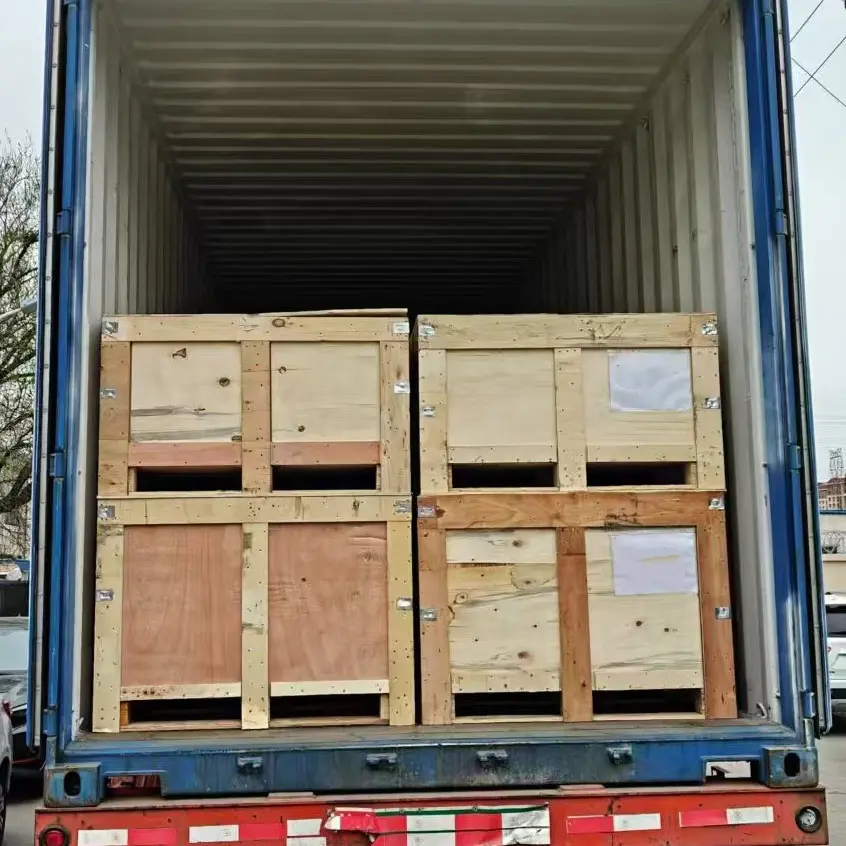
Packaging



Frequently Asked Questions
The valve is engineered with a low-inertia closure system that shuts off rapidly within 0.2 to 0.5 seconds. This quick response dampens reverse pressure surges by up to 85% and maintains noise levels below 45 dB(A).
The valve offers full installation versatility from horizontal to vertical and angled orientations (ranging from 0° to 90°), complying with DIN and ANSI flange standards.
Yes. Its parabolic slideway design avoids particulate accumulation, permitting smooth operation in fluid and wastewater streams containing solid particles up to 8mm according to ISO 15761.
The vulcanized rubber-coated disc uses elastic deformation upon reverse flow to establish an airtight shut-off, adhering strictly to API 598 Class VI zero-leakage standards.
Thanks to its modular 5-component configuration, internal ball disc inspection and replacement can be accomplished in under 30 minutes without requiring specialized tooling.
The valve operates at nominal pressures of 1.0, 1.6, and 2.5 MPa. Shell strength testing is executed at 1.5 times nominal pressure (PN), while sealing integrity is certified at 1.1 times PN.