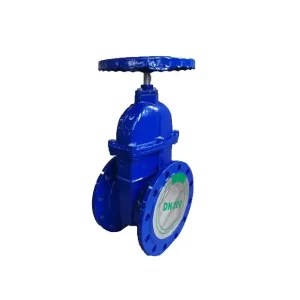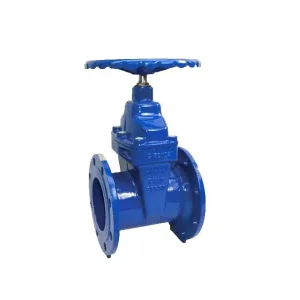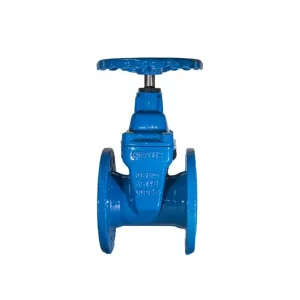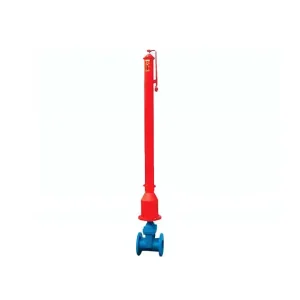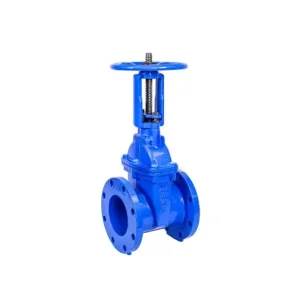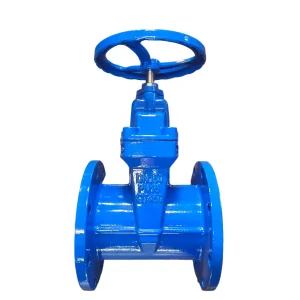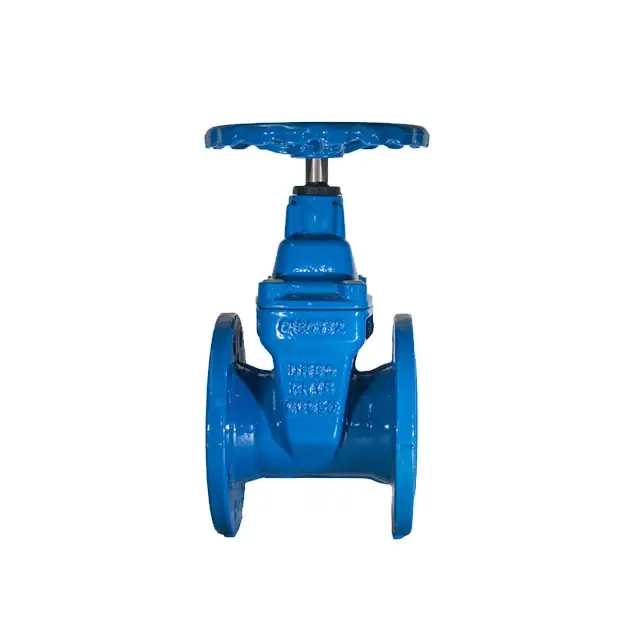
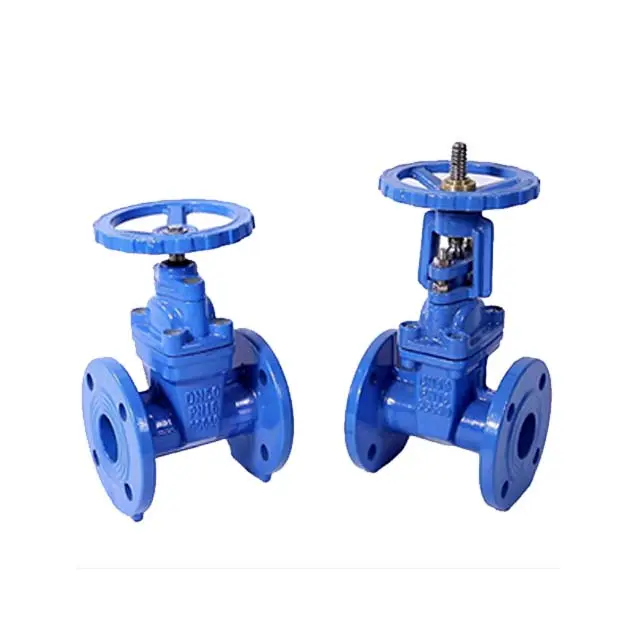
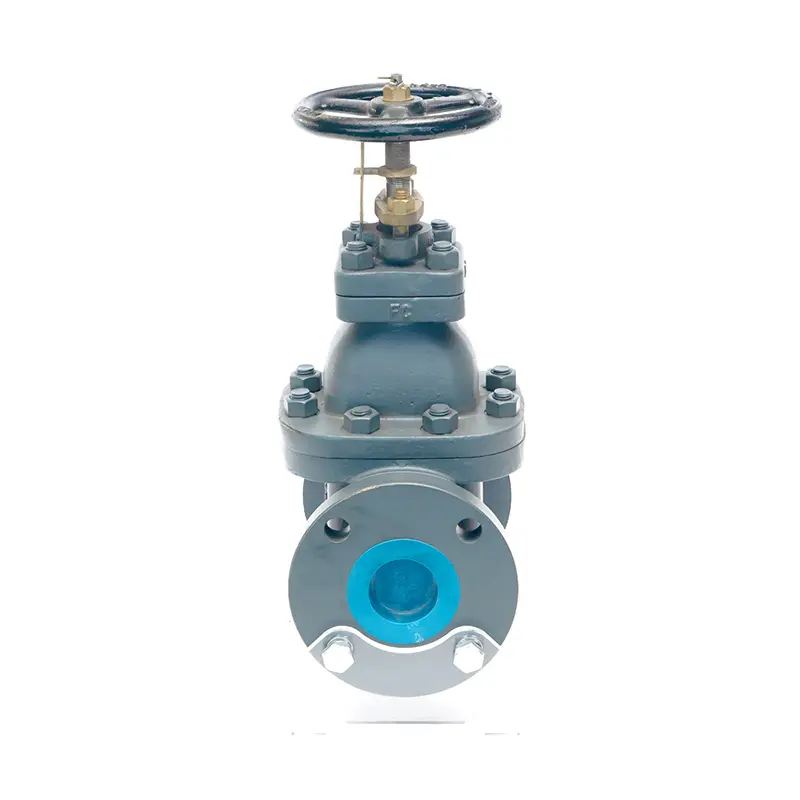
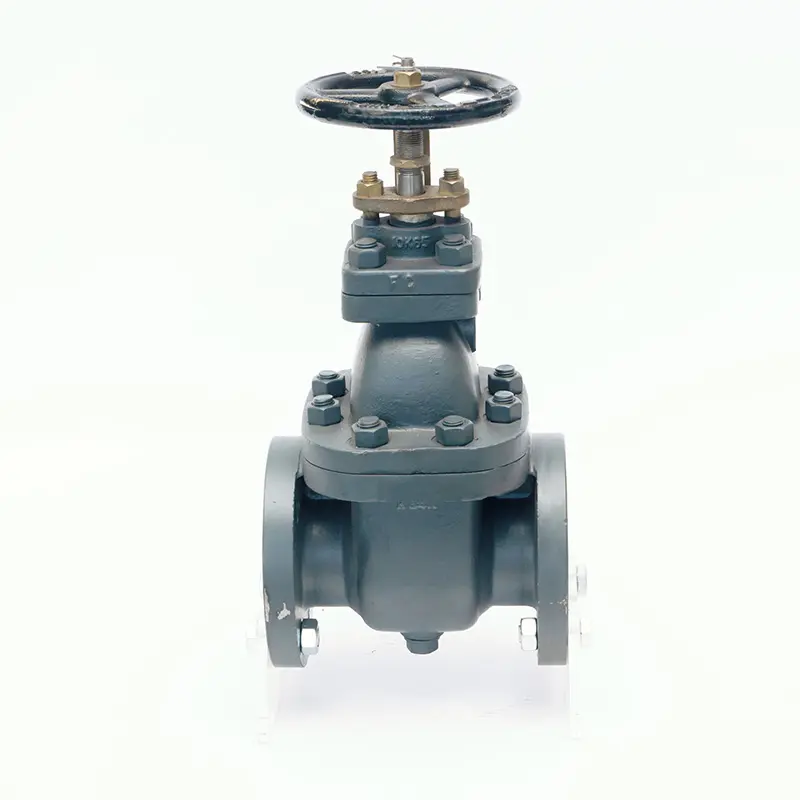
Wholesale Anti - Abrasion Elastic Seat Gate Valve with Reinforced Seat Suppliers, Supplier
Product Description
Product Features
1. Flat Bottom Valve Seat
Traditional gate valves often fail to close tightly and leak due to foreign objects such as stones, wood, cement, paper scraps, and other debris that accumulate in the groove at the bottom of the valve after water is passed through the pipe for cleaning. The bottom of the elastic seat gate valve adopts the same flat ground design as the water pipe, which is not easy to cause debris accumulation and allows the fluid to flow smoothly.
2. Full Rubber Coated
The valve plate is made of high-quality rubber for the whole inner and outer covering. The domestic first-class rubber vulcanization technology enables the vulcanized valve plate to ensure accurate geometric dimensions, and the rubber is firmly connected to the ductile cast iron valve gate, not easy to fall off and has good elasticity.
3. Corrosion Protection
The valve body is coated with powder epoxy resin to prevent corrosion and rust of the valve body and can be used in sewage systems.
4. Not Easy to Break
In the past, traditional cast iron gate valves often broke due to foreign objects hitting, colliding or overlapping. Since this valve uses ductile iron, this situation can be greatly reduced.
5. Three O Type Seal Ring
The valve body adopts a three-O-ring sealing design, which can reduce friction resistance during opening and closing, greatly reduce water leakage, and can replace the sealing ring without stopping water.
6. Helps to Drink
Since the inside of the valve body is coated with non-toxic epoxy resin and the inner and outer surfaces of the gate are completely covered with rubber, there will be no rust or corrosion, and it can be used for drinking.
7. Precision Casting Valve Body
The valve body is precision cast, and the precise geometric dimensions ensure the tightness of the valve without any finishing inside the valve body.
8. Light Weight
This valve is made of ductile iron casting, and its weight is about 20%-30% lighter than traditional gate valves. Easy to install and maintain.
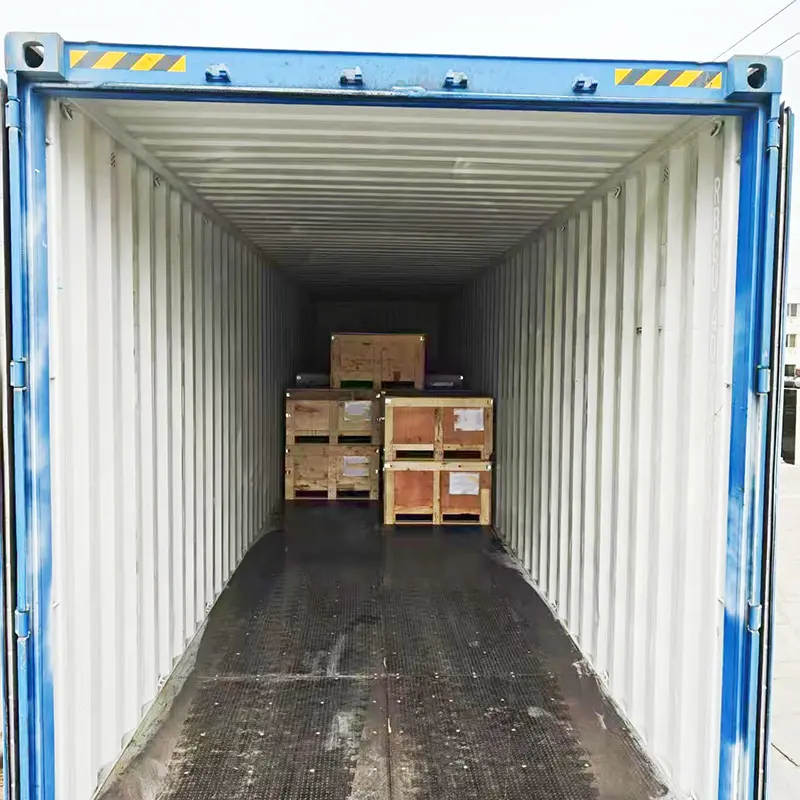
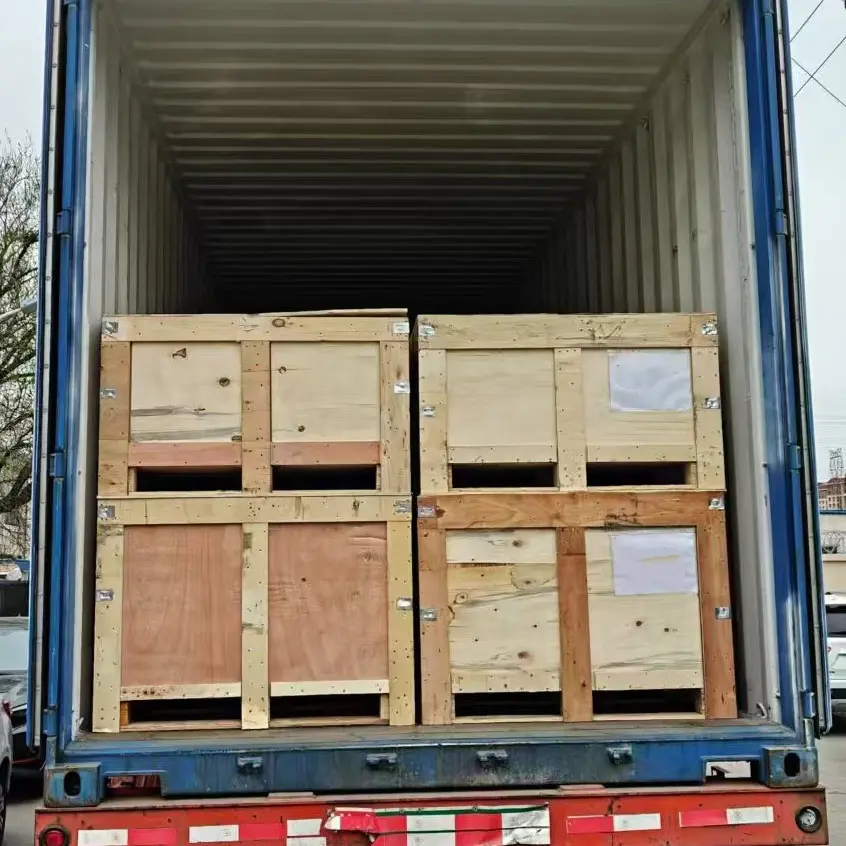
Packaging
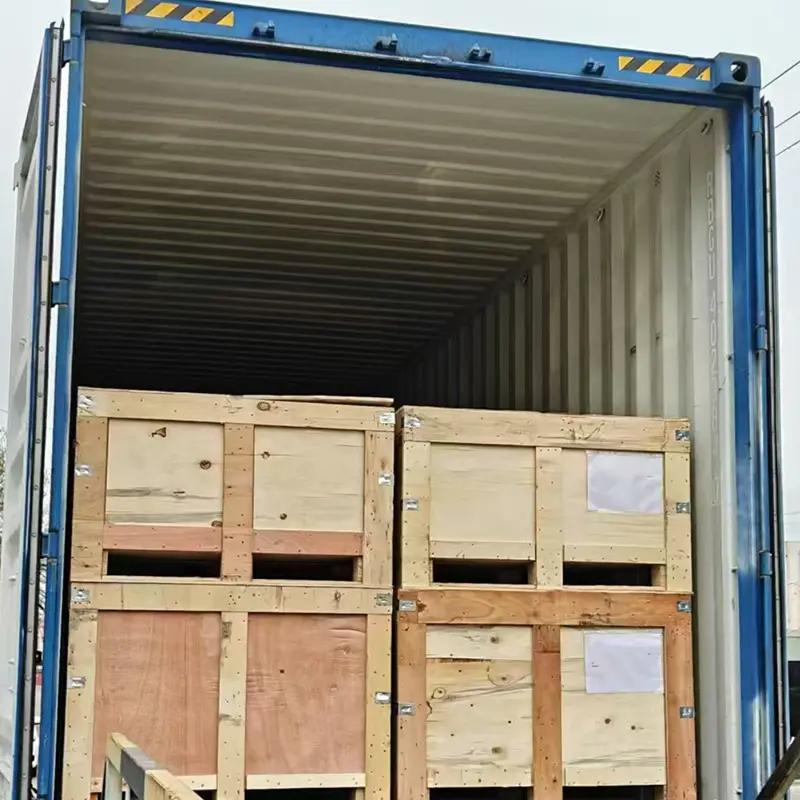
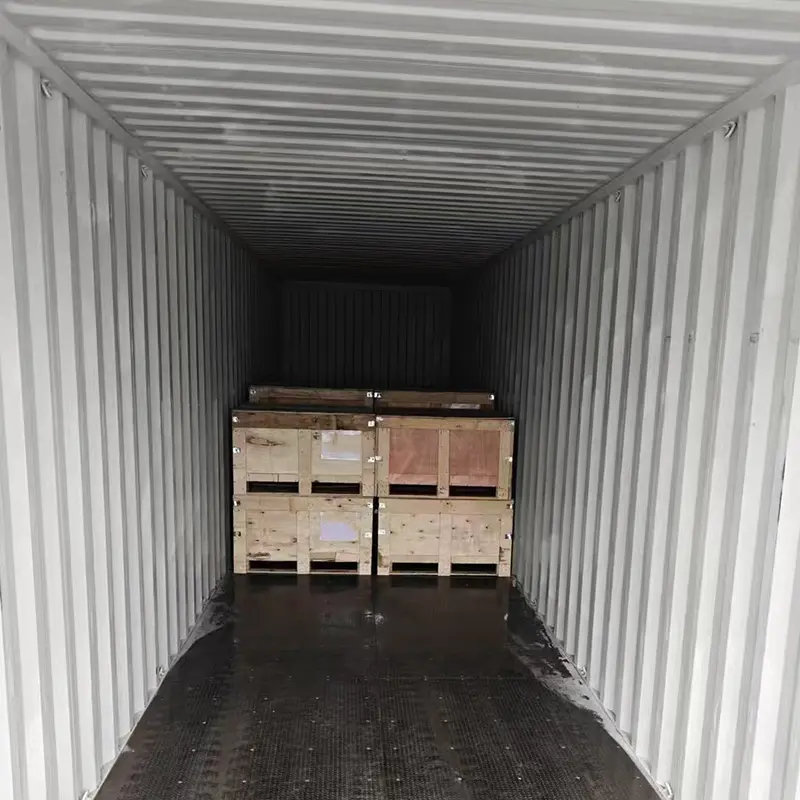
Frequently Asked Questions
Why is a flat bottom seat design better than traditional grooves?
Traditional gate valves have bottom recesses where sand, gravel, and debris accumulate, preventing a complete seal. The flat bottom design aligns smoothly with the pipe interior, ensuring debris washes through without settling.
Can this gate valve be used safely in potable drinking water networks?
Yes. The interior of the ductile iron body is thoroughly coated with non-toxic epoxy resin, and the wedge is fully rubber encapsulated, preventing rust, leaching, and corrosion.
Can the stem seal rings be replaced without shutting down the pipeline?
Yes. The valve features a three-O-ring sealing structure that provides superior leak tightness and allows the seal rings to be replaced under working pressure without stopping water flow.
What makes ductile iron preferable to traditional gray cast iron?
Ductile iron offers significantly higher tensile strength and impact resistance, dramatically decreasing the risk of cracking or fracturing from mechanical collisions while being 20% to 30% lighter.
Is this valve suitable for municipal wastewater and sewage systems?
Yes. The electrostatically applied epoxy powder resin coating provides robust defense against harsh chemical agents, making it fully applicable to both clean potable lines and sewage environments.