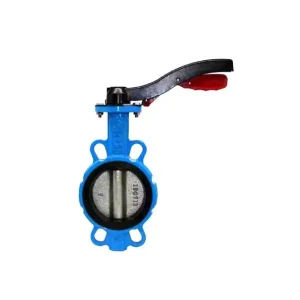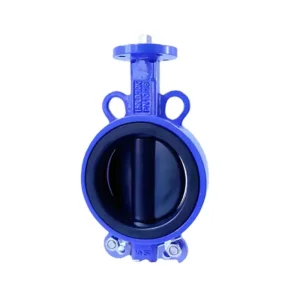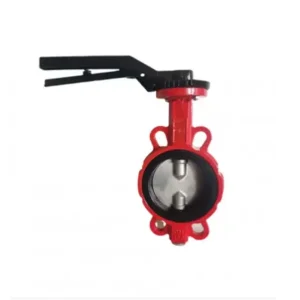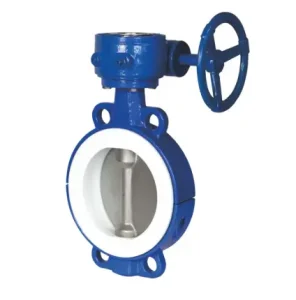
Wholesale Ceramic Disc Wafer Butterfly Valve - Durable & Efficient Design Supplier, Factories
Product Description
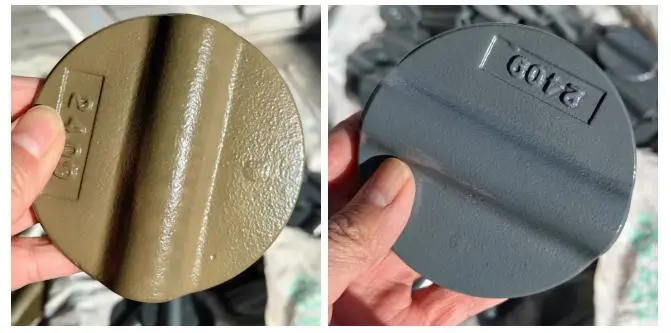
For sealing surface coatings of valves in clean water pipelines (alumina material): the medium is non-corrosive and free of solid particle erosion, with only low-pressure friction generated during opening and closing. The service life can reach 5–10 years or even longer.
For coatings of slurry and mineral slurry valves (silicon carbide or WC-Cr₃C₂ composite coatings): the medium contains high-hardness particles flowing at high velocity, subjecting the coating to long-term erosive wear. Typical service life ranges from 6 to 18 months. If the medium carries strong acids or alkalis (corrosive chemical media), coating life may be reduced to 3–6 months.
For zirconia thermal barrier coatings on high-temperature flue gas butterfly valves operating continuously at 500–800°C: service life can hit 3–5 years without drastic temperature fluctuations. Frequent thermal cycling, however, readily triggers coating cracking and spalling due to thermal stress, cutting service life to 1–2 years.
Silicon carbide and tungsten carbide-based coatings are selected for wear-resistant service conditions, while titanium oxide and silicon nitride coatings apply to anti-corrosion scenarios. Mismatched materials directly halve service life. For instance, an alumina coating deployed against strong acid media may suffer pitting corrosion and spalling within 3 months.
High-velocity oxy-fuel (HVOF) spraying produces highly dense coatings with porosity below 1% and bonding strength exceeding 70 MPa, delivering a service life 2–3 times longer than conventional plasma-sprayed coatings. Laser cladding yields coatings with metallurgical bonding, which outperform thermal-sprayed counterparts in impact resistance and offer extended service life under alternating loads.
Regular removal of particulate contaminants inside valves, avoiding excessive valve cycling (to reduce friction on sealing surfaces), and maintaining medium temperature and pressure within design limits can effectively extend coating service life by 30%–50%. In contrast, rough operation or operation beyond rated working conditions accelerates coating wear and cracking.
- Manufactured with industrial resin system and ceramic fillers, zero VOC emission, compliant with EU RoHS standards.
- Continuous operating temperature ≤ 200°C; short-term peak temperature up to 250°C.
- Coating thickness ranges from 80 to 200 microns, adjustable per application requirements.
- Impact test: A Φ20 mm steel ball dropped freely from a height of 1.5 m causes no cracking of the coating.
- Salt spray test: No coating damage after 1000 hours of testing. (Control reference: After only 72 hours, floating rust forms on 304 stainless steel plates, and nickel-plated ductile iron surfaces are fully corroded).
- Immersion test: Ceramic coating remains free of blistering, delamination and discoloration after 10 years of immersion in 10% NaOH and 10% NaCl solutions.
- 4-inch valve plate simulation tests:
(1) Immersed in simulated seawater (3.5 wt% salt content) for 30 days: no coating degradation observed.
(2) Undergoes 200,000 continuous opening-closing cycles with no erosion or wear detected.
(3) Continuous flushing test for 240 hours at half-open position (1/20 opening) with impurity-laden simulated seawater (3.5 wt% salt + 5 wt% 10-mesh silica powder): stays intact without damage.
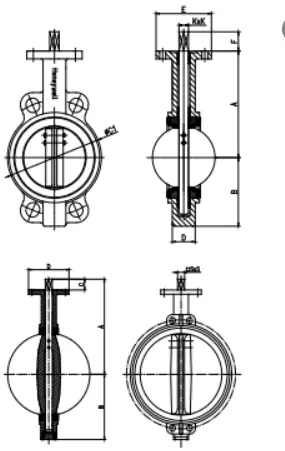
| Size | A | B | C2 | D | E | F | KxK | Top PCD | Top Plate HOLE N-Dia |
|---|---|---|---|---|---|---|---|---|---|
| DN50 | 140 | 70 | 105 | 41 | 90 | 30 | 11x11 | 70 | 4-θ9 |
| DN65 | 152 | 76 | 117 | 44 | 90 | 30 | 11x11 | 70 | 4-θ9 |
| DN80 | 159 | 91 | 130 | 44 | 90 | 30 | 11x11 | 70 | 4-θ9 |
| DN100 | 178 | 102 | 162 | 51 | 90 | 30 | 14x14 | 70 | 4-θ9 |
| DN125 | 191 | 119 | 187 | 54 | 90 | 30 | 14x14 | 70 | 4-θ9 |
| DN150 | 203 | 133 | 216 | 54 | 90 | 30 | 17x17 | 70 | 4-θ11 |
| DN200 | 241 | 170 | 271 | 64 | 125 | 30 | 17x17 | 102 | 4-θ11 |
| DN250 | 273 | 210 | 330 | 64 | 125 | 30 | 22x22 | 102 | 4-θ11 |
| DN300 | 308 | 243 | 376 | 76 | 125 | 30 | 22x22 | 102 | 4-θ11 |
| Size | A | B | C2 | D | E | F | K | SxS/d | Top Plate Data PCD |
|---|---|---|---|---|---|---|---|---|---|
| DN350 | 413 | 267 | 45 | 150 | 80 | 525 | 470 | 22x22 | 125 |
| DN400 | 451 | 309 | 45 | 175 | 90 | 585 | 525 | 27x27 | 140 |
| DN450 | 467 | 318 | 45 | 175 | 109 | 650 | 585 | 27x27 | 140 |
| DN500 | 525 | 350 | 45 | 175 | 127 | 720 | 650 | 36x36 | 140 |
| DN600 | 607 | 410 | 45 | 210 | 154 | 850 | 770 | 36x36 | 165 |
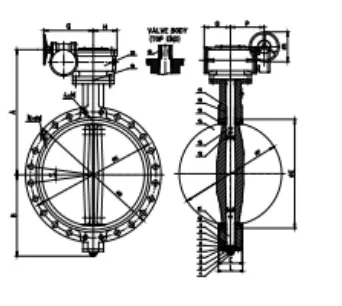
| Size | A | B | C | L | фD | фK | Nxфd | 4xM | фE | фF | a° | G | H | O | P | фR | Weight(Kg) |
|---|---|---|---|---|---|---|---|---|---|---|---|---|---|---|---|---|---|
| DN700 | 784 | 581 | 163 | 169 | 895 | 840 | 24xф31 | / | 741 | 695 | 15 | 355 | 146 | 146 | 228 | 400 | 361 |
| DN800 | 832 | 655 | 188 | 195 | 1015 | 950 | 24xф34 | / | 847 | 794.7 | 15 | 355 | 146 | 146 | 228 | 400 | 444 |
| DN900 | 974 | 745 | 203 | 211 | 1115 | 1050 | 24xф34 | 4xM30 | 943 | 864.7 | 12.857 | 377 | 170 | 170 | 243 | 450 | 660 |
| DN1000 | 1054 | 803 | 216 | 224 | 1230 | 1160 | 24xф37 | 4xM33 | 1049 | 965.7 | 12.857 | 377 | 170 | 170 | 243 | 450 | 830 |
| Size | A | B | C | L | фD | фK | Nxфd | 4xM | фE | фF | a° | G | H | O | P | фR | Weight(Kg) |
|---|---|---|---|---|---|---|---|---|---|---|---|---|---|---|---|---|---|
| DN700 | 784 | 581 | 163 | 169 | 910 | 840 | 20xф37 | 4xM33 | 741 | 695 | 15 | 355 | 146 | 146 | 228 | 400 | 396 |
| DN800 | 926 | 655 | 188 | 195 | 1025 | 950 | 20xф40 | 4xM36 | 847 | 794.7 | 15 | 377 | 170 | 170 | 243 | 450 | 573 |
| DN900 | 974 | 745 | 203 | 211 | 1125 | 1050 | 24xф40 | 4xM36 | 943 | 864.7 | 12.857 | 377 | 170 | 170 | 243 | 450 | 690 |
| DN1000 | 1110 | 803 | 216 | 224 | 1255 | 1170 | 24xф43 | 4xM39 | 1049 | 965.7 | 12.857 | 476 | 180 | 250 | 302 | 450 | 1025 |
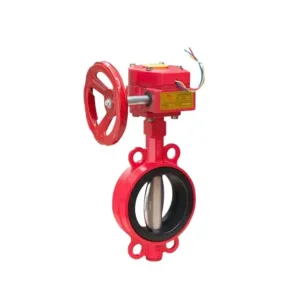
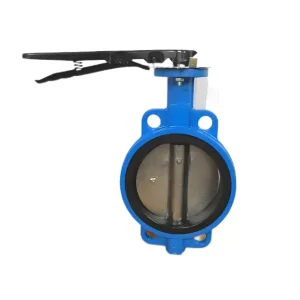
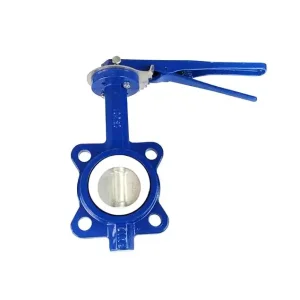
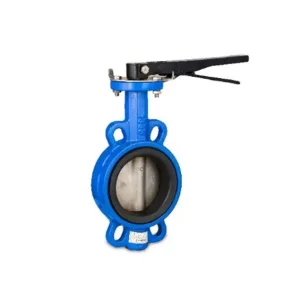
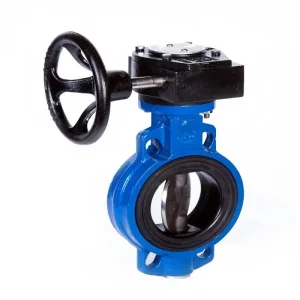
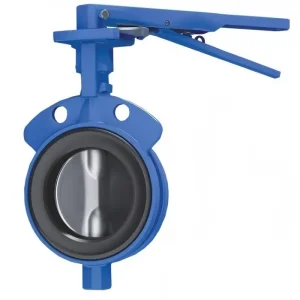
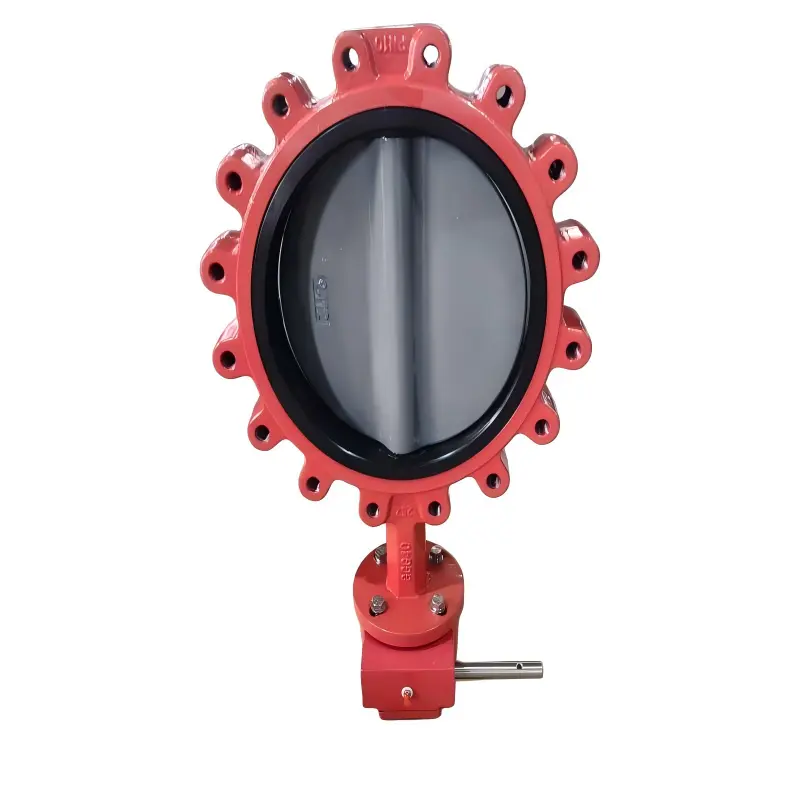
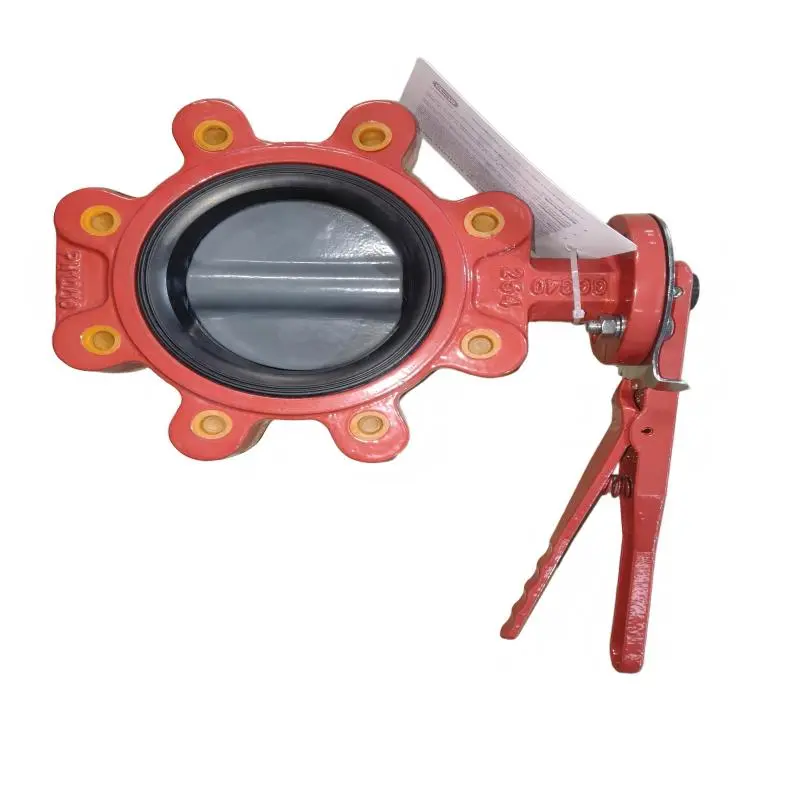
Wafer butterfly valves feature a compact and lightweight structure that makes them exceptionally space-efficient. They are designed to be sandwiched directly between two flanges, which lowers installation complexity and cuts down on labor time and costs.
In mild conditions (clean water pipelines), service life ranges from 5 to 10+ years. In severe slurry and abrasive applications, life expectancy is between 6 and 18 months (or 3 to 6 months with harsh chemicals). Under high-temperature flue gas conditions (500–800°C), it lasts 3 to 5 years, which may reduce to 1 to 2 years under frequent thermal cycling.
High-Velocity Oxy-Fuel (HVOF) spraying produces coating densities with porosity under 1% and bonding strength over 70 MPa, outperforming plasma-sprayed coatings by 2–3 times. Laser cladding provides metallurgical bonding, offering maximum impact resistance under alternating load conditions.
The ceramic coating endures 1,000 hours in salt spray testing without damage, whereas standard 304 stainless steel exhibits rust within 72 hours and nickel-plated ductile iron completely corrodes. It also shows zero degradation, blistering, or delamination even after 10 years of immersion in 10% NaOH and 10% NaCl solutions.
Routinely purging internal particulate contaminants, eliminating excessive cycling to avoid unnecessary friction on sealing faces, and keeping medium temperature and pressure strictly within rated parameters can extend the coating's operating life by 30% to 50%.