CE Certification PTFE Lined Stainless Steel Butterfly Valve Manufacturer, Factory
Product Description
Application & Overview
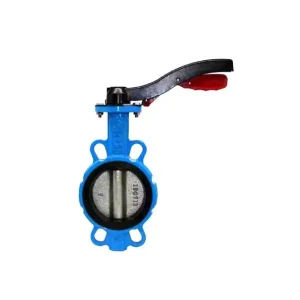
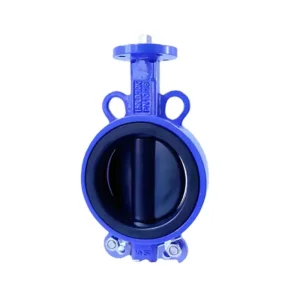
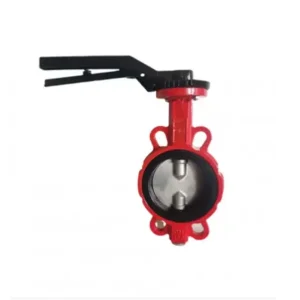
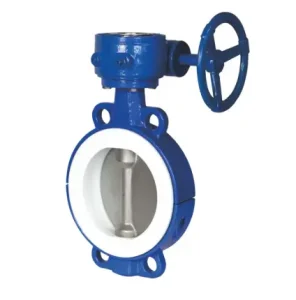
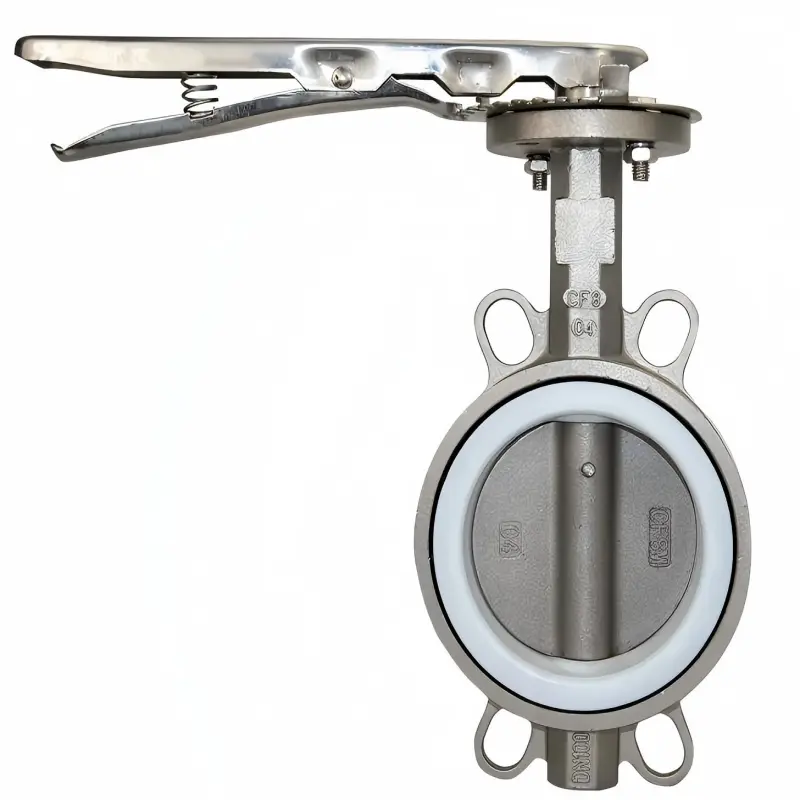
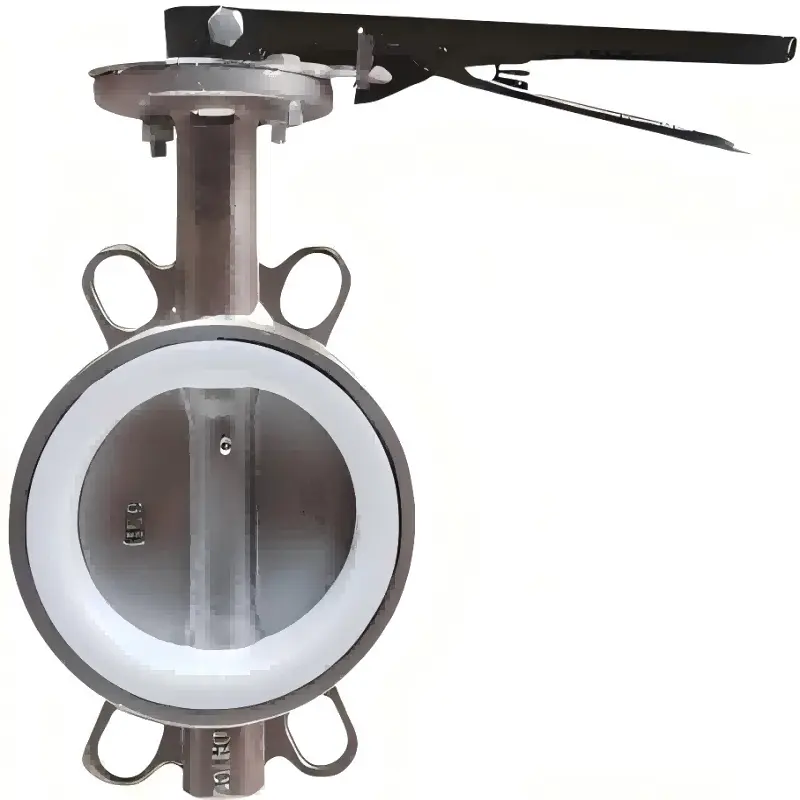
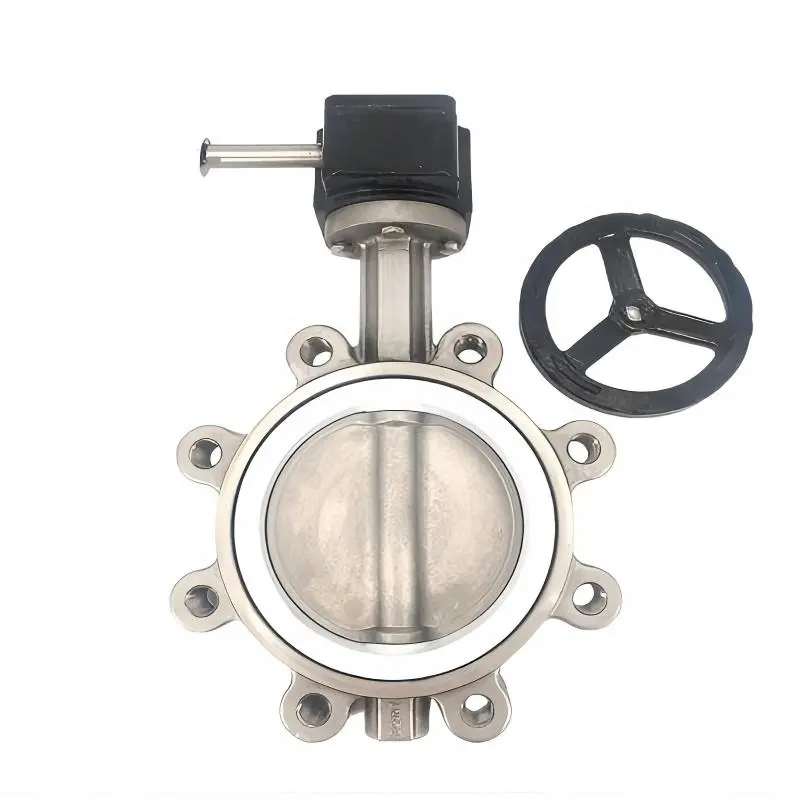
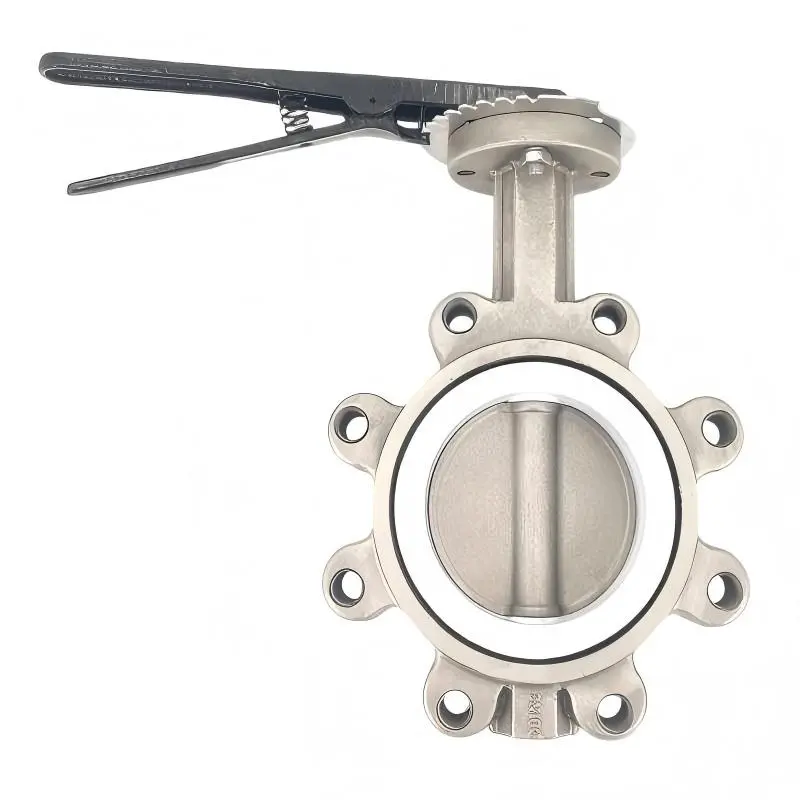
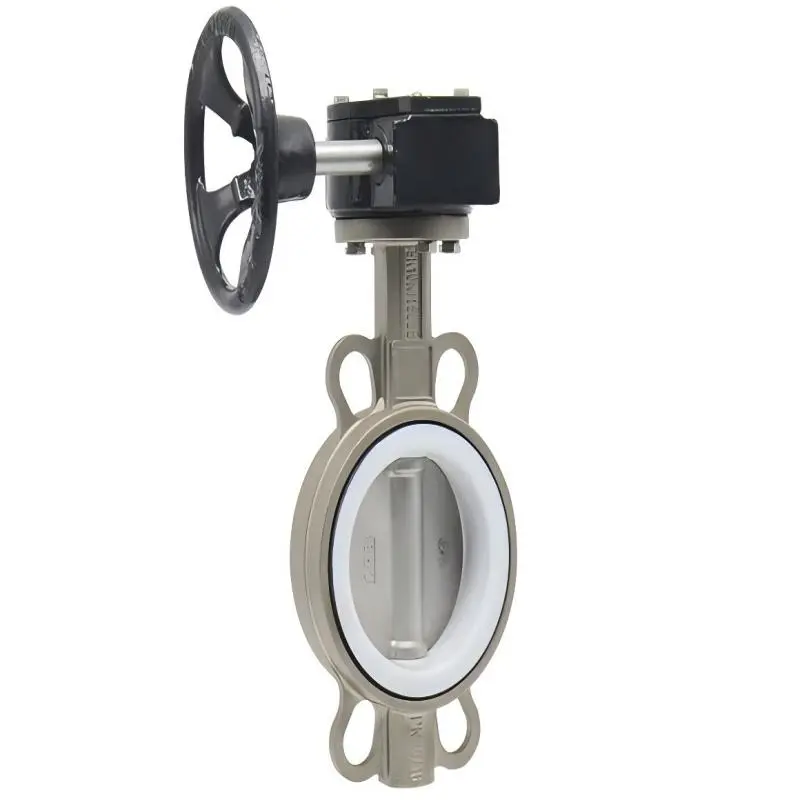
The PTFE lined stainless steel butterfly valve is a versatile, high-reliability fluid control device engineered for corrosive and high-purity industrial piping systems. It integrates durable stainless steel mechanical structure and inert PTFE lining technology, balancing structural robustness, precise flow regulation and extreme medium adaptability, which makes it a mainstream preferred valve in modern industrial fluid engineering.
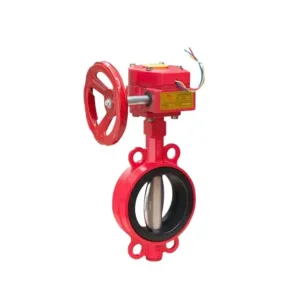
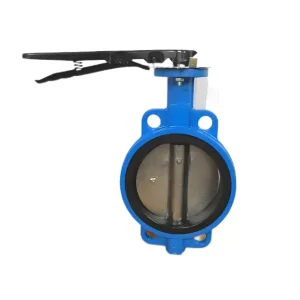
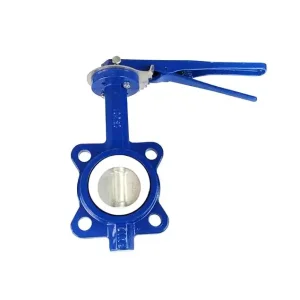
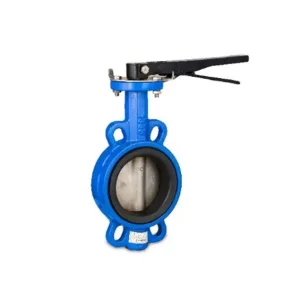
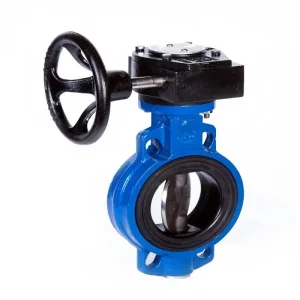
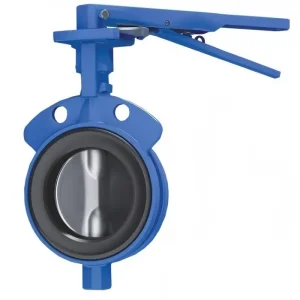
In terms of technical specifications, this valve adopts high-grade SS304 or SS316 stainless steel for the valve body, disc and valve shaft, effectively avoiding rust, deformation and structural damage under long-term pressurized operation. It supports standard size ranges from DN50 to DN600, covering most industrial pipeline specifications. The pressure grades comply with PN10/PN16 and ANSI 150LB industrial standards, adapting to conventional and medium-pressure pipeline working conditions. The full virgin PTFE lining covers all wetted internal parts, featuring a full pH tolerance of 0–14. It maintains stable sealing and structural performance in a wide temperature range of -30°C to 200°C. Certified with ISO 9001, CE and relevant industrial testing standards, it achieves Class A bubble-tight zero leakage in line with EN 12266-1 specifications. Equipped with 90° rotary control modes including manual lever, gear, pneumatic and electric actuation, it supports flexible switch and proportional flow regulation.
This product boasts prominent comprehensive advantages compared with ordinary rubber-lined and cast iron valves. Firstly, the PTFE lining delivers exceptional chemical inertness, resisting strong acids, strong alkalis, organic solvents, oxidizing media and other corrosive substances, solving the common problems of lining aging, corrosion and medium contamination. Secondly, the stainless steel body provides superior mechanical strength and pressure resistance, ensuring stable operation in high-temperature, high-pressure and harsh outdoor environments with a greatly extended service life. In addition, the compact wafer and lug-type structure enables fast installation and convenient disassembly. Its split-body design allows internal maintenance and lining replacement without removing the valve from pipelines, reducing equipment downtime and maintenance costs by nearly 40%. Meanwhile, the smooth PTFE inner wall minimizes fluid friction and pressure loss, improving pipeline transmission efficiency and realizing energy-saving operation.
Driven by the rapid development of industrial upgrading and environmental protection industries, the market demand for PTFE lined stainless steel butterfly valves continues to grow steadily. It is widely applied in chemical processing, pharmaceutical manufacturing, food and beverage production, environmental wastewater treatment, new energy and metallurgical industries. In pharmaceutical and food industries, its non-toxic, hygienic and pollution-free properties meet high-purity fluid control standards. In chemical and environmental protection fields, it solves the pain point of corrosive medium pipeline control.
With the global stricter industrial safety and environmental protection standards, high-performance corrosion-resistant valves have become indispensable supporting equipment for industrial pipeline systems. Thanks to its cost-effectiveness, stable performance and wide applicability, this valve occupies an important market share in the industrial valve industry and has broad market development prospects.
Product Showcase
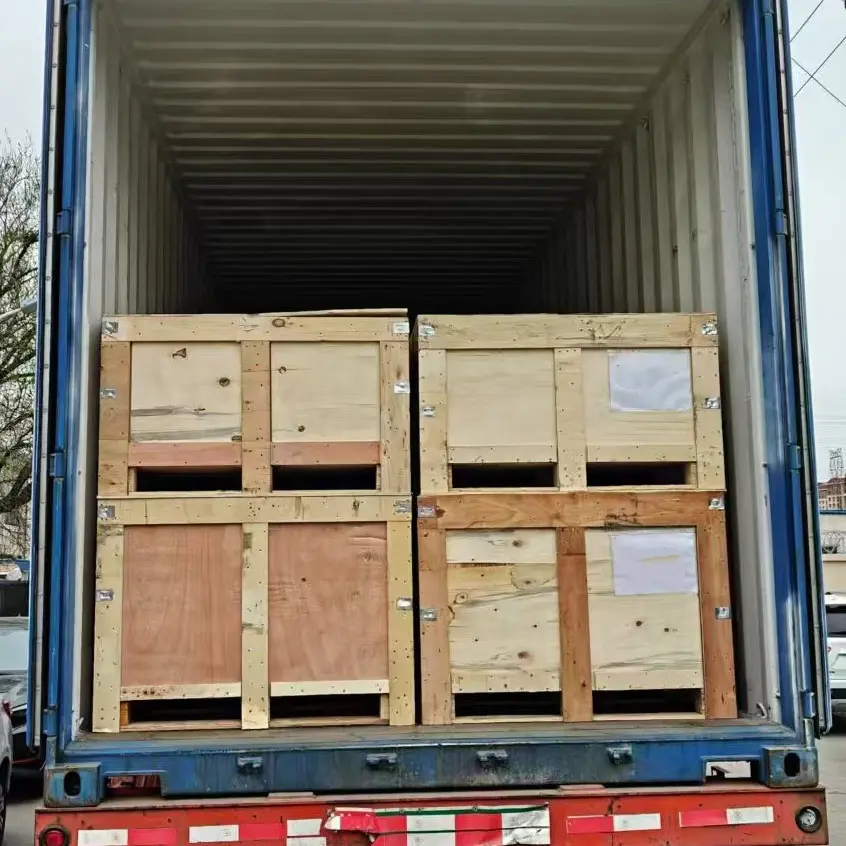
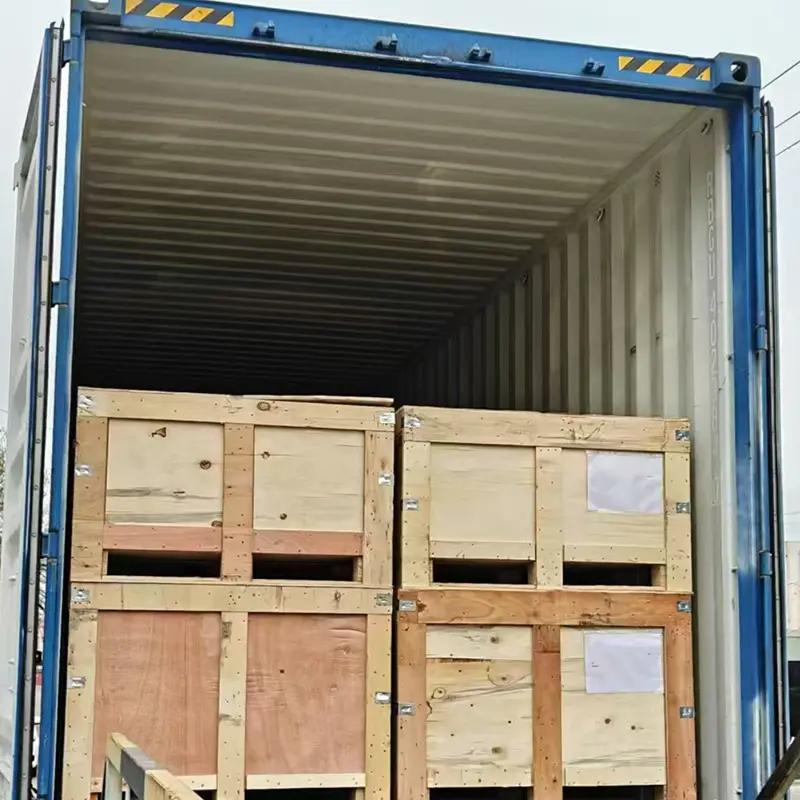
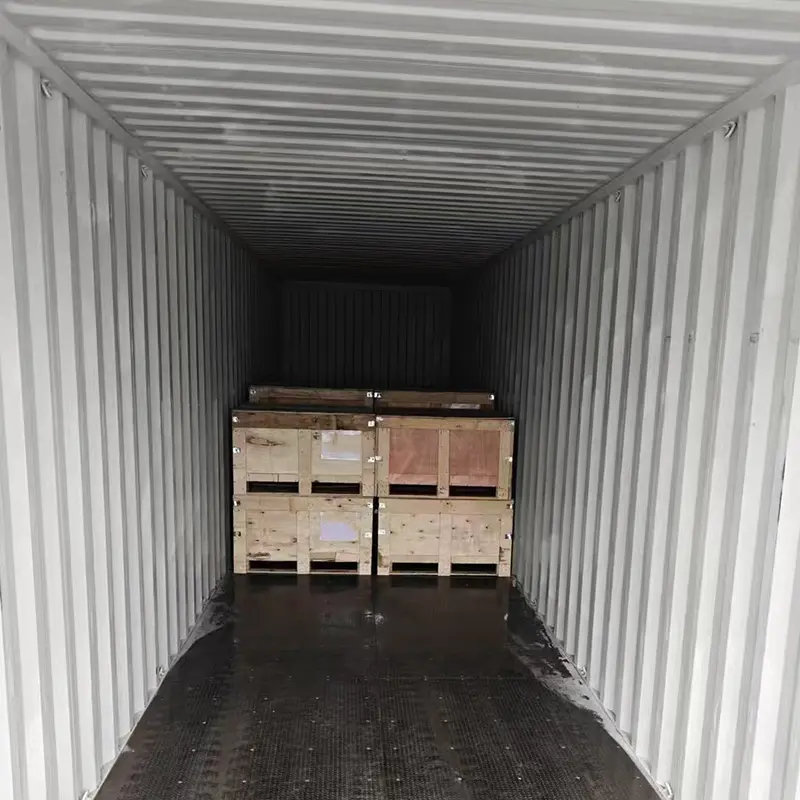
Packaging
Frequently Asked Questions
What materials are utilized for this butterfly valve's body and internal lining?
The valve body, disc, and shaft are constructed from high-grade SS304 or SS316 stainless steel to eliminate rust and structural deformation, while all internal wetted parts are fully covered with virgin PTFE lining for high chemical inertness.
What are the standard size ranges and pressure ratings available?
The valve supports standard nominal diameters ranging from DN50 to DN600 and conforms to PN10, PN16, and ANSI 150LB industrial pressure standards, meeting the demands of most pipeline setups.
What temperature and chemical conditions can the PTFE lining withstand?
The full virgin PTFE lining features complete pH compatibility spanning 0 to 14, resisting strong acids, alkalis, and organic solvents. It operates dependably across temperatures ranging from -30°C to 200°C.
What sealing standard and certifications does the valve fulfill?
The valve is certified according to ISO 9001 and CE requirements, achieving Class A bubble-tight zero leakage in compliance with EN 12266-1 testing criteria.
How does the split-body structure reduce pipeline maintenance expenses?
The split-body configuration allows internal inspection and lining replacement without removing the valve body entirely from the pipeline, reducing equipment downtime and routine maintenance costs by nearly 40%.
What actuation and control methods are compatible with this valve?
It accommodates multiple 90° rotary actuation mechanisms, including manual lever handles, worm gears, pneumatic actuators, and electric actuators, enabling flexible shut-off and proportional flow modulation.