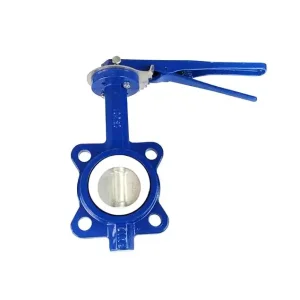
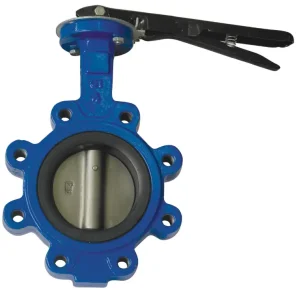
High-Performance Low-Torque Engineering Assemblies
Engineered for minimal actuation resistance, bubble-tight zero leakage, and sustained cycle stability across extreme thermodynamic environments.
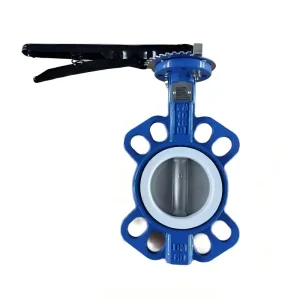
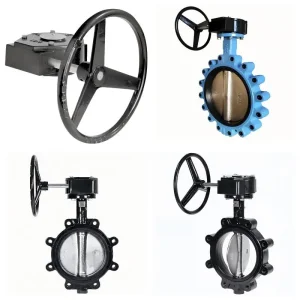
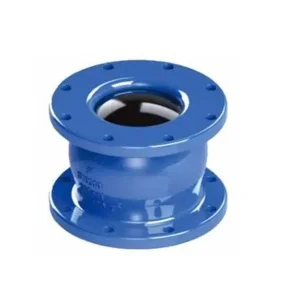
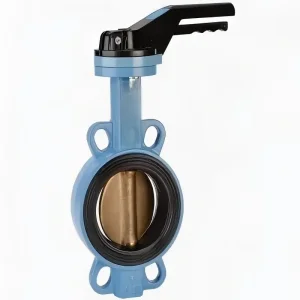
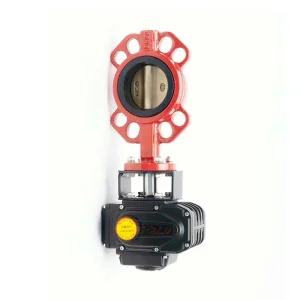
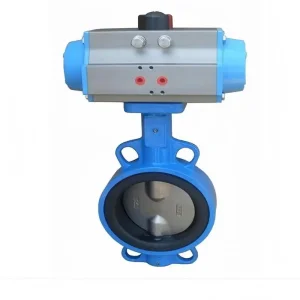
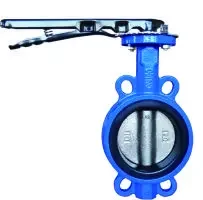
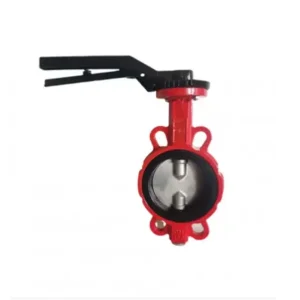
Evolution of Low-Torque Butterfly Valve Engineering
Uncovering the fluid dynamic, mechanical, and material breakthroughs transforming industrial process automation.
In modern high-efficiency process automation, low-torque butterfly valves represent a monumental leap forward from traditional interference-seated valves. Historically, resilient seated butterfly valves depended entirely on substantial mechanical interference between the elastomer seat and the disc boundary to assure bubble-tight isolation (EN 12266-1 Rate A). While this ensured zero leakage, it introduced substantial rotational friction, severe breakaway hysteresis, and premature seat degradation. As smart automated facilities and decentralized HVAC infrastructure prioritize energy conservation, excessive torque requirements directly penalize plant design by requiring oversized actuators, larger pneumatic reservoirs, and higher electrical draw.
The core objective of low-torque valve architecture is the harmonious balance between leakage integrity and operational kinematics. By applying high-precision finite element analysis (FEA) and computational fluid dynamics (CFD), Tianjin Top Valve has decoupled sealing pressure from mechanical friction. By integrating contoured hydrodynamic disc geometries, micro-polished sealing rims (Ra < 0.2 μm), self-lubricating PTFE/bronze bearing sleeves, and specialized elastomer formulations, our low-torque valves lower breakaway resistance by up to 38% compared to standard industrial baselines. This technical leap not only extends the operational life of valve stems and seat liners but transforms plant efficiency on an enterprise scale.
Addressing Global Engineering Sourcing Demands
How Tier-1 EPC contractors and global procurement managers optimize total cost of ownership (TCO).
Actuator Downsizing & Energy Savings
Because operating torque is dramatically cut, procurement engineers can downsize pneumatic and electric actuators by one to two frame sizes. This drives down capital expenditure (CapEx) per automation loop and reduces ongoing electrical loads in vast municipal networks.
Vertical In-House Integration
Unlike assembly-only competitors, our group operates our own foundry (Tianjin Donglian Valve Factory, est. 1996) and dedicated rubber facility (Tianjin Dongfang Rubber Factory, est. 1987). This insulates global clients from third-party supply chain delays and quality variance.
Zero-Drift Reliability Standards
Many competitor valves display gradual torque creep as elastomers swell or age. Our proprietary compound vulcanization eliminates fluid absorption and plastic deformation, ensuring that actuation torque remains rock-steady over millions of continuous duty cycles.
Macro Industry Solutions & System Integration
Customized fluid isolation dynamics designed for high-stress municipal, industrial, and maritime operations.
Potable Water & Desalination
Municipal networks require WRAS-approved hygiene integrity combined with minimal operating resistance on large pipeline diameters. Our WRAS-compliant low-torque butterfly valves feature certified EPDM linings and high-grade aluminum bronze discs, eliminating biocide contamination while operating effortlessly under fluctuating hydraulic heads.
Intelligent District HVAC Loops
Large commercial chilled and heating water systems rely on fast modulating control. Our low-torque assemblies minimize deadband and stick-slip phenomena, enabling high-precision balancing, reducing chiller plant pump cavitation, and slashing thermal distribution losses.
Chemical Processing & Corrosive Service
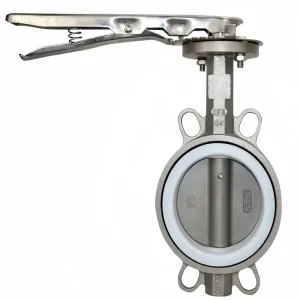
For aggressive solvents, acids, and ultra-pure fluids, our PTFE-lined cast body and stainless steel series utilize virgin, high-density fluoropolymer barriers. The non-stick surface characteristics of PTFE naturally deliver exceptional low-torque operation without compromising chemical resistance.
Marine, Offshore & Ballast Systems
Marine environments subject pipeline hardware to severe salt-spray corrosivity and high flow velocities. Utilizing nickel-aluminum bronze metallurgy, double half-shaft pinless stems, and vulcanized NBR liners, our valves withstand turbulent cavitation while requiring low manual or pneumatic effort during sea transit.
Engineering Roadmap & Future Outlook
Integrating Industry 4.0 diagnostics, advanced nanocomposites, and ultra-low friction metallurgy.
Super Duplex & Ceramic Discs
Refining nano-smooth ceramic disc surfaces and 2507 super duplex castings to eliminate friction coefficients in slurry and high-chloride environments.
Self-Lubricating Fluoroelastomers
Formulating PTFE-infused fluorocarbon matrices directly in our rubber workshop to maintain low breakaway torque down to -20°C without external lubrication.
Embedded Torque Sensors
Developing direct-on-stem strain sensors communicating via IO-Link / Modbus to track torque changes in real time for predictive plant maintenance.
Eco-Foundry Process Optimization
Transitioning our casting facilities to electric induction melting and closed-loop sand reclamation, reducing embodied product carbon by 40%.
Localized Support & Compliance Standards
Engineered, inspected, and documented to withstand the most stringent international audits.
International Flange Compliance
Configurable drilling templates matching EN 1092-2 PN10/PN16, ASME B16.1 Class 125, ASME B16.5 Class 150, JIS B2238 10K/16K, and AS 2129 Table E. Guaranteed interchangeability for global engineering contracts.
100% Shell & Seat Leak Testing
Every single manufactured unit undergoes automated hydrostatic shell testing (1.5× design pressure) and pneumatic/hydrostatic low-pressure seat testing (1.1× rated shutoff) strictly compliant with ISO 5208.
Export Logistics & Fast Spares
Located in the Wuxia Industrial Park, Dongli District, Tianjin, we enjoy immediate access to Tianjin International Seaport. Complete MTR material certificates (EN 10204 3.1) and spare seat cartridges are standard for all shipments.
Frequently Asked Technical & Sourcing Questions
Direct technical answers from our senior valve and elastomer engineering team.
What engineering modifications make a butterfly valve truly "low-torque"?
A true low-torque butterfly valve is not achieved simply by loose elastomer tolerances. We use high-precision CNC spherical disc profiling, self-lubricating PTFE-backed composite stem bushings, polished sealing perimeters, and specialized low-friction vulcanized rubber formulations. This maintains EN 12266-1 Rate A shutoff while lowering rotational friction by 30% to 40%.
How does actuator sizing benefit from low-torque specifications?
Actuator sizing requires factoring in safety margins (typically 25% to 30% over breakaway torque). Lower breakaway torque allows project engineers to select actuators with lower output torque ratings—slashing weight, footprint, and capital expenditure across thousands of automated valves in water treatment or HVAC installations.
Why is in-house elastomer production a decisive quality advantage?
The rubber seat defines the valve's sealing life and torque stability. Operating our own compounding facility (Tianjin Dongfang Rubber Factory, est. 1987) allows us to control Shore A hardness, vulcanization cure profiles, compression set, and polymer purity, eliminating seat swelling and unexpected torque spikes under varying chemical service.
What international pressure and leakage certifications apply?
Our butterfly, gate, and check valves comply with ISO 9001, ISO 14001, ISO 45001, CE-PED, and select WRAS certifications for potable drinking water networks. All production units undergo hydrostatic shell (1.5× PN) and seat (1.1× PN) testing in full alignment with API 598 and EN 12266-1 standards.
Can you provide custom flange drilling and extended stem assemblies?
Yes. We offer fully custom manufacturing, including EN 1092 PN10/16, ASME Class 125/150, JIS 10K, and AS 2129 drilling. We also produce extended stems for cryogenic or underground buried installations, ISO 5211 direct-mount automation pads, and anti-corrosive epoxy coatings up to 300 μm thickness.
What is the standard quotation turnaround and export lead time?
Our sales engineering team provides full technical proposals, dimensional drawings, and pricing within 24 hours of inquiry. Standard configurations ship in 15 to 25 days, while rapid air freight for sample batches and complete project crating are dispatched through our nearby Tianjin Port hub.
Integrated Flow Control & Backflow Prevention Assemblies
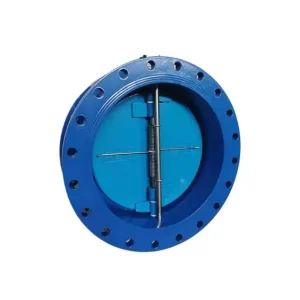
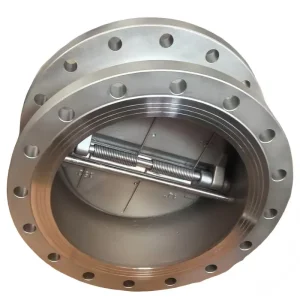
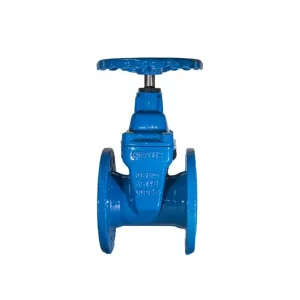
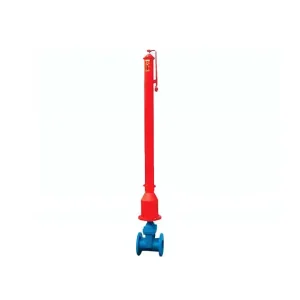
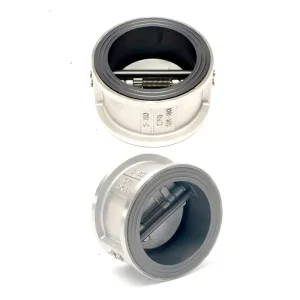
Discover our complementary line of dual plate check valves, resilient seated gate valves, and specialty lined butterfly valves.