
Reinforced Wedge
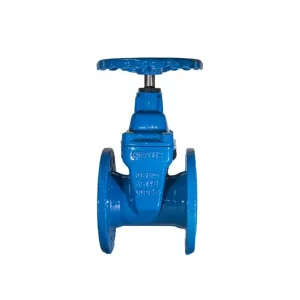
Explore our premier portfolio of CE-certified low pressure elastic seat gate valves, high-performance check valves, and resilient butterfly valves engineered for bidirectional bubble-tight isolation with minimal operating torque.
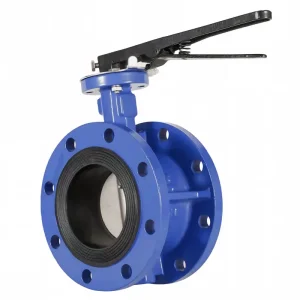
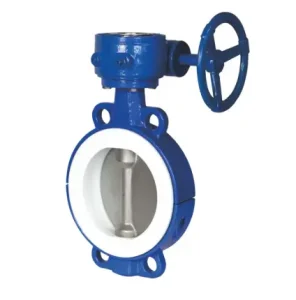
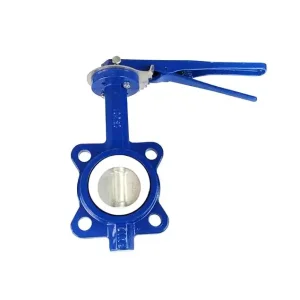
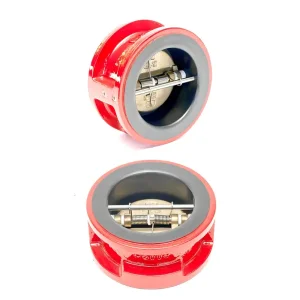
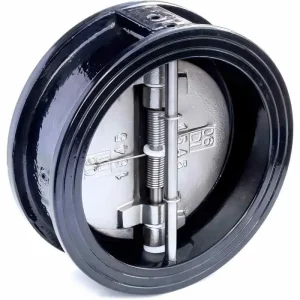
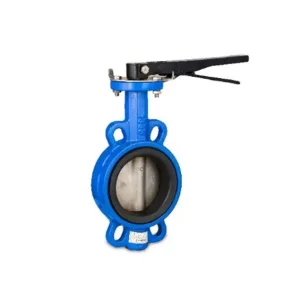
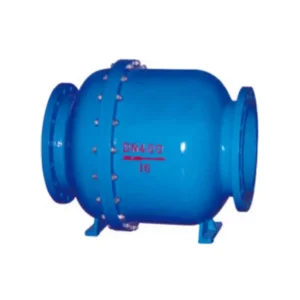
Why leading EPC consortiums, water utilities, and plant maintenance directors require rigid CE PED compliance, vulcanized elastomer memory, and straight-through bore architecture in low-pressure service.
Standard metal-seated wedge gate valves fail to maintain zero leakage under low line pressures (< 0.5 bar / 7.25 psi) due to insufficient hydrostatic seating thrust. Resilient seated gate valves solve this via an internally vulcanized EPDM/NBR wedge that uses controlled elastomeric memory to achieve EN 12266-1 Rate A zero-leakage sealing at both micro-differential and full rated PN10/PN16 ratings.
Traditional gate valves possess a deep seating pocket in the body invert where scale, silt, grit, and calcified particulates accumulate, preventing full closure and damaging seating surfaces. Modern elastic seat designs utilize a completely flat, non-pocketed cylindrical passage. Media sweeps cleanly across the invert, delivering virtually unhindered flow with hydraulic loss coefficients (ζ) under 0.2.
Engineered with a permanently lubricated rolled-thread stainless steel stem (SS410/SS420/SS316) paired with a high-tensile brass or aluminum-bronze wedge nut, these valves reduce manual operating effort by up to 45%. Multiple O-ring stem seals (EPDM/NBR) prevent external contamination and permit repacking while the valve remains under full operating line pressure.
Comprehensive field applications spanning municipal potable water transport, raw wastewater processing, secondary cooling water networks, and aggressive industrial piping systems.
Compliant with WRAS, ACS, and EN 1074-2 standards. Ductile iron GGG50 bodies coated with electrostatic fusion-bonded epoxy (minimum 250 μm dry film thickness) prevent galvanic corrosion, biofilm formation, and heavy metal leaching into drinking water supplies.
Featuring NBR-bonded resilient wedges resistant to volatile fatty acids, hydrocarbons, and suspended fibrous solids. The obstruction-free bottom channel ensures rags and debris cannot impede full gate drop, preventing sewer bypass leakage.
Optimized for chilled and condenser water balancing circuits where low static pressures and continuous micro-vibrations loosen metal-seated rings. The elastic cushion absorbs vibration, offering longevity in primary chilled water headers.
Built with ISO 5210 actuator mounting top flanges and high-tensile ductile iron bodies tested to 1.5x nominal pressure (24 bar hydro shell test). Delivers instantaneous full-bore delivery during emergency deluge activation without sticking.
Detailed dimensional, hydraulic, and lifecycle analysis comparing modern resilient seated technology against legacy metal wedge valves in municipal and utility pipelines.
| Performance Metric | Elastic Seat Gate Valve (Tianjin Top Valve) | Traditional Metal Seated Gate Valve | Operational Value & Lifecycle Impact |
|---|---|---|---|
| Low-Pressure Tightness (≤ 0.5 Bar) | Zero Leakage (EN 12266-1 Rate A) | Allowable Leakage (Rate C or Rate D) | Prevents silent backflow losses in low-head distribution tanks |
| Bottom Body Invert Profile | Smooth, pocket-less cylindrical passage | Deep seating groove (cavity trap) | Eliminates sediment buildup; avoids valve jamming and costly pigging failures |
| Wedge Core & Elastomer Bonding | Ductile Iron core completely encapsulated in EPDM/NBR | Solid bronze or cast iron wedge faces | 100% corrosion isolation; no galvanic degradation between disc and seat ring |
| Operating Torque Rating | Low torque (Rolled 13Cr/SS304/SS316 stem + brass nut) | High torque due to metallic friction surfaces | Enables smaller, lower-power electric/pneumatic actuators (35–50% Capex savings) |
| Corrosion Protection | Fusion Bonded Epoxy (FBE) ≥ 250 μm (DIN 3476) | Standard alkyd primer or bitumen paint | NSF/WRAS certified potable water compatibility; 50-year design design-life |
| Internal Stem Sealing System | Triple O-ring system; gland packing replaceable under pressure | Single braided graphite gland packing | Zero fugitive emissions; zero downtime for in-line stem maintenance |
Vertical control is our ultimate competitive advantage. By maintaining our own group foundry (Donglian Valve, est. 1996) and specialized elastomer vulcanization plant (Dongfang Rubber, est. 1987), we guarantee zero porosity, exact chemical stoichiometry, and permanent rubber-to-metal bonding.
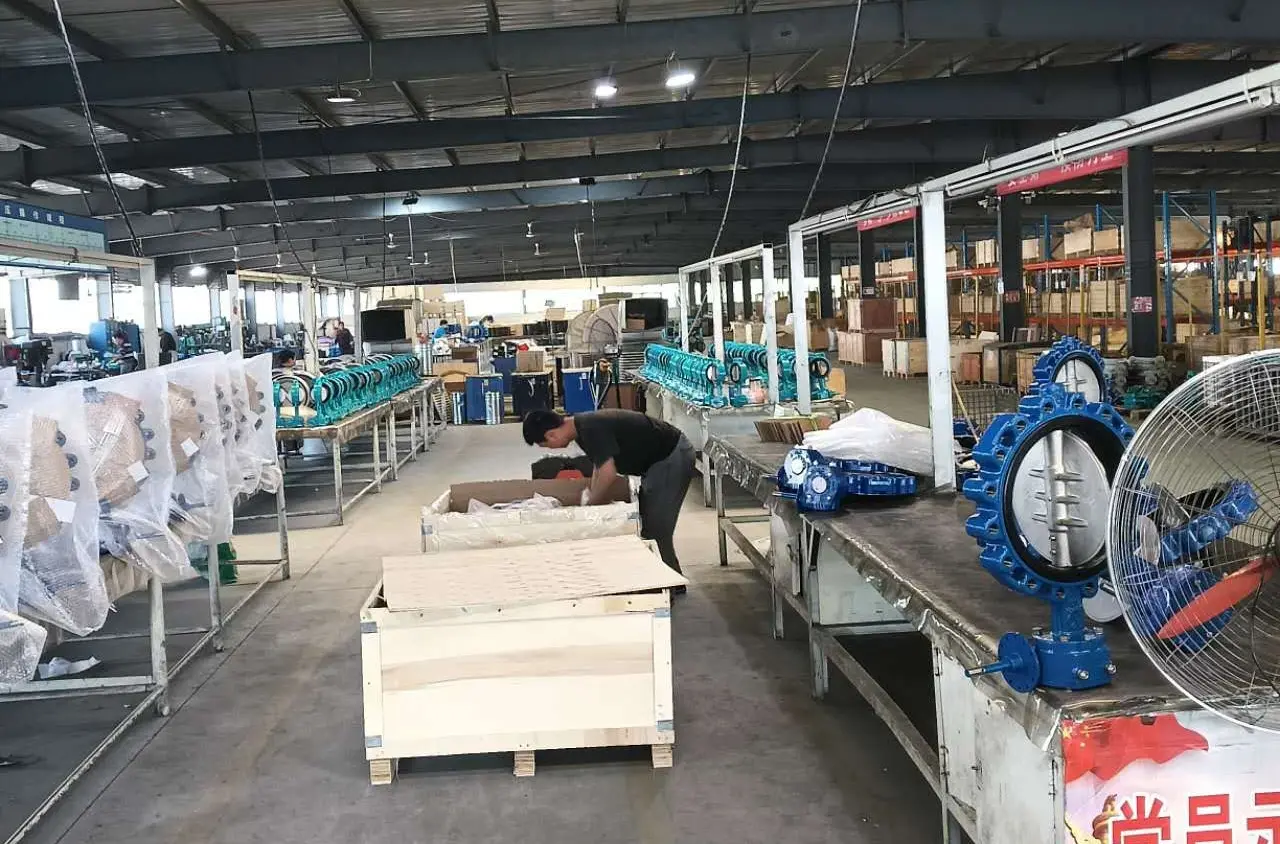
Spanning 23,000 m² with 12,000 m² under roof in Tianjin’s Wuxia Industrial Park, housing automated molding lines and ingot spectrometry verification.
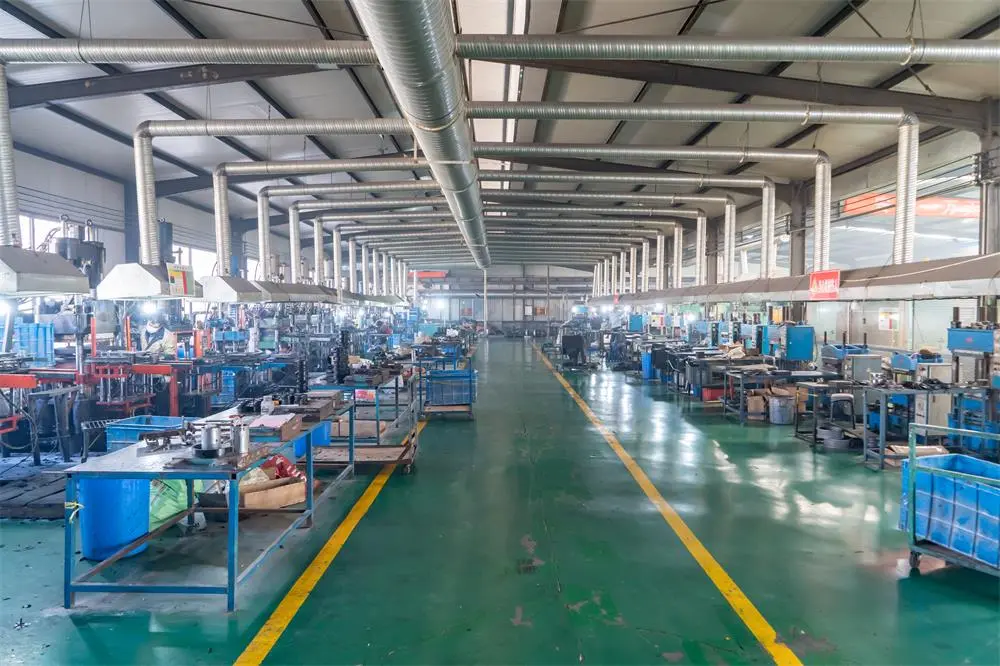
Medium-frequency induction furnaces cast QT450-10 and QT500-7 ductile iron with nodularity ≥ 90%, eliminating shrinkage cavities and micro-porosity.
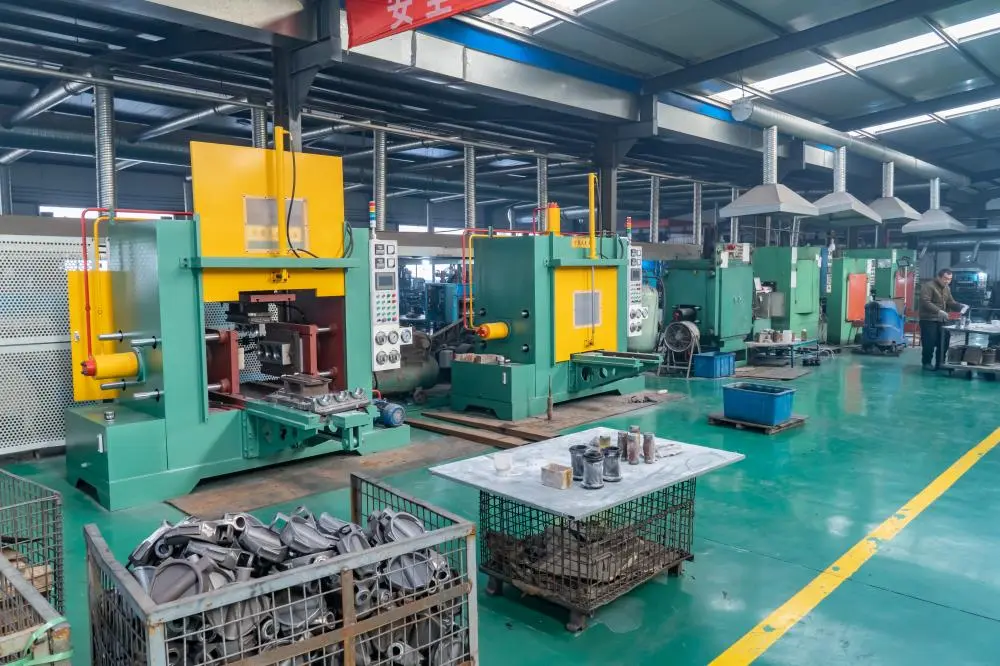
Operated by our sister plant (Dongfang Rubber since 1987). Automated injection presses chemically cross-link virgin EPDM/NBR over ductile iron cores with peel resistance exceeding 1.5 MPa.
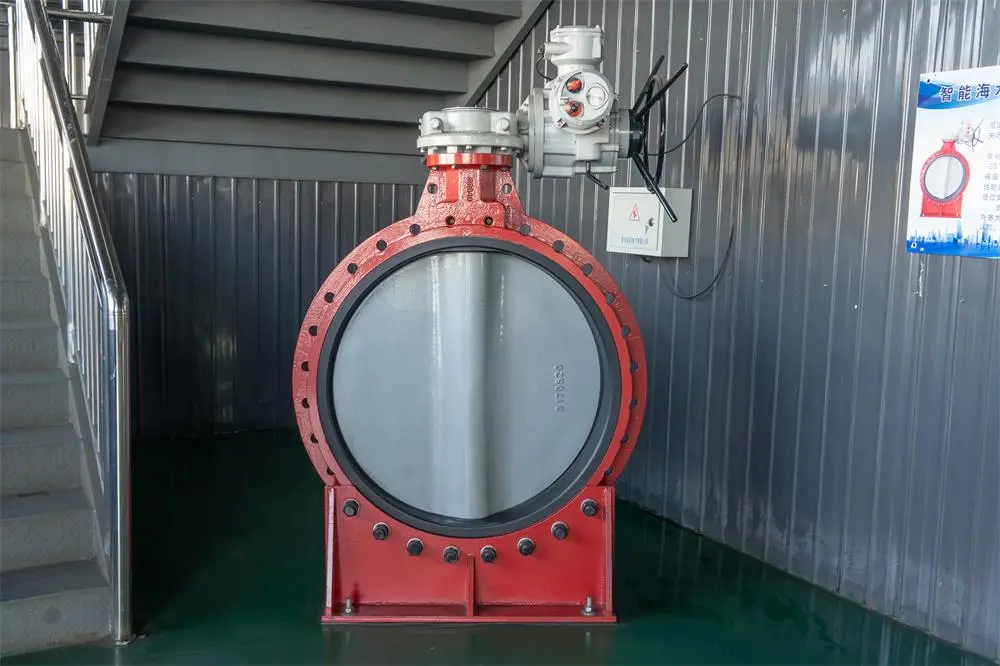
Flange faces, guide tracks, and stem housings machined on 4-axis horizontal CNC centers within ±0.02 mm tolerances to maintain concentricity and effortless stem travel.
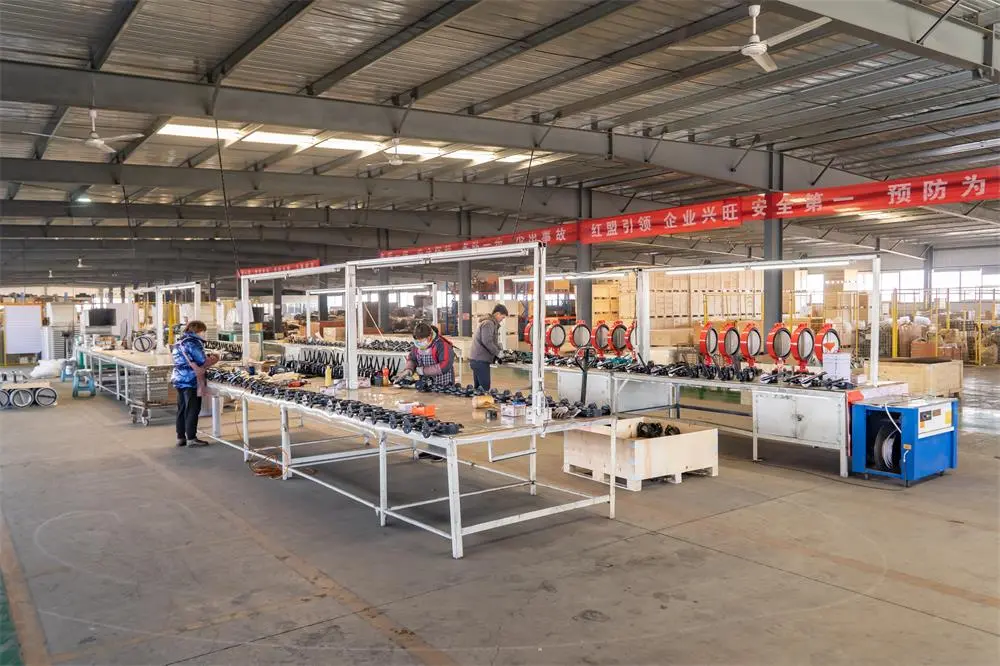
Every single valve undergoes 1.5x body pressure test (24 bar for PN16) and 1.1x bidirectional seat test (17.6 bar), plus ultra-low pressure 0.5 bar air leakage auditing per EN 12266-1.
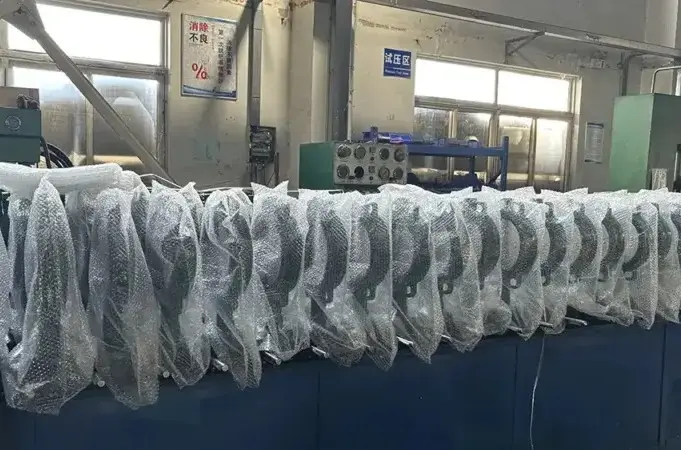
Precision sealing faces wrapped in heavy bubble wrap, flange faces fitted with plastic end caps, and loaded into fumigated solid-plywood maritime crates for intercontinental shipping.
Pioneering the transition from passive isolation hardware to intelligent, digitized, and eco-sustainable fluid network assets.
Formulating next-generation peroxide-cured EPDM elastomers free of nitrosamines, polycyclic aromatic hydrocarbons (PAH), and sulfur compounds, satisfying forthcoming EU 2026 drinking water material directives.
Full robotic electrostatic fluid-bed coating with closed-loop laser thickness auditing ensuring uniform 300+ μm film thickness even on internal radii, eliminating premature holiday failures under pinhole spark tests (3 kV).
Integrating battery-free micro-acoustic piezoresistive sensors inside the top bonnet cavity to detect sub-millimeter cavitation, impending seat abrasion, and pipeline water-hammer transients before failures occur.
Every valve delivered with a cryptographically verified RFID/QR digital passport, containing material chemical trace reports, hydrostatic curve profiles, and direct API hooks into plant SCADA & GIS platforms.
Bridging international engineering specifications with dedicated factory technical support, documentation transparency, and prompt export execution.
Every production batch receives comprehensive chemical analysis, tensile testing, elongation reports, and hydrostatic certificates stamped according to EN 10204 Type 3.1. Complete heat numbers are cast directly onto valve body housings for lifetime lifecycle traceability.
Engineered to conform seamlessly to international pipe systems: Face-to-face dimensions available in DIN 3202-F4 (short) and DIN 3202-F5 (long), BS 5163, ISO 5752 Series 14/15, and AWWA C509/C515. Flange drillings fully compatible with EN 1092-2 PN10/PN16, ASME B16.42 Class 150, AS 4087, and JIS 10K.
Situated within 40 km of Tianjin Xingang Port (Northern China’s premier container hub). Our factory-direct engineering bureau replies to tender RFQs within 24 hours, providing full 3D CAD/BIM models, flow resistance calculations, and customized actuation packages.

ISO 9001 Quality System
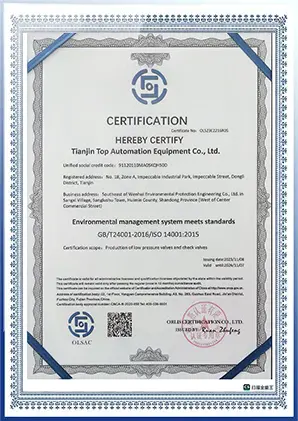
ISO 14001 Environmental
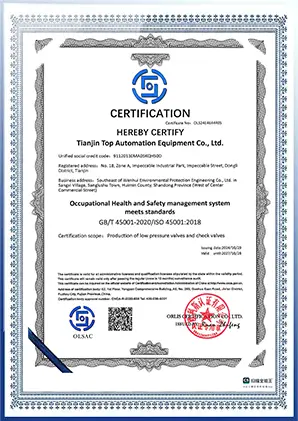
ISO 45001 Health & Safety
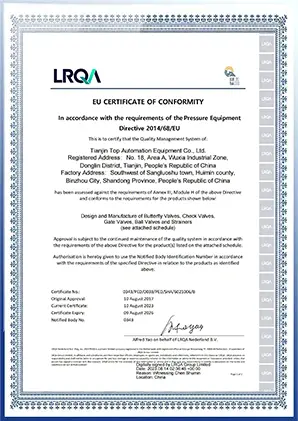
CE PED 2014/68/EU Module H
Authored by our senior mechanical and materials engineering departments to assist project engineers in mitigating pipeline water hammer, premature seat wear, and chemical degradation.
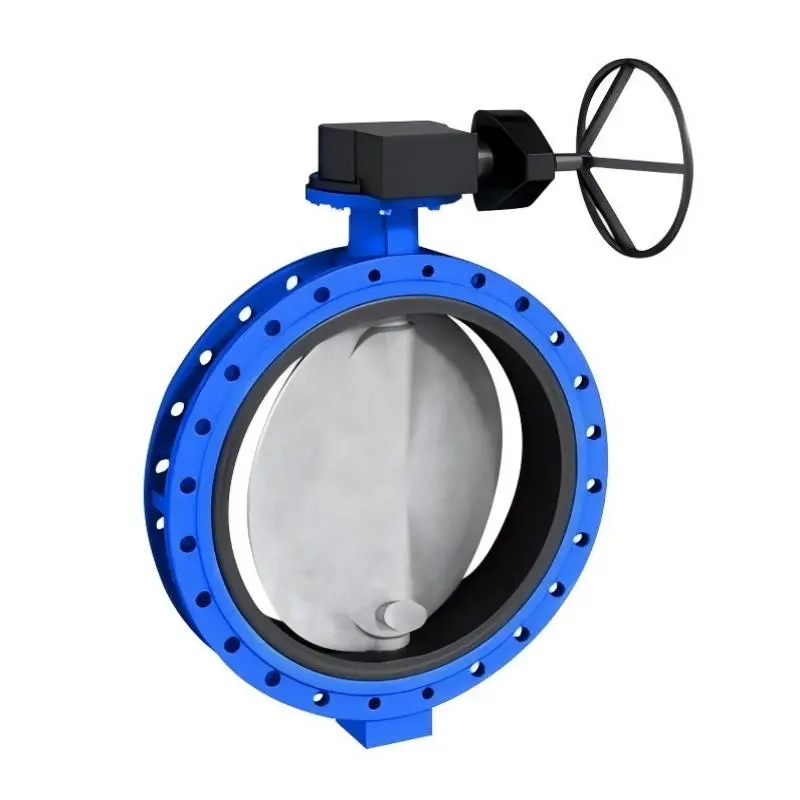
An in-depth thermodynamic analysis examining how disc profiles, elastomer vulcanization bonding, and actuator matching minimize dynamic head loss.
Read Engineering Paper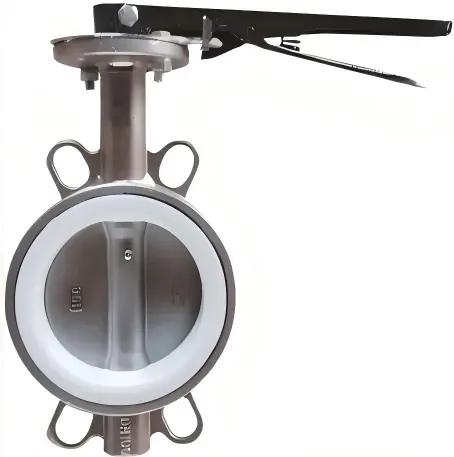
Evaluating lifecycle return on investment when upgrading from cast ductile iron to duplex stainless steel (1.4462) in chloride-rich and marine atmospheres.
Read Engineering Paper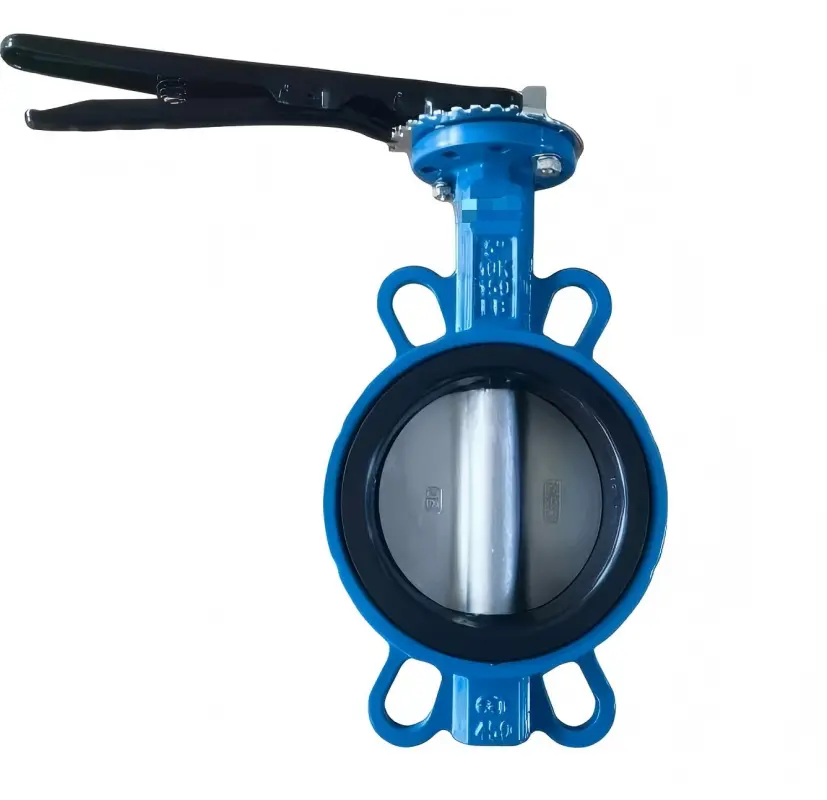
Comparative study evaluating structural weight, vault footprint, maintenance cycles, and total installation expenditure in transmission mains ≥ DN300.
Read Engineering PaperComprehensive answers addressing design codes, elastomer formulation, hydrostatic testing, and global import compliance.
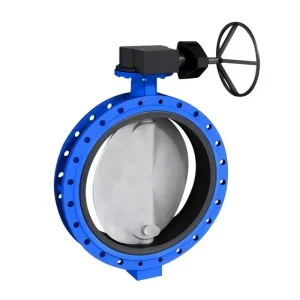
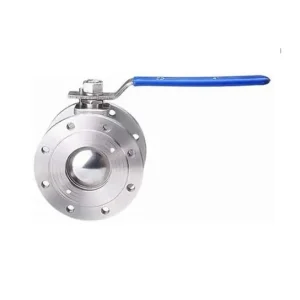
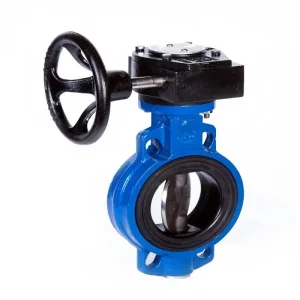
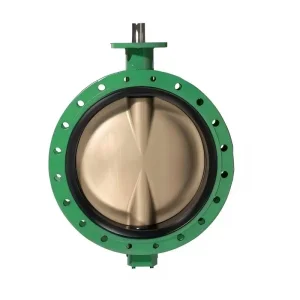
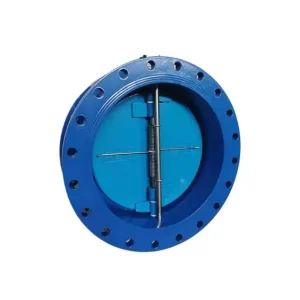
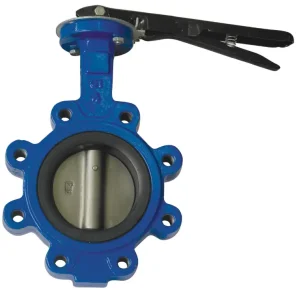
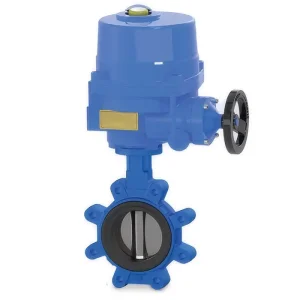
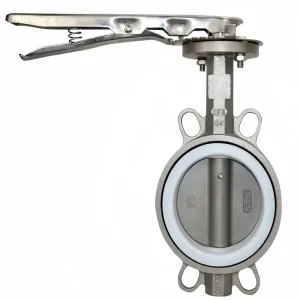
Complementing our resilient gate valves, our factory manufactures specialized butterfly, check, and ball valves engineered to withstand demanding operational conditions across utility, marine, and chemical processes.
Consult with our senior technical engineering bureau in Tianjin. Receive dimensional submittals, 3D CAD step files, material test reports, and factory direct container pricing within 24 hours.