
High-Performance Wafer, Lug & Flow Control Units
Direct factory wholesale selections for municipal potable water, marine cooling, HVAC, petrochemical networks, and abrasive slurry applications.
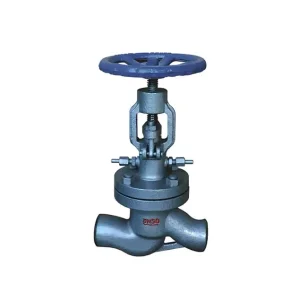
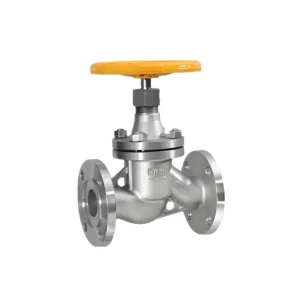
High-Quality Water Seal Globe Valve with Quick - Closing Feature Manufacturers, Manufacturer
View Specifications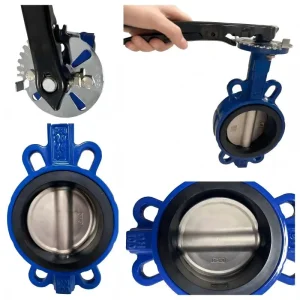
High-Quality WRAS Approved Butterfly Valve - High Performance & Durability 4020L Supplier, Manufacturers
View Specifications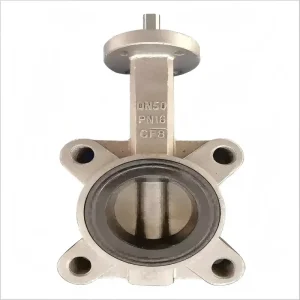
Wholesale Semi Lug Butterfly Valve - Durable & Versatile Flow Control Manufacturers, Manufacturer
View Specifications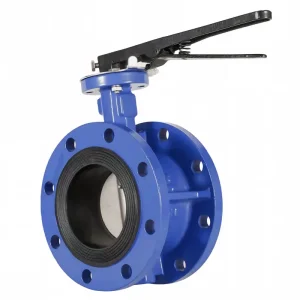
CE Certification Flanged Butterfly Valve with Lever Actuator - Durable & Reliable Manufacturers, Factory
View Specifications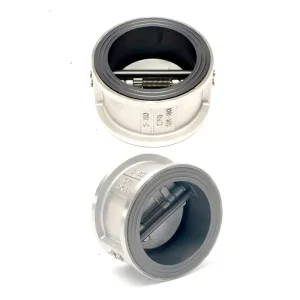
CE Certification Compact Wafer Lift Check Valve with Low - Pressure Drop Supplier, Manufacturers
View Specifications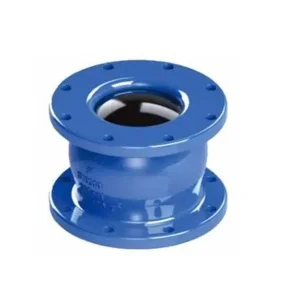
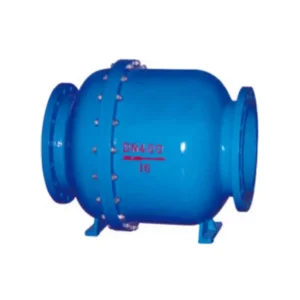
High-Quality High - Performance Silent Check Valve for Water Supply Systems Supplier, Manufacturers
View Specifications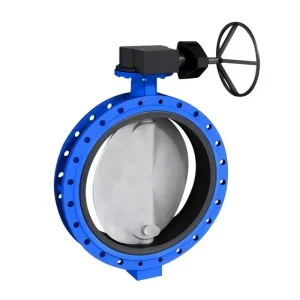
Wholesale High-Quality U Section Butterfly Valve for Reliable Flow Control Suppliers, Manufacturer
View Specifications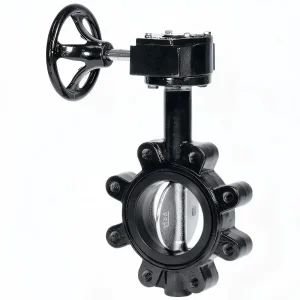
CE Certification Gear Operated Butterfly Valve - Durable & Reliable Supplier Supplier, Factory
View SpecificationsWafer vs. Lug Butterfly Valves: Rigorous Technical Selection
Procurement teams and pipeline engineers face critical trade-offs between space constraints, bolting configurations, and downstream pipeline maintainability.
| Evaluation Parameter | Wafer Type Butterfly Valve | Full Lug Type Butterfly Valve | Semi-Lug / U-Section Type |
|---|---|---|---|
| Flange Connection Architecture | Sandwiched between pipe flanges using long continuous studs spanning body length. | Full perimeter threaded tapped eyelets; bolted independently from either pipe side. | Combines smooth through-holes with selective threaded alignment positioning ears. |
| Dead-End Service Capability | Strictly Prohibited. Removal of downstream pipe causes valve blow-out. | Fully Approved. Upstream retains full pressure while downstream pipe is detached. | Restricted; requires specific downstream retainer verification per duty pressure. |
| Installation Weight & Envelope | Ultra-compact, lowest face-to-face mass, easiest handling in tight mechanical risers. | Higher casting weight due to solid reinforced lug bosses around entire periphery. | Balanced weight profile; optimal for large diameter municipal installations (DN350+). |
| Thermal Expansion Resilience | High stud expansion risk in variable temperature loops; may cause seat unloading. | Independent short bolt sets reduce thermal elongation risks substantially. | Moderate; standard for district heating loops and chilled water distribution. |
| Primary Applicable Norms | API 609 Cat A, EN 593 Series 20, ISO 5752, MSS-SP-67, BS 5155. | API 609 Cat A/B, EN 593 Series 16/20, ASME B16.42/B16.5, DIN 3202. | ISO 5752 Series 20, EN 1092-2 PN10/PN16, JIS B2239 10K. |
Why Direct Metallurgy & Rubber Vulcanization Define Sealing Longevity
Unlike valve assembling shops that outsource raw castings and liners to fragmented vendors, Tianjin Top Valve unites metallurgical smelting, elastomer compounding, CNC processing, and leak testing within one boundary.
In-House Foundry Metallurgy
Operated via Tianjin Donglian Valve Factory (since 1996), our electric induction furnaces cast ductile iron (QT450-10, GGG40/50), WCB carbon steel, CF8M stainless steel, and nickel-aluminum bronze (C95800). Complete spectral analysis ensures zero nodularity deviation or micro-porosity.
Elastomer Formulations Since 1987
Originated from Tianjin Dongfang Rubber Factory, our in-house polymer blending division engineers proprietary EPDM, Nitrile (NBR), Viton (FKM), and PTFE blends. Controlling compression set and cure times ensures WRAS-grade resilience under tens of thousands of continuous operational cycles.
Full Traceability QA Protocol
Every single valve undergoes bi-directional hydrostatic shell testing at 1.5× PN and resilient seat leakage testing at 1.1× PN under ISO 5208 Rate A standards. Mill Test Certificates (EN 10204 3.1) track batch chemical heats directly back to the physical raw ingot lot.
Resolving Cross-Border EPC Challenges: Flanges, Approvals & Traceability
Global procurement teams in North America, the European Union, Southeast Asia, and the Middle East face multi-layered regional constraints when sourcing industrial valves.
Universal Multi-Standard Flange Drilling
To eliminate inventory gridlock for stockists, our CNC centers mill multi-standard wafer/lug bodies drillable across EN 1092-2 (PN10/PN16), ASME/ANSI B16.1 Class 125/150, BS 4504, and JIS 10K. Tapped lug drillings are precision matched to UNC or Metric threads per project specs.
WRAS, CE-PED & Toxic Free Directives
Potable water lines require strictly verified non-toxic leach-free elastomeric compounds. Selected models—including 4020G, 4020L, 4325G, and 4325L—possess formal WRAS accreditation for UK and European water networks, complying fully with EU Pressure Equipment Directive (2014/68/EU).
Actuation Ready ISO 5211 Direct Mount
Eliminate costly external conversion brackets. Our top-flange geometries adhere rigidly to ISO 5211 (F05 through F16), standardizing stem flats, squares, and keyways. This facilitates direct pairing with pneumatic actuators, electric modulating actuators, or heavy-duty enclosed worm gearboxes.
Mission-Critical Applications for Wafer and Lug Valves
Engineered to withstand harsh environments—from municipal high-rise pumping headers to subsea offshore ballast manifolds.
Municipal Water Treatment
Employed in drinking water distribution, booster pumping stations, and filtration plants. Ductile iron bodies paired with WRAS-approved EPDM seats and high-polish CF8M stainless steel discs ensure zero bacteriological contamination and low operating torque.
Marine & Offshore Platforms
Ballast water, bilge, sea suction, and cooling water circuits. Aluminum bronze (C95800) disc and body options mitigate chloride pitting, cavitation, and marine biofouling, maintaining structural ductility in high-salinity marine environments.
District HVAC & Cooling Towers
Central chillers, chilled water headers, and thermal energy storage systems. Wafer and lug butterfly valves feature bi-directional zero-leakage shut-off, thermal barrier neck extensions, and smooth modulation for building management system integration.
Chemical & Slurry Mining
Flue gas desulfurization (FGD), tailing slurry, and acid handling. Outfitted with specialized ceramic disc elements or full virgin PTFE/PFA linings, providing an impermeable chemical shield against abrasive and aggressive chemical media.
The Future of Industrial Butterfly Valve Engineering
The global flow control industry is shifting toward smart IoT diagnostics, fugitive emission mitigation, and advanced composites.
IoT Predictive Maintenance
Integration of low-power wireless digital position transmitters and pressure sensors on ISO 5211 interfaces. Real-time stem torque tracking detects internal scale build-up and elastomer fatigue before seat failure occurs in critical plants.
Zero Fugitive Emission Stems
Enhanced secondary shaft sealing incorporating self-adjusting PTFE V-rings and multi-stage O-ring retainers. This design adheres strictly to ISO 15848-1 and TA-Luft Class A standards for preventing VOC escaping into atmospheric zones.
Nanocomposite Seat Elastomers
Development of graphene-doped EPDM and fluoropolymers that enhance thermodynamic stability across wider operational temperatures (-35°C to 160°C) while reducing frictional wear during frequent rapid-cycling emergency shut-down scenarios.
Specialty Butterfly, Gate, Plug & Check Valve Models
Engineered for high-pressure isolation, anti-abrasion duties, hazardous gas lines, and automated industrial plants.
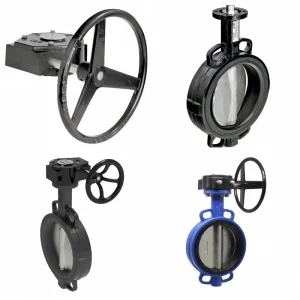
CE Certification WRAS Approved High-Performance Butterfly Valve 4020G Manufacturer, Factories
View Specifications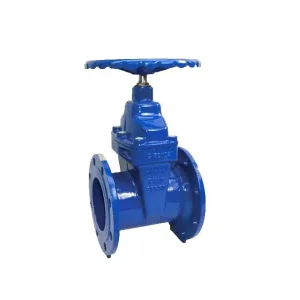
High-Quality Non-Rising Stem Elastic Seat Sealing Gate Valve Manufacturer, Factory
View Specifications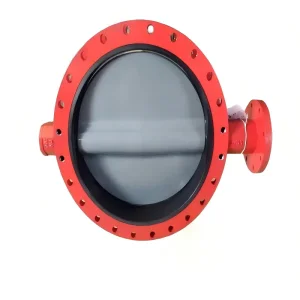
Wholesale Ceramic Disc Wafer Butterfly Valve - Durable & Efficient Design Supplier, Factories
View Specifications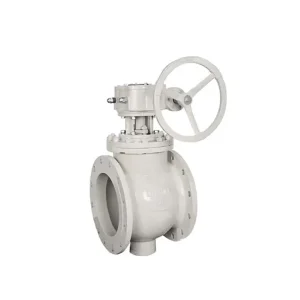
CE Certification High - Pressure Eccentric Plug Valve for Oil and Gas Supplier, Manufacturer
View Specifications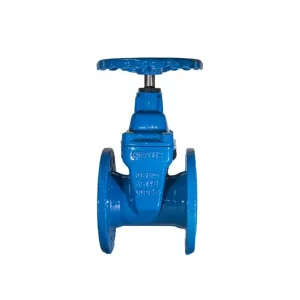
Wholesale Anti - Abrasion Elastic Seat Gate Valve with Reinforced Seat Suppliers, Supplier
View Specifications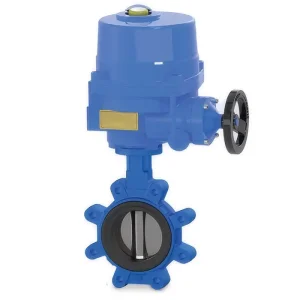
Frequently Answered Technical & Procurement Questions
Essential guidance from our engineering desk regarding pressure classing, seating chemistry, dead-end piping limits, and custom OEM manufacturing.
