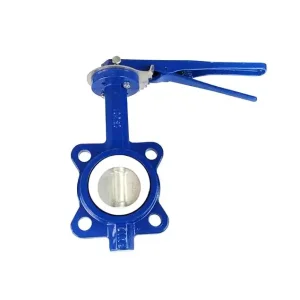
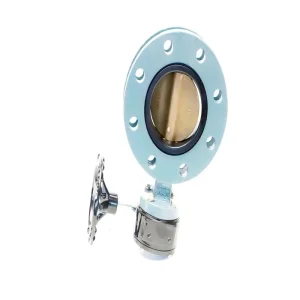
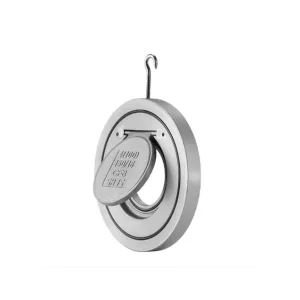
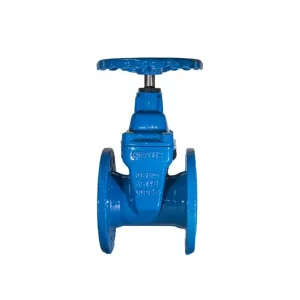
Catalog Highlights: Resilient Seated & Flow-Control Valves
Pre-engineered flow control mechanisms, check valves, and resilient wedge systems manufactured from raw melt to precision-tested assemblies.
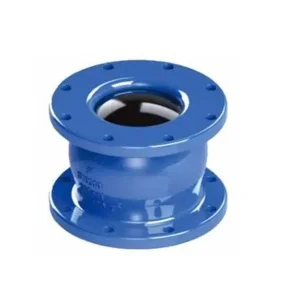
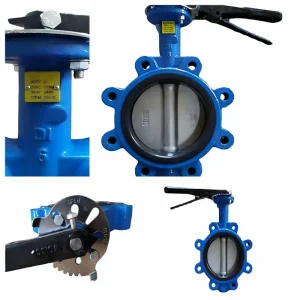
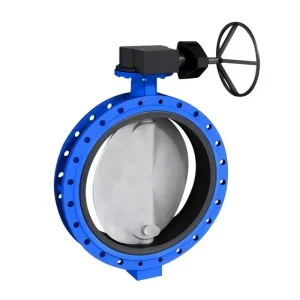
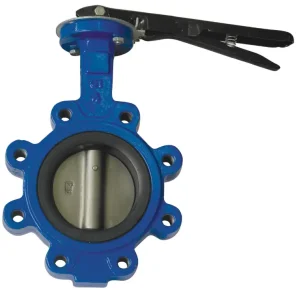
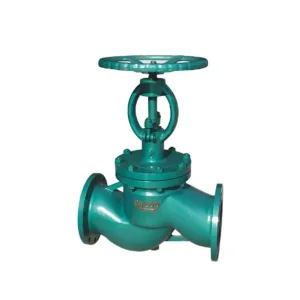
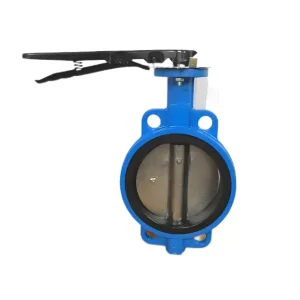
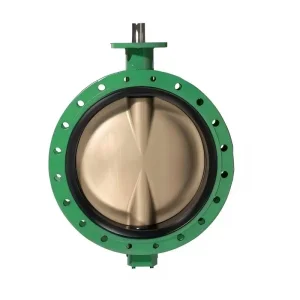
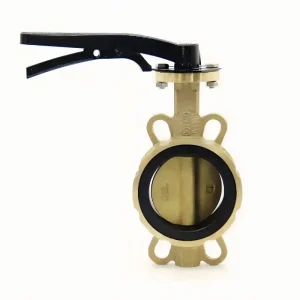
The Evolution of Firefighting Infrastructure Gate Valves
In life safety systems, standard industrial gate valves fail to meet stringent hydrodynamic demands. Modern municipal, petrochemical, and commercial fire suppression networks require resilient-seated gate valves engineered for zero-head-loss flow characteristics and fail-safe mechanical actuation.
Hydraulic Integrity & Zero Friction
Traditional wedge designs feature a seating groove at the bottom of the body where suspended solids, rust, and pipe scale settle. Firefighting resilient seated gate valves utilize a perfectly flat waterway bottom, entirely encapsulated in premium vulcanized EPDM rubber, eliminating pressure drop and premature packing failure during emergency operation.
Severe Environment Metallurgy
Constructed using high-tensile ductile iron (EN-GJS-450-10 or ASTM A536 65-45-12), these bodies withstand thermal shock and excessive water hammer surges up to twice rated static capacity. Stems feature forged 431/304 stainless steel or aluminum bronze rolled threads for ultra-low operational torque under high differential pressure.
Supervised Supervisory Systems
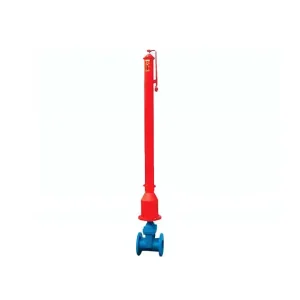
OS&Y (Outside Screw & Yoke) and NRS (Non-Rising Stem with Indicator Post) configurations are integrated directly with building automation and fire alarm panels. Factory-fitted supervisory switches continuously monitor disc travel, signaling any unauthorized closure that could compromise sprinkler mains.
Global Enterprise Sourcing Criteria & Demands
Procurement teams navigating Tier-1 global industrial complexes demand traceability, verified elastomer compounding, and seamless compliance across multiple international standards simultaneously.
| Evaluation Parameter | Municipal & Civil Supply | Petrochemical & Energy | Top Valve Manufacturing Benchmark |
|---|---|---|---|
| Body & Wedge Integrity | EN-GJS-450 / A536 ductile iron | Duplex stainless / WCB / C95800 | In-House Foundry Spectrometer tested chemistry per melt |
| Elastomer Vulcanization | Standard commercial EPDM | High-temp, chemical-resistant EPDM/NBR | Dongfang Rubber Proprietary compound vulcanized directly to wedge core |
| Corrosion Protection | 250µm Epoxy lining | 300µm+ Fusion Bonded Epoxy (FBE) | DIN 30677-2 Zero-pinhole electrostatic fluidized bed coating |
| Compliance Certification | ISO 9001 / Local Civil Approval | UL Listed / FM Approved / CE PED | Global Portfolio WRAS, CE, ISO 9001, ISO 14001, ISO 45001 fully audited |
| Testing Protocols | Batch hydraulic testing | 100% Shell & Seat EN 12266-1 | Dual Barrier 100% high-pressure hydrostatic & low-pressure air seat test |
Macro-Industry Applications & Infrastructure Architecture
Fire suppression infrastructure requires exact coordination among pumping stations, riser feeds, subterranean ring mains, and hazard isolation valves.
Underground Ring Mains
NRS gate valves equipped with telescopic extension spindles and indicator post assemblies allow rapid subterranean fluid isolation without requiring expensive concrete pits or valve vaults.
High-Rise Sprinkler Risers
OS&Y resilient seat gate valves maintain visual proof of an open waterway while minimizing cavitation and acoustic vibration across deep vertical piping systems.
Pump Isolation & Delivery
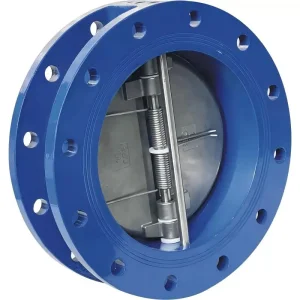
Matched check and gate valve combinations prevent surge destruction when booster fire pumps start instantly, dampening hydraulic shock waves.
Harsh Petrochemical Deluge
Engineered nickel-aluminum bronze and stainless configurations provide resistance to marine air, saline mist, and corrosive foam concentrates in offshore installations.
Localized Engineering, Testing, and Compliance
Tianjin Top Automation Equipment Co., Ltd. provides EPC firms and mechanical contractors with dedicated technical validation, standard alignment, and expedited logistics across more than 50 export markets.
Flange Adaptability
Custom and standardized drillings compatible with ASME B16.1 Class 125/150, EN 1092-2 PN10/PN16/PN25, BS 10 Table E, and JIS B2212 standards ensure drop-in replacement across international job sites.
Direct Laboratory Verification
Our internal physical and chemical analysis laboratory verifies tensile strength, nodularity percentage, elongation, and coating micro-porosity under 3.1 certification frameworks.
Rapid Production Staging
With an independent foundry operating since 1996 and rubber moulding since 1987, core casting stock and raw elastomer formulations remain on hand for tight construction deadlines.
Engineering Roadmap: Digitalization & Autonomous Valves
The convergence of industrial IoT, fire safety compliance monitoring, and automated lifecycle asset tracking is transforming valve engineering.
Integration of wireless LoRaWAN and Modbus digital monitoring modules directly into the yoke of OS&Y and NRS valves. Real-time telemetry detects fractional millimeter stem movement, tamper attempts, and localized ambient freeze risks without external site cabling.
Formulating high-elasticity fluoro-silicone blends and self-lubricating EPDM matrices through Dongfang Rubber Labs. These deliver friction-free wedge contact, 100% resilient recovery after decades in a closed state, and ozone resistance for harsh outdoor locations.
Developing acoustic piezoceramic diagnostic collars embedded within the valve casing. System algorithms isolate micro-turbulent back-leakage signals, sending maintenance alerts before fire line pressure drops cause false fire pump alarms.
Frequently Asked Questions (FAQ)
Comprehensive technical and operational insights addressing common global procurement questions.
An Outside Screw & Yoke (OS&Y) valve features an external threaded stem that rises as the valve opens. This provides clear visual confirmation of whether the valve is open or closed, which is vital for building inspectors and maintenance personnel. Non-Rising Stem (NRS) valves keep their threaded stem inside the valve body, saving vertical overhead space. NRS valves are commonly paired with indicator posts for underground or buried piping runs.
Metal-seated gate valves require a recess or sediment pocket at the bottom of the body to catch the wedge. Particulates and debris settle in this recess, preventing tight closure. Resilient seated gate valves have a completely smooth, flush waterway. The EPDM-encapsulated ductile iron wedge compresses against the smooth interior to deliver bubble-tight shut-off without trapping sediment.
The rubber seat is often the first component to fail in an industrial valve. Because our group has operated Tianjin Dongfang Rubber Factory since 1987, we control the entire vulcanization and compounding process. This prevents seat cracking, bonding failure, and deformation, ensuring the wedge maintains its memory and resilience over decades of service.
Every production run includes EN 10204 3.1 Material Test Reports (MTR) covering chemical composition and mechanical properties. Shell and seat hydrostatic test certificates come standard per EN 12266-1 and ISO 5208. Depending on product lines, WRAS potable certificates, CE Declaration of Conformity, and ISO 9001/14001/45001 documentation are supplied directly with packing manifests.
High-Performance Water, HVAC & Isolation Valves
Explore our extended series of butterfly, resilient gate, and non-return check valves engineered for dependable isolation across municipal, chemical, and industrial fluid systems.