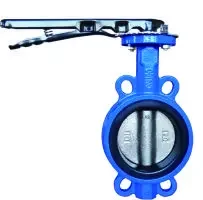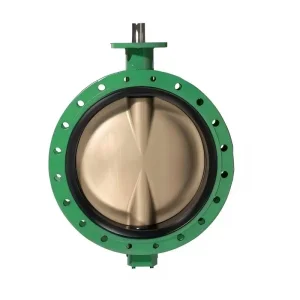
Direct Sourcing Lineup
Featured Industrial & Infrastructure Valve Systems
Factory-direct high performance check, butterfly, globe, and resilient seat isolation valves built to ANSI, DIN, and BS standard dimensions.
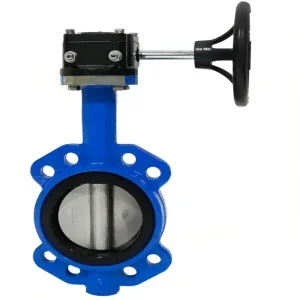
CE Certification Wafer Butterfly Valve, Water Usage Valve Suppliers
Explore Specifications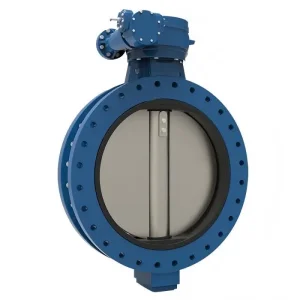
CE Certification Flanged Butterfly Valve - Durable & Efficient Flow Control
Explore Specifications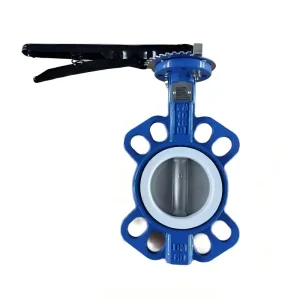
Wholesale PTFE Lined Cast Body Butterfly Valve Suppliers, Factory
Explore Specifications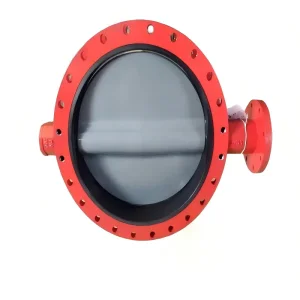
Wholesale Ceramic Disc Wafer Butterfly Valve - Durable & Efficient Design
Explore Specifications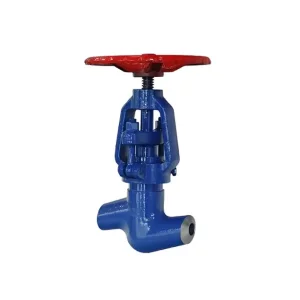
High-Quality High Temperature And High Pressure Power Station Globe Valve
Explore Specifications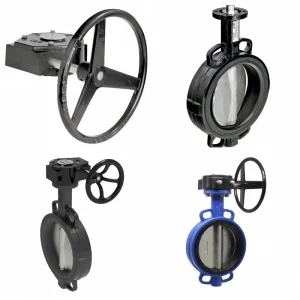
CE Certification WRAS Approved High-Performance Butterfly Valve 4020G
Explore Specifications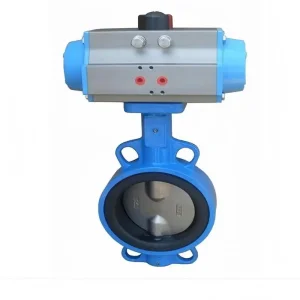
High-Quality Pneumatic Butterfly Valve - Efficient Flow Control Solution
Explore Specifications
Market Trajectory & Technical Analysis
Global Industry Trends in Ductile Steel Elastic Seat Gate Valves
Driven by urban water renewal, deep trench infrastructure, and non-revenue water (NRW) reduction, modern elastic seat gate valves are transitioning from commodity hardware to mission-critical asset investments.
Full Precision Elastomer Encapsulation
Traditional metal-seated wedge designs suffer from sediment trapping and bottom cavity erosion. Modern ductile iron/steel elastic seat valves utilize fully vulcanized EPDM/NBR rubber-encapsulated wedges, ensuring true zero-leakage, bubble-tight shut-off (EN 12266-1 Rate A / ISO 5208) even with sand and debris carryover.
Fusion Bonded Epoxy (FBE) Corrosion Shield
To comply with 50-year municipal pipeline design lives, ductile iron valves now mandate electrostatic WRAS / GSK certified fusion-bonded epoxy internal and external coatings (≥ 250 μm). This completely eliminates dielectric electrochemical corrosion in aggressive underground soils and saline environments.
Smart Actuation & Buried Telemetry
Water grid digitalization has shifted procurement toward gearboxes fitted with ISO 5210 top flanges ready for intelligent multi-turn actuators. Non-rising stem (NRS) valves with extension spindles allow direct buried installation, cutting civil maintenance chamber construction costs by up to 60%.
EPC & Strategic Sourcing
Global Procurement Needs: Addressing Technical Friction
Procurement officers and chief engineers face stringent compliance requirements. Here is how our vertically integrated foundry and rubber seat engineering resolve these global operational bottlenecks.
| Procurement Challenge | Standard Market Risk | Tianjin Top Valve In-House Engineering Solution | Standard Compliance |
|---|---|---|---|
| Potable Water Toxicity | Rubber leaching harmful volatile organic compounds (VOCs) | In-house compounded WRAS/NSF certified EPDM elastomer wedges cured at our proprietary rubber factory (since 1987). | BS 6920 / WRAS |
| Casting Porosity & Rupture | Low-grade cast iron (GG25) cracking under hydraulic water hammer | Ductile iron bodies (QT450-10 / GGG50) with tensile strength ≥ 450 MPa and elongation ≥ 10%, 100% shell tested to 1.5x PN. | EN 1563 / ISO 1083 |
| Operating Torque Degradation | Stem thread galling and high closure resistance under full differential | Rolled stainless steel 420/304/316 stems with O-ring dual sealing system and low-friction bronze/brass drive nuts. | AWWA C509 / EN 1074 |
| Geometric Incompatibility | Mismatched pipeline flange face-to-face standards in global projects | Universal machining compatibility: DIN 3202 F4/F5, BS 5163, ISO 5752 series 14/15, and ASME B16.10 dimensions. | DIN / BS / ASME |
System-Level Deployment
Macro-Industry Solutions & Engineered Applications
Our ductile steel and iron elastic seat gate valves are engineered for cross-sector duty, from deep subterranean municipal arteries to critical power plant fire protection systems.
Municipal Potable Water Networks
Designed with smooth, flat-bottom valve seats to avoid sediment accumulation. Full bore passage guarantees lowest head loss (Cv value optimized) and allows in-line pipeline pigging and cleaning operations.
Urban District Heating & HVAC
High-temperature elastomeric formulations (EPDM rated to 120°C) paired with non-rising stem (NRS) designs provide ultra-compact isolation profiles inside high-density mechanical room riser shafts.
Fire Protection (FM/UL Standard Ready)
Rising stem (OS&Y) gate valve configurations provide instant visual verification of open/closed status for pump room personnel, meeting strict NFPA 24 underground fire service pipeline criteria.
Wastewater & Slurry Transport
Oil-resistant NBR wedge seals paired with stainless steel 316 internal stem trim endure mildly abrasive solids, sewer grease, and biogas emissions without seat tearing or premature stem binding.
Future-Ready Engineering
Technical Roadmap: Next-Gen Elastic Sealing Infrastructure
Bridging 35+ years of rubber science with precision metallurgy and digitalized intelligence.
Phase 01 • Material Science
Nano-Composite Elastomers
Developing proprietary EPDM compounds infused with nano-silica to reduce operational friction torque by 25% while extending cyclic sealing life past 20,000 cycles.
Phase 02 • Digital Monitoring
Integrated Torque Sensors
Embedment of wireless non-intrusive stress transducers on gate stem collars to detect unseated debris or pipeline strain before packing gland failure occurs.
Phase 03 • Foundry Automation
Green Sand Molding Line
Upgrading core foundry molding lines to high-pressure automated flaskless molding systems, achieving surface tolerances within ISO 8062-3 DCI Grade 5.
Phase 04 • Circular Decarbonization
EPD Eco-Standardization
Certifying our full range of ductile steel gate valves with verified Environmental Product Declarations (EPD) to support global net-zero municipal green tenders.
1987
Rubber Plant Heritage
23,000m²
Campus Manufacturing Base
100%
Dual Shell & Seat Tested
50+
Global Export Markets
Export & Quality Guarantee
Localized Engineering Support & Compliance Assurance
From port clearance compliance to direct engineering submittal review, we de-risk international procurement for infrastructure contractors.
EN 10204 3.1 Material Traceability
Every batch is dispatched with comprehensive inspection certificates detailing chemical composition, nodularity testing (≥80%), tensile strength, and hydrostatic pressure graphs for full audit protection.
Seaworthy Protective Packaging
Valves feature rubberized edge guards and individual vacuum bubble wrapping, secured inside fumigated ISPM-15 plywood crates. This shields epoxy finishes and elastomer seals from salt-fog degradation during ocean transit.
24-Hour Technical Turnaround
Our engineering department provides 2D/3D CAD submittals, BIM Revit models, and detailed flow sizing calculations within 24 hours of technical inquiry, accelerating project submittal approval.
Technical Clarifications
Frequently Asked Technical Questions (FAQ)
Addressing the most pressing engineering queries regarding ductile iron metallurgy, seat elastomers, and pipeline compatibility.
What makes a ductile iron elastic seat gate valve superior to traditional metal-seated gate valves?
Traditional metal-seated gate valves utilize a recessed body groove at the base to seat the cast wedge. This bottom groove collects stones, rust scale, and sand, which obstructs full closure and causes persistent downstream leaks. Our resilient seat gate valves utilize a completely flat, straight-through bore without any bottom cavity. The ductile iron wedge is fully encapsulated in precision-molded EPDM or NBR rubber. As the valve closes, the elastomer conforms around microscopic particulates, providing 100% bubble-tight shut-off (ISO 5208 Rate A) with significantly lower closing torque.
How does in-house rubber compounding ensure higher valve longevity?
Most valve assembly plants outsource their vulcanized wedges to third-party rubber shops, exposing them to polymer inconsistency, variable compression set, and bond separation. Because our group operates Tianjin Dongfang Rubber Factory (founded in 1987), we compound, cure, and test our own rubber formulations under strict chemical laboratory supervision. We utilize high-temperature bonding adhesives and automated injection molding to guarantee zero delamination between the ductile wedge core and the rubber jacket, achieving verified elasticity even after decades of continuous compression.
What are the exact face-to-face standards available for international bids?
We supply gate valves conforming to DIN 3202-F4 (Short pattern), DIN 3202-F5 (Long pattern), BS 5163, ISO 5752 Series 14/15, and AWWA C509/C515 with ASME B16.10 dimensions. Flange drillings are CNC machined to EN 1092-2 (PN10, PN16, PN25), ASME B16.1 Class 125/150, or AS 4087 to match global pipeline specifications.
Can non-rising stem (NRS) gate valves be installed directly underground without civil manholes?
Yes. Our buried elastic seat gate valves are engineered specifically for direct underground trenching. Equipped with stainless steel extension spindles, street surface cast iron boxes, and stem position indicators, they eliminate the need for expensive concrete inspection chambers. The internal stem design features multiple O-rings and dust scraping collars to prevent groundwater ingress and grit contamination.
What certifications support your valves for potable water and export markets?
Our company maintains ISO 9001, ISO 14001, and ISO 45001 management accreditations. Products conform to European CE Marking under the Pressure Equipment Directive (PED 2014/68/EU), and selected product lines are certified under the British WRAS scheme for drinking water hygiene safety (BS 6920 standard).
Heavy Engineering Catalog
Industrial Valves for Specialized Duty & Severe Service
Explore our high-performance fire-fighting signal valves, anti-hammer check valves, and motorized control solutions.
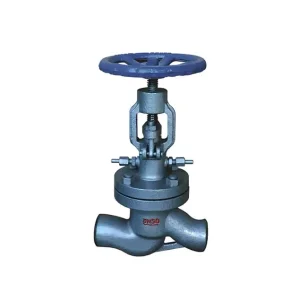
High-Quality Water Seal Globe Valve with Quick-Closing Feature
Explore Specifications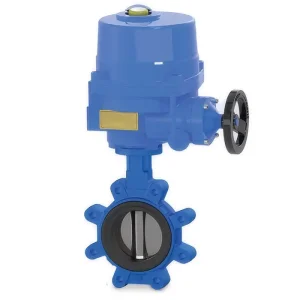
High-Quality Electrical Butterfly Valve Supplier, Manufacturer
Explore Specifications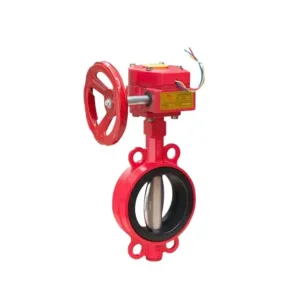
Wholesale Fire-Fighting Wafer Signal Butterfly Valve Supplier, Factory
Explore Specifications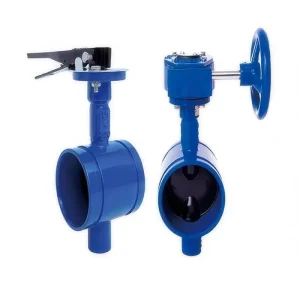
High-Quality Grooved End Butterfly Valve - Durable & Reliable Flow Control
Explore Specifications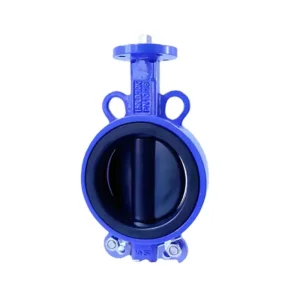
Wholesale Halar Lined Pinless Butterfly Valve Supplier, Manufacturer
Explore Specifications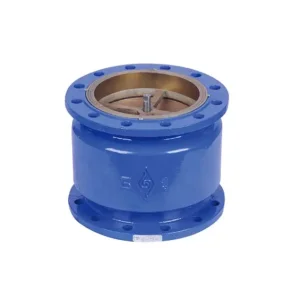
CE Certification Energy-Saving Silencer Check Valve Suppliers
Explore Specifications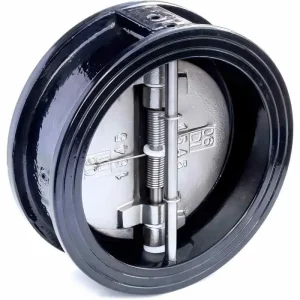
High-Quality Wafer Check Valve for Secure Fluid Control Suppliers
Explore Specifications