
Featured Industrial Fluid Isolation Series (Top Tier)
Engineered to international specifications with advanced metallurgical integrity, precise seat-lapping, and stringent pressure-testing protocols.
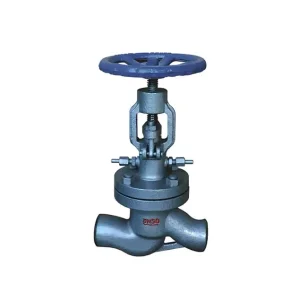
Global Landscape: Ammonia Globe Valves in Fertilizer & Chemical Infrastructure
Strategic fluid isolation architectures underpinning modern Haber-Bosch synthesis loops, urea granulators, and refrigeration transfer terminals.
Aggressive Thermal & Chemical Resistance
Ammonia ($NH_3$) in fertilizer complexes operates across severe cryogenic liquid phases down to -33°C (-27.4°F) and extreme gas synthesis loops exceeding 450°C. Globe valves engineered with specialized alloy seats and high-integrity bonnet seals prevent stress-corrosion cracking and nitridation deterioration.
Hermetic Stem Sealing (Bellows & Live-Loaded PTFE)
Uncontained anhydrous ammonia incurs hazardous chemical risks and greenhouse impacts. Our fertilizer-grade globe valves incorporate secondary safety back-seating, live-loaded PTFE/V-ring packings, and multi-ply hydroformed bellows seals to achieve EN ISO 15848-1 Class A hermetic tightness.
High Linear Throttle Stability
Unlike standard gate or quarter-turn valves, ammonia globe valves feature conical, parabolic, or needle-contoured discs. This configuration ensures fine throttling accuracy, preventing cavitational wash and wire-drawing erosion across urea synthesis and carbon dioxide balance manifolds.
Engineering Matrix: Fertilizer-Factory USD Ammonia Globe Valves
Full dimensional, metallurgical, and testing standards aligned with international industrial EPC procurement benchmarks.
| Technical Parameter | Standard Specification | Optional / High-Pressure Customization |
|---|---|---|
| Design & Manufacturing Standards | API 623, BS 1873, DIN EN 13709, ASME B16.34 | GB/T 12235, ISO 15761, NACE MR0175/ISO 15156 |
| Nominal Pressure Ratings | Class 150 - Class 600 (PN16 to PN100) | Class 900 - Class 2500 (PN160 to PN420) for Urea Units |
| Body & Bonnet Materials | WCB (A216), LCC/LCB (Low Temp Carbon Steel), CF8/CF8M | Duplex 2205, Super Duplex 2507, 316L Modified (Urea Grade) |
| Disc & Seat Trim Metallurgies | 13Cr / Stellite Hardfaced (#6), PTFE / RPTFE Inserts | Monel 400, Hastelloy C276, Solid Stellite Overlay |
| Stem Sealing & Packing | Multi-layer Flexible Graphite + Inconel Braided Wire Rings | Multi-ply Metallic Bellows Seal (Inconel 625 / SS316Ti) |
| Connection Types | Raised Face (RF), Ring Type Joint (RTJ), Butt-Weld (BW) | DIN 2543-2548 Flanges, Socket Weld (SW), Threaded NPT |
| Operating Temperature Range | -46°C to +200°C (-50.8°F to 392°F) | -196°C to +550°C (Extended Bonnet Cryogenic / Superheated) |
| Factory Proof Testing | API 598, EN 12266-1, ISO 5208 Rate A (Zero Bubble) | Helium Mass Spectrometer Leak Detection (Fugitive Emission) |
Vertically Integrated Chinese Manufacturing & Efficiency Advantages
Leveraging Tianjin's dedicated valve clusters: casting, machining, compounding, and batch assembly under one roof.
In-House Foundry (Since 1996)
By operating our own casting facilities, we eliminate third-party foundry markups, conduct direct spectroscopic melt analysis, and ensure zero internal porosities prior to machining.
Elastomer Lab (Since 1987)
Our group includes specialized rubber compounding and vulcanization plants, ensuring that EPDM, NBR, and specialty PTFE liners maintain exceptional recovery rates and tensile endurance.
Aggressive Lead Times
Direct logistical access to Tianjin Port and complete vertical process management allow large-scale EPC orders and replacement shutdown deliveries to be dispatched in 30-45 days.
Strict Quality Systems
Certified under ISO 9001, ISO 14001, ISO 45001, and EU CE conformity, backed by coordinate measuring machines (CMM) and hydrostatic pressure benches verifying 100% of manufactured units.
Localized Application Scenarios in Fertilizer & Chemical Complexes
Field-proven engineering performance across high-stress industrial segments.
Synthetic Ammonia Plants (Haber-Bosch)
Installed on synthesis gas compressors, heat recovery condensers, and ammonia fractionators. Handles fluctuating thermal profiles and prevents hydrogen embrittlement across high-velocity gas lines.
Urea & Ammonium Nitrate Granulation
Regulates ammonium carbamate solutions and liquid ammonia supplies. Resistant to crystallizing media, carbamate decomposition erosive forces, and extreme nitric acid feedstocks.
Industrial Refrigeration & Liquid Storage
Ensures fail-safe cryogenic shut-off at large-scale refrigerated liquid ammonia spherical tanks, vaporization pumps, railcar filling stations, and port marine transshipment hubs.
Industry Trends & International Procurement Priorities
How the shift to Green Ammonia, carbon management, and lifecycle optimization influences valve purchasing.
Transition to Green Ammonia & Hydrogen Carriers
As green hydrogen electrolyzers supply new-generation decarbonized ammonia facilities, systems require hyper-clean, degreased valves compatible with high-purity hydrogen-nitrogen mixtures, demanding zero particulate contamination.
Zero Fugitive Emission Mandates
Strict EPA, EU REACH, and ESG reporting standards require documented compliance with ISO 15848-1 and TA-Luft certifications. Procurement teams prioritize double-sealed stems and live-loaded packings to reduce greenhouse leakage penalties.
Full Metallurgical Traceability
Modern EPC buyers strictly require EN 10204 3.1 material certificates, radiographic (RT) and dye-penetrant (PT) non-destructive examination (NDE) data, positive material identification (PMI), and standardized USD settlement pricing.
Frequently Asked Questions (Buyer & Engineering FAQ)
Clear, technical insights to streamline procurement, standard conformance, and plant maintenance.
Why is a globe valve preferred over a ball valve in fertilizer factory ammonia service?
While ball valves excel at quick shut-off, globe valves provide precise, linear throttling, reduced pressure shock, and exceptional seat-regrinding capabilities. Furthermore, the vertical stem movement in globe valves prevents lateral packing side-loading, resulting in superior long-term stem seal tightness under hazardous ammonia media.
What body materials are recommended for low-temperature vs high-temperature ammonia lines?
For liquid ammonia refrigeration loops operating down to -46°C, ASTM A352 LCB/LCC or ASTM A351 CF8/CF8M stainless steel is required to maintain impact toughness. For high-pressure synthesis converters operating at elevated temperatures, ASTM A216 WCB or 316L Modified (urea grade) alloys are employed to prevent nitridation and carbamate corrosion.
How does Tianjin Top Valve guarantee zero fugitive emissions for ammonia media?
We deploy high-precision CNC-finished stems with a mirror polish (Ra < 0.2 µm), live-loaded Belleville spring packing glands, and optional multi-ply Inconel/SS316Ti bellows seals. All critical valves undergo helium mass spectrometer leak testing and stringent high-pressure gas tests conforming to ISO 15848-1.
Can you provide EN 10204 3.1 documentation and non-destructive testing (NDT)?
Yes. Every batch is supplied with EN 10204 3.1 inspection certificates verifying ladle chemical analysis, tensile and Charpy V-notch impact tests. At client request, our laboratory conducts RT (radiographic), PT (penetrant), MT (magnetic particle), and PMI (positive material identification) testing before dispatch.
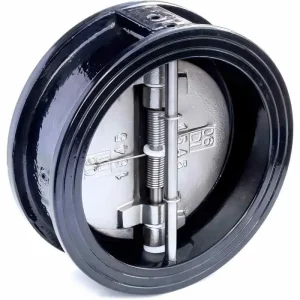
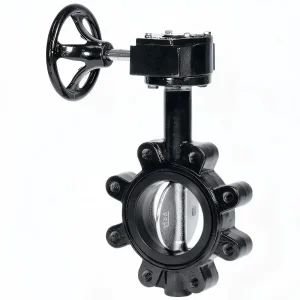
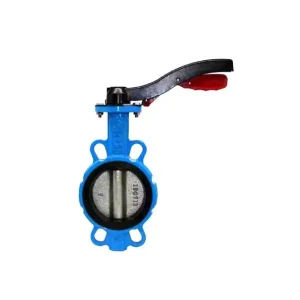
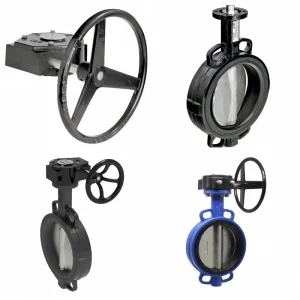
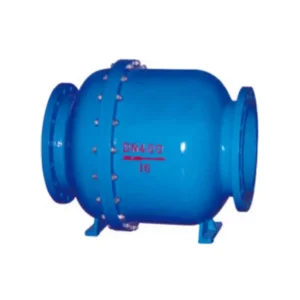
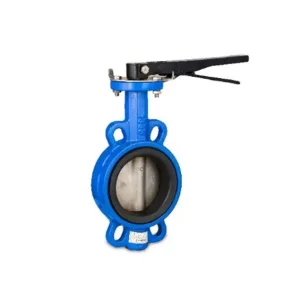
Complementary Pipeline Valves & Engineered Check Solutions
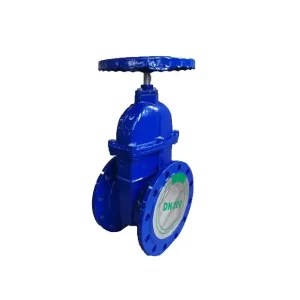
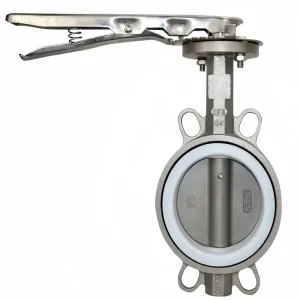
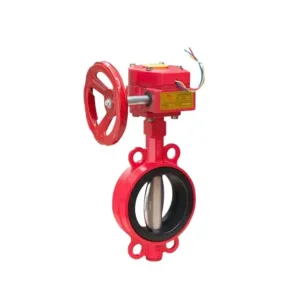
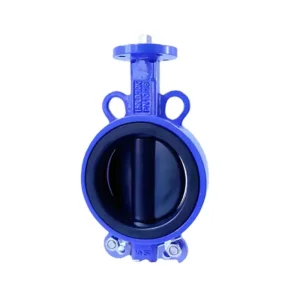
Integrate robust non-return valves, resilient gates, and specialized butterfly units into your processing complex.
Request Technical Datasheets & Direct Factory USD Quotations
Collaborate directly with our valve engineering division in Tianjin. Receive tailored 3D CAD models, material declarations, and custom flange layouts within 24 hours.
