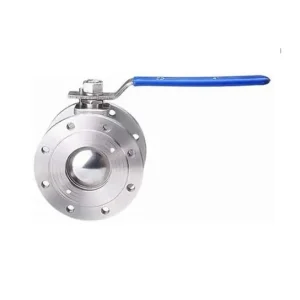
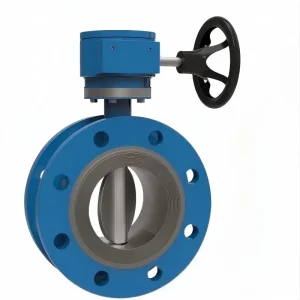
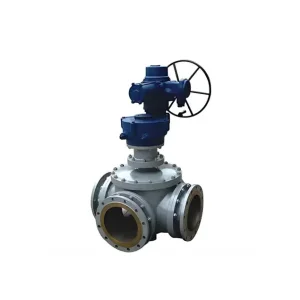
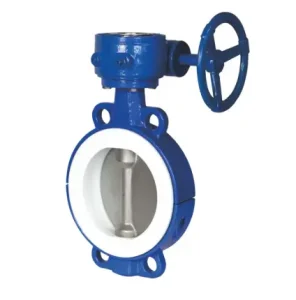
Precision Flow Control Showcase (Series I)
Explore our industrial-grade, European standard certified valve assemblies manufactured under strict ISO and CE compliance protocols.
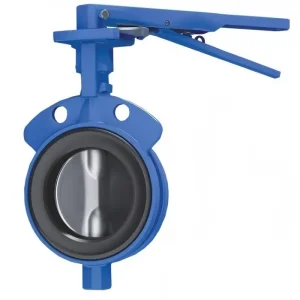
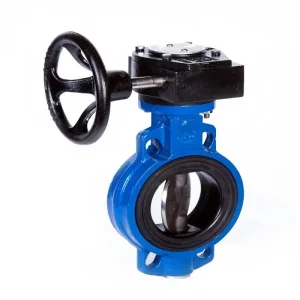
Engineering Anatomy of CE-Certified Pneumatic Knife Gate Valves
A comprehensive examination of shear gate geometry, elastomer compounding, pneumatic cylinder sizing, and dynamic self-cleaning seals designed for heavy slurry services.
Beveled Blade Shear Dynamics
Machined from AISI 304, 316, or 2205 duplex stainless steel, the precision-ground knife gate features a razor-sharp 45° beveled edge. This profiles through dense suspended solids, paper pulp fibers, and crystallized mineral slurries without jamming, while eliminating clogging pockets.
Elastomer Formulations (1987 Heritage)
Leveraging our specialized rubber manufacturing base established in 1987, valve seats are compounded in-house from high-purity EPDM, Viton (FKM), Nitrile (NBR), or virgin PTFE. Vulcanized seat rings withstand dynamic cyclical friction, preventing premature seat blowout under reverse pressure gradients.
Double-Acting Cylinder Mechanics
Equipped with hard-anodized aluminum or 304SS pneumatic actuator barrels, our cylinders deliver optimized thrust curves. Standardized NAMUR solenoid interfaces and integrated magnetic reed limit switches deliver feedback signals directly into DCS and PLC networks with low air consumption.
Localized Heavy-Duty Application Scenarios
Engineered to eliminate valve attrition across severe industrial fluid regimes, from mineral processing circuits to municipal bio-sludge systems.
Mining Tailings & Beneficiation
Under abrasive silica slurry conditions, knife gate valves eliminate bottom cavity entrapment. Bidirectional elastomer seats clear settling cakes, preventing pipe freeze and catastrophic packing leaks in copper, gold, and iron beneficiation launders.
Pulp, Paper & Recycled Fiber
High-consistency paper stock (3%–12%) clumps against traditional butterfly discs. The pneumatic knife gate’s shearing action severs cellulose webs cleanly, maintaining automated line balance across bleach plants, de-inking stages, and refiner circuits.
Wastewater & Digestor Sludge
Raw sewage, dewatered filter cakes, and anaerobic digestor biomass require free-bore transmission. Full-port round or V-notch gate geometry prevents rags, plastics, and grit from accumulating on critical sealing edges.
Flue Gas Desulfurization & Ash
Coal-fired plants and municipal incinerators generate corrosive wet limestone and fly ash. Utilizing duplex stainless gates and PTFE encapsulation shields internal mechanics from aggressive SOx-laden acidic condenses.
Pneumatic Knife Gate Valve Performance Matrix
Direct comparison of critical design specifications, pressure classifications, and material configurations according to EN 1092-1 and ASME B16.5 standards.
| Nominal Diameter | Pressure Rating | Body Materials | Gate Metallurgies | Sealing Type | Leakage Class | CE Module |
|---|---|---|---|---|---|---|
| DN50 – DN150 (2" – 6") | PN10 / PN16 / ANSI 150 | Ductile Iron (GGG40), WCB, CF8M | AISI 304 / 316 / 316L | EPDM, NBR, Viton Resilient | EN 12266-1 Rate A | Module H (CE-PED) |
| DN200 – DN400 (8" – 16") | PN10 / ANSI 150 | Ductile Iron, CF8M, 2205 Duplex | AISI 316, 2205 Duplex | Reinforced PTFE / Metal Hard Seal | EN 12266-1 Rate B/C | Module H (CE-PED) |
| DN450 – DN800 (18" – 32") | PN6 / PN10 / ANSI 125 | Fabricated Carbon Steel, CF8M | AISI 316L, 2507 Super Duplex | Perfluoroelastomer, Stellite Faced | MSS SP-81 Compliant | Module H (CE-PED) |
| DN900 – DN1200 (36" – 48") | PN6 / Class 75 | Welded Structural Steel, Duplex | 2205 Duplex, Hastelloy C-276 | Replaceable Polyurethane / EPDM | Bubble-Tight / Rate A | Module H (CE-PED) |
China Factory Ecosystem: Supply Chain Resilience & Speed
How vertical integration—from our in-house casting foundry and rubber plant to smart CNC assembly lines—delivers uncompromised margin advantages and tight scheduling security.
In-House Casting Foundry Control
By producing raw cast bodies directly on our 23,000 m² Tianjin campus, we avoid erratic third-party delays. Complete spectrographic metallographic analysis guarantees correct ferrite/austenite ratios and zero internal porosity before valve body machining begins.
Rubber Formulation Lab (Est. 1987)
The elastomer seal determines valve duty longevity. Our group’s specialized rubber factory formulates bespoke polymers with anti-aging, tear-resistant, and low-compression-set properties, matching client-specific chemical pH profiles and temperature fluctuations.
Tianjin Port Freight Proximity
Located in the Wuxia Industrial Park, Dongli District, our plant is situated minutes from Tianjin Xingang Port. Direct access to major international maritime lanes enables fast-track consolidated shipping, mitigating transit bottlenecks for urgent pipeline shutdowns.
Technological Roadmap & Smart Actuation Horizon
Bridging traditional mechanical knife gates into digitized, Industry 4.0 IoT process environments through predictive health monitoring and low-emission architectures.
Smart IO-Link & Valve Health Diagnostics
Next-generation pneumatic positioners incorporate integrated acceleration, stroke velocity, and chamber pressure transducers. Real-time data streams alert plant engineers to packing friction spikes or seal wear long before unplanned shutdown events occur.
ISO 15848-1 Fugitive Emission Containment
Stricter global environmental directives demand zero stem-packing VOC leaks. Our optimized stuffing box configurations utilize live-loaded PTFE chevron V-rings and Belleville spring packs to guarantee continuous sealing under severe thermal cycling.
Diamond-Like Carbon (DLC) Coatings
For aggressive mineral tailings containing fine suspended quartz, physical vapor deposition (PVD) applied DLC coatings achieve surface micro-hardness above HV 2500, quadrupling gate blade wear life compared to hard chrome plating.
CE Conformity & International Compliance Assurance
Ensuring frictionless plant integration, project qualification, and cross-border safety compliance across the European Economic Area, the Americas, and APAC.
Pressure Equipment Directive (PED 2014/68/EU)
Each pneumatic knife gate assembly complies with Module H conformity assessment procedures. Full CE marking guarantees pressure vessel integrity, supported by standard EN 10204 3.1 chemical and mechanical inspection certificates for all pressurized components.
ATEX Directive 2014/34/EU Hazardous Zones
For pneumatic setups in grain elevators, chemical storage, and coal handling, our valves are certified under ATEX Group II, Category 2G/2D (Zones 1, 21). Non-sparking bronze guides, antistatic ground straps, and explosion-proof limit switches eliminate electrostatic risks.
Complete EPC Project Documentation
Global procurement teams receive full-scope technical submittals within 24 hours: 3D CAD models (STEP/IGES), hydrostatic pressure test logs, paint coating thickness (DFT) reports, and installation, operation, and maintenance (IOM) manuals.
Frequently Asked Questions on Knife Gate Procurement
Clear, engineering-backed answers addressing the most common technical hurdles encountered by project engineers and valve procurement managers.
What differentiates a unidirectional knife gate valve from a bidirectional model?
How is pneumatic actuator sizing calculated for high-density slurries?
What quality testing documentation accompanies CE-certified valve shipments?
How do in-house rubber manufacturing capabilities improve valve operating life?
Can pneumatic knife gate valves be converted to manual override or smart positioners on-site?
Precision Flow Control Showcase (Series II)
Explore our advanced engineered product catalog featuring flanged, grooved, and special-service valves exported across 50+ countries.