Precision-Engineered Industrial Butterfly & Control Valves
Explore our top-tier flow control assemblies built for aggressive chemical service, severe duty, marine seawater, and municipal drinking water infrastructure. Every unit is manufactured strictly in compliance with international flange and testing standards.
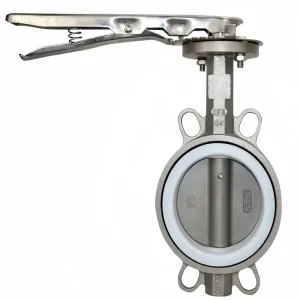
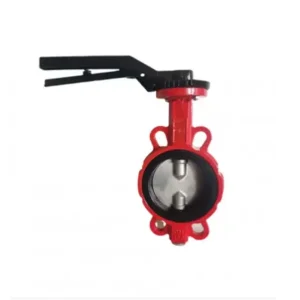
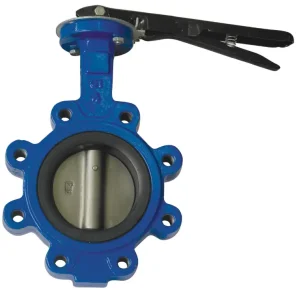
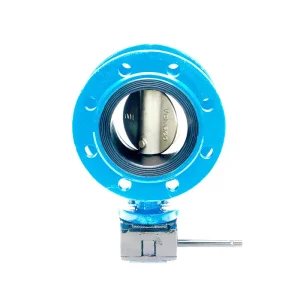
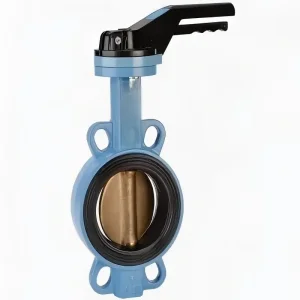
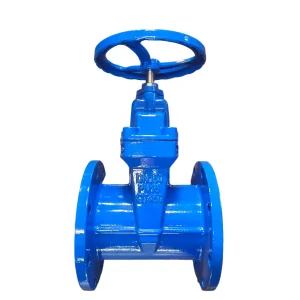
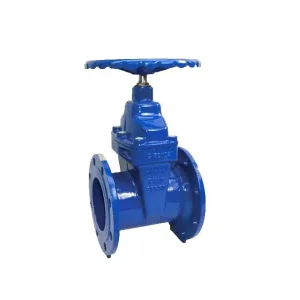
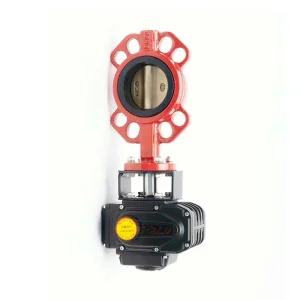
The Global Commercial & Industrial Landscape of PTFE Seated Butterfly Valves
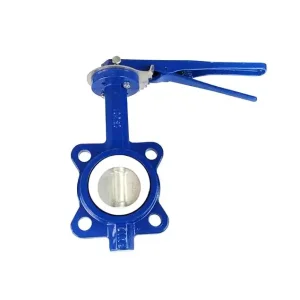
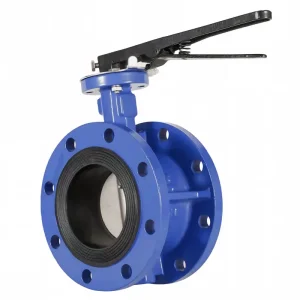
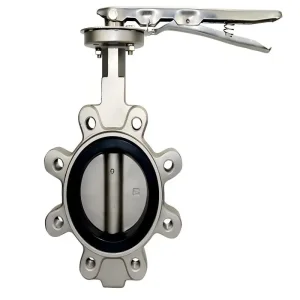
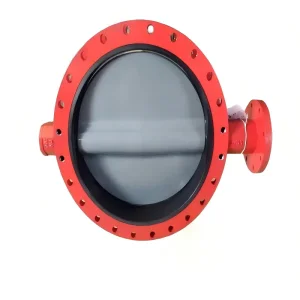
In modern industrial process engineering, the PTFE (Polytetrafluoroethylene) seat butterfly valve has established itself as the non-negotiable benchmark for critical chemical isolation, high-purity fluid transfer, and corrosive environmental service. Unlike traditional elastomeric materials like standard NBR or general EPDM which deteriorate rapidly under acidic, alkaline, or high-temperature solvent exposure, PTFE provides near-universal chemical inertness across a continuous operating thermal spectrum spanning from -40°C to +200°C (-40°F to +392°F).
Global procurement metrics indicate an accelerating shift across North America, the European Union, the Middle East, and the Asia-Pacific region toward PTFE-lined and PTFE-seated quarter-turn valves over costly exotic alloy gate or globe valves. The lightweight footprint, tight face-to-face dimensions (conforming to EN 558 Series 20 / API 609), and bi-directional Class VI bubble-tight shut-off reduce capital expenditure by up to 45% while decreasing mechanical stress on pipeline flanges.
As international environmental regulations tighten regarding fugitive VOC emissions (such as ISO 15848-1 and TA-Luft compliance), industrial operators demand superior gland packing integrity and vulcanized or mechanically energised seat backups. Our Tianjin factory utilizes virgin and modified PTFE (TFM-1600) backed with resilient silicon or EPDM cushions to ensure sustained sealing memory and zero seat deformation over tens of thousands of operational cycles.
Engineering Performance Snapshot
- Nominal DiametersDN40 – DN1200 (1.5" to 48")
- Pressure RatingPN10, PN16, Class 150 (ANSI)
- Liner / Seat MaterialsVirgin PTFE, TFM-1600, Conductive PTFE, PFA
- Elastomer EnergizersViton (FKM), EPDM, High-Temp Silicone
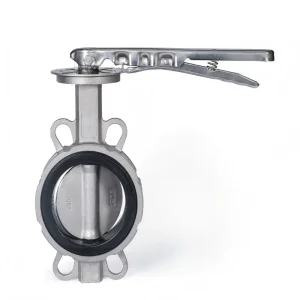
- Disc SubstratesCF8 (304), CF8M (316), Hastelloy C, 2507, PTFE-coated
- Body MetallurgyDuctile Iron GGG40/QT450, WCB, SS316
- Leakage ClassEN 12266-1 Rate A / API 598 Zero Bubble
- Fugitive EmissionISO 15848-1 Class AH / TA-Luft Approved
Why Global EPCs Choose Tianjin Direct Factory Manufacturing
Direct factory production eliminates trading intermediaries, shortens project delivery schedules, and guarantees complete raw material traceability from sand casting through CNC machining and pressure certification.
In-House Casting Foundry
Our dedicated foundry pours ductile iron (QT450-10, GGG40), WCB, CF8, and CF8M stainless steel valve bodies directly. Strict metallurgical spectrometer analysis guarantees chemical composition before molten metal enters the moulds.
Elastomer & PTFE Compounding
Backed by Tianjin Dongfang Rubber Factory (operating since 1987), we mould our own resilient EPDM/Silicone energizers and sinter virgin PTFE liners. This controls compression deflection, anti-creeping properties, and tensile resistance at source.
Multi-Axis CNC Machining
State-of-the-art CNC horizontal lathes and vertical machining centers produce high-precision disc spherical edges, stem broaching, and body bore finishes. Micro-inch surface finishes reduce operating torques by 25% to 35%.
100% Dual Pressure QA Rig
Every single valve leaves our production line only after automated hydrostatic shell testing (1.5x design pressure) and pneumatic seat leakage testing (1.1x design pressure). Test records are archived with individual serialized heat numbers.
Engineered for Harsh Corrosive & Ultra-Pure Operating Environments
From semiconductor cleanrooms to offshore marine platforms, our PTFE seated butterfly valves perform under severe chemical exposure, high cyclical stresses, and rigorous purity constraints.
Chemical & Petrochemical
Handles concentrated sulfuric acid (H2SO4), hydrochloric acid (HCl), chlorine dioxide, caustic soda, and volatile solvents without polymer degradation or disc pitting.
Semiconductor & Cleanroom
Ultra-pure virgin PTFE liners assembled in clean environments prevent trace heavy-metal leaching and ion contamination in high-purity chemical wet benches and UPW systems.
Pharmaceutical & F&B
Fully compliant with FDA 21 CFR 177.1550 and USP Class VI. Features mirror-polished discs and pinless connections that eradicate stagnant dead-legs and bacterial proliferation.
Desalination & Seawater
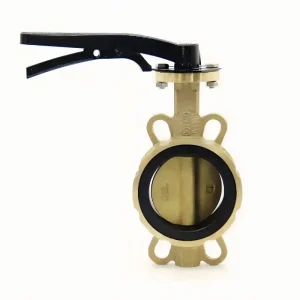
Paired with Aluminum Bronze (C95800) or Duplex 2205/2507 discs, PTFE seats resist intense chloride ion stress corrosion cracking in high-recovery SWRO membrane trains.
Mining & Flue Gas Desulfurization
Custom-engineered with high-hardness ceramic or stellite disc edges, resilient PTFE-seated valves isolate abrasive lime slurry and gypsum streams in power plant FGD scrubbers.
Industrial Valve Engineering Selection & Operational Comparison
Understand how PTFE seated butterfly valves compare technically and economically with other core valve geometries manufactured in our Tianjin factory campus.
| Valve Technology | Primary Flow Function | Seat Sealing Mechanism | Flow Resistance (Cv) | Standard Metallurgy | Optimal Application Spectrum |
|---|---|---|---|---|---|
| PTFE Seat Butterfly Valve | Corrosive Isolation & Throttling | Bi-directional zero-leakage resilient PTFE/TFM | High flow capacity, minimal delta-P | Ductile Iron, WCB, SS316, Hastelloy | Corrosive Acids & High Purity |
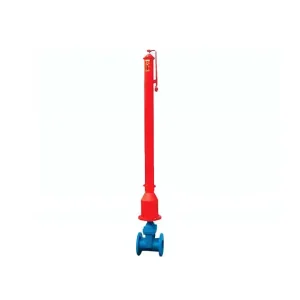
| Resilient Seated Gate Valve | Full-bore unobstructed on/off isolation | Vulcanized EPDM/NBR encapsulated wedge | Maximum (straight-through bore, zero delta-P) | Ductile Iron GGG50, DIN EN 1171 | Municipal Potable Water & Sewage |
| Dual Plate / Lift Check Valve | Automatic backflow & water-hammer defense | Spring-loaded twin discs, rubber or metal seal | Moderate to low resistance | Cast Iron, SS304/316, Bronze C95800 | Pump Stations & Chilled Water HVAC |
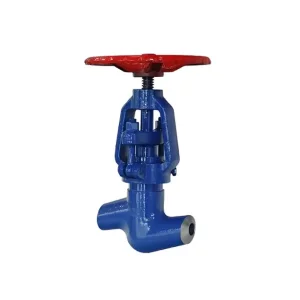
| High-Pressure Globe Valve | Linear fine regulation & throttling | Plug and hard-faced stellite seat ring | High pressure drop due to tortuous flow path | WCB, WC6, WC9, Stainless Steel | Power Station Steam & Vacuum Lines |
| Industrial Ball Valve | Fast quarter-turn shut-off & diversion | Floating or trunnion ball with PTFE/PEEK | Maximum (equal to straight pipe in full-port) | CF8M, WCB, Carbon Steel | High Pressure Hydrocarbon & Gas |
Emerging Trends & What Global Enterprise Buyers Require
Global supply chains are evolving toward stricter environmental compliance, extended life expectancy, and integrated smart automation.
Next-Gen Fluoropolymers (TFM-1600)
Enterprise chemical plants are progressively replacing conventional PTFE with second-generation modified PTFE (TFM-1600). TFM delivers significantly lower permeability, reduced cold-flow creep deformation, and superior recovery properties, extending seat working life by over 300% under severe thermal cycling.
Intelligent Actuation & IIoT Telemetry
Global procurement packages increasingly specify direct-mount ISO 5211 top flanges equipped with intelligent electric or pneumatic positioners. Digital protocols (HART, Modbus, Profibus) enable predictive valve health monitoring, torque deviation tracking, and automatic stroke diagnostics.
Stringent QA & 3.1 Material Traceability
Tier-1 procurement organizations demand non-destructive testing (NDT), dye-penetrant inspection on castings, and full EN 10204 3.1 chemical/physical inspection certificates. Our quality department provides complete documentation packs with heat numbers etched on every valve body.
Three Decades of Valve Engineering Excellence & Rubber Synergy
Tianjin Top Automation Equipment Co., Ltd. (operating in the modern Wuxia Industrial Park, Dongli District, Tianjin) builds upon a rich industrial heritage spanning over three decades. Our major shareholder directly manages two historical pillar enterprises: Tianjin Donglian Valve Factory (established in 1996) and Tianjin Dongfang Rubber Factory (founded in 1987).
In the butterfly valve industry, the elastomer seat and fluoropolymer liner represent the critical sealing interface that determines the valve's operational lifetime. By formulating, compounding, and vulcanizing our own rubber and PTFE seals in-house rather than outsourcing to random external vendors, we maintain 100% control over physical hardness, compression set, elongation at break, and chemical resistance.
Our integrated facility features an advanced physical and chemical laboratory capable of tensile testing, rubber rheometer profiling, chemical immersion analysis, and high-pressure burst verification, ensuring uncompromised performance for international projects.
Audited International Certifications
- ISO 9001:2015Quality Management System Certified
- ISO 14001:2015Environmental Management Certified
- ISO 45001:2018Occupational Health & Safety Certified
- CE-PED (2014/68/EU)Pressure Equipment Directive Compliant
- WRAS ApprovedDrinking Water Safety (Selected Models)
- Flange DrillingEN 1092, ASME B16.5 Class 150, JIS B2239
- Face-to-Face StandardAPI 609 Table 1, EN 558-1 Series 20, ISO 5752
What is the key technical difference between virgin PTFE and modified PTFE (TFM-1600) seats?
While virgin PTFE offers outstanding chemical resistance, it has a tendency under sustained compressive mechanical loads to experience cold flow (creep). Modified PTFE, commonly known as TFM-1600, incorporates a perfluoroalkoxy fluoropolymer modifier during polymerization.
This creates a much denser molecular matrix that reduces creep deformation under load by over 50%, enhances elastic memory, decreases gas permeability by a factor of two, and provides a smoother surface finish (lower Ra), which translates to lower operating torque and extended cycle life in aggressive chemical pipelines.
Are your butterfly valves and resilient seated gate valves approved for potable drinking water?
Yes. Selected product series, including models 4020G, 4020L, 4325G, and 4325L, carry full WRAS (Water Regulations Approval Scheme) certification for municipal potable drinking water networks.
Our drinking water valves utilize certified non-toxic EPDM compounds produced in our rubber division that pass micro-biological growth, cytotoxicity, and taste/odor tests. For complete WRAS certificate numbers and material declaration sheets, contact our engineering support team.
Why is the pinless disc-to-stem design superior for PTFE-lined butterfly valves?
In traditional butterfly valves, pins or screws pass through the disc to secure it to the stem. In highly corrosive fluid service, these through-pins create severe vulnerability: if the pin seals degrade, the process media attacks the stem core or leaks through to the atmospheric boundary.
Our pinless butterfly valves utilize a polygonal internal drive, double half-shaft, or broached splined connection completely encapsulated within the disc. This eliminates all potential leak paths through the disc, prevents corrosion of internal shaft components, and allows easy disassembly during maintenance.
What quality inspections and pressure tests are conducted before dispatch?
100% of our production batch undergoes rigorous pressure testing in accordance with API 598, EN 12266-1 (Rate A), or ISO 5208 before packing. This entails a hydrostatic shell pressure test at 1.5 times the nominal working pressure and a bi-directional seat leakage test at 1.1 times nominal pressure with zero permitted visible bubbles.
Additionally, PTFE lined valves undergo high-voltage spark testing (up to 14 kV) to verify that the fluoropolymer lining is entirely free of pinholes or micro-porosity.
Which international flange dimensions and drilling standards can your factory supply?
Our wafer, lug, and double-flanged bodies are designed to accommodate global multi-standard flange drillings including EN 1092-1 / EN 1092-2 (PN10, PN16, PN25), ASME/ANSI B16.5 and B16.47 (Class 125, Class 150), British Standard BS 10 (Table D & E), and Japanese Industrial Standard JIS (5K, 10K, 16K).
Face-to-face dimensions comply strictly with ISO 5752 Series 20, EN 558 Series 20, and API 609 Table 1, ensuring universal drop-in replacement in existing pipelines.
How are export valve orders packed to prevent transit damage during sea freight?
All finished valves are thoroughly cleaned and dried, with disc faces set in an slightly open position to prevent seat setting deformation during storage. Flange openings are sealed with heavy-duty polyethylene protective end caps.
Each valve is wrapped in protective heavy bubble film bags, desiccant pouches are inserted, and units are securely positioned in fumigated export-grade plywood crates compliant with ISPM 15 standards, preventing moisture damage and impact during intermodal ocean transport.
Specialized Industrial Valves for Severe Duty & Plant Engineering
Expand your procurement portfolio with our heavy-duty gate valves, severe power station globe valves, corrosion-resistant bronze assemblies, and high-abrasion ceramic butterfly valves.