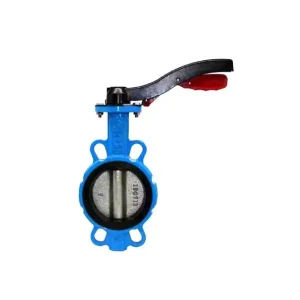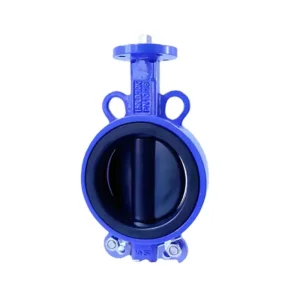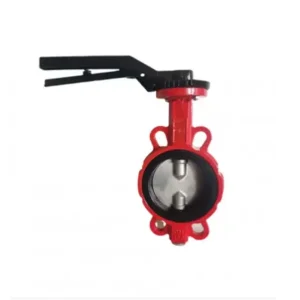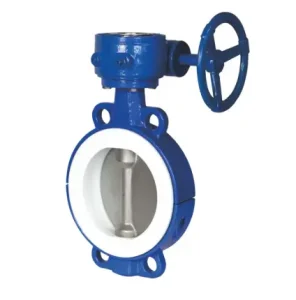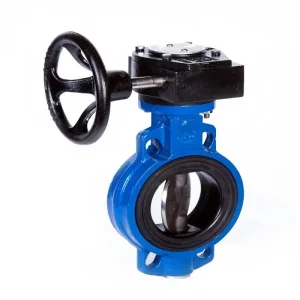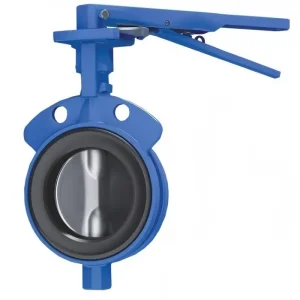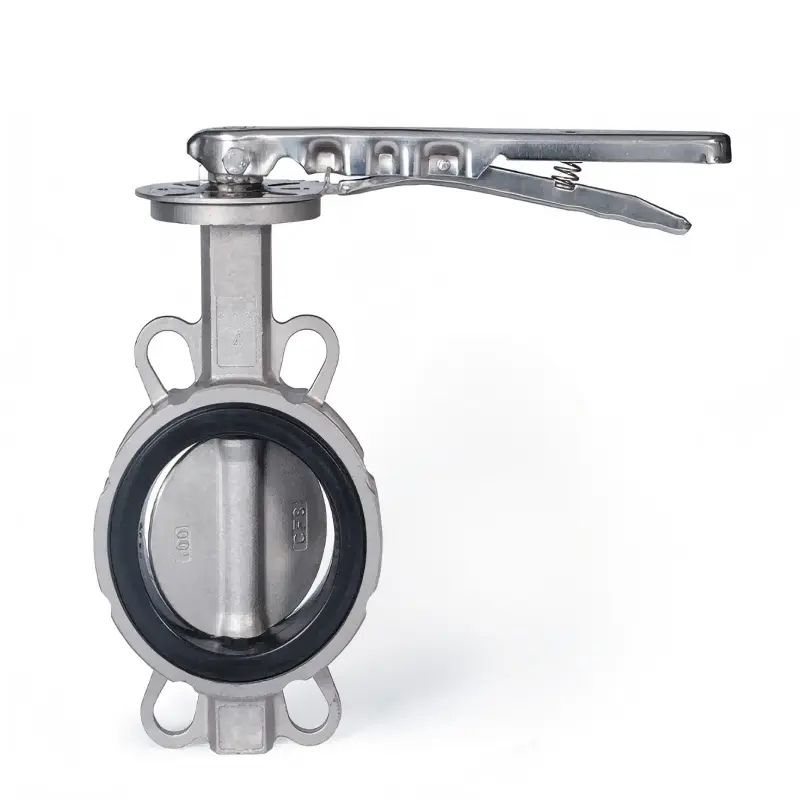
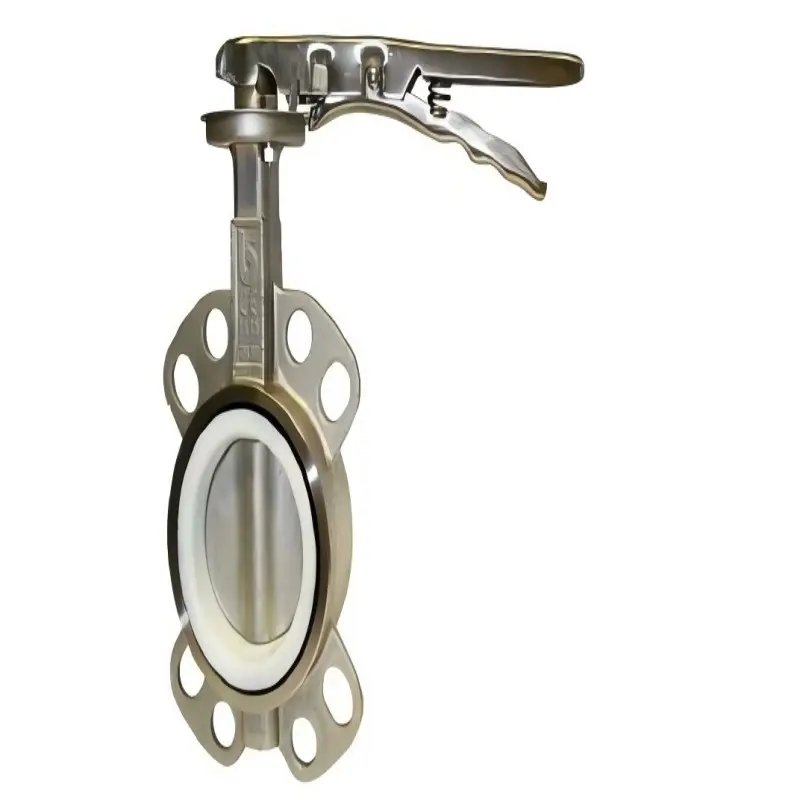
Wholesale Stainless Steel Butterfly Valve - Durable & Corrosion-Resistant Suppliers, Manufacturer
Product Description
1. Superior Cost-Efficiency & Space Savings
- They have a simpler structure (fewer components) than gate or globe valves, leading to lower manufacturing and purchase costs.
- Their compact, lightweight design takes up less installation space and reduces transportation costs, which is critical for tight piping layouts.
2. Excellent Corrosion Resistance & Durability
- Made of high-grade stainless steel (e.g., 304, 316), they resist rust, chemical erosion, and oxidation far better than carbon steel valves.
- This durability extends their service life, especially in harsh environments like seawater systems, chemical plants, or food processing (where hygiene and corrosion resistance are non-negotiable).
3. Fast Operation & Low Pressure Drop
- As quarter-turn valves, they open/close fully with a 90-degree shaft rotation—much faster than multi-turn gate valves, saving time in emergency shutoffs.
- The streamlined disc design creates minimal obstruction to fluid flow, resulting in lower pressure loss compared to globe valves (which have more complex internal flow paths).
4. Easy Maintenance & Versatility
- Their simple structure (no hidden internal parts) makes disassembly, cleaning, and seal replacement easier than ball or globe valves.
- They work for both on/off control and throttling (regulating flow rate), and are compatible with liquids, gases, and slurries—unlike some specialized valves (e.g., check valves) that only serve one function.
Valve Performance Comparison
| Comparison Metric | Stainless Steel Butterfly Valve | Gate Valve | Globe Valve | Ball Valve |
|---|---|---|---|---|
| Cost (Purchase & Installation) | Low (simple structure, lightweight) | High (heavy, complex machining) | High (intricate internal design) | Medium to High (varies by size) |
| Corrosion Resistance | Excellent (304/316 SS material) | Poor (mostly carbon steel; SS versions costly) | Poor (same as gate valves) | Good (SS options available, but often pricier than butterfly) |
| Operation Speed | Fast (90° quarter-turn) | Slow (multi-turn to fully open/close) | Slow (multi-turn) | Fast (90° quarter-turn) |
| Pressure Drop | Low (streamlined disc design) | Low (full bore when open) | High (turbulent flow path) | Low (full bore when open) |
| Maintenance Ease | Easy (fewer parts; accessible seals) | Difficult (hard-to-reach internals) | Difficult (complex valve trim) | Medium (seals may require specialized tools) |
| Versatility (Flow Control) | High (on/off + throttling; liquids/gases/slurries) | Low (only on/off; poor for slurries) | Medium (good throttling; poor for slurries) | Medium (on/off + limited throttling; risk of slurry buildup) |
Frequently Asked Questions
What makes stainless steel butterfly valves more cost-efficient than gate valves?
Stainless steel butterfly valves feature a more streamlined design with fewer internal parts. This reduces material usage, manufacturing complexity, and total weight, resulting in significantly lower equipment and installation costs.
Can a stainless steel butterfly valve handle slurry and high-viscosity media?
Yes. Because of their non-restrictive cavity design and streamlined disc, butterfly valves are suitable for handling liquids, gases, and slurries without excessive sediment buildup.
How fast can a quarter-turn butterfly valve operate in an emergency?
A butterfly valve opens or closes completely with a simple 90-degree shaft rotation, enabling rapid shutoff compared to multi-turn options like gate valves.
Why are 304 and 316 stainless steel materials preferred for these valves?
High-grade 304 and 316 stainless steels provide superior resistance against rust, chemical oxidation, and harsh environments, making them ideal for chemical processing, marine applications, and food and beverage manufacturing.
How does disc design affect pressure drop across the valve?
The streamlined profile of the disc creates minimal flow obstruction when fully open, keeping turbulence and system pressure loss significantly lower than in globe valves.