
Engineered Valve Solutions: Featured Heavy-Duty Assemblies
Explore our precision-machined flow control series manufactured under stringent ISO 9001 and CE directives. Each production unit undergoes 100% hydrostatic shell and bubble-tight seat leakage testing prior to worldwide dispatch.
The Mechanics of Pneumatic Ball Valves in Critical Automation Loops
In modern automated process plants, pneumatic ball valves serve as the definitive first line of defense for emergency shutdown (ESD), continuous throttling, and batch pipeline isolation. Achieving zero fugitive emissions and continuous cycle reliability demands an integrated look at metallurgy, sealing polymers, and pneumatic kinematics.
Torque Sizing & Kinematics
Pneumatic quarter-turn actuators convert instrument air energy into rotational torque through rack-and-pinion or scotch-yoke mechanisms. Proper engineering requires accounting for breakaway torque, run torque, and end-of-stroke seating dynamics, applying a baseline 30% to 50% safety coefficient under severe media conditions.
- Rack & Pinion: Linear torque curves for compact fast-acting cycles.
- Scotch Yoke: High break-out & end torque for large trunnion systems.
- Direct ISO 5211 Pad: Eliminates bracket deflection and hysteresis.
Seat Sealing Polymers & Cavity Relief
The core limitation in automated ball valve longevity is elastomeric and thermoplastic seat degradation. By formulating seats in-house, we control tensile elasticity, micro-void density, and cold-flow resistance to maintain Class VI shutoff across extreme pressure drops.
- Virgin & Reinforced PTFE: Superior chemical inertness up to 180°C.
- PEEK & Devlon V-Shell: High pressure resistance (ASME Class 900-2500).
- Self-Relieving Cavity Seats: Automatic venting of thermal fluid expansion.
Fugitive Emission Prevention
Volatile Organic Compound (VOC) emissions through the valve bonnet are mitigated via live-loaded stem packing systems meeting ISO 15848-1 and TA-Luft compliance. Belleville spring washers maintain constant axial load during continuous cycling and extreme thermal shocks.
- Stem Micro-Finish: Ground and burnished to Ra ≤ 0.2 µm.
- Dual O-Ring Stem Sealing: FKM/FFKM backing with graphite fire seals.
- Blow-Out Proof Design: Internally assembled high-tensile stem collar.
China Factory 4.0: Foundry Heritage Meets Digital MES Integration
At Tianjin Top Automation Equipment Co., Ltd. (operating in Wuxia Industrial Park, Dongli District, Tianjin), our vertical integration provides unmatched supply chain resilience. Backed by corporate group origins spanning Tianjin Donglian Valve Factory (operating since 1996) and Tianjin Dongfang Rubber Factory (operating since 1987), we control every metallurgical melt and elastomer cure in-house.
In-House Metallurgical Foundry & Spectrometry
Unlike typical assembly-only trading outfits, our group operates independent electric induction furnaces and automated resin sand molding lines. Every batch of WCB carbon steel, CF8M stainless steel, Super Duplex, or Nickel-Aluminum Bronze is verified via direct-reading emission spectrometers prior to pouring.
- Traceable Heat Numbers: Permanently cast into each valve shell.
- Non-Destructive Testing (NDT): In-house Radiographic (RT), Ultrasonic (UT), and Magnetic Particle (MPI) testing.
- EN 10204 3.1 & 3.2: Comprehensive metallurgical & mechanical certs delivered with every order.
Elastomer Compounding & Polymer Molding Since 1987
Through Tianjin Dongfang Rubber Factory's 38-year vulcanization legacy, we compound specialized EPDM, NBR, FKM, and engineered PTFE formulations on-site. Controlling polymer chemistry prevents seat hardening, embrittlement, and premature cycle failure under abrasive and aggressive chemicals.
- Custom Compound Formulations: High-compression resilience and anti-explosive decompression (AED).
- WRAS & Potable Water Certifications: Formulations certified toxicologically inert.
- Tight Shore Durometer Tolerance: ±3 Shore A consistency across large-volume production runs.
| Production Node | Technical Capabilities & Machinery | Quality Assurance Protocols | Procurement Advantage |
|---|---|---|---|
| Casting & Foundry | Induction melting, Resin sand line, Centrifugal casting (WCB, CF8, CF8M, Bronze) | Optical emission spectrometry, Charpy V-notch impact, Brinell hardness | Zero Casting Porosity |
| CNC Machining Cell | Horizontal machining centers (HMC), 5-axis ball spherical grinders, automated lathes | 3D Coordinate Measuring Machines (CMM), surface roughness profilometers | Interchangeable Parts |
| Polymer Synthesis | Internal mixers, vulcanization presses, PTFE sintered compression molding | Tensile strength testing, DIN 53516 abrasion resistance, rheometer curves | In-House Quality Control |
| Automation Assembly | NAMUR solenoid mounting, switchbox alignment, electro-pneumatic calibration | 100% API 598 hydrostatic, high-pressure nitrogen & stroke timing testing | Plug-and-Play Site Ready |
Macro-Industry Engineering Solutions: Built for Hostile Operating Realities
Our pneumatic automated valves operate across the world's most unforgiving production environments. We engineer purpose-built valve assemblies specifically calibrated to handle extreme thermodynamic stresses, corrosive media, and mission-critical safety conditions.
Petrochemical & Refining
Severe service hydrocarbon units require robust fire-safe containment and emergency fail-close operation under explosive atmosphere regulations.
- API 607 / API 6FA fire-tested secondary metal-to-metal seating.
- NACE MR0175 / ISO 15156 sour gas sulfide stress cracking resistance.
- ATEX / IECEx certified flameproof limit switchboxes and solenoids.
Cryogenic & LNG Regasification
Liquefied Natural Gas (-162°C) and liquid nitrogen distribution demand prevention of cryogenic stem freezing and body contraction distortion.
- Extended vapor column bonnet conforming to BS 6364.
- Austenitic CF8M stainless bodies with low-temp Charpy impact qualification.
- PCTFE (Kel-F®) seating maintaining elasticity at -196°C.
Desalination & Seawater Utilities
High-chloride seawater systems induce rapid crevice corrosion and pitting in ordinary steels, requiring dedicated marine alloys.
- C95800 Nickel-Aluminum Bronze bodies and Super Duplex 2507 trims.
- Full vulcanized rubber-lined body sleeves avoiding metallic contact.
- High Kv values minimizing energy consumption in RO high-pressure pumps.
Corrosive Chemical & Acid Pickling
Hot sulfuric, hydrochloric, and nitric acid pipelines destroy standard ball and seat assemblies through electrochemical attack.
- PFA / FEP fluoropolymer locked-in lining (minimum 3mm lining thickness).
- Solid ceramic (ZrO2 / Al2O3) balls and seats for aggressive slurries.
- Hastelloy C-276, Monel, and Titanium Grade 2 custom alloy castings.
High-Purity BioPharma & Food Grade
Strict hygienic operations prohibit fluid stagnation zones and microbial entrapment inside valve internal dead zones.
- Cavity-filled PTFE seat rings eliminating dead space around the sphere.
- Electropolished bore surfaces Ra < 0.4 µm meeting ASME BPE standards.
- Sanitary Tri-clamp, dairy flanged, and orbital tube weld ends.
Clean Hydrogen & Modern Power
Hydrogen molecules diffuse through molecular metallic lattice networks, requiring specialized permeation-resistant packing.
- ISO 15848-1 Class AH helium leak rates below 10^-6 mg/(s·m).
- High-cycle automated pneumatic fast switching (< 0.5s stroke).
- High-pressure power station pattern conforming to ASME Class 1500/2500.
Technology Roadmap: Intelligent Actuation & Next-Gen Fluid Control
Flow control technology is rapidly transitioning from passive mechanical components to edge-connected intelligent industrial nodes. Our R&D engineering center continues to pioneer advanced actuation, edge-AI health prognostics, and zero-leakage metallurgical frameworks.
Smart Digital Positioners
Deployment of electro-pneumatic smart positioners featuring HART 7, Foundation Fieldbus, and Profibus PA. Automated self-calibration, partial stroke testing (PST), and dynamic air supply pressure monitoring.
Edge-AI Valve Diagnostics
Onboard vibration, torque deviation, and acoustic sensors running edge ML algorithms to detect seat scoring, packing friction, and pneumatic bladder leaks before plant failure occurs.
Ultra-Low Emission Seals
Graphene-reinforced fluoroelastomer matrix seals and nano-ceramic thermal barrier stem coatings, eliminating fugitive emissions across a continuous -80°C to +400°C thermal envelope.
Additive Composite Actuation
Topology-optimized carbon-fiber composite pneumatic cylinder barrels paired with titanium-printed internals, reducing actuator top-works payload by 65% on offshore piping racks.
Compliance Framework & Global EPC Procurement Specifications
International EPC engineering contractors require frictionless regulatory compliance. Every pneumatic ball valve system shipped from our facility complies with worldwide structural, dimensional, testing, and safety-integrity mandates.
Pressure Equipment Directive (PED) & CE
Full conformity with European Union Pressure Equipment Directive (2014/68/EU) Module H. Pressure-bearing boundaries undergo strict finite element stress analysis (FEA) to confirm safety factors under explosive pressure surges.
SIL-3 Functional Safety (IEC 61508)
Actuator and ball valve assemblies certified for Safety Instrumented Systems (SIS) up to SIL-3 in redundant configurations. Failure Modes, Effects, and Diagnostic Analysis (FMEDA) reports verify low Probability of Failure on Demand (PFD).
API 6D, API 598 & ISO 5208 Testing
Zero-leakage bi-directional hydrostatic and low-pressure air testing standard on every valve. Standardized ISO 5211 direct mounting top flanges eliminate intermediate brackets and permit universal actuator interchangeability.
The Global Procurement Matrix: Evaluating Total Cost of Ownership (TCO)
When global EPC firms and industrial distributors purchase pneumatic ball valves, acquisition cost accounts for less than 18% of the lifetime valve expense. Unplanned plant downtime, air compressor leakage overhead, and frequent seal replacements dominate the true Total Cost of Ownership.
The Danger of Undersized Actuation Packages
Budget valve distributors frequently cut project bid prices by pairing valves with marginal actuator torque margins (<10%). Over time, media calcification, particulate accumulation, and thermal seat expansion increase internal breakout torque, causing valve stalls, failed safety shut-offs, and plant tripping.
- Our Engineering Standard: Mandatory 30% safety factor for clean liquids; 50% for dry gas and slurries.
- Hard-Anodized Aluminum Barrels: Minimum 50 µm hard anodization thickness to prevent cylinder bore galling.
- Optimized Air Consumption: Precision internal cylinder tolerance reduces compressed air waste by up to 22%.
Auditable Supply Chain & Logistics Advantage
Located in Tianjin with rapid direct highway access to Tianjin Port (one of the world's premier maritime trade hubs), our global supply pipeline guarantees reliable shipping schedules, container consolidation, and robust export crating that protects sensitive electronic and pneumatic top-works.
- Factory Direct Sourcing: Eliminate trading agent surcharges and guarantee authentic material certs.
- Pre-Assembled Automation Packages: Limit switches, solenoids, and positioners pre-wired and tested.
- Emergency MRO Spares Program: Guaranteed fast-turnaround production runs for planned outages.
Require a Precision Valve Sizing Matrix for Your Plant?
Submit your process pipeline specifications (media, operating temperature, differential pressure, fail position, and air supply). Our Senior Automation Engineers will deliver complete 3D CAD models, torque calculations, and commercial proposals within 24 hours.
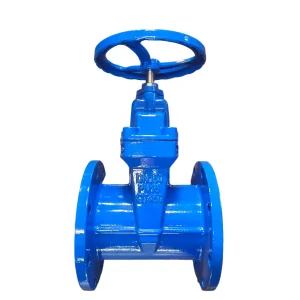
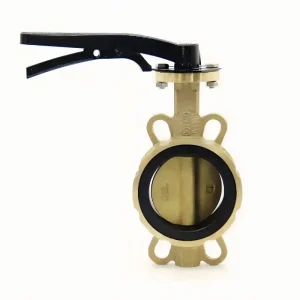
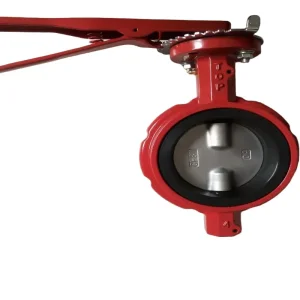
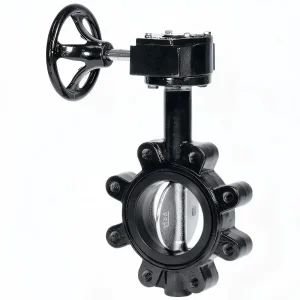
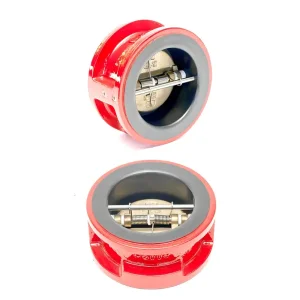
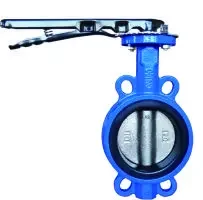
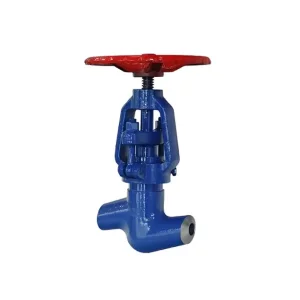
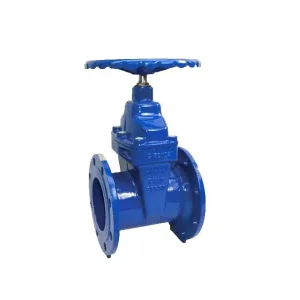
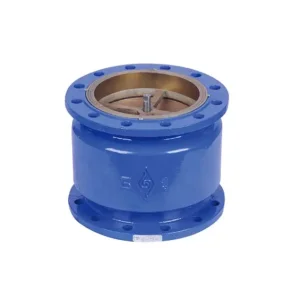
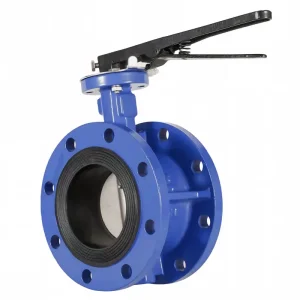
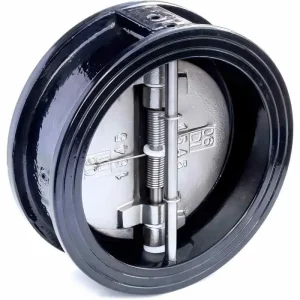
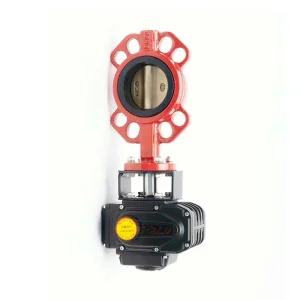
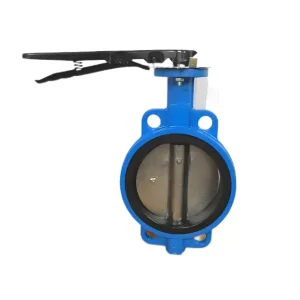
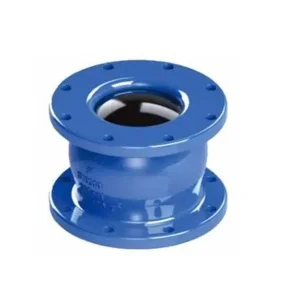
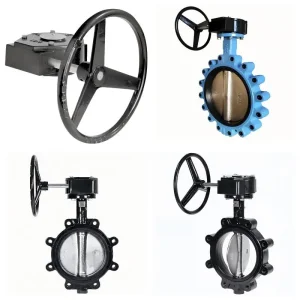
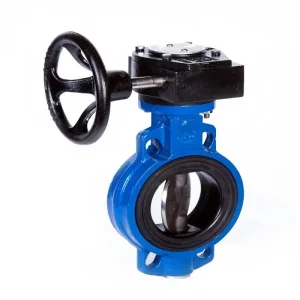
Extended Flow Control Solutions: Check, Butterfly & Multi-Standard Valves
Engineered for universal compatibility with EN 1092, ASME B16.5, DIN, and JIS drilling standards. Review our extended factory-direct inventory built to integrate seamlessly with automated pneumatic infrastructure.
Frequently Asked Technical & Procurement Questions
In-depth answers curated by our senior application engineering team to support international EPC project engineers, plant managers, and equipment procurement directors.
How do you calculate the correct pneumatic actuator sizing safety factor for viscous or slurry fluids?
For standard lubricated water and clean media, an industry baseline safety coefficient of 20% to 25% over the valve's maximum published breakaway torque is standard. However, when handling slurries, polymerizing fluids, dry powders, or viscous heavy oils, our engineers apply a 40% to 50% safety factor. We compute sizing based on: Torque (required) = Breakaway Torque × Media Factor × Frequency Factor × Safety Factor. Additionally, minimum available instrument air pressure (e.g., 4.0 bar instead of nominal 6.0 bar) is always calculated to prevent low-pressure failure to actuate.
What is the core operational difference between Double-Acting and Single-Acting (Spring-Return) pneumatic ball valves?
Double-Acting (DA) actuators require instrument air pressure to drive the pistons in both directions (air-to-open and air-to-close). If air supply is severed, the valve remains in its last dynamic position (fail-last/fail-in-place). Single-Acting / Spring-Return (SR) actuators use compressed air to stroke in one direction while compressing high-tensile internal springs. Upon loss of electrical signal or instrument air supply, the mechanical energy stored in the springs immediately forces the valve into a predetermined safe state (Fail-Closed or Fail-Open), essential for Emergency Shutdown (ESD) circuits.
How does your vertical integration (foundry + rubber factory) protect buyers from seal failure?
Most valve brands source polymer and rubber components from third-party commoditized markets where polymer filler content, carbon black grading, and cure vulcanization times fluctuate wildly. Through our ownership of Tianjin Dongfang Rubber Factory (operating since 1987), we compound and mold our EPDM, NBR, and fluoroelastomers under strict batch-traceable rheometer testing. This prevents common failure points like compression set loss, explosive decompression, and chemical embrittlement, ensuring true long-cycle seal integrity.
Can your pneumatic ball valves be configured for precise throttling or modulating control service?
Yes. By replacing standard on/off solenoids with electro-pneumatic smart valve positioners (accepting 4-20mA analog or digital HART / Modbus signals) and utilizing V-port ball configurations (30°, 60°, or slotted V-notch), our valves achieve precise equal-percentage flow control curves. The V-notch provides precise flow regulation at low stroke percentages while maintaining exceptional rangeability up to 300:1 without cavitational flutter.
What material inspection reports and tracing certifications accompany wholesale export shipments?
Every shipment is accompanied by complete inspection dossiers conforming to EN 10204 Type 3.1 (or Type 3.2 on request with independent third-party inspection agencies such as SGS, Bureau Veritas, or DNV). The dossier includes chemical mill test reports, mechanical tensile and impact test values, Positive Material Identification (PMI) results, hydrostatic shell (1.5x PN) and low-pressure air seat leakage records, paint DFT certificates, and actuator stroke time logs.
How does your Tianjin manufacturing campus facilitate streamlined logistics for international delivery?
Our 23,000 m² production facility in Wuxia Industrial Park (Dongli District, Tianjin) is situated less than 40 minutes from Tianjin Xingang Port, the largest maritime gateway in northern China. This proximity eliminates domestic multi-point transshipment risks, simplifies export container consolidation, and provides fast maritime sailings to Southeast Asia, the Middle East, Europe, and the Americas.
