
Precision Flow Control: Flagship Industrial Valve Catalog
Explore high-performance resilient seated gate, check, globe, and butterfly valves manufactured in strict accordance with EN 1171, DIN 3352, BS 5163, AWWA C509/C515, and ISO 9001 certified production lines.
Engineering Ductile Iron Gate Valves for High-Stress Infrastructure
A rigorous examination of nodular cast iron mechanics, elastomer vulcanization, stem torque dynamics, and hydrostatic lifecycle endurance under real-world municipal and industrial conditions.
In municipal water transmission, wastewater conveyance, irrigation networks, and industrial utility loops, the Ductile Iron Gate Valve represents the gold standard for robust isolation. While traditional grey cast iron (GG25) possesses high compressive strength, its brittle flake graphite micro-geometry renders it vulnerable to catastrophic shear failure when exposed to hydraulic transients, water hammer, traffic-induced pipe settlement, and thermal expansion cycles. By contrast, ductile iron—designated internationally as GGG50, EN-GJS-500-7, or ASTM A536 Grade 65-45-12—undergoes a specialized magnesium inoculation process during melt processing, causing free graphite to precipitate into spheroidal nodules rather than sharp micro-flakes.
This nodular configuration drastically eliminates interior stress concentrations, providing ductile iron gate valves with mechanical attributes closely matching carbon steel: minimum tensile strength reaching 500 MPa, yield strength surpassing 320 MPa, and elongation capabilities exceeding 10% to 12%. When specified for resilient seated gate valve (RSGV) architecture, ductile iron offers an unyielding pressure boundary capable of withstanding severe bending moments and external geological stresses without micro-fracturing.
| Material / Mechanical Property | Ductile Iron (GGG50 / EN-GJS-500-7) | Grey Cast Iron (GG25 / EN-GJL-250) | Cast Carbon Steel (WCB / 1.0619) |
|---|---|---|---|
| Microstructural Graphite Form | Spheroidal Nodules (Nodularity ≥ 85%) | Dispersed Lamellar Flakes | Ferrite-Pearlite Matrix (No Free Graphite) |
| Tensile Strength (MPa) | ≥ 500 MPa (72,500 psi) | ≥ 250 MPa (36,000 psi) | ≥ 485 MPa (70,000 psi) |
| Yield Strength (MPa) | ≥ 320 MPa (46,400 psi) | Not Measurable (Brittle Cleavage) | ≥ 250 MPa (36,000 psi) |
| Elongation at Break (%) | ≥ 7% - 12% (Exceptional Plasticity) | < 0.5% (Extremely Brittle) | ≥ 22% (Ductile) |
| Hydraulic Shock & Surge Resistance | Very High (Absorbs Water Hammer Pulses) | Poor (High Risk of Sudden Rupture) | High |
| Cavity-Free Straight-Through Flow | 100% Full Bore Smooth Invert (No Sump) | Often Deep Sump (Sediment Traps) | Application Dependent |
| Standard Corrosion Protection | Electrostatic FBE Powder ≥ 250 µm | Liquid Alkyd or Primer Only | Industrial Coating Systems |
The Chinese Factory Advantage: Full Supply Chain Integration
Why leading global water authorities, EPC contractors, and multinational distributors partner directly with our integrated Tianjin manufacturing complex.
In-House Foundry & Metallurgy Control
Unlike trading intermediaries that source raw castings from fragmented third-party sub-suppliers, our Tianjin production hub operates dedicated casting foundries. We conduct real-time optical emission spectrometry on every heat ladle, verifying carbon equivalent, silicon, and magnesium dosing to guarantee dense, void-free GGG50 nodular iron bodies with superior pressure containment.
Dedicated Elastomer Vulcanization (Since 1987)
The operational lifetime of a resilient gate valve is determined by its elastomer bond. Our sister company, Tianjin Dongfang Rubber Factory, formulates and vulcanizes our wedge elastomers in-house. We utilize peroxide-cured synthetic EPDM engineered to eliminate compression set, withstand continuous chlorine sanitization, and pass international potable water hygiene tests (WRAS, NSF/ANSI 61).
Precision CNC Lines & Automated FBE Coating
Valves are processed on high-speed CNC horizontal machining centers for stem bore concentricity, flange parallelism, and thread precision. Valve bodies undergo thermal pre-heating and fluid bed electrostatic application of non-toxic fusion bonded epoxy (FBE) powder to a minimum thickness of 250 µm (DIN 30677-2), inspected via 100% 2.5 kV holiday spark detection.
Technological Evolution & Macro Industry Trends
Addressing climate resilience, non-revenue water (NRW) reduction, and digital smart grid integration.
The global fluid isolation valve sector is witnessing a structural transformation driven by urbanization, aging municipal networks, and heightened environmental governance. Procurement authorities are no longer evaluating gate valves purely as static mechanical fittings; they are engineered assets required to survive 50-year subterranean design lifecycles without scheduled maintenance. Four primary technical trends are dictating procurement specifications worldwide:
Transition to Lead-Free & Zero-Cavity Designs
Municipal water authorities across the EU, North America, and APAC have enacted strict limits on heavy metal leaching. Ductile iron gate valves are now standardized with lead-free brass or dezincification-resistant (DZR) aluminum-bronze stem nuts, encapsulated wedges, and cavity-free geometries that eradicate stagnation zones where bacteria or biofilm proliferate.
Direct-Buried Systems & Chamberless Installation
Traditional valve installations required costly concrete inspection chambers. Modern ductile iron gate valves with non-rising stems (NRS) utilize high-integrity triple O-ring shaft seals, wiper rings, and extended telescopic operating spindles. This allows direct earth-burial, reducing civil excavation and roadway construction budgets by up to 60%.
Smart Pipeline Integration & Actuation Ready
With smart cities deploying SCADA-controlled District Metered Areas (DMAs) to curb Non-Revenue Water (NRW), ductile iron gate valves are increasingly specified with ISO 5210 / ISO 5211 direct-mount actuation flanges. These support smart electric multi-turn actuators, solar-powered low-power telemetry units, and intelligent torque-sensing feedback systems.
Sector-Specific Solutions & Localized Applications
Customized metallurgical trims, coating thicknesses, and end connections tailored to distinct operating environments.
1. Municipal Potable Water Grids
Configured with WRAS/NSF certified EPDM encapsulated wedges and SS420/SS316 rolled-thread stems. Low operational torque allows easy manual operation via handwheel or T-key, delivering complete shut-off during main branch isolation without imparting hydrodynamic pressure shocks to the municipal distribution network.
2. Wastewater, Sewage & Effluent
For municipal wastewater containing greases, industrial residues, and light solids, ductile iron gate valves with vulcanized NBR (Nitrile) wedges deliver superior resistance against hydrocarbons and chemical degradation. The full bore unobstructed passageway ensures mechanical pigging cleaning without wedge damage.
3. Fire Protection Systems (UL / FM Style)
Specified as Outside Screw & Yoke (OS&Y) rising stem ductile iron gate valves. The external threaded stem clearly displays valve position (open vs closed) at a distance. Widely used on fire pump suction/discharge lines, automatic sprinkler risers, and industrial deluge skids where immediate visual verification is required by NFPA codes.
4. Agricultural Irrigation & Raw Water
Installed on canal diversion structures, deep-well pump stations, and pivot irrigation networks. The ductile iron body easily absorbs cyclic soil pressures and variable temperatures, while the resilient wedge reliably seals against river sand and suspended silt without scoring the sealing face.
5. District Cooling & Industrial HVAC
Serving central chilled water plants, cooling tower recirculation headers, and secondary pumping stations. Features precise flange alignments (EN 1092-2 PN16 / ANSI Class 150) that eliminate flange bolt stress and joint weeping under frequent thermal cycling.
6. Coastal Desalination & Saline Intake
Outfitted with dual-layer exterior polyurethane / high-build epoxy coatings (>400 µm) to resist aggressive marine splash zones. Critical internal stem components utilize Duplex Stainless Steel (2205) or Nickel Aluminum Bronze to halt crevice corrosion and pitting attack.
Global Enterprise Procurement & QA Verification Criteria
A standardized checklist used by international inspection agencies (SGS, TÜV, Bureau Veritas) and EPC procurement directors.
When procuring ductile iron gate valves at scale for multi-million-dollar infrastructure projects, procurement managers must evaluate beyond FOB price. Valve failures buried three meters beneath city roadways result in catastrophic downtime, water contamination risks, and immense replacement excavation expenditures. We adhere strictly to the following four-tier quality verification gate:
1. Material Test Reports (EN 10204 3.1)
Every delivery batch is accompanied by genuine 3.1 inspection certificates. Chemical spectrometry reports verify C, Si, Mn, P, S, and Mg percentages. Mechanical tensile and elongation testing verify nodularity ≥ 85% on integrated test bars cast alongside each valve body heat.
2. 100% Dual-Stage Hydrostatic Testing
Zero sampling compromises: 100% of manufactured valves are hydrostatically clamped on automated test benches. Shell test is performed at 1.5 × PN (24 bar for PN16) to verify casting density. High-pressure seat test is held at 1.1 × PN (17.6 bar for PN16) with zero allowable leakage (Rate A).
3. Coating Integrity & Cross-Hatch Adhesion
FBE coatings undergo magnetic thickness gauging ensuring ≥ 250 µm thickness. Adhesion is verified using the Cross-Hatch tape test according to ISO 2409 (Class 0). 100% holiday spark detection at 2.5 kV ensures zero pinholes or micro-porosities across the entire valve internal and external surface.
Frequently Asked Questions: Ductile Iron Gate Valves
In-depth technical answers addressing engineering design, dimension standards, material selection, and export supply terms.
What is the practical difference between GGG40 and GGG50 in gate valve bodies?
GGG40 (EN-GJS-400-15) exhibits higher elongation (~15%) and slightly improved impact toughness at sub-zero temperatures, making it suitable for arctic installations. GGG50 (EN-GJS-500-7) provides significantly higher tensile strength (500 MPa vs 400 MPa) and yield strength (320 MPa vs 250 MPa), offering superior resistance to high internal pressure loads, pressure surges, and external soil overburden in standard municipal infrastructure.
How do Non-Rising Stem (NRS) and Rising Stem (OS&Y) gate valves differ?
In NRS (Non-Rising Stem) gate valves, the stem thread engages with an internal nut housed inside the wedge. As the stem turns, the wedge travels up or down while the stem remains vertically stationary. This compact profile makes NRS valves ideal for buried pipelines, road chambers, and tight spaces. In OS&Y (Outside Screw & Yoke) rising stem valves, the stem moves upward as the valve opens, providing immediate visual confirmation of position, which is mandatory in fire protection and chemical safety systems.
What face-to-face dimensions and flange standards can you supply?
Our group manufactures ductile iron gate valves conforming to DIN 3352 F4 (short series / EN 558 series 14), DIN 3352 F5 (long series / EN 558 series 15), BS 5163 (EN 558 series 3), and AWWA C509/C515. Flange drillings are routinely machined to EN 1092-2 (PN10, PN16, PN25), ASME B16.1 Class 125/150, AS 2129 Table D/E, and JIS 10K/16K upon specification.
Why is vulcanized rubber wedge encapsulation superior to metal seating?
Metal-to-metal seated gate valves require a recessed sump cavity at the bottom of the body to accept the metal wedge. Pipeline debris, sand, and rust scale settle into this sump, preventing full closure and causing persistent weeping leaks. Resilient seated gate valves have a completely flush, straight-bore bottom. The rubber-encapsulated wedge compresses elastically against the smooth ductile iron body, absorbing minor suspended particles and achieving true zero-leakage shut-off (ISO 5208 Rate A).
How does your factory prevent wedge elastomer debonding?
Elastomer peel or debonding is the most frequent point of failure in low-grade gate valves. Our in-house rubber factory (Tianjin Dongfang Rubber Factory, operating since 1987) subjects every ductile iron wedge core to shot-blasting, chemical degreasing, and automated proprietary adhesive primer coating. Rubber is injected and vulcanized at controlled temperature and tonnage, resulting in a cohesive molecular bond with zero voids and exceptional tear resistance.
What is the factory lead time and logistics procedure for bulk wholesale orders?
For standard DN50 to DN300 resilient seated gate valves, common components are stocked in our Tianjin manufacturing center, enabling lead times of 15 to 25 days for containerized shipments. Large-diameter valves (DN350 to DN1200) require 30 to 45 days. Being situated in Tianjin near the Port of Tianjin provides rapid ocean vessel dispatch to Europe, the Middle East, Southeast Asia, Africa, and the Americas.
Specialized Flow Control & Actuation-Ready Solutions
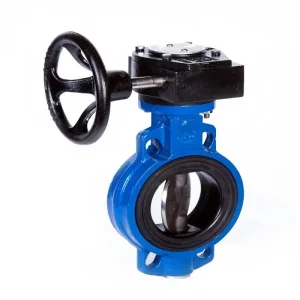
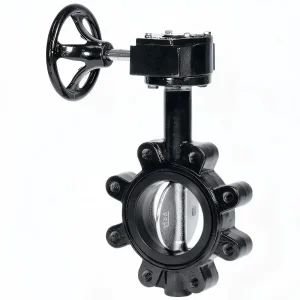
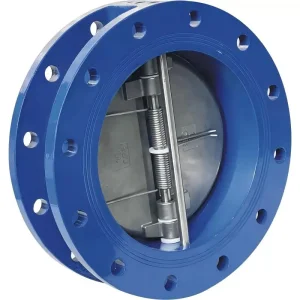
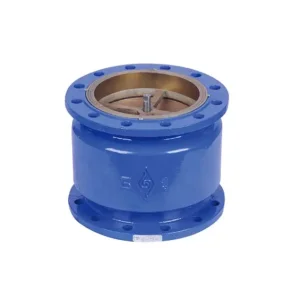
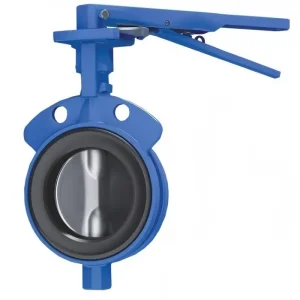
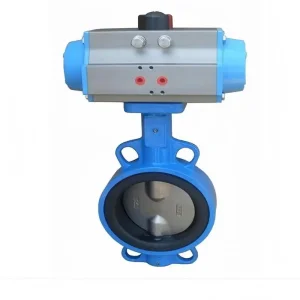
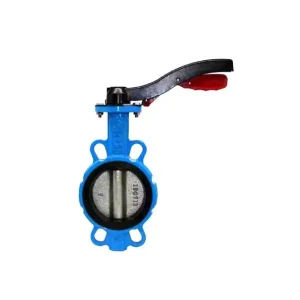
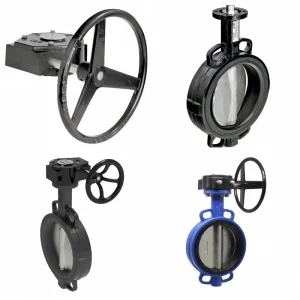
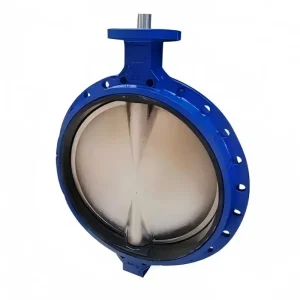
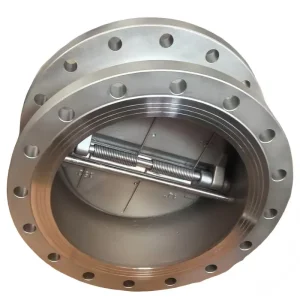
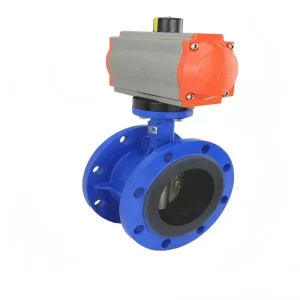
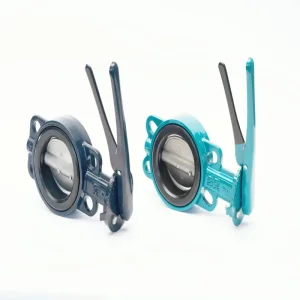
Explore pneumatic butterfly valves, WRAS-approved water valves, duplex wafer check valves, and high-performance pipeline controls.
Tianjin Top Valve: Three Decades of Fluid Engineering
Combining legacy foundries, rubber science, CNC precision lines, and physical testing laboratories in Dongli District, Tianjin.
Tianjin Top Automation Equipment Co., Ltd. serves as the premier engineering, export, and technical support division of our established industrial group in Tianjin, China. Operating across a combined 23,000 m² campus (12,000 m² built manufacturing footprint), our group represents the unification of Tianjin Donglian Valve Factory (established in 1996) and Tianjin Dongfang Rubber Factory (established in 1987).
This generational manufacturing integration ensures an uncompromising standard of E-E-A-T (Experience, Expertise, Authoritativeness, and Trustworthiness). Our physical and chemical testing laboratories perform Charpy V-notch impact tests, metallographic phase ratio analyses, elastomer ozone aging tests, and hydrostatic burst pressure trials. Exporting to over 50 countries across Western Europe, the GCC, North America, Southeast Asia, and South America, we empower global infrastructure with traceable, certified, factory-direct pipeline solutions.
