
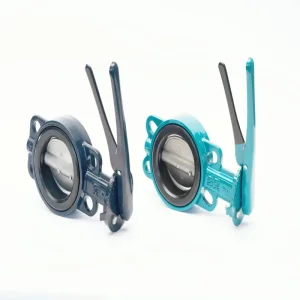
Precision Process Catalog
Featured Industrial & Ceramic Flow Control Assemblies
Manufactured under rigid ISO 9001, WRAS, and CE governance with integrated in-house foundry casting and elastomer compounding since 1987.
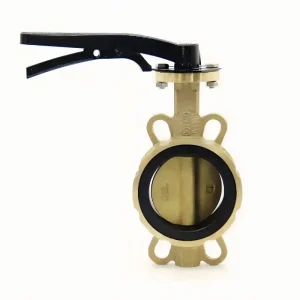
High-Quality Aluminum Bronze Butterfly Valve - Durable & Corrosion Resistant Suppliers, Manufacturer
View Technical Specs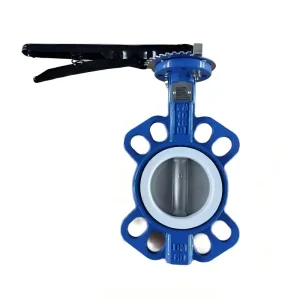
Wholesale PTFE Lined Cast Body Butterfly Valve Suppliers, Factory
View Technical Specs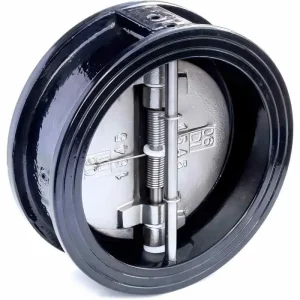
High-Quality High-Quality Wafer Check Valve for Secure Fluid Control Suppliers, Factories
View Technical Specs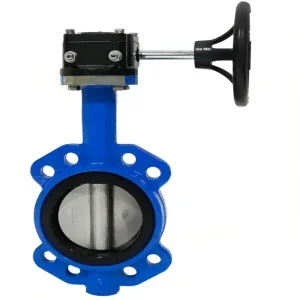
CE Certification Wafer Butterfly Valve,water usage butterfly valve Suppliers, Factories
View Technical Specs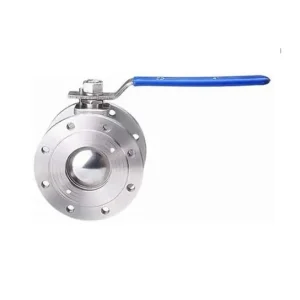
Wholesale Stainless Steel Ultra - Thin Ball Valve with Fire - Safe Design Supplier, Factories
View Technical Specs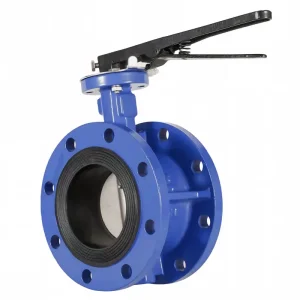
CE Certification Flanged Butterfly Valve with Lever Actuator - Durable & Reliable Manufacturers, Factory
View Technical Specs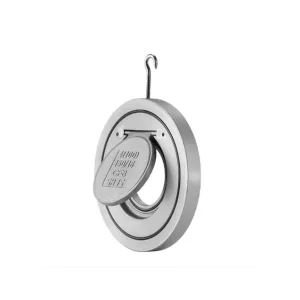
CE Certification Stainless Steel Single Disc Wafer Check Valve with Enhanced Corrosion Supplier, Manufacturers
View Technical Specs
Technical Whitepaper: Structural Ceramic Engineering
Solving Severe-Service Abrasion and Cavitation in Butterfly Valves
Conventional resilient-seated and high-performance metal-seated butterfly valves experience catastrophic failure when exposed to abrasive particulates, flash steam cavitation, and aggressive mineral slurries. Structural ceramics resolve these operational limits.
Zirconia Toughened Alumina (ZTA & PSZ)
Partially Stabilized Zirconia (PSZ) exhibits transformation toughening: under localized mechanical stress, the tetragonal crystalline phase transforms into monoclinic, inducing 3-5% volumetric expansion that halts micro-crack propagation in high-velocity particulate lines.
Sintered Silicon Carbide (SSiC) Discs
With a Mohs hardness of 9.2+ and chemical inertness spanning pH 0 to 14, solid SSiC discs and seat linings prevent electrochemical erosion and galvanic battery formation, outlasting Stellite-6 and Hastelloy C-276 by an empirical factor of 8x to 12x.
Dynamic Ceramic-to-Ceramic Lapping
Precision diamond-compound lapping achieves spherical seat contour tolerances under 0.002 mm with surface roughness Ra ≤ 0.1 μm. This configuration guarantees ANSI FCI 70-2 Class VI and ISO 5208 Rate A bubble-tight shut-off under full differential pressure.
9.2+
Mohs Hardness (SiC Ceramic)
Class VI
ANSI FCI 70-2 Bubble-Tight Sealing
850°C
Thermal Limit for Structural Ceramic
100%
Hydrostatic Shell & Seat Verified
Empirical Tribology Analysis
Material Comparison: Ceramic vs. Metallic & Lined Trim
Benchmarking structural ceramic valve trims against classical austenitic steel, high-nickel alloys, and fluoropolymer linings in heavy abrasive duties.
| Evaluation Parameter | Structural Ceramic (SiC / Al₂O₃) | 316L Stainless Steel | Hastelloy C-276 | PTFE / PFA Lined |
|---|---|---|---|---|
| Vickers Hardness (HV) | 1,800 - 2,500 HV | 180 - 220 HV | 230 - 280 HV | N/A (Shore D ~55) |
| Abrasion Rate (ASTM G65 Slurry) | 0.01 mm³/hr (Near Zero) | 1.45 mm³/hr | 0.92 mm³/hr | Rapid Permeation / Tears |
| Acid Resistance (Conc. HCl / H₂SO₄) | Total Inertness (pH 0-14) | Severe Pitting Attack | Good (Subject to Crevice) | Excellent (<160°C) |
| Maximum Working Temperature | Up to 850°C (1,562°F) | 400°C (752°F) | 450°C (842°F) | 180°C (356°F Limit) |
| Thermal Shock Resilience (ΔT) | 280°C - 350°C Instantaneous | High Resilience | High Resilience | De-bonding / Delamination |
| Mean Time Between Failure (MTBF) | 24 to 48 Months Continuous | 2 to 4 Months | 5 to 8 Months | 1 to 3 Months (Slurry) |
Global Infrastructure Deployments
Macro-Industry Engineering Solutions
Engineered configurations addressing the severe tribological, thermodynamic, and corrosive demands across critical continuous-processing installations.
Coal-Fired & Biomass Power Generation
Flue Gas Desulfurization (FGD) absorber loop limestone slurries and fly ash pneumatic conveying destroy traditional valves within weeks. Top Valve's full-ceramic lined butterfly valves resist severe calcium sulfate scaling and turbulent impingement, preventing forced outages.
Mining Autoclaves & Tailings Dewatering
High-pressure acid leaching (HPAL) systems processing copper, gold, and nickel ores subject trim components to corrosive sulfuric acid mixtures charged with abrasive quartz sand. Diamond-ground ceramic disc sealing maintains seal tightness without galling or cold-welding.
Chemical Synthesis & Titanium Dioxide (TiO₂)
In TiO₂ pigment manufacturing, the chloride route generates gaseous titanium tetrachloride (TiCl₄) with coke particles at extreme velocities. Solid zirconia butterfly components offer absolute chemical resistance where high-nickel duplex alloys undergo localized pitting.
Polysilicon & Semiconductor Feedstocks
Fluidized Bed Reactors (FBR) producing solar-grade polysilicon handle trichlorsilane (TCS) and abrasive silicon granules. Metal-free ceramic fluid paths eliminate all metallic contamination risks while surviving continuous cyclic operations.
Pulp, Paper & Recycled Fiber Mills
Black liquor recovery and continuous digesters contain severe caustic concentrations coupled with residual sand and grit. Ceramic seated butterfly assemblies eradicate seat scouring, reducing plant air requirements for actuation due to steady breakaway torque.
Industrial Water Treatment & Desalination
High-pressure reverse osmosis (SWRO) brine streams rapidly destroy ordinary iron valves via micro-crevice oxidation. Utilizing aluminum bronze discs and advanced ceramic check elements ensures 25-year structural design life in high-salinity marine environments.
Industry 4.0 Manufacturing Scale
Tianjin Hub: Integrated Foundry & Cold-Isostatic Sintering
Operating from our 23,000 m² campus in Wuxia Industrial Park, Dongli District, Tianjin, Tianjin Top Automation Equipment eliminates intermediary markup by consolidating metallurgical pouring, polymer formulation, and ceramic finishing under single-roof traceability.
Foundry Heritage (1996)
Tianjin Donglian Valve Factory pours ductile iron (GGG40/50), WCB, CF8M, and nickel-aluminum bronze in-house. Optical emission spectrometers verify molten chemistry before pouring, preventing porosity and metallurgical shrinkage.
Elastomer Plant (1987)
Tianjin Dongfang Rubber Factory mixes and vulcanizes virgin EPDM, NBR, and Viton liners. Seat compression set, tensile strength, and WRAS potable water conformity are calibrated to match exact valve shaft interference profiles.
CIP Ceramic Sintering
Cold Isostatic Pressing (CIP) at 250 MPa ensures uniform green-body material density. Sintering in computerized 1,750°C vacuum atmosphere furnaces yields near theoretical crystalline density without grain voids.
Tianjin Port Proximity
Located 45 kilometers from Xingang Terminal (Tianjin Port), container drayage occurs in under two hours. Dedicated export crating with double vapor-barrier wrap protects precision ground ceramics during maritime shipping.
Total Cost of Ownership (TCO)
Meeting Global Engineering Procurement Requirements
How Tier-1 EPC contractors and global plant managers justify capital equipment transition to advanced structural ceramic valve trim.
Lifecycle OpEx Reduction
While ceramic valve upfront CAPEX is higher than standard rubber-lined butterfly valves, eliminating unscheduled shutdowns and monthly valve re-packs yields verified investment amortizations within 4 to 9 months in continuous mining and FGD loops.
Torque Stability & Smaller Actuators
The super-polished micro-finish (Ra 0.1 μm) of structural ceramics has an exceptionally low friction coefficient (μ ≈ 0.12). Dynamic operating torque remains flat over thousands of cycles, allowing engineers to downsize pneumatic and electric actuators by 30-40%.
EN 10204 3.1 Traceability
Every shipment includes complete heat-lot chemical breakdown certificates, hydrostatic test charts, non-destructive test (NDT) dye-penetrant checks on ceramic discs, and WRAS elastomer compound compliance sheets for drinking water safety.
Next-Generation Fluid Architecture
Technical Roadmap & Future Outlook
Expanding industrial capabilities into hydrogen storage, intelligent condition monitoring, and nanocomposite structural engineering.
Silicon Nitride (Si₃N₄) Disc Architecture
Top Valve's metallurgical R&D team is qualification-testing reaction-bonded silicon nitride components. With fracture toughness values reaching 6-8 MPa·m½ and low density (3.2 g/cm³), Si₃N₄ enables larger butterfly disc diameters up to DN1200 (48") without structural weight penalties.
Predictive AI-Enabled Acoustic Sensing
Integrating piezoelectric transducers directly into ceramic valve trim casings facilitates real-time high-frequency acoustic emission tracking. Valve health algorithms predict cavitation inception and abrasive wear before process leakage occurs, feeding data straight into plant SCADA systems.
Cryogenic Liquid Hydrogen (LH₂) Service
Developing specialized ceramic-matrix composite (CMC) sealing barriers that avoid classical elastomer embrittlement and metal galling at cryogenic operating bands (-253°C), supporting the global transition toward commercial green hydrogen bunkering and pipeline logistics.
Global Assurance & Field Engineering
Localized Engineering Support & Compliance Assurance
International field support teams guarantee seamless commissioning, regulatory alignment, and standardized valve performance across worldwide territories.
Global Flange Drilling Standardization
Our CNC machining lines deliver wafer, lug, and double-flanged bodies drilled precisely to ASME B16.5 Class 150/300, EN 1092-1 PN10/PN16/PN25, JIS B2220 10K/16K, and AS 2129 Table D/E, ensuring direct drop-in interoperability without on-site pipeline modifications.
Pressure Equipment Directive (PED 2014/68/EU)
All pressure-containing bodies carry CE marking verified under PED Module H full quality assurance. Every valve undergoes hydrostatic body testing at 1.5x design pressure and bi-directional air seat leakage testing according to EN 12266-1 Rate A standards.
Technical Support & Remote Audits
Project procurement teams can schedule interactive high-definition factory audits with Senior Sales Engineer Victor Guo ([email protected] / +86-22-84913799). Our engineers verify dimensional drawings, pressure benches, and casting billets in real-time within 24 hours.
Heavy-Duty Pipeline Assemblies
Corrosion-Proof Butterfly, Gate & Check Valves
Engineered for extreme duty cycles in chemical refining, seawater intake, and high-abrasion infrastructure networks.
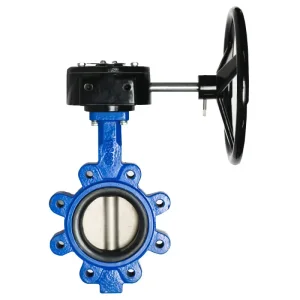
High-Quality Lug type Butterfly valve Suppliers, Manufacturers
View Technical Specs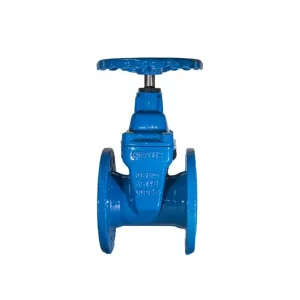
Wholesale Anti - Abrasion Elastic Seat Gate Valve with Reinforced Seat Suppliers, Supplier
View Technical Specs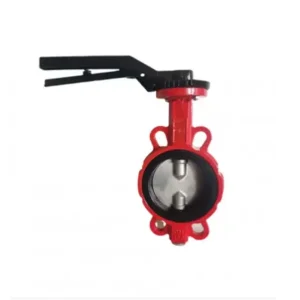
High-Quality Double Half Shaft Wafer Butterfly Valve Supplier, Manufacturer
View Technical Specs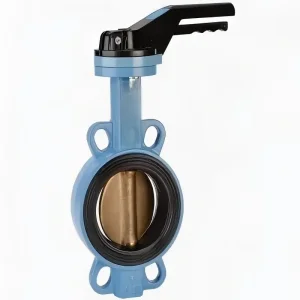
CE Certification Bronze Disc Wafer Butterfly Valve - Durable & Efficient Manufacturers, Factory
View Technical Specs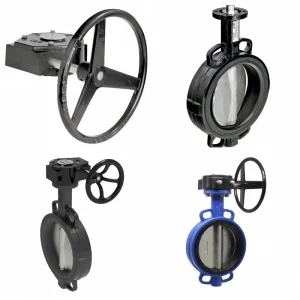
CE Certification WRAS Approved High-Performance Butterfly Valve 4020G Manufacturer, Factories
View Technical Specs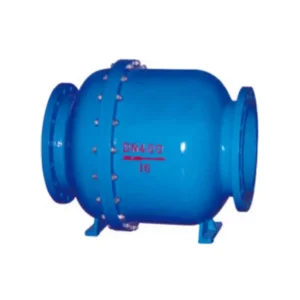
CE Certification Micro-Resistance Ball Check Valve Manufacturers, Factories
View Technical Specs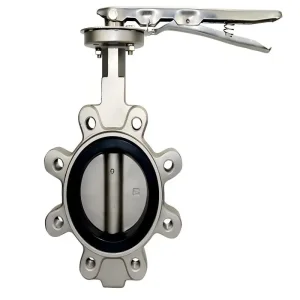
High-Quality LUG Stainless Steel Butterfly Valve - Durable & Reliable Supplier, Manufacturer
View Technical Specs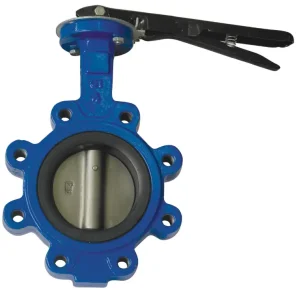
High-Quality Lug type manual operated butterfly valve Manufacturers, Factory
View Technical Specs
Technical Clarifications
Frequently Asked Technical & Procurement Questions
Key insights addressing ceramic valve brittleness, thermal gradients, actuation torque, and procurement timelines.
How do ceramic butterfly valves handle mechanical shock and pipeline vibration without fracturing?
Our ceramic valves utilize a cushioned composite mounting structure. The ceramic liner and disc components are housed within ductile iron (GGG40) or WCB carbon steel outer containment shells lined with precision-vulcanized fluoropolymer or synthetic elastomer cushions. This hybrid architecture isolates the brittle ceramic elements from pipe water-hammer surges, bolt torque misalignment, and bending stresses, ensuring exceptional mechanical reliability.
What specific ceramic grade should be specified for high-concentration sulfuric acid versus fly ash slurry?
For concentrated sulfuric acid (H₂SO₄) and chlorine media, high-purity Sintered Silicon Carbide (SSiC, 99.5%) is ideal due to its universal chemical resistance across pH 0–14. In abrasive pneumatic fly ash, coal slag, and mineral tailings dewatering loops, Zirconia Toughened Alumina (ZTA) or Partially Stabilized Zirconia (PSZ) is recommended due to its transformation-toughened crystalline microstructure which prevents brittle fractures caused by large traveling solids.
Can Tianjin Top Automation Equipment supply custom face-to-face dimensions and actuator flanges?
Yes. Our CNC machining facilities produce face-to-face dimensions matching API 609 Table 1, ISO 5752 Series 20 (Short), Series 16 (Wafer), and DIN 3202 F4. All top mounting flanges are engineered to ISO 5211 (F05 through F25) with square or double-D shafts to allow direct mounting of pneumatic rotary actuators, multi-turn electric drives, or manual worm gear units without custom brackets.
What documentation and non-destructive testing (NDT) reports are provided prior to dispatch?
Every wholesale valve consignment is accompanied by an EN 10204 3.1 Inspection Certificate comprising raw chemical melt breakdown, tensile and elongation tests of metal bodies, dye-penetrant (PT) flaw evaluations of ceramic discs, elastomer physical property reports, and computerized hydrostatic test charts showing 1.5x shell and 1.1x high-pressure seat tests with zero recorded pressure drop.
What are the typical manufacturing lead times for large-bore or custom ceramic valves?
Standard sizes (DN50 to DN300 / 2" to 12") with standard ductile iron bodies and ceramic trim are maintained in semi-finished billet inventories, enabling dispatch within 15–20 days. Large-bore assemblies (up to DN800 / 32") or specialized nickel-aluminum bronze alloys requiring custom cold-isostatic pressing and high-temperature vacuum sintering typically deliver in 35–45 days CIF worldwide.
