Wholesale Ammonia Globe Valve Suppliers & Supplier
Precision Flow Isolation, Zero-Emission Bellows & Resilient Sealing for Industrial Ammonia Systems, HVAC Process Networks, and Low-Temperature Applications
Direct Sourcing Catalog
Precision Flow Systems & Engineered Valves
Explore high-integrity flow solutions engineered directly by Tianjin Top Valve, including WRAS potable valves, resilient gates, and specialized industrial isolation systems.
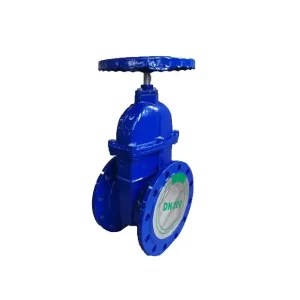
CE Certification German Standard Elastic Seat Gate Valve Manufacturers, Manufacturer
View Product Details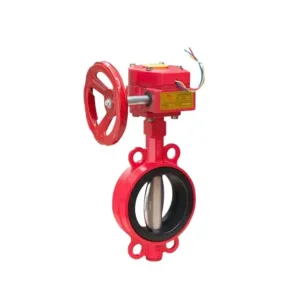
Wholesale Fire-Fighting Wafer Signal Butterfly Valve Supplier, Factory
View Product Details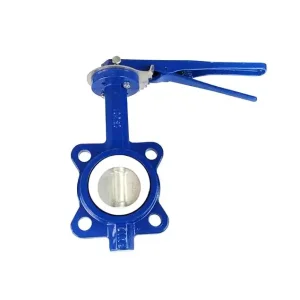
High-Quality PTFE Lined Pinless Butterfly Valve Supplier, Factories
View Product Details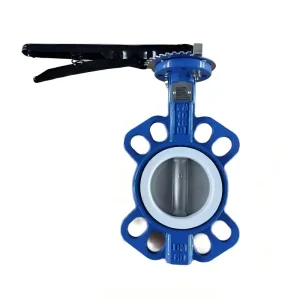
Wholesale PTFE Lined Cast Body Butterfly Valve Suppliers, Factory
View Product Details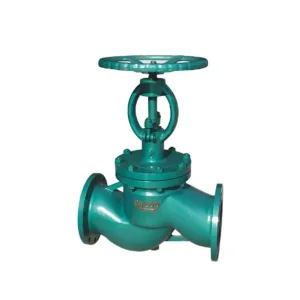
High-Quality High - Temperature - Vacuum Isolation Globe Valve for Vacuum Heat Suppliers, Factory
View Product Details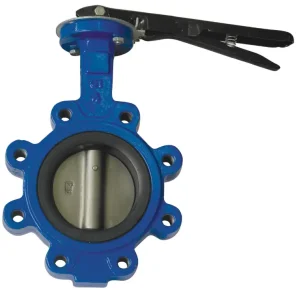
High-Quality Lug type manual operated butterfly valve Manufacturers, Factory
View Product Details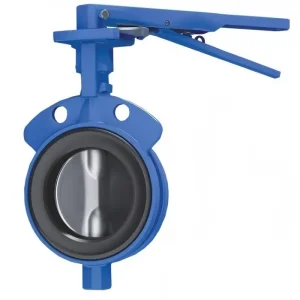
High-Quality EPDM Lining Butterfly Valve - Durable & Corrosion Resistant Suppliers, Manufacturers
View Product Details
Industry White Paper & Market Dynamics
Ammonia Globe Valve Engineering & Global Procurement Trends
A rigorous examination of fluid dynamics, zero-emission bellows seal engineering, and cryogenic metallurgical selection in modern industrial refrigeration and green hydrogen-carrier supply chains.
< 10 ppm
Fugitive Emission Leakage Rate
-50°C to +150°C
Certified Operating Range
100%
Helium Mass Spectrometry Tested
PN25 / PN40
Standard Refrigeration Rating
Zero-Fugitive-Emission Hermetic Sealing
Anhydrous ammonia (R717) carries severe toxicological and volatile risks. Modern ammonia globe valve specifications increasingly reject standard gland packing in favor of hydroformed multi-ply stainless steel bellows seals (316Ti/Hastelloy) paired with auxiliary graphite emergency safety packings.
Cryogenic Low-Temperature Metallurgy
Ammonia systems operate under extreme sub-zero evaporation cycles down to -46°C. Sourcing requires low-temperature carbon steel (ASTM A352 LCB/LCC) or stabilized austenitic stainless steels (CF8M) ensuring Charpy V-notch impact toughness without risks of catastrophic brittle fracture.
Cavitation & Throttling Optimization
Globe valves are chosen for throttling efficiency. Parabolic disc geometries paired with stellited seats prevent vapor-liquid phase transition erosion, flashing wear, and stem chattering during thermal expansion bypass sequences in industrial chillers.
Engineering Matrix
Ammonia Globe Valve Specification Benchmark
Comparative technical benchmark for engineering procurement teams evaluating straight-through, angle-pattern, and balanced ammonia globe valves.
| Component | Standard Cold Storage (PN25) | High-Pressure Chemical Loop (PN40) | Ultra-Low Temp Synthesis (-50°C) |
|---|---|---|---|
| Body Material | LCB / LCC Low-Temp Carbon Steel | ASTM A105 Forged Steel / WCB | ASTM A351 CF8M Stainless Steel |
| Stem Sealing | PTFE V-Ring Chevron Packing | Multi-Ply SS316 Bellows + Graphite | Inconel/SS316Ti Hermetic Bellows |
| Disc Design | Flat Sealing Disc with PTFE Ring | Regulating Plug with Stellite Facing | Parabolic Profile with PTFE/Metal Seal |
| Seat Facing | Integral Body Seat (13Cr / 410) | Stellite Hardfaced (CoCr-A) | Precision Ground Cryogenic 316L |
| Standard Conformity | EN 12284, DIN 3356 | ASME B16.34, API 602, ISO 15848-1 | EN ISO 15848 Class AH, AD2000-W10 |
Turnkey Field Solutions
Macro Industry Solutions & Application Scenarios
Addressing critical system-level vulnerabilities in hazardous fluid transport, cryogenic distribution, and fertilizer infrastructure.
Cold Chain Warehousing & Logistics
Refrigerated distribution centers require high cycle frequency valves with zero stem icing. Ammonia globe valves equipped with extended bonnet designs position the stem gland packing outside the insulation jacket, stopping moisture migration, packing freeze-ups, and premature leak paths.
Chemical Synthesis & Fertilizer Plants
High concentrations of hot gaseous ammonia present severe risks of nitriding and stress corrosion cracking. Engineered globe valves featuring molybdenum-stabilized alloys and nickel barrier layers deliver superior resistance during high-pressure Haber-Bosch downstream synthesis loops.
Marine Refrigeration & Bunkering
With ammonia rising as a carbon-free maritime fuel, shipboard fuel handling requires extreme compliance with IGC and IGF maritime codes. Valves offer fire-safe secondary seating, vibration-proof handwheel locking devices, and third-party Lloyd's or DNV casting traceability.
Compliance Architecture
Localized Engineering Support & Compliance Assurance
Navigating global regulatory landscapes with end-to-end material traceability, pressure certification, and bespoke logistical packaging.
Full EN 10204 3.1 Traceability
Every casting heat is paired with positive material identification (PMI), spectral chemical breakdown, and Charpy mechanical test logs directly from our laboratory.
Fugitive Emission ISO 15848-1
Our bellows-sealed globe valves undergo rigorous helium leak sniffing protocols, complying with Class AH/BH standards to satisfy strict European and North American EPA mandates.
PED 2014/68/EU & CE Approval
Designed and pressure tested according to European Pressure Equipment Directives Category III/IV, ensuring frictionless commissioning for EU EPC contractors.
Sealed Inert Gas Packaging
All ammonia-specific globe units are degreased, desiccated, and pressurized under nitrogen blanket seals within sealed barrier wraps to guarantee absolute zero-moisture arrival.
Technology Roadmap
The Future of Ammonia Control: 2026-2030 Roadmap
Engineering innovations tackling higher system operating pressures, green ammonia fuel cells, and IoT-enabled predictive diagnostic stems.
Phase 1: Smart Bellows Failure Telemetry
Integrating micro-pressure MEMS sensors directly between primary metal bellows and secondary safety packings to alert SCADA platforms days prior to fugitive leakage occurrences.
Phase 2: Ultra-Cryogenic Cracking Valves
Developing specialized austenitic compact globe designs rated down to -70°C for large-scale cracking infrastructure supplying green hydrogen fuel cell grids.
Phase 3: Computational Aerodynamic Trim
Utilizing high-order computational fluid dynamics (CFD) to deliver contoured globe plugs that decrease fluid turbulence by 28% and eliminate low-frequency acoustic vibrations.
Procurement Knowledge Base
Frequently Asked Questions on Ammonia Globe Valves
Crucial considerations for engineering teams specifying globe isolation valves for ammonia, refrigeration loops, and harsh fluids.
Why is a globe valve preferred over a ball valve for ammonia throttling?
Globe valves utilize a linear motion plug moving perpendicular to the valve seat. This geometry enables fine throttling and proportional flow control without subjecting the sealing surface to localized erosion or high-velocity acoustic vibration, whereas quarter-turn ball valves risk severe seat tear and cavitation when operated partially open.
What makes bellows-sealed globe valves superior for toxic media like R717?
Conventional gland packings rely on dynamic friction against a sliding stem, which inevitably degrades through cycling and temperature fluctuations. A hermetically welded stainless steel bellows forms an impermeable physical barrier between the process media and the external atmosphere, eliminating stem fugitive emissions entirely.
Can ductile iron or copper-alloy components be used in ammonia valves?
No. Copper, bronze, and copper-bearing alloys undergo severe stress corrosion cracking in the presence of ammonia. Ammonia valves strictly mandate low-temperature carbon steel (LCB/LCC), forged steel (A105), or austenitic stainless steel (304/316L) to ensure absolute metallurgical stability.
How does an extended bonnet prevent operational issues in low temperatures?
In low-temperature ammonia lines (-40°C), atmospheric humidity condenses and freezes around the valve stem. An extended bonnet elevates the packing gland beyond the cold thermal insulation boundary, ensuring the stem packing remains warm and elastic while eliminating ice crystal formation that ruins elastomeric seals.
What pressure and leak tests are executed on factory-direct valves?
Every ammonia globe valve undergoes 100% hydrostatic shell testing at 1.5× the nominal pressure rating, pneumatic seat testing under water or helium sniffing at 1.1× nominal rating, and bellows burst resilience verification in our physical and chemical testing laboratory.
What standard flange drillings are supported for global project delivery?
We supply globe valves with connection drillings conforming strictly to EN 1092-1 (PN16/PN25/PN40), ASME B16.5 (Class 150/300), and JIS standards, along with butt-weld (BW) and socket-weld (SW) ends for leak-free welded refrigeration piping networks.
Extended Engineering Range
Precision Gate, Check, Butterfly & Ammonia Valves
Complete your plant piping requirements with our full range of manufactured valves, backed by group foundry control and in-house compounding facilities.
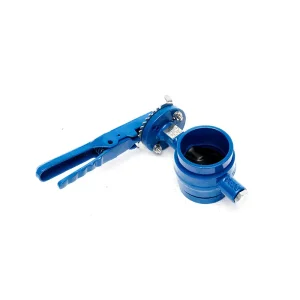
High-Quality Grooved Type Manual Butterfly Valve Suppliers, Manufacturers
View Product Details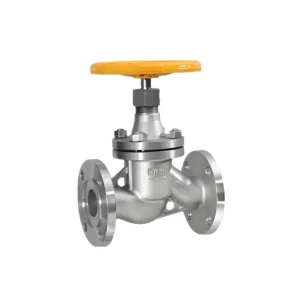
Wholesale Straight-Through Ammonia Globe Valve Manufacturers, Factory
View Product Details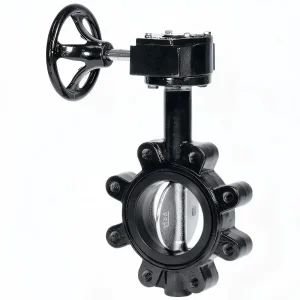
CE Certification Gear Operated Butterfly Valve - Durable & Reliable Supplier Supplier, Factory
View Product Details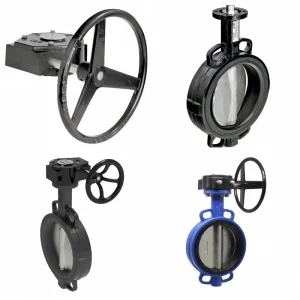
CE Certification WRAS Approved High-Performance Butterfly Valve 4020G Manufacturer, Factories
View Product Details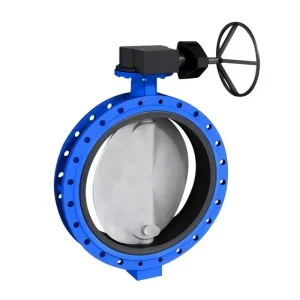
Wholesale High-Quality U Section Butterfly Valve for Reliable Flow Control Suppliers, Manufacturer
View Product Details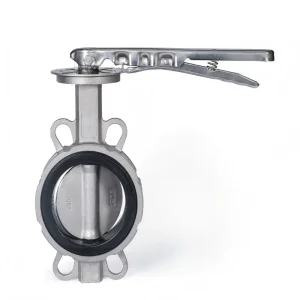
Wholesale Stainless Steel Butterfly Valve - Durable & Corrosion-Resistant Suppliers, Manufacturer
View Product Details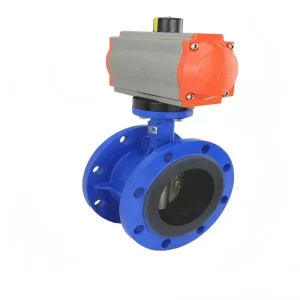
High-Quality Pneumatic Butterfly Valve - Reliable Flow Control Solution- Lug butterfly valve, flanged butterfly valve Suppliers, Manufacturers
View Product Details