High-Performance Pipeline Valve Solutions
Direct supply from manufacturing centers ensuring high flow efficiency, zero bubble leakage, and robust corrosion defense.
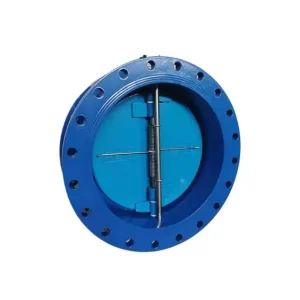
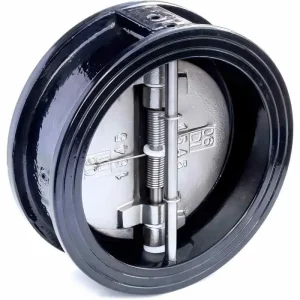
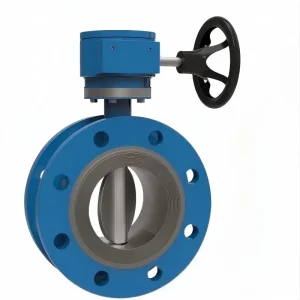
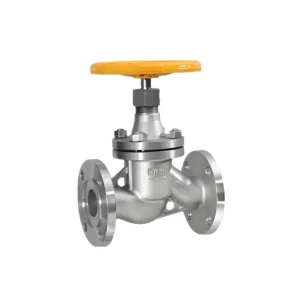
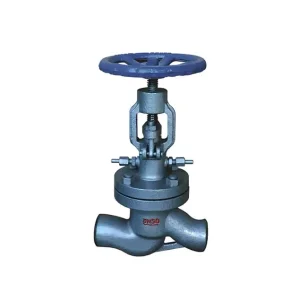
Design Architecture of Stainless Steel Manual Ammonia Globe Valves
In-depth structural breakdown of sealing reliability, cryogenic toughness, and fugitive emission mitigation for anhydrous and aqueous ammonia systems.
Corrosion-Resistant Metallurgy
Fabricated using ASTM A351 CF8, CF8M, or low-carbon CF3M austenitic stainless steels. Eliminates stress corrosion cracking (SCC) and embrittlement, ensuring ductile behavior down to -50°C and ultra-low temperature cryogenic refrigeration cycles.
Hermetic Stem Sealing Dynamics
Utilizes multi-ring chevron pure PTFE or flexible graphite packing sets combined with an extended bonnet chamber. Keeps stem packing thermal zones above sub-zero operating temperatures to prevent elastomer crystallization and micro-channel leakage.
Dual Soft & Metal Tight Shut-Off
Engineered with conical flat or needle disc configurations featuring insertable PTFE / PCTFE (Kel-F) soft seats backed by stellite hard metal overlays. Guarantees ISO 5208 Rate A and ANSI Class VI zero-bubble isolation across pressure transitions.
Anhydrous ammonia (R717) presents dual engineering challenges: high thermodynamic volatility and severe toxicity. Industrial valves handling liquid or gaseous ammonia must be constructed with absolute chemical passivity against ammoniated compounds while providing dependable manual throttling and shut-off authority. Unlike conventional cast-iron utility valves, our premium stainless steel manual ammonia globe valves incorporate back-seating safety stems. This architectural feature allows operators to depressurize and maintain gland packing directly under operational system pressure without evacuating toxic lines.
Engineering Rule of Thumb: When selecting materials for R717 systems, non-ferrous copper and zinc alloys must be strictly forbidden due to rapid complexation cracking. High-grade AISI 304/316 stainless steel offers unmatched passivation, reducing cycle erosion by over 74% compared to standard carbon steels.
China Supply Chain Competitiveness & Manufacturing Depth
Vertical manufacturing operations: Combining proprietary casting, specialized rubber formulation, and modern CNC processing under one roof.
In-House Foundry Operations
Operating dedicated foundry assets in Tianjin since 1996. Complete metallurgical control eliminates microscopic sand porosity and gas voids in valve bodies, verified by spectroscopic alloy analysis and mechanical impact evaluations.
Proprietary Elastomer & Seat Compounding
Originating from Tianjin Dongfang Rubber Factory (since 1987), we formulate, cure, and vulcanize specialized sealing compounds in-house. Precise control of hardness, elasticity, and chemical resilience guarantees extended seating life.
100% Shell & Seat Leak Testing
Each ammonia globe valve passes strict hydrostatic shell testing at 1.5× design pressure and ultra-sensitive nitrogen gas under-water seat testing at 1.1× pressure, fully satisfying EN 12266-1 standards before crating.
Localized Support, Regulatory Compliance & EPC Alignment
Addressing the complex demands of global engineering contractors, cold-chain operators, and industrial chemical processors.
Strict Regional Norm Conformity
Our ammonia globe valves and pipeline units comply with EN 1092-1, ASME B16.5 flange drillings, DIN 3202 face-to-face dimensions, CE-PED Module H certification, and comprehensive EN 10204 3.1 material traceability dossiers.
Near-Port Export Infrastructure
Situated within the Dongli District, Tianjin, our direct proximity to Tianjin Port enables streamlined intermodal dispatch, reduced demurrage vulnerabilities, and fast break-bulk deliveries for large-scale engineering schedules.
Full Lifecycle Engineering Support
Offering continuous technical oversight from pre-bid sizing consultation, CAD/3D BIM drafting, to on-site commissioning guides and localized spare part packages for mission-critical ammonia cooling hubs.
International procurement managers face heightened operational compliance burdens under modern environmental protocols. With global mandates limiting fluorinated greenhouse gases (F-Gas Regulations in the EU and EPA AIM Act in the US), natural refrigerants such as ammonia (NH3, R717) and carbon dioxide (CO2, R744) have surged to the forefront of sustainable refrigeration. Sourcing certified stainless steel manual ammonia globe valves from an ISO 9001 and CE certified manufacturer ensures long-term operational legality, safeguarding infrastructure investments against regulatory phase-outs.
Operational Scenarios & Sector Trajectories
Where precision stainless steel ammonia valves maintain safety boundaries across cold chains and heavy processing.
Large-Scale Cold Storage & Food Logistics
Regulates liquid expansion and suction isolation within large automated distribution warehouses, blast freezers, and maritime cold vessels requiring leak-free containment over millions of duty cycles.
Fertilizer & Agrochemical Manufacturing
Handles corrosive ammonia feedstocks and synthesis loops. Solid stainless steel architecture resists ambient atmospheric salt corrosion and localized nitric contamination.
SCR Denitrification for Thermal Power Stations
Deploys precision manual globe valves in Selective Catalytic Reduction (SCR) systems, delivering exact metering of aqueous ammonia into flue gas streams to neutralize nitrogen oxides (NOx).
Green Ammonia & Hydrogen Energy Vectors
Integrates within the rapidly expanding green ammonia export infrastructure, enabling secure transport, cracking, and cracking-gas control for zero-emission marine fuel bunkering.
Future Trends: Fugitive Emission Control & Digitized Tracing
The global industrial valve landscape is rapidly adopting zero-emission standards (ISO 15848-1 and TA-Luft). Modern stainless steel manual ammonia globe valves are increasingly engineered with secondary dynamic containment rings, live-loaded Belleville spring packing glands, and laser-etched matrix tracking. These developments allow plant operators to monitor inspection timelines, torque verification, and material test certificates with rapid digital scanning, keeping high-hazard plants completely compliant with evolving environmental metrics.
Frequently Asked Questions on Ammonia Globe Valves
Essential guidance on design, material compatibility, maintenance, and specification standards.
Why is stainless steel preferred over ductile or cast iron for ammonia valves?
How does the extended bonnet prevent packing failure in sub-zero ammonia pipelines?
What internal sealing disc design is best for ammonia throttling and isolation?
What testing standards are executed before shipment from your factory?
Can your valves be adapted with limit switches or position transmitters?
Precision Flow Equipment for Industrial Fluid Systems
Explore our certified solutions engineered for power plants, water distribution networks, and chemical applications.