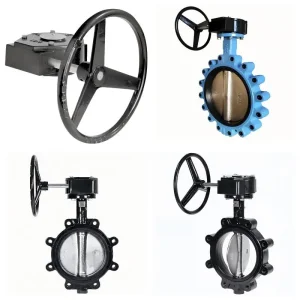
Engineered Valves For Heavy Duty Pipeline Infrastructure
Explore high-integrity quarter-turn and linear flow control valves manufactured under rigorous API, DIN, ISO, and WRAS certified quality management systems.
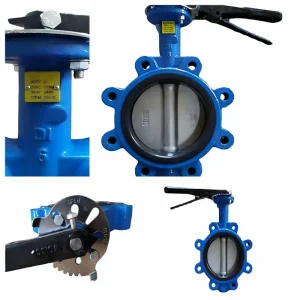
High-Quality WRAS Approved Butterfly Valve Lug Type 4325L Manufacturer, Factories
View Product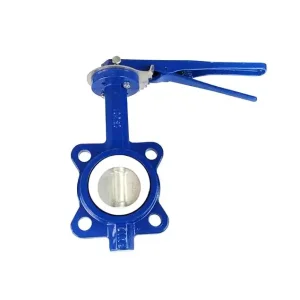
High-Quality PTFE Lined Pinless Butterfly Valve Supplier, Factories
View Product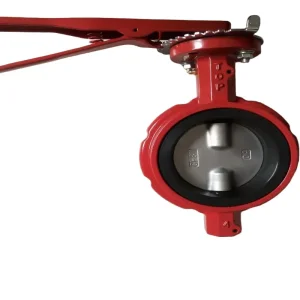
Wholesale Lugless Semi-Shaft Wafer Butterfly Valve - Durable & Reliable Manufacturer, Factory
View Product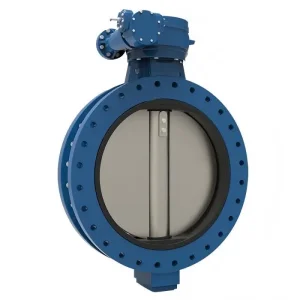
CE Certification Flanged Butterfly Valve - Durable & Efficient Flow Control Suppliers, Supplier
View Product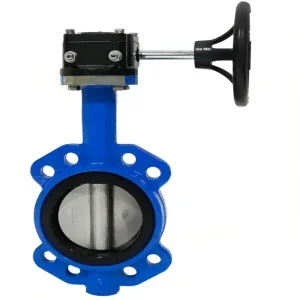
CE Certification Wafer Butterfly Valve,water usage butterfly valve Suppliers, Factories
View Product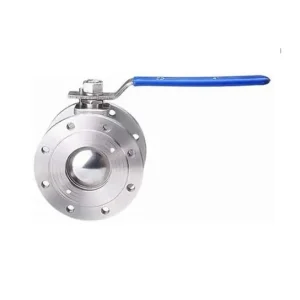
Wholesale Stainless Steel Ultra - Thin Ball Valve with Fire - Safe Design Supplier, Factories
View Product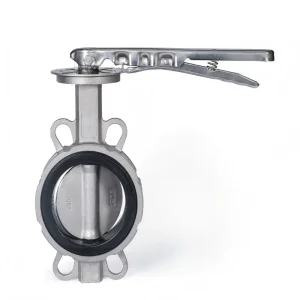
Wholesale Stainless Steel Butterfly Valve - Durable & Corrosion-Resistant Suppliers, Manufacturer
View Product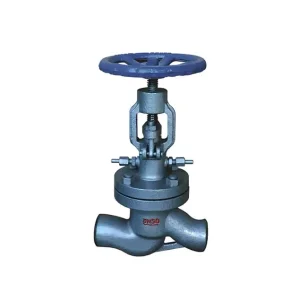
High-Quality Water Seal Globe Valve with Quick - Closing Feature Manufacturers, Manufacturer
View ProductSide Entry Ball Valve Architecture: Two-Piece & Three-Piece Split-Body Dynamics
A systematic analysis of bolted side entry valve construction, trunnion stabilization, secondary emergency sealants, and fire-safe boundary design for supercritical pipeline service.
Split-Body In-Line Maintainability
Side entry ball valves feature two-piece or three-piece bolted body configurations, allowing direct access to seat rings, trim seals, and spherical balls. Field maintenance engineers can inspect or renew soft elastomers and metal-seated inserts without specialized pulling tools or dismantling the full pipe spool, significantly reducing plant turn-around downtime.
Trunnion-Mounted Dynamic Stability
For pressure ratings ASME Class 150 through Class 2500, side entry trunnion architectures anchor the ball on upper stem journals and lower fixed trunnion bearings. This offloads immense hydraulic line thrust directly into the valve body casting rather than the soft seat rings, maintaining exceptionally smooth operating torque and preventing premature seat deformation.
Double Block & Bleed (DBB) Functionality
Equipped with dual independent spring-energized floating seats (Single Piston Effect - SPE or Double Piston Effect - DPE), side entry valves automatically seal against both upstream and downstream fluid pressures simultaneously. The integrated body cavity bleed port allows live cavity venting to safely verify absolute shut-off integrity during hazardous media handling.
Side Entry Industrial Ball Valve Engineering Matrix
Comprehensive metallurgical options, standardized pressure ratings, and leakage verification standards designed to meet the technical procurement thresholds of global EPCs.
| Design Factor | Technical Specification / Standard | Operational Merit |
|---|---|---|
| Nominal Diameters | NPS 2" to NPS 48" (DN50 to DN1200) | Accommodates localized water networks to massive cross-country trunklines. |
| Pressure Rating Class | ASME Class 150, 300, 600, 900, 1500, 2500 / PN16 to PN420 | Full structural validation via finite element analysis (FEA) under explosive pressure spikes. |
| Body Metallurgy | WCB, LCC, CF8M, CF3M, Duplex F51/F53, Aluminum Bronze, Inconel 625 | Immunity to chloride stress cracking, sour service sulfide corrosion, and high cavitation. |
| Seat Sealing Mechanism | Virgin PTFE, RPTFE, Devlon V, PEEK, Metal-to-Metal Tungsten Carbide (HVOF) | Zero-leakage bi-directional shut-off from cryogenic -196°C to high-temperature +450°C. |
| Fire-Safe Certification | API 607, API 6FA, ISO 10497 Certified Secondary Graphite Rings | Prevents atmospheric toxic leakage even if primary elastomer seats vaporize in active fires. |
| Fugitive Emission Control | ISO 15848-1 Class AH / API 641 Low Fugitive Emission Verified | Stem sealing utilizing live-loaded Belleville washers to eliminate fugitive VOC gas emissions. |
Chinese Foundry & Elastomer Supply Chain Superiority
How full vertical integration—from raw melt foundry casting to internal clean-room elastomeric vulcanization—delivers decisive cost, quality, and delivery speed advantages.
Captive Foundry & Direct Metallurgy
Unlike assemblers reliant on third-party rough castings, our group controls an independent foundry in Tianjin. We perform optical emission spectrometry (OES) melt analysis, ultrasonic non-destructive testing (NDT), and computerized thermal annealing before machining begins. This eliminates sub-surface porosities and sand inclusions, ensuring shell structural soundness.
Proprietary Elastomer Compounding
Through our Tianjin Dongfang Rubber facility (established in 1987), we compound, formulate, and vulcanize specialized EPDM, NBR, Viton, and PTFE seals in-house. We precisely adjust carbon black loading and vulcanizing agents to achieve minimal compression set, high tear resistance, and full WRAS potable water approval, assuring dependable long-term seat memory.
Cost-Competitive Port Logistics Hub
Situated in Tianjin's industrial corridor with immediate access to Tianjin Sea Port, we eliminate domestic transport transshipment risks. Vertical ownership allows expedited batch production schedules, lowering capital project delivery times by up to 35% compared to European valve makers while preserving strict European CE and ISO quality management compliance.
Addressing Global EPC Procurement Challenges & TCO
Modern international procurement directors require valve manufacturers to bridge technical compliance, total cost of ownership (TCO), and supply chain transparency.
De-risking MTR & Traceability Audits
International engineering contractors frequently reject bulk valve shipments due to missing EN 10204 3.1 material test reports or unverified melt sources. Our digital quality database records heat numbers across body castings, balls, trunnions, and stems, providing buyers with full chemical and mechanical mill certs, Charpy impact reports, and hydrostatic logs.
Total Life-Cycle Cost (LCC) Reduction
Procuring low-cost fabricated valves often leads to early stem seal blowouts, excessive operating torque requiring oversized actuators, and costly unscheduled field shut-ins. Top Valve's side entry ball valves feature super-finished mirror spherical surfaces (Ra ≤ 0.2 µm), extending seat packing lifespan by up to 2.5 times and lowering overall lifecycle actuator expenditure.
Tailored Flange & Actuation Interfaces
Global pipeline schemes encounter diverse regional piping geometries. We engineer side entry valves with custom end connections: ASME B16.5 RF/RTJ, EN 1092-1 flanged, weld-end ASME B16.25, and compact grooved patterns, paired with ISO 5211 direct-mount automation pads configured for electric, pneumatic, or scotch-yoke electro-hydraulic fail-safe actuators.
Localized Engineering Support & Global Compliance Guarantees
Rigorous conformance to regional statutory directives, potable water hygiene certifications, environmental safety protocols, and cross-border project engineering consulting.
WRAS UK Potable Water Compliance
Selected models comply strictly with UK WRAS (Water Regulations Advisory Scheme) standards. Elastomers and coatings undergo microbiological growth testing and toxic extraction limits, ensuring total drinking water system safety without organic solvent leeching.
CE / PED 2014/68/EU Module H
For European Union project installations, our industrial valve series comply fully with the Pressure Equipment Directive (PED). Products undergo Module H full quality assurance certification, certifying integrity under cyclic hydrostatic pressure stresses.
ISO 9001 / 14001 / 45001 Systems
Our Tianjin headquarters executes modern EHS and operational controls. Every operator follows strict standard operating procedures (SOP), audited annually by internationally accredited certification bodies to ensure consistent manufacturing repeatability.
24-Hour Rapid Engineering Support
Global valve installations require immediate responsive technical clarity. Our dedicated engineering and sales team provides 24-hour turnaround on technical data sheets, custom general arrangement drawings, CAD models, and torque sizing curves.
Mission-Critical Application Scenarios
Where high-pressure, abrasive slurries, corrosive maritime atmospheres, and zero-emission mandates necessitate split-body side entry ball valves.
Oil & Gas High-Pressure Transmission Lines
Natural gas city gate stations and crude distribution networks operate under extreme pressures (up to ASME Class 1500). Side entry ball valves provide bubble-tight isolation, DBB venting capabilities, and emergency sealant injection ports on stems and seats to handle minor seal scouring in the field.
Offshore Platforms & Seawater Desalination
Marine environments rapidly corrode standard carbon steels. Utilizing castings in Aluminum Bronze (C95800) and Super Duplex Stainless Steel (UNS S32750), our valves resist severe chloride pitting, bio-fouling, and stress cracking in seawater intake and reverse osmosis networks.
Refining, Petrochemicals & Corrosive Chemicals
Aggressive organic solvents, amine systems, and aromatic hydrocarbons demand strict fugitive emissions control. Our side entry valves incorporate PTFE/PEEK encapsulated trims, dual graphite packing, and live-loaded dynamic stems conforming to ISO 15848-1 leak limits.
Future Technology Trends in Industrial Valve Manufacturing
The industrial valve sector is evolving rapidly. Forward-looking suppliers integrate additive manufacturing, smart diagnostic telemetry, and carbon-zero manufacturing principles.
IoT-Enabled Smart Predictive Maintenance
Modern split-body valves now integrate non-invasive sensor ports to monitor seat wear, internal cavity pressure fluctuations, packing friction, and acoustic emission leak detection. This digital real-time data pairs with plant distributed control systems (DCS) to forecast maintenance windows before leakage occurs.
Severe Ultra-Low Fugitive Emission Limits
Global environmental mandates (such as EPA Subpart W and EU Methane Directives) are driving zero-tolerance rules for valve stem leakage. Valve manufacturers are shifting from traditional braided packing toward hybrid multi-barrier packing configurations combining live-loaded expanded graphite with virgin PTFE lip seals.
Cryogenic Clean Energy (LNG & Hydrogen) Duty
As clean fuels expand, side entry valves are being re-engineered with extended bonnet columns, Kel-F / PCTFE cryogenic inserts, and specialized austenitic trims to isolate boil-off gas down to -196°C, maintaining micro-bubble sealing under rapid thermal cycling.
Frequently Asked Questions on Side Entry Ball Valves
Authoritative technical guidance compiled by our valve design engineers, addressing construction differences, seat selection, and project delivery assurances.
What is the structural difference between Top Entry and Side Entry ball valves?
Side entry ball valves assemble from the sides via a two-piece or three-piece bolted split body. This allows lower initial manufacturing costs, shorter casting lead times, and superior metallurgical density. In contrast, top entry valves require a large one-piece casting body to permit top-bonnet disassembly, making them heavier and more capital-intensive.
When should a floating design be specified instead of a trunnion-mounted design?
Floating ball valves rely on upstream process pressure to push the ball directly into the downstream seat ring to achieve a seal. They are ideal and cost-effective for smaller diameters (typically DN50 / 2" and below) or lower pressure ranges (Class 150/300). For larger diameters or higher pressures (Class 600+), a trunnion-mounted side entry design is necessary to prevent excessive operating torque and seat crushing.
How does your factory ensure casting integrity and zero body porosities?
Because our corporate group includes Tianjin Donglian Valve Factory (founded 1996), casting melt pours are analyzed via computerized spark spectrometers. Every high-pressure valve shell undergoes 100% hydrostatic testing (1.5x working pressure), alongside radiographic testing (RT) or ultrasonic testing (UT) on high-stress junction fillets.
What soft seat material options are available for abrasive or high-heat service?
We supply Virgin and 15%/25% Glass-Filled PTFE for standard media up to 180°C; Devlon V-API for high-pressure natural gas; PEEK for severe service up to 260°C and 420 bar; and high-velocity oxygen-fuel (HVOF) sprayed Tungsten Carbide or Stellite Metal-to-Metal seats for abrasive mining slurry and steam service exceeding 400°C.
Can you manufacture customized valve face-to-face lengths to replace obsolete lines?
Yes. While our standard side entry production complies strictly with ASME B16.10, ISO 5752, and DIN 3202 dimensions, our CNC machining centers and independent foundry enable tailored short-pattern or extended face-to-face configurations for custom retrofits.
Specialty Check, Globe & Butterfly Pipeline Equipment
Comprehensive flow management solutions engineered in Tianjin, China. High structural endurance, strict ISO dimensional control, and factory-direct technical backing.
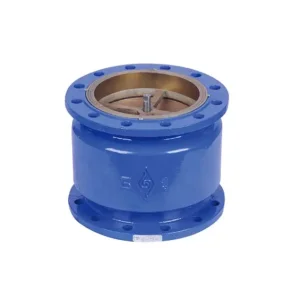
CE Certification Energy-Saving Silencer Check Valve Suppliers, Supplier
View Product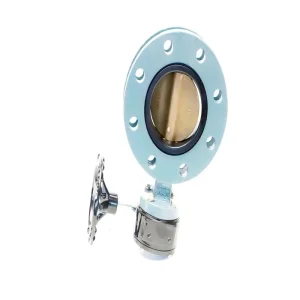
Wholesale CE/ISO/DIN/BS High Pressure Metal Seal Hard Seal Butterfly Valve Manufacturers, Manufacturer
View Product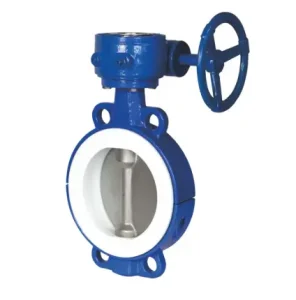
Wholesale PTFE Lined Butterfly Valve - Durable & Corrosion Resistant Manufacturers, Manufacturer
View Product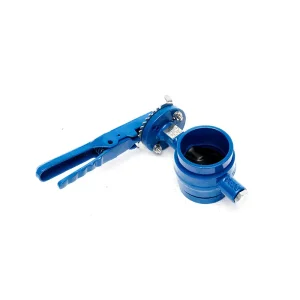
High-Quality Grooved Type Manual Butterfly Valve Suppliers, Manufacturers
View Product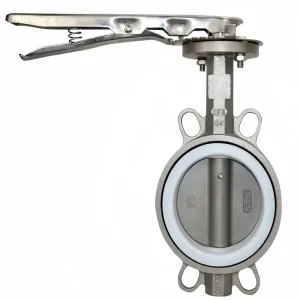
CE Certification PTFE Lined Stainless Steel Butterfly Valve Manufacturer, Factory
View Product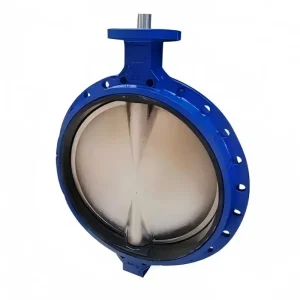
Wholesale Single Flange Butterfly Valve - Durable & Efficient Flow Control Supplier, Manufacturers
View Product
Wholesale Wafer Butterfly Valve - Durable & Efficient Flow Control Solution Suppliers, Factory
View Product