
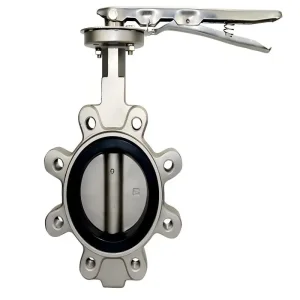
Featured Valve Engineering Showcase (Series I)
Explore our top-tier flow control assemblies precision-cast and vulcanized in-house for extreme durability across municipal water systems, industrial HVAC, and chemical delivery networks.
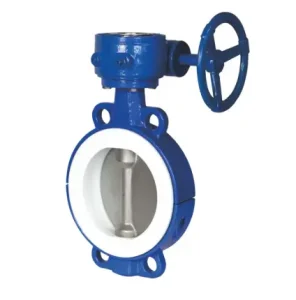
Wholesale PTFE Lined Butterfly Valve - Durable & Corrosion Resistant
View Specifications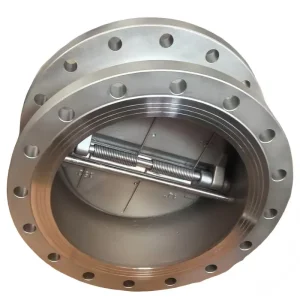
CE Certification Compact Low-Pressure Drop Wafer Lift Check Valve
View Specifications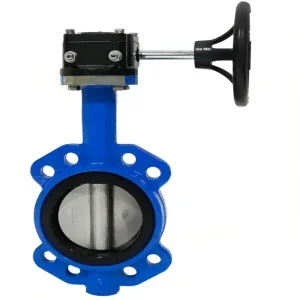
CE Certification Wafer Butterfly Valve, Water Usage Valve
View Specifications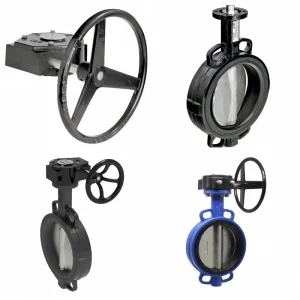
CE Certification WRAS Approved High-Performance Butterfly Valve 4020G
View Specifications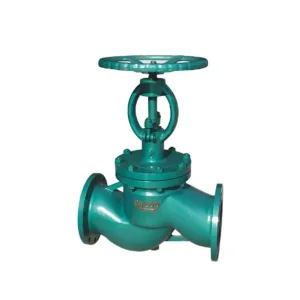
High-Quality High - Temperature - Vacuum Isolation Globe Valve
View Specifications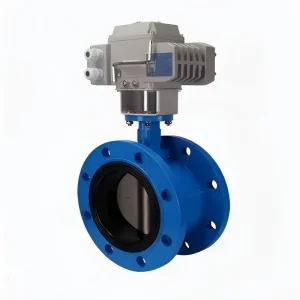
High-Quality High-Performance Electrical Butterfly Valve Control
View Specifications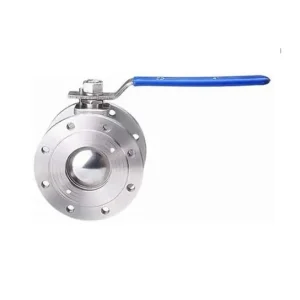
Wholesale Stainless Steel Ultra-Thin Ball Valve Fire-Safe Design
View SpecificationsNon-Rising Resilient Seat Gate Valves: Technical Anatomy & Engineering Edge
Modern subterranean and plant pipeline systems demand valves that resist tuberculation, seat scouring, and shaft fatigue. The Non-Rising Stem (NRS) Resilient Seat Gate Valve represents a transformative evolution away from traditional metal-seated wedge designs.
Fully Vulcanized EPDM Wedge
Unlike conventional gate valves with metal seats prone to debris deposition, our ductile iron wedges are fully bonded and encapsulation-moulded with high-grade EPDM elastomers in our dedicated rubber facility. The geometric design ensures resilient memory, low operating torque, and bi-directional bubble-tight shut-off meeting EN 12266-1 Rate A and AWWA C509 standards.
Unobstructed Full-Bore Waterway
Engineered without a seat pocket or recess in the valve body, sediment cannot collect beneath the wedge. This straight-through design ensures laminar flow characteristics, negligible head loss, unrestricted passage for inline pipeline pigging, and complete prevention of bio-film accumulation in potable water networks.
Compact NRS Internal Stem Mechanism
The non-rising stem thread remains housed within the body cavity, protected from external atmospheric contaminants, road silt, and physical tampering. Cold-rolled stainless steel (SS410/SS304/SS316) stems combined with brass or bronze stem nuts deliver exceptional shear resistance in confined utility vaults and direct-burial applications.
100%
Bi-Directional Bubble-Tight Testing
250+ μm
Fusion Bonded Epoxy (FBE) Coating
PN16/25
Working Pressure Rating Capacity
50+ Yrs
Underground Engineered Asset Lifespan
Macro Industry Applications: Infrastructure Resilience in Practice
Industrial gate valve selection is guided by environmental chemistry, mechanical cycling frequencies, and thermal operational limits. Our resilient seat gate valve systems are systematically deployed across key macro-industrial sectors.
Potable Municipal Water Distribution
Certified to international water hygiene standards including WRAS and CE directives, our resilient seat valves guarantee zero lead leaching and organoleptic inertness. Non-rising stems with underground extension spindles allow direct burial beneath asphalt roadways without building expensive concrete access chambers.
Wastewater & Stormwater Treatment
With an in-house rubber factory operating since 1987, we produce specialized NBR-encapsulated wedges for wastewater containing hydrocarbon traces and industrial effluent. The smooth, pocketless body interior eliminates ragging and solids accumulation that traditionally cause seating failures in sewage pumping stations.
District Energy & Large-Scale HVAC
In chilled water circulation loops and closed cooling systems, energy efficiency depends heavily on minimizing pumping head loss. Our gate valves offer a Cv rating identical to an equivalent straight pipe section, eliminating parasitic electrical losses associated with restrictive globe or multi-ported isolation valves.
China Factory 4.0: Supply Chain Resilience & Vertical In-House Control
Most commercial gate valve suppliers are merely assemblers dependent on fragmented third-party subcontractors. Our Tianjin industrial cluster integrates the foundry, rubber synthesis, and precision machining under one rigorous quality system.
In-House Metallurgical Foundry
Operating since 1996, our group foundry pours high-integrity Ductile Iron (EN-GJS-450-10 / EN-GJS-500-7). In-house induction melt testing and spectrometer chemical verification ensure minimum 10-12% elongation, avoiding the brittle fracture failure risks typical of low-grade iron castings.
Tianjin Dongfang Rubber Plant (Est. 1987)
Elastomer compounding determines long-term valve sealing durability. Because we formulate our own virgin EPDM compounds with tight molecular distribution, our vulcanized wedges demonstrate superior resistance to compression set, chloramine exposure, and micro-cracking over decades of operational life.
Automated Electrostatic FBE Coating
To prevent electrolytic graphitization and subsurface soil attack, every valve body and bonnet undergoes shot-blasting to Sa 2.5 profile followed by fluidised-bed electrostatic thermal application of non-toxic thermoset epoxy resin (250μm to 300μm), compliant with DIN 30677-2 and WRAS guidelines.
Technical Roadmap & Future Innovations in Gate Valve Technology
As utilities adopt smart water networks and digital twins, the role of mechanical isolation valves is undergoing a fundamental transformation toward active digital node integration.
| Development Pillar | Legacy Baseline | Next-Generation Top Valve Architecture | Direct Strategic Advantage |
|---|---|---|---|
| Digital Twin Telemetry | Manual manual turns counting; blind valve state | Integrated non-intrusive angle sensors and IoT pressure transceivers | Accurate real-time flow estimation and dynamic network balancing |
| Elastomeric Formulation | Standard commercial vulcanized rubber | Nanocomposite graphene-doped EPDM cross-linked polymers | 3x tear resistance and zero degradation under elevated chloramine loads |
| Surface Protection | Liquid spray epoxy coating (150 μm) | Plasma pre-treated ultra-thick Fusion Bonded Epoxy (350+ μm) | Exceptional cathodic disbondment resistance for high-salinity coastal soils |
| Shaft Sealing Integrity | Standard multi-layer O-rings | Self-adjusting quad-seal cartridge with secondary environmental wiper | Zero stem fugitive emissions and maintenance-free underground longevity |
Global Enterprise Procurement Needs & Compliance Verification
For Tier-1 EPC contractors and global infrastructure consortiums, procurement risk management requires verifiable documentation, traceability, and dimensional standardization across multi-jurisdiction projects.
Dimensional Multi-Standard Compliance
Our resilient seat gate valves are engineered to satisfy global engineering conventions: Face-to-Face length compliant with EN 558 Series 14 (DIN 3202 F4), Series 15 (DIN 3202 F5), and ASME B16.10. Flanges drilled to EN 1092-2 (PN10/PN16/PN25), ANSI/ASME B16.1 / B16.42 Class 125/150, BS 10, or AS 4087.
Total Material Traceability (EN 10204 3.1)
Each valve casting is permanently cast with a unique melt charge heat number. Full physical tensile tests, nodularity metallographic evaluations, and chemical spectrometer certificates are provided alongside hydrostatic shell (1.5x PN) and seat (1.1x PN) test validation records.
Auditable System Certifications
Tianjin Top Automation Equipment Co., Ltd. operates under audited ISO 9001:2015, ISO 14001:2015, and ISO 45001:2018 certifications, with European CE conformity (Pressure Equipment Directive 2014/68/EU) and drinking water hygiene compliance.
Featured Valve Engineering Showcase (Series II)
Complete flow management portfolio: check valves, eccentric models, double-flanged units, and corrosion-resistant valves engineered for harsh industrial duty.
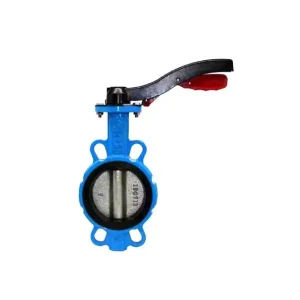
CE Certification Duplex Type Pinless Butterfly Valve
View Specifications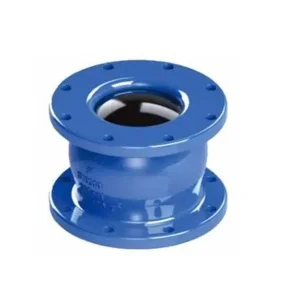
High-Quality High - Performance Silent Check Valve for Water Supply
View Specifications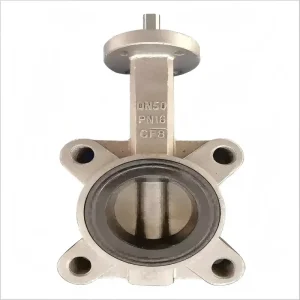
Wholesale Semi Lug Butterfly Valve - Durable & Versatile Flow Control
View Specifications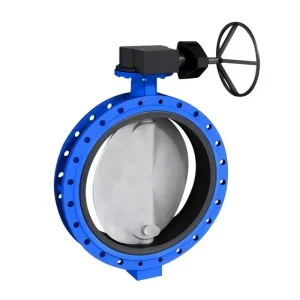
Wholesale High-Quality U Section Butterfly Valve for Reliable Control
View Specifications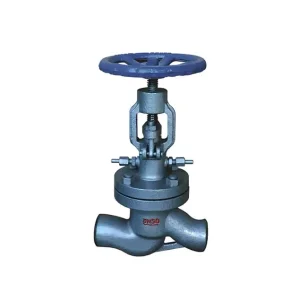
High-Quality Water Seal Globe Valve with Quick - Closing Feature
View Specifications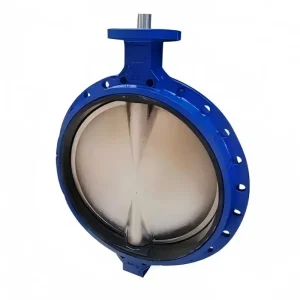
Wholesale Single Flange Butterfly Valve - Durable Efficient Control
View Specifications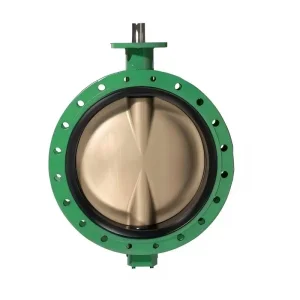
High-Quality Water Used Flanged Butterfly Valve - Durable & Efficient
View Specifications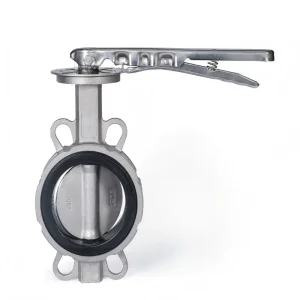
Wholesale Stainless Steel Butterfly Valve - Durable & Corrosion-Resistant
View SpecificationsEngineering & Procurement FAQ: Resilient Seat Gate Valves
Clear, technically accurate answers to the most frequent structural and operational questions evaluated by project consultants and international buyers.
What is the technical difference between Non-Rising Stem (NRS) and Rising Stem (OS&Y) gate valves?
In a Rising Stem (OS&Y - Outside Screw & Yoke) valve, the stem lifts out of the valve bonnet as it opens, providing instant visual confirmation of the valve position. However, it requires significant vertical clearance and leaves the threaded stem exposed to external weather or soil corrosives. Non-Rising Stem (NRS) gate valves maintain a constant overall height because the stem threads rotate inside the wedge without translating vertically. This makes NRS the optimal, field-proven choice for underground buried service, tight subterranean valve pits, marine bilge chambers, and pump room applications where space is severely constrained.
Why are resilient seated gate valves superior to traditional metal-seated gate valves?
Traditional metal-seated gate valves rely on a bottom recess/pocket in the casting body where the metallic wedge wedges shut. Over time, pipeline debris, rust scales, gravel, and silt collect in this pocket, preventing the valve from fully closing and leading to persistent seat leakage. In contrast, resilient seat gate valves feature an unobstructed, pocketless full-bore body. The sealing occurs via compression deformation of the fully vulcanized EPDM wedge against the perfectly smooth, epoxy-lined body walls, guaranteeing 100% bi-directional bubble-tight shut-off (Zero Leakage) and minimal pressure drop.
How does Tianjin Top Valve ensure zero delamination between the wedge and the rubber?
Rubber-to-iron bonding failure is the leading cause of premature gate valve failure. Because our group has operated Tianjin Dongfang Rubber Factory since 1987, we apply proprietary multi-stage chemical surface pretreatments and silane coupling primers to the ductile iron wedge core prior to high-temperature vulcanization. The elastomer is bonded under computer-controlled vacuum injection moulds, ensuring uniform rubber thickness, zero trapped air pockets, and high peel strength that far exceeds AWWA C509 and BS EN 1074 requirements.
Can these valves be buried directly without a concrete inspection manhole?
Yes. Our non-rising resilient seat gate valves are engineered specifically for direct burial installations. When paired with our high-integrity telescopic extension spindles, cast iron surface boxes, and protected by our heavy electrostatic Fusion Bonded Epoxy (FBE) coating (min. 250 μm thick), the valves resist corrosive soil chemistries, stray ground currents, and ground moisture without requiring expensive, space-consuming underground concrete chambers.
What international design and flange standards are supported?
Depending on your regional requirements, we manufacture gate valves conforming to DIN 3352, EN 1074, EN 1171, AWWA C509/C515, and BS 5163. Face-to-face dimensions follow EN 558 Series 14 (Short/F4) or Series 15 (Long/F5), as well as ASME B16.10. Flanges can be drilled to EN 1092-2 PN10/PN16/PN25, ANSI Class 125/150, BS Table D/E, and AS 4087, providing seamless drop-in replacements for global infrastructure projects.
What is your standard production lead time and testing protocol?
Every single valve undergoes 100% individual hydrostatic testing before leaving our facility: shell test at 1.5 times nominal working pressure and seat sealing test at 1.1 times nominal working pressure with zero allowable leakage. Standard production lead times range between 15 to 30 days depending on lot quantities and actuator specifications, with expedited manufacturing available for scheduled municipal water outages.
