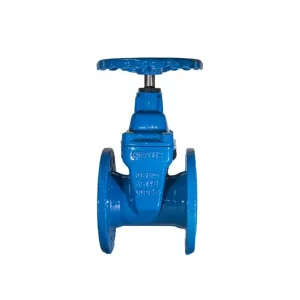
High-Performance Industrial Valve Portfolio
Direct-from-foundry engineered fluid control assemblies equipped with high-durability metallurgy, resilient seat compounding, and 100% shell-and-seat pressure testing.
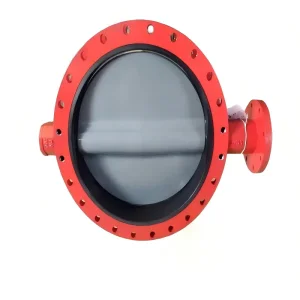
Wholesale Ceramic Disc Wafer Butterfly Valve - Durable & Efficient Design
Configure & Quote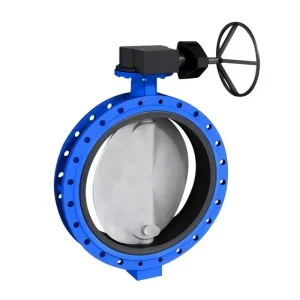
Wholesale High-Quality U Section Butterfly Valve for Reliable Flow Control
Configure & Quote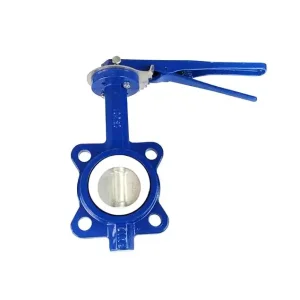
High-Quality PTFE Lined Pinless Butterfly Valve Supplier, Factories
Configure & Quote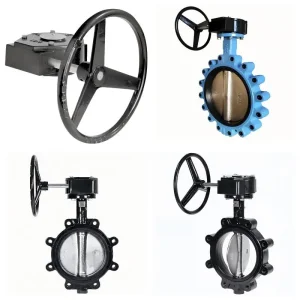
Wholesale WRAS Approved Lug Type Butterfly Valve 4325G Supplier
Configure & Quote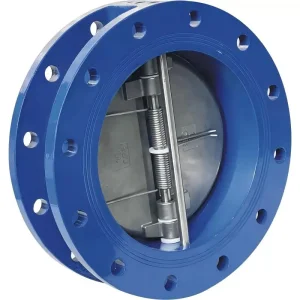
CE Certification Dual Plate Check Valve, Reliable Backflow Prevention Device
Configure & Quote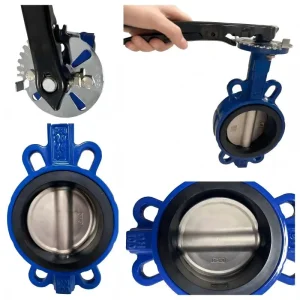
High-Quality WRAS Approved Butterfly Valve 4020L Supplier & Manufacturers
Configure & Quote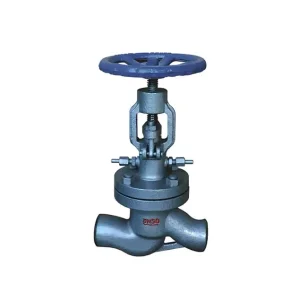
High-Quality Water Seal Globe Valve with Quick-Closing Feature
Configure & Quote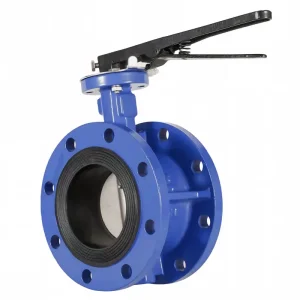
CE Certification Flanged Butterfly Valve with Lever Actuator
Configure & QuoteManual Stainless Steel Ball Valves: Metallurgy, Standards & Evolution
A rigorous examination of material selection, mechanical integrity, and fugitive emission mitigation across critical global processing networks.
In modern industrial process lines, the manual stainless steel ball valve serves as the definitive fail-safe mechanism for fluid isolation. Operating through a 90-degree rotary actuator (lever or manual worm gear), quarter-turn manual ball valves provide bidirectional sealing, negligible flow turbulence, and virtually zero pressure drop. When deployed across high-temperature chemical corridors, offshore desalination manifolds, cryogenic terminals, and sanitary food facilities, material composition is the decisive variable governing service lifespan and system security.
As engineering procurement teams balance total cost of ownership (TCO) with stringent environmental standards like ISO 15848-1 (Fugitive Emissions) and API 607 / ISO 10497 (Fire-Safe Validation), valve architecture has transitioned away from generic commercial casting toward precision-engineered investment casting (ASTM A351 CF8M / CF3M / 1.4408). By managing an integrated production lifecycle—from our dedicated foundry to in-house polymer formulation (since 1987)—Tianjin Top Automation Equipment ensures tight metallurgical traceability and zero micro-porosity in every valve shell.
Advanced Austenitic & Duplex Metallurgy
Fabricated with ASTM A351 CF8M (316), CF3M (316L), and 2205 Duplex Stainless Steel. Delivers high Pitting Resistance Equivalent Numbers (PREN > 32) resistant to pitting, crevice erosion, and stress-corrosion cracking in halide environments.
Blow-Out Proof Stems & Anti-Static Design
Every stem is internally loaded with an integral T-type collar preventing stem ejection under excessive pressure spikes. Built-in conductive earthing springs discharge static electricity generated during high-velocity hydrocarbon flow.
Hermetic Seal Polymers & Cavity Relief
Utilizing high-grade PTFE, RPTFE (15% Glass Reinforced), PEEK, and virgin Delrin seals. Features downstream pressure relief ports that relieve overpressurization within the body cavity caused by thermal fluid expansion.
Engineering Procurement Matrix: Specification & Application Boundaries
Comprehensive technical comparison across configurations to assist instrumentation engineers and EPC procurement specialists.
| Architecture Type | Structural Advantages | Pressure Class Rating | Seat & Packing Configuration | Recommended Operating Media |
|---|---|---|---|---|
| 1-Piece Reduced Bore SS Ball Valve | Monoblock body eliminating leak paths; compact profile; cost-effective for general instrumentation. | 1000 WOG (PN63) / Class 150 | Virgin PTFE / Graphite Packing | Compressed air, municipal water, light hydrocarbons, heating cycles. |
| 2-Piece Full Bore Flanged Ball Valve | Unrestricted full-port laminar flow; piggable; complies with ASME B16.10 & EN 558-1 dimensions. | ASME Class 150 / 300 / PN16 / PN40 | RPTFE / Carbon-Filled PTFE / TFM 1600 | Chemical processing pipelines, condensate lines, refined petroleum, solvent transport. |
| 3-Piece Maintenance In-Line Ball Valve | Swing-out center body allows seat replacement without dismantling pipeline flanging or weld ends. | 1000 WOG to 2000 WOG (Class 600) | Reinforced PEEK / Delrin / Grafoil Fire-Safe | High-pressure hydraulic service, pharmaceutical CIP/SIP steam, aggressive acids. |
| 3-Way L-Port / T-Port Diverter Valve | Multi-directional distribution; replaces dual gate valves; enables fluid mixing, bypass, and diversion. | Class 150 / PN16 / 1000 WOG | 4-Seat Cavity-Filled PTFE | Cooling towers, HVAC distribution manifolds, chemical blending skids. |
| Trunnion Mounted SS Ball Valve (Manual Gear) | Mechanical anchoring of the ball absorbs line thrust; minimizes operating torque for larger diameters (DN150+). | ASME Class 150 - Class 1500 (PN250) | Primary O-Ring + Secondary Metal-to-Metal | Mainline oil & gas transmission, mining slurries, high-pressure desalination. |
Integrated Industrial Solutions Across Harsh Environments
Custom-engineered manual quarter-turn assemblies designed to mitigate cavitation, galvanic degradation, and fugitive leak paths.
Petrochemical & Hydrocarbon Refineries
Engineered with double-body seals, Grafoil stem packing, and ISO 5211 mounting pads. Built to resist explosive decompression and prevent atmospheric fugitive emissions in volatile hydrocarbon transfer stations.
Marine, Offshore & Desalination Skids
Manufactured from 316L, Super Duplex (UNS S32750), and Aluminum Bronze to withstand aggressive hypersaline seawater. Prevents microbial and galvanic corrosion under continuous splash-zone conditions.
Sanitary, Pharmaceutical & Pure Water
Electropolished wetted internal geometries (Ra < 0.4µm) combined with cavity-filled PTFE seats. Eliminates media entrapment, bacterial harborage, and contamination during Clean-In-Place (CIP) sanitation.
Factory Governance, Certifications & Regional Verification
Stringent compliance engineering backed by localized support and verified EN 10204 3.1 certification packages.
ISO 9001, 14001, 45001
Certified operational management tracking raw alloy spectrographic chemistry, CNC tooling dimensions, and non-destructive hydrostatic shell testing.
EU CE & PED 2014/68/EU
Full CE marking conformity with Pressure Equipment Directive Category III Module H verification for pressurized industrial containment vessels.
WRAS Potable Water Approval
Selected hygienic and resilient valves hold certified WRAS recognition, proving zero toxic leaching and chemical stability in human drinking water systems.
Material Traceability (EN 10204 3.1)
Every casting heat is stamped and cross-referenced with mill test reports (MTR), detailing carbon, nickel, chromium, and molybdenum levels via Optical Emission Spectrometry.
Engineering Roadmap: Digitalization, Smart Sensors & ESG
Pioneering advancements bridging the gap between mechanical manual control and intelligent pipeline telemetry.
IoT-Enabled Manual Position Feedback
Developing ultra-low-power Bluetooth Low Energy (BLE) and LoRaWAN smart limit switch boxes designed for manual levers. Provides SCADA networks with real-time open/closed verification without requiring pneumatic lines.
Next-Gen Nanocomposite Tribological Seats
Formulating fluoropolymer composites infused with ceramic nanoparticles and carbon nanotubes. Increases operational cycle life by over 300% under high-frequency cycling and lowers manual operating breakaway torque.
Decarbonized Circular Production Life-Cycle
Adopting clean electric induction melting furnaces and closed-loop sand-reclamation technologies across our foundry campus, reducing embodied product carbon by up to 34% across the manufacturing lifecycle.
Frequently Asked Questions by Industrial Valve Specifiers
Comprehensive engineering guidance addressing procurement, compliance, testing parameters, and operating practices.
What is the difference between CF8, CF8M, and forged 304/316 in manual ball valves?
When should an engineer specify a 3-piece ball valve over a 1-piece or 2-piece design?
How does Tianjin Top Valve ensure bubble-tight shutoff and prevent fugitive stem emissions?
Can manual stainless steel ball valves be retrofitted with automated actuators in the field?
What testing standards are executed before dispatch from your Tianjin facility?
Heavy-Duty Isolation, Non-Return & Regulating Assemblies
Explore our complete manufacturing series engineered for municipal water, steam utilities, chemical corridors, and process facilities.
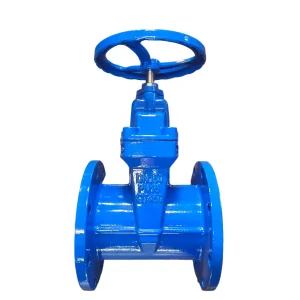
Wholesale High-Quality Gate Valve for Reliable Flow Control
Configure & Quote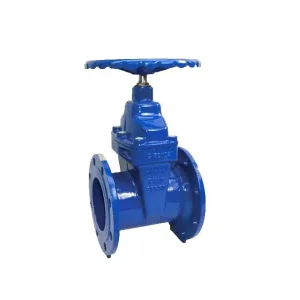
High-Quality Non-Rising Stem Elastic Seat Sealing Gate Valve
Configure & Quote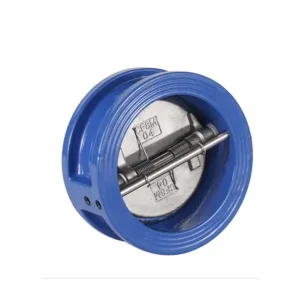
High-Performance Dual Plate Wafer Check Valve for High-Flow Systems
Configure & Quote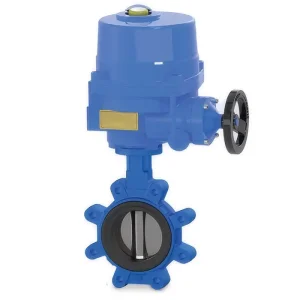
High-Quality Electrical Butterfly Valve Supplier & Manufacturer
Configure & Quote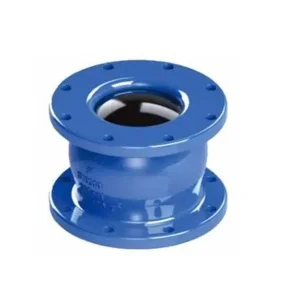
High-Performance Silent Check Valve for Water Supply Systems
Configure & Quote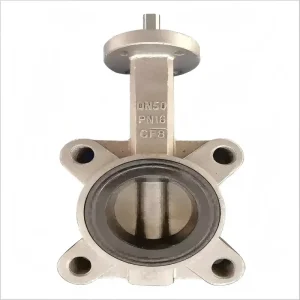
Wholesale Semi Lug Butterfly Valve - Durable Flow Control Manufacturers
Configure & Quote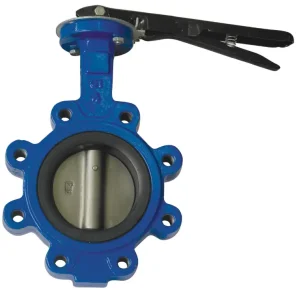
High-Quality Lug Type Manual Operated Butterfly Valve Factory
Configure & Quote