Engineered Flow Systems
High-Performance Pipeline Valve Exhibition
Explore our foundational ductile iron, ductile steel, and alloy valve assemblies configured for severe duty, corrosive fluid lines, and high-pressure steam distribution.
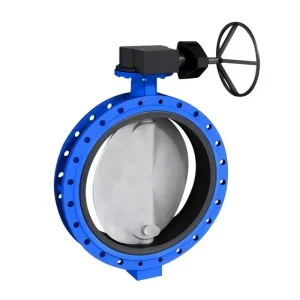
High-Quality U Section Butterfly Valve for Flow Control
Configure & Request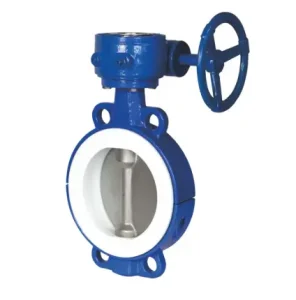
PTFE Lined Butterfly Valve - Durable & Corrosion Resistant
Configure & Request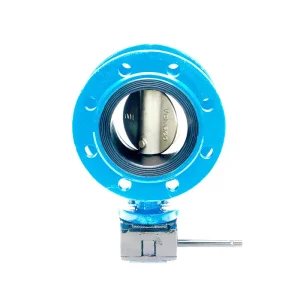
Marine Flange Type Manual Operated Butterfly Valve
Configure & Request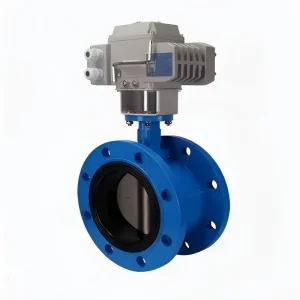
High-Performance Electrical Butterfly Valve Control
Configure & Request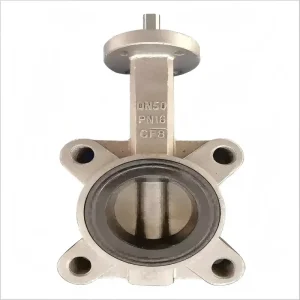
Semi Lug Butterfly Valve - Durable & Versatile Control
Configure & Request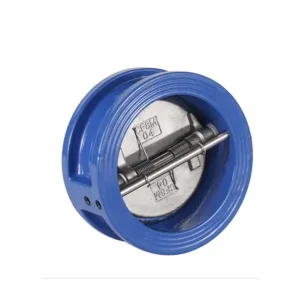
Dual Plate Wafer Check Valve for High-Flow Systems
Configure & Request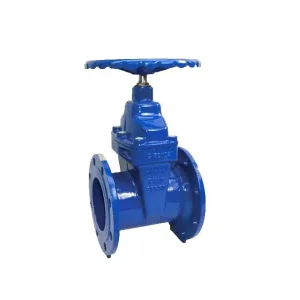
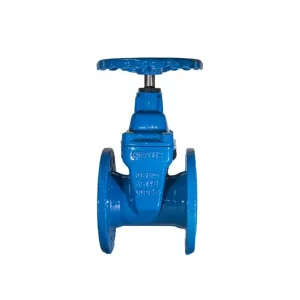
Non-Rising Stem Elastic Seat Sealing Gate Valve
Configure & Request
Manufacturing Supremacy
Why Sourcing Ductile Steel Globe Valves from China Delivers Technical Dominance
In-depth structural breakdown of nodular cast iron (EN-GJS-400-18-LT / ASTM A395) and cast carbon steel (WCB/LCB) processing that redefines global procurement economics.
Procurement engineers globally face severe lifecycle failures when deploying standard gray cast iron globe valves in demanding municipal heating, district cooling, and industrial processing lines. Ductile iron (nodular cast iron) and ductile cast steel address this fragility by transforming brittle flake graphite into spheroidal nodules via specialized magnesium inoculation. At our integrated Tianjin manufacturing complex—supported by Tianjin Donglian Valve Factory (since 1996) and our dedicated compounding plant Tianjin Dongfang Rubber Factory (since 1987)—we achieve complete metallurgical control directly from induction melting furnaces to multi-axis CNC finishing stations.
By producing ductile iron grades such as QT450-10, GGG40.3, and EN-GJS-400-18-LT, our foundry prevents low-temperature thermal shock and water-hammer fracturing. Unlike third-party traders who assemble outsourced castings with uncertain silicon and sulfur ratios, our on-site physical and chemical laboratories perform optical emission spectrometry on every heat lot. This metallurgical rigor ensures that yield strength consistently exceeds 250 MPa with minimum 18% elongation, providing the exact fracture-toughness criteria required in sub-zero industrial chilling and high-vibration power-plant auxiliary circuits.
Vertical Foundry Control
Zero reliance on rough casting brokers. In-house sand conditioning, automatic molding lines, and spectroscopic molten metal validation ensure low porosity, high grain density, and defect-free body castings.
Micro-Precision Stem Machining
Multi-axis CNC turning and thread rolling produce burnished stem finishes with surface roughness under Ra 0.4 µm. This minimises friction on pure flexible graphite gland packings, preventing fugitive emissions.
Complete Port Seat Hardfacing
Seat rings and throttling plugs are built with 13Cr stainless steel overlay or Stellite cladding. Micro-lapped conical seats guarantee Class V or Class VI bubble-tight shut-off under repetitive cycle switching.
Engineering Parametrics
Comprehensive Technical Matrix: Ductile Steel Globe Valve Series
Verified mechanical tolerances, body rating benchmarks, and trim materials configured according to international pipeline directives.
| Design Standard | Body Material | Nominal Size | Nominal Pressure | Seat & Disc Trim | Applicable Media |
|---|---|---|---|---|---|
| DIN 3356 / EN 13789 | EN-GJS-400-18-LT (GGG40.3) | DN15 – DN400 | PN16 / PN25 / PN40 | 13Cr / SS304 Facing | Steam, Thermal Oil, Domestic Hot Water |
| BS 5152 / EN 1092-2 | Ductile Iron ASTM A395 | 1/2" – 16" | Class 150 / Class 300 | Stainless Steel 316 / Stellite | Condensate, Ammonia, Vacuum Isolation |
| ASME B16.34 / API 602 | Cast / Forged Ductile Steel (WCB) | DN15 – DN300 | Class 150 to Class 600 | HF Stellite No. 6 Overlay | High Pressure Feedwater, Steam Lines |
| JIS B2071 / B2081 | FCD400 / FCD450 | 15A – 300A | 10K / 20K | Bronze / 13Cr Overlay | Cooling Water, Fuel Oil, Shipbuilding |
| ISO 12149 / GB/T 12235 | QT450-10 / GS-C25 | DN20 – DN500 | 1.6 MPa – 6.4 MPa | Nitride Stainless Steel Trim | Chemical Process, Non-Corrosive Liquids |
In globe valve operation, throttling fluid flow creates localized turbulence, high dynamic pressure recovery, and elevated velocity near the seat orifice. Conventional flat-faced discs generate cavitation eddies that chew into the seat face within weeks of operation. Our ductile steel globe valves integrate parabolic throttling plugs, needle contour trims, and guided disc skirts that stabilize the fluid jet. By controlling the vena contracta and dispersing kinetic energy across a structured flow path, top-tier Tianjin Top Valve globe systems cut erosion velocity, reduce acoustic noise levels below 78 dBA, and eradicate seat wire-drawing under continuous high-differential-pressure regulation.
System Architectures
Macro-Industry Solutions & Localized Process Deployments
How global plant operators utilize ductile steel globe valve architecture to prevent cavitation, eliminate fugitive emissions, and streamline maintenance shutdowns.
District Steam & Condensate Systems
Superheated steam grids experience rapid thermal cycling. Ductile iron GGG40.3 and ASTM A395 globe bodies resist thermal fatigue cracking while graphite packing inserts maintain tight stem sealing without frequent adjustment.
Ammonia & Cryogenic Refrigeration
Hazardous ammonia (R717) fluid requires strict, leak-free isolation. Our straight-through ammonia globe valves employ deep-seated stuffing boxes, back-seating stems, and non-corroding ductile bodies tested to withstand low temp embrittlement.
HVAC High-Rise Balancing Loops
Modern commercial buildings demand accurate micro-metering of chilled and condenser water. Guided plug globe valves deliver linear flow characteristics, avoiding flow surges and hunting when controlled by smart actuator drives.
Marine Auxiliary & Ballast Systems
Shipbuilding specs demand space conservation and shock-proof cast casings. Ductile steel globe valves with marine bronze or dual stainless internals withstand naval engine room vibrations and saltwater spray according to BV, LR, and CCS standards.
Petrochemical & Hydrocarbon Offsites
For auxiliary cooling and non-hydrocarbon service water, ductile steel provides high fire resistance and ductility over ordinary iron at a lower total weight and cost footprint than heavy cast carbon steel (WCB).
High-Vacuum Industrial Processing
Specialized bellows-sealed ductile globe valves eliminate dynamic stem packing paths entirely. Utilizing double-ply hydroformed stainless steel bellows, these valves isolate vacuum evacuation chambers without atmospheric ingress.
Market Dynamics & Trends
Emerging Industry Evolutions: The Future of Globe Valve Engineering
How digitalisation, zero-emission environmental mandates, and automated supply chains are reshaping fluid control procurement.
Smart IoT Actuator Integration
Globe valves are shifting from purely manual wheel operations to digitalized smart nodes. Our tops are standardized with ISO 5211 mounting pads, allowing rapid mounting of modulating smart actuators that communicate via Modbus, Profibus, and 4-20mA signals for real-time valve position telemetry.
ISO 15848-1 Fugitive Emission Compliance
Global environmental mandates now regulate greenhouse vapors and volatile organic compound emissions from pipeline joints. Our globe valves integrate die-formed graphite rings with live-loaded Belleville disc springs that automatically compensate for stem packing wear during severe thermal cycles.
Localized Supply Chain De-risking
Global EPC contractors and valve distributors increasingly bypass intermediaries to secure direct supplier partnerships with integrated Chinese manufacturers. Having in-house casting, rubber production, and CNC machining within one 23,000 m² campus protects buyers against price volatility and delivery delays.
Large infrastructure frameworks, including urban heating grids across Northern Europe, regional water treatment expansions in the Middle East, and industrial energy parks in Southeast Asia, rely heavily on ductile steel globe valves for dependable, daily flow regulation. Buyers demand documentation that matches technical performance: EN 10204 3.1 material test certificates, hydrostatic test reports according to ISO 5208, and third-party certifications including ISO 9001, ISO 14001, ISO 45001, and CE PED (Pressure Equipment Directive 2014/68/EU). Our factory provides full traceability from heat chemistry to final crating, supporting reliable, audits-ready procurement.
Technical FAQ
Frequently Asked Questions: Ductile Steel Globe Valve Procurement
Engineered answers addressing material selection, pressure boundaries, standard drillings, and quality testing.
What are the key metallurgical differences between ductile iron globe valves and cast steel (WCB) valves?
Ductile iron (such as EN-GJS-400-18-LT or ASTM A395) features nodular graphite spheres embedded within a ferrite-pearlite matrix, offering tensile strengths above 400 MPa and elongation of 15%–18%. It provides superior damping capacity and corrosion resistance against water and steam compared to standard carbon steel, at a significantly more competitive cost. Cast carbon steel (ASTM A216 WCB) provides higher weldability and maintains strength at temperatures exceeding 350°C. For industrial steam, district heating, and chilled water loops within -10°C to 300°C, ductile iron offers exceptional strength, thermal shock resistance, and anti-fracture capabilities at substantial economic savings.
Why choose a globe valve over a gate or ball valve for throttling applications?
Gate valves are designed solely for full-open or full-closed on/off isolation; partially opening a wedge exposes the seating surface to high-velocity erosion, chatter, and vibration. Ball valves are quarter-turn and offer high flow velocity around localized disc edges when throttled. Globe valves feature a seat opening parallel to line flow, ensuring that disk travel directly alters orifice circumference evenly. This creates predictable linear or equal-percentage flow characteristics, minimizes cavitation wear, and allows micro-position control over line pressure and flow rate without destroying seating surfaces.
What face-to-face and flange connection standards can your factory furnish?
We manufacture ductile steel globe valves accommodating multiple international pipeline interfaces. Flange drilling and face dimensions comply with DIN EN 1092-2 (PN10, PN16, PN25, PN40), ASME/ANSI B16.5 Class 150 and Class 300 (raised face RF), British Standard BS 4504, and Japanese Industrial Standard JIS 10K/20K. Face-to-face overall lengths comply with EN 558-1 Series 1 (DIN 3202-F1) or ASME B16.10, ensuring immediate drop-in replacement during plant retrofit projects.
How does your factory ensure zero fugitive emissions and bubble-tight seat isolation?
Every single valve undergoes pressure testing according to ISO 5208, EN 12266-1, and API 598 prior to protective packaging. Body shells are hydrostatically proof-tested at 1.5 times nominal pressure rating, while high-pressure seat tests are conducted at 1.1 times nominal rating. For severe gas or vacuum services, low-pressure pneumatic seat testing is carried out at 0.6 MPa air. Our stems receive precision grinding down to Ra 0.4 µm paired with braided flexible graphite gland rings, preventing stem leakage during deep thermal cycling.
Can you supply complete third-party material traceability certificates?
Yes. Because our group operates its own independent foundry and physical-chemical metallurgical laboratory, every production batch is assigned a unique tracking heat number. We routinely supply inspection certificates conforming to EN 10204 Type 3.1 showing complete spectroscopic chemical breakdown (C, Si, Mn, P, S, Mg) and physical tensile, yield, hardness, and elongation metrics. In addition, our manufacturing system is ISO 9001:2015, ISO 14001, ISO 45001 certified with CE mark compliance under European PED 2014/68/EU.
Comprehensive Portfolio
Specialty Control Valves for High-Duty Environments
Engineered globe, gate, check, and high-performance butterfly models built for ammonia refrigeration, extreme temperatures, and severe process diversion.
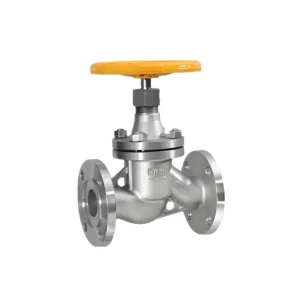
Wholesale Straight-Through Ammonia Globe Valve
Configure & Request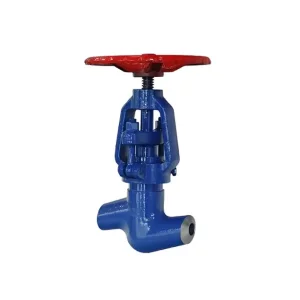
High Temperature & High Pressure Power Station Globe Valve
Configure & Request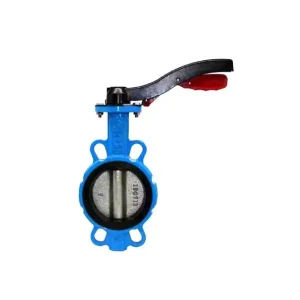
CE Certification Duplex Type Pinless Butterfly Valve
Configure & Request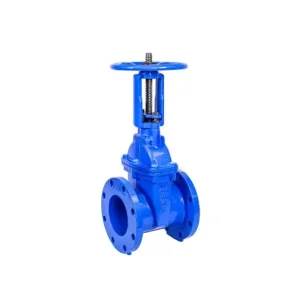
Wholesale Rising Stem Resilient Seat Gate Valve
Configure & Request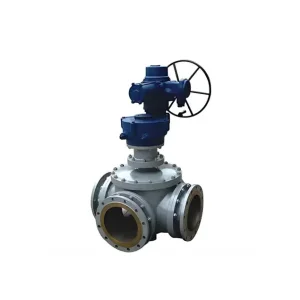
Quick - Opening Three - Way Flange Ball Valve
Configure & Request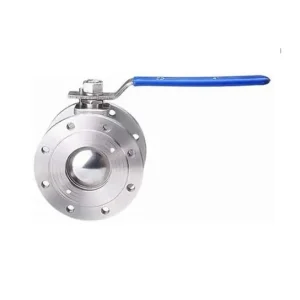
Stainless Steel Ultra - Thin Ball Valve with Fire - Safe Design
Configure & Request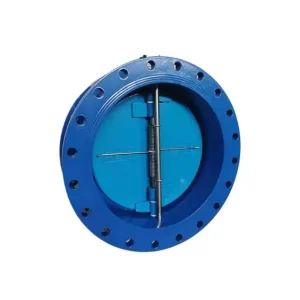
Wholesale Dual Plate Flange Type Check Valve
Configure & Request