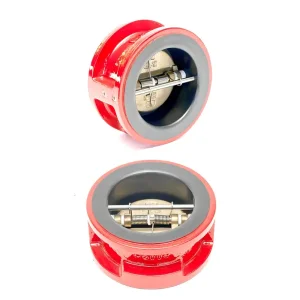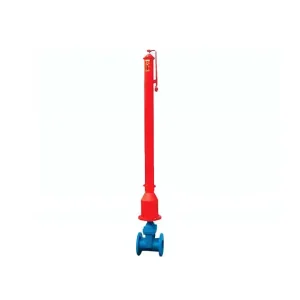
Primary Flow Control & Gate Valve Assemblies
Explore engineering-grade isolation and process valves configured for municipal water distribution, industrial cooling circuits, and high-pressure media pipelines.
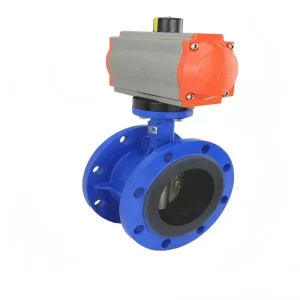
Pneumatic Butterfly Valve (Lug & Flanged)
View Details & CAD Specs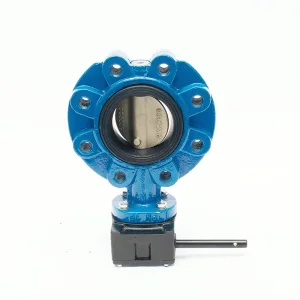
Marine Centric Lug Butterfly Valve
View Details & CAD Specs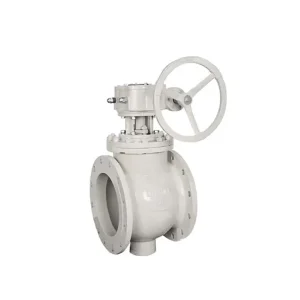
High-Pressure Eccentric Plug Valve
View Details & CAD Specs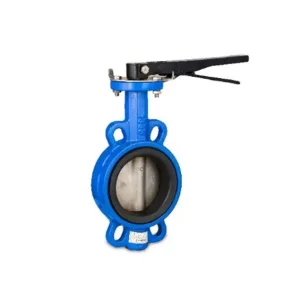
Rubber Lined Pinless Butterfly Valve
View Details & CAD Specs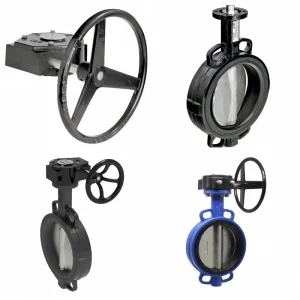
WRAS Butterfly Valve 4020G
View Details & CAD Specs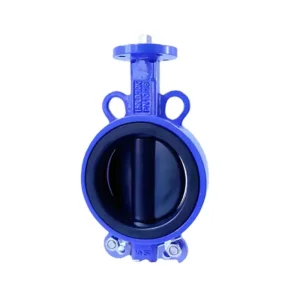
Halar Lined Pinless Butterfly Valve
View Details & CAD Specs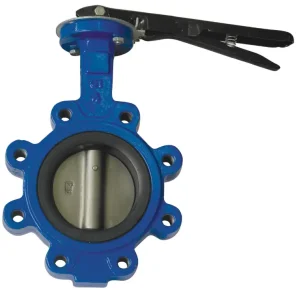
Lug Type Manual Butterfly Valve
View Details & CAD Specs
Industrial Engineering Whitepaper
Resilient Seated Gate Valves: Macro Industry Infrastructure & Dynamic Fluid Dynamics
Modern municipal, agricultural, and industrial infrastructure systems face mounting pressures from rapid urbanization, climate-induced water stress, and stringent statutory energy mandates. The resilient seated gate valve (RSGV) stands as the quintessential zero-loss flow isolation solution globally, eliminating traditional metal-to-metal wedge friction through precision vulcanized elastomeric sealing.
100%
Bubble-Tight Bi-Directional Seal
250 μm
Fusion Bonded Epoxy (GSK)
EN 1074
European Water Standard
50+
Countries Export Footprint
Evolution Beyond Metal-Seated Wedge Architecture
Historical sluice and gate valve designs relied entirely on brass or bronze seat rings pressed against cast-iron bodies. Over decades of operation, sand sediment, mineral scale, and cavitation pitted these hard metal faces, resulting in persistent cross-seat leakage and catastrophic unrecoverable pipeline head loss.
The modern CE-certified resilient seated gate valve overcomes these structural bottlenecks. Designed with a perfectly straight-through, non-cavity bore, sediment flows unhindered through the pipeline without settling in a lower recess. When the ductile iron wedge—fully encapsulated in certified vulcanized EPDM or NBR elastomer—descends into position, its resilient geometry deforms elastically against the smooth body casting to achieve an EN 12266-1 Rate A zero-leakage barrier across PN10, PN16, and PN25 pressure classes.
Key Engineering Advantages at a Glance
- Zero Sump Cavity: Fluid pathways retain uninterrupted cross-sections, preventing sediment blockage and reducing hydraulic pumping turbulence.
- Low Operating Torque: Non-rising stainless steel stems (420 / 304 / 316) operate through precision multi-O-ring polymer thrust collars, decreasing torque demand by up to 35%.
- Field-Serviceable Gland Seals: Stem packing O-rings can be replaced under live full system working pressure without isolating or draining the main line.
- Standard Conformity: Face-to-face dimensions strictly comply with EN 558 series 14 (DIN 3202 F4) and EN 558 series 15 (DIN 3202 F5).
Engineering Material Matrix & Parametric Standards
| Component Part | Standard Material Grade | Alternative Optional Alloy | Governing Specification | Compliance Quality Standard |
|---|---|---|---|---|
| Body & Bonnet | Ductile Iron EN-GJS-500-7 (GGG50) | EN-GJS-400-15 (GGG40) / WCB | EN 1563 / ASTM A536 | PED Module H Certified |
| Resilient Wedge | Ductile Iron Core + EPDM Encapsulation | NBR for Oil/Sewage / Peroxide EPDM | EN 681-1 / ISO 4633 | WRAS / ACS / DVGW W270 |
| Stem (Spindle) | Stainless Steel X20Cr13 (AISI 420) | AISI 304 / AISI 316 / Duplex | EN 10088-3 | Cold Rolled Threads |
| Stem Nut | High-Tensile Brass CW617N | Aluminum Bronze CC333G | EN 12164 / BS 1400 | Anti-Galling Design |
| Internal / External Coating | Electrostatic Fusion Bonded Epoxy (FBE) | Thickness ≥ 250 μm (GSK Approved) | DIN 30677-2 / EN 14901 | Zero Porosity / 3kV Spark Test |
| Flange Drilling Profile | EN 1092-2 PN10 / PN16 / PN25 | ASME B16.42 Class 150 / BS 10 | ISO 7005-2 | Universal Metric & Imperial |
Global Market Analysis
International Commercial Dynamics & Regional Regulatory Mandates
Comparative deployment patterns across key continental jurisdictions dictate strict factory compliance parameters.
European Union & UK (CE / UKCA)
Governed by the Pressure Equipment Directive (PED 2014/68/EU), European buyers mandate EN 1074-1/2 performance validation alongside drinking water certifications (WRAS, ACS, DVGW). Face-to-face dimensions must align precisely with DIN 3202 F4/F5 to support seamless infrastructure rehabilitation across municipal waterworks.
North America (AWWA & NSF)
Utilities across the United States and Canada enforce AWWA C509 and AWWA C515 standards, mandating strict wall thicknesses and NSF/ANSI 61 and 372 lead-free toxicological approval for potable lines. Flange patterns require ASME B16.1 Class 125/250 or B16.42 ductile iron drilled compatibility.
Middle East & APAC Mega Projects
Arid climates and seawater reverse osmosis (SWRO) desalination networks require high external corrosion protection to withstand hypersaline coastal soil. Buyers demand GSK-standard electrostatic powder epoxy coatings alongside duplex or nickel-aluminum bronze stem trims to counter subterranean pitting.
Tianjin Top Valve Vertical Integration
Localized Engineering Support, In-House Foundry & Full Traceability
Unlike pure trading entities, Tianjin Top Automation Equipment Co., Ltd. (operating in Wuxia Industrial Park, Dongli District, Tianjin) anchors its competitive advantage in genuine manufacturing ownership. Our parent entities—Tianjin Donglian Valve Factory (established 1996) and Tianjin Dongfang Rubber Factory (established 1987)—unite heavy metallurgical casting and high-precision elastomer vulcanization on a single 23,000 m² campus.
In-House Rubber Compound
Since 1987, our specialized elastomer facility compounds its own EPDM and NBR polymers, securing precise tensile resilience (≥15 MPa) and low compression set (≤20% at 70°C for 24h).
Dedicated Foundry
Our captive melting furnaces pour ductile iron (GGG40/GGG50) under spectral optical analysis, assuring nodularity exceeding 85% to eliminate hidden structural microporosity.
CNC Machining Cells
Multi-axis automated machining centers turn valve stems, mill bonnet matching surfaces, and polish wedge guide tracks to strict geometric tolerances of ±0.02 mm.
100% Pressure Verification
Every single valve undergoes dual-station hydrostatic shell testing at 1.5×PN and dual-direction bi-directional seat testing at 1.1×PN before release to packing.
Direct Factory Engineering Consultation & Mill Audits
Schedule a live video audit across our Tianjin foundry, rubber compounding plant, and pressure test bays. Obtain comprehensive EN 10204 3.1 material test certificates and PED declaration dossiers directly from our technical team.
Contact Victor: [email protected]
Direct Phone: +86-22-84913799 | WhatsApp: +86 195 0199 8923
Real-World Deployment
Engineered Application Environments & Case Scenarios
Targeted mechanical configurations engineered to solve real-world fluid transport vulnerabilities.
Potable Water Mains & Aqueducts
Utilizing WRAS and DVGW W270 certified EPDM resilient wedges alongside non-toxic NSF-approved epoxy powder coatings, our valves preserve drinking water purity without chemical leaching, biological biofilm growth, or taste alteration over decades of subterranean service.
Buried District Distribution (No-Vault)
Equipped with telescopic extension spindles and surface street boxes, our buried resilient gate valves remove the substantial capital expense of concrete inspection chambers. Double-sealed stem geometries protect internal bearing surfaces from soil moisture intrusion.
Raw Sewage & Industrial Effluent
Configured with specialized oil- and hydrocarbon-resistant NBR vulcanized wedges, our straight-through non-cavity valves allow suspended solids, wipes, and fibrous wastewater materials to pass freely without catching, wrapping, or compromising the tight shutoff wedge boundary.
Underground Fire Protection Systems
Rising stem (OS&Y) resilient seated configurations provide unmistakable immediate visual verification of valve gate position. Available with pre-drilled flange connections and UL/FM actuation mounting patterns for seamless integration into high-reliability emergency sprinkler rings.
Agricultural Irrigation & Intake Grids
Engineered to handle seasonal silt, algae, and fluctuating flow velocities without wedge chatter. Low-headloss hydrodynamic profiles significantly cut annual kWh power consumption at high-capacity regional agricultural pumping stations.
Industrial Cooling & Desalination RO
Fitted with Aluminum Bronze (C95800) or Duplex Stainless Steel (2205) internal trim sets, our resilient valves exhibit exceptional endurance against aggressive chloride induced crevice corrosion and micro-biological marine bio-fouling.
Forward Engineering
Technology Roadmap: Smart Infrastructure & Low-Carbon Manufacturing
How next-generation valve manufacturing incorporates digital telemetry, green metallurgical practices, and advanced fluoropolymer chemistry.
Phase 1 · Near-Term
Embedded IoT Acoustic & Torque Telemetry
Integration of wireless LoRaWAN-connected piezoresistive torque sensors and vibration transmitters directly into the bonnet housing. Provides real-time early warning of water hammer spikes, pipeline cavitation, and subterranean packing wear before leaks manifest.
Phase 2 · Material Science
Bio-Derived & Peroxide Cured Polymers
Progressive phase-out of conventional sulfur cross-linked rubbers in favor of high-purity peroxide-cured synthetic elastomers and non-petroleum bio-polymers, achieving superior compression recovery and near-zero chloramine degradation over 50-year service lifespans.
Phase 3 · Decarbonization
Electric Induction Furnaces & Recycled Scrap
Transition of Tianjin Top group foundries to 100% renewable electric induction melting, consuming verified scrap iron batches to lower embodied carbon per metric ton of valve casting by 48% in alignment with European CBAM trade parameters.
Phase 4 · Digital Twin
Parametric BIM & QR Traceability
Direct laser-etched 2D QR identifiers on every valve casting linking field engineers instantly to mill test certificates, hydrostatic test logs, and 3D Revit BIM parametric geometries for rapid digital twin integration.
Technical Clarifications
Frequently Asked Technical & Procurement Questions
In-depth responses compiled by our chief metallurgical and quality assurance engineering officers.
What specific European directives govern CE certification for resilient gate valves?
Resilient gate valves intended for the European Union market fall under the Pressure Equipment Directive (PED 2014/68/EU). Depending on the nominal diameter (DN) and maximum allowable pressure (PS), valves are categorized from Sound Engineering Practice (SEP) up to Category I, II, or III. Tianjin Top Automation Equipment holds verified CE Module H (full quality assurance) conformity, validating that our casting design, wall thickness calculation (EN 12516-2), chemical metallurgy, and nondestructive testing satisfy rigorous EU notified body audits.
Why is the in-house rubber factory so crucial for resilient gate valve longevity?
The rubber wedge encapsulation is the single most critical consumable element in an elastic seat gate valve. Many generic assemblers outsource vulcanization to small commercial vendors, leading to inconsistent rubber-to-metal bonding and premature vulcanizate peeling under dynamic flow shear. Since our group has operated Tianjin Dongfang Rubber Factory since 1987, we compound our own polymer batches under laboratory rheometer control, applying proprietary phenolic bonding primers to the ductile iron wedge core. This guarantees 100% adhesion strength exceeding 8 MPa, totally eliminating wedge blister failure.
What are the exact dimensional differences between DIN 3202 F4 and F5 gate valves?
Both F4 and F5 are standardized face-to-face dimensions classified under EN 558 series 14 (F4) and EN 558 series 15 (F5). The DIN 3202 F4 is a "short body" pattern widely favored in tight underground vaults, packaged pump skids, and treatment plants due to its compact profile and reduced weight. The DIN 3202 F5 has a "long body" profile, frequently deployed in legacy infrastructure across Germany, Austria, and Eastern Europe to directly replace older cast-iron metal-seated gate valves without modifying existing pipeline spool lengths.
How does non-rising stem (NRS) compare to outside screw and yoke (OS&Y) rising stem?
Non-Rising Stem (NRS) designs feature internal stem threading where the wedge travels up and down the spindle inside the valve body cavity. Because the stem remains vertically stationary, NRS valves are ideal for buried underground direct-burial service and tight vertical space constraints. Outside Screw & Yoke (OS&Y) designs place the stem threads external to the fluid flow path; as the valve opens, the stem physically rises through the yoke handwheel. OS&Y is predominantly mandated in industrial fire-fighting networks and power plant isolation where mechanical visual indication of open/closed position is legally required.
What coating standard is applied to prevent external microbial and chemical pitting?
Our valves are standard coated with fusion-bonded epoxy (FBE) powder applied electrostatically following thorough Sa 2.5 grit blasting. The coating complies with DIN 30677-2 and GSK quality guidelines with a nominal film thickness of ≥250 microns. Each production run is verified with a non-destructive high-voltage 3 kV holiday porosity spark tester to guarantee a pinhole-free barrier against stray electrical currents, saline groundwater, and microbial soil attack.
Can Tianjin Top Valve supply complete 3D models and mill test certification?
Yes. Every production batch is delivered alongside an EN 10204 3.1 inspection certificate recording chemical spectrometer heat analysis, tensile strength, elongation, nodularity percentage, and shell/seat hydrostatic test records. Our engineering department provides native STEP, IGES, SolidWorks, and Autodesk Revit (.rfa) 3D BIM models upon request to support rapid contractor engineering integration.
Heavy-Duty Industrial & Process Specialty Valves
Comprehensive engineered valve solutions covering chemical fluid handling, marine propulsion ballasts, and high-pressure steam distribution.
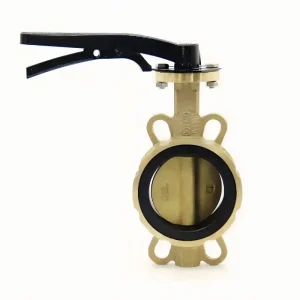
Aluminum Bronze Butterfly Valve
View Details & CAD Specs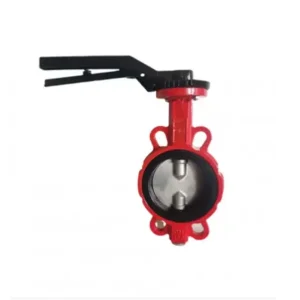
Double Half Shaft Wafer Butterfly Valve
View Details & CAD Specs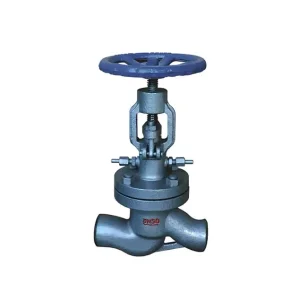
Water Seal Globe Valve (Quick-Closing)
View Details & CAD Specs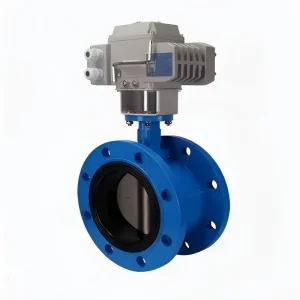
Electrical Actuated Butterfly Valve
View Details & CAD Specs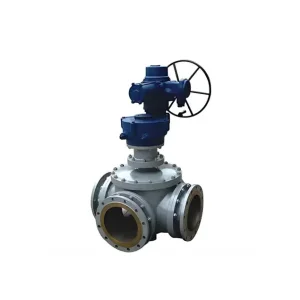
Quick-Opening 3-Way Flanged Ball Valve
View Details & CAD Specs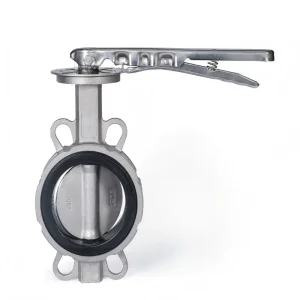
Stainless Steel Butterfly Valve
View Details & CAD Specs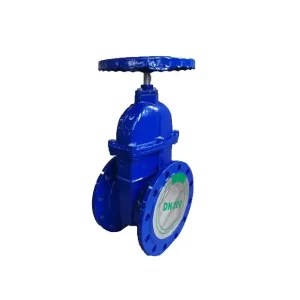
German Standard Elastic Seat Gate Valve
View Details & CAD Specs