
Factory Direct Valve Portfolio: Section I
Engineered to rigorous PED 2014/68/EU standards with 100% hydrostatic shell and resilient seat testing for municipal, chemical, and building services.
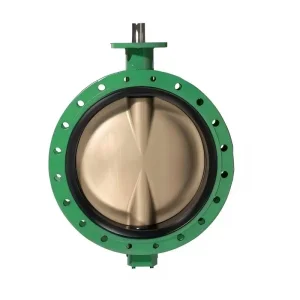
High-Quality Water Used Flanged Butterfly Valve - Durable & Efficient Manufacturer, Factories
View Specifications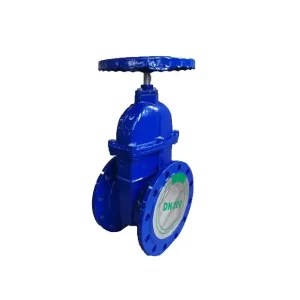
CE Certification German Standard Elastic Seat Gate Valve Manufacturers, Manufacturer
View Specifications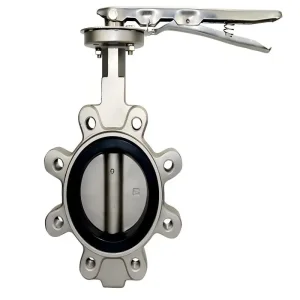
High-Quality LUG Stainless Steel Butterfly Valve - Durable & Reliable Supplier, Manufacturer
View Specifications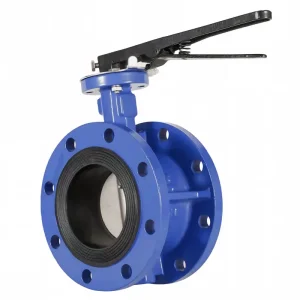
CE Certification Flanged Butterfly Valve with Lever Actuator - Durable & Reliable Manufacturers, Factory
View Specifications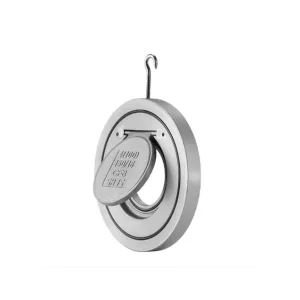
CE Certification Stainless Steel Single Disc Wafer Check Valve with Enhanced Corrosion Supplier, Manufacturers
View Specifications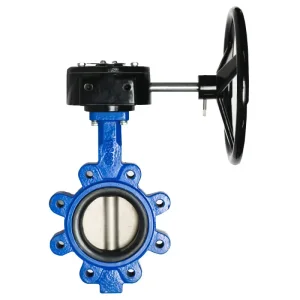
High-Quality Lug type Butterfly valve Suppliers, Manufacturers
View Specifications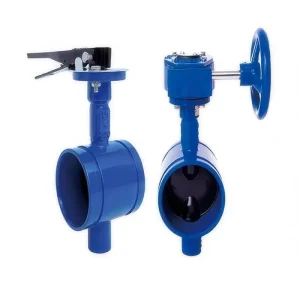
High-Quality Grooved End Butterfly Valve - Durable & Reliable Flow Control Suppliers, Supplier
View Specifications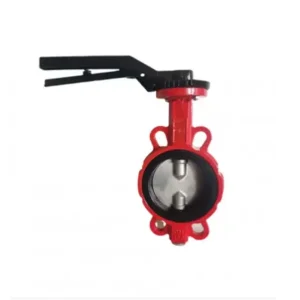
High-Quality Double Half Shaft Wafer Butterfly Valve Supplier, Manufacturer
View SpecificationsGlobal Commercial & Industrial Landscape of Manual Cast Iron Ball Valves
Analyzing macroeconomic drivers, regulatory compliance shifts, and the critical role of cast iron metallurgy in modern flow infrastructure.
PED 2014/68/EU & CE Harmonization
The European Pressure Equipment Directive (PED 2014/68/EU) has redefined procurement protocols worldwide. Manual cast iron ball valves manufactured under Category I, II, and III conformity assessments guarantee metallurgical soundess, traceability of materials (EN 10204 3.1 certification), and finite element proof against shell burst under hydraulic pressure surges.
Cost-to-Performance Optimization
While forged and cast steel valves dominate high-temperature refining, manual cast iron (grey iron EN-GJL-250 and ductile iron EN-GJS-400-15) ball valves represent over 42% of fluid control assets in global waterworks, HVAC district systems, and agricultural distribution due to superior vibration damping, natural lubricity, and exceptional capital efficiency.
Modernized Foundry Integration
Legacy supply chains suffered from micro-porosity and erratic graphite nodularity. Top tier manufacturers like Tianjin Top Valve have revolutionized casting integrity through induction melting, spectrographic chemistry monitoring, and automated green-sand moulding lines that eradicate hidden casting defects prior to mechanical CNC tooling.
The Engineering Advantage: In-House Metallurgy & Elastomer Vulcanization
Sealing longevity in quarter-turn isolation valves depends directly on the tribological interface between the spheroidal iron/stainless ball and the polymer seat. Our multi-decade industrial ecosystem controls both.
Foundry & Metallurgical Control
Founded on the expertise of Tianjin Donglian Valve Factory (since 1996), our dedicated electric induction foundry pours ductile iron grades EN-GJS-400-15 / EN-GJS-500-7 and grey iron EN-GJL-250. Every heat code undergoes optical emission spectrometry testing to assure tensile strength, elongation, and microscopic graphite nodularity above 85%.
Polymer & Rubber Compounding
Operating through Tianjin Dongfang Rubber Factory (established in 1987), our proprietary elastomer formulas for EPDM, NBR, and virgin/reinforced PTFE seats offer exceptional resilience, minimal compression set, and WRAS/FDA compliance for clean water and sanitary industrial services.
CNC Dimensional Micro-Finishing
Our machining center utilizes 4-axis CNC lathes and horizontal milling centers. Valve stems, balls, and bonnet neck seal chambers are finished to Ra 0.4 µm micro-smoothness, suppressing operating breakout torque by up to 35% compared to conventionally machined commercial valves.
Class A Zero-Leakage Testing
In our physical and chemical laboratory, every manual ball valve is hydrostatically shell-tested to 1.5× PN rating and seat-tested to 1.1× PN rating with air and water per EN 12266-1 Rate A standards. No pressure loss or seat bypass is permitted prior to serial tagging.
Manual Cast Iron Ball Valve Technical Specifications
Standard design parameters for municipal, commercial HVAC, and heavy industrial fluid conveyance systems.
| Design Parameter | EN / DIN Standard Specification | ASME / International Equivalent | Quality & Testing Benchmark |
|---|---|---|---|
| Nominal Diameters (DN) | DN15 to DN300 (Flanged / Threaded) | 1/2" to 12" NPS | Full Bore & Reduced Bore Options |
| Pressure Design Ratings | PN10, PN16, PN25 | Class 125, Class 150 | EN 12516-3 / ASME B16.34 |
| Body & Bonnet Materials | EN-GJL-250 (GG25), EN-GJS-400-15 (GGG40) | ASTM A126 Class B, ASTM A536 65-45-12 | EN 10204 3.1 Chemical & Tensile Certified |
| Ball & Stem Metallurgy | AISI 304 (1.4301), AISI 316 (1.4401), Brass/Chrome | CF8 / CF8M Stainless, UNS S31600 | Mirror Polished ≤ Ra 0.2 µm |
| Seat & Seal Options | Virgin PTFE, Reinforced R-PTFE, EPDM, NBR | PTFE + 15% Glass Fiber, Carbon Graphite | WRAS, CE, ACS Potable Compliance |
| Face-to-Face Dimensions | EN 558 Series 14 (DIN 3202 F4), Series 15 (F5) | ASME B16.10 Short / Long Pattern | Direct Drop-In Interoperability |
| Top Mounting Flange | ISO 5211 Standardized Flange Pattern | ISO 5211 Direct Automation Pad | F03, F05, F07, F10, F12 Compatible |
| Manual Actuation | Quarter-turn Locking Lever / Worm Gearbox | Heavy-Duty Steel Handle with Vinyl Grip | Anti-Blowout Stem & Position Indicator |
Localized Application Scenarios & Operating Environments
Engineered to mitigate cavitation, fluid friction losses, thermal cycling, and galvanic corrosion across demanding global process sectors.
HVAC & District Cooling Systems
In chilled and secondary heating loops, low pressure drop (ΔP) is essential for overall chiller plant COP efficiency. Our full-bore manual cast iron ball valves deliver non-turbulent laminar flow with zero cavitation erosion, ensuring thermal energy networks maintain hydraulic balance.
Municipal Potable Water Distribution
Coated internally with high-performance fusion bonded epoxy (FBE) ≥ 250 µm and outfitted with WRAS-compliant elastomeric seals, these valves eliminate bacterial colonization, prevent heavy metal leaching, and deliver bubble-tight bi-directional isolation in primary feeder mains.
Industrial Wastewater & Effluent
Sewage pumping stations and chemical plant effluent headers demand resilient components resistant to abrasive particulates and biological sludge. The self-cleaning wiping action of our ball against the seat prevents solid calcification and seat degradation during manual cycling.
Fire Protection & Sprinkler Grids
Manual isolation valves in dedicated fire suppression systems require rapid quarter-turn deployment, clear visual lever open/closed identification, and ductile iron bodies certified to resist thermal shock and water hammer spikes exceeding 25 bar without body rupture.
Technology Roadmap: Tribological Modeling & Advanced Valve Metallurgy
Bridging traditional cast iron foundry craftsmanship with computational fluid dynamics (CFD) and predictive tribology.
FEA-Guided Shell Topology
Finite Element Analysis (FEA) has enabled our engineers to reinforce localized stress concentrations along the neck and flange fillets while shedding non-structural dead weight. This reduces transportation carbon footprint while boosting burst safety margins up to 4.2× nominal working pressure.
Micro-Serrated Low-Torque Seats
By engineering elastomeric micro-reliefs into PTFE and EPDM seat perimeters, the contact stress is dynamically balanced between upstream and downstream pressure differentials. This suppresses static breakout friction and prevents manual handle sticking even after months in the static open position.
Smart Automation Ready (ISO 5211)
Every manual valve features integrated ISO 5211 direct-mount pads. In anticipation of the shift toward smart industrial IoT grids, manual handles can be upgraded in-situ to compact electric or pneumatic smart actuators without de-pressurizing the pipeline or modifying piping headers.
Macro-Industry Solutions & Total Cost of Ownership (TCO) Optimization
Minimizing unplanned downtime, pumping parasite energy, and premature asset obsolescence through rigorous design criteria.
Parasitic Pumping Loss Reduction
Traditional throttling valves and reduced-port gate valves generate significant permanent pressure drops (ΔP), consuming megawatts of excess pump energy across multi-kilometer distribution mains. Our full-bore ball architecture provides a continuous cylindrical conduit matching pipe ID, yielding a flow coefficient (Kv) identical to an equivalent straight pipe section.
Stem Seal Redundancy & Anti-Blowout
Stem leaks represent the most common cause of fugitive emissions and regulatory fines in industrial piping. Tianjin Top Valve ball valves feature internal assembly anti-blowout stems backed by dual PTFE chevron V-rings and secondary EPDM O-rings, providing dual-barrier hermetic containment even under severe stem side-thrust.
Long-Term Spare Parts Availability
Unlike trading assemblers who change component vendors frequently, our ownership of both the body casting foundry and the elastomeric vulcanization plant guarantees direct availability of exact-match replacement balls, seat kits, and gasket sets 10 to 15 years after installation, safeguarding client EPC capital investments.
Frequently Asked Questions: Technical Engineering & Global Procurement
In-depth responses covering design codes, metallurgical integrity, pressure equipment directive compliance, and logistics.
What specific CE certification standard applies to cast iron manual ball valves?
Manual cast iron ball valves fall under the European Union Pressure Equipment Directive (PED 2014/68/EU). Depending on nominal diameter (DN) and maximum allowable working pressure (PS), valves are categorized from Sound Engineering Practice (SEP) up to Category III (Module H/H1). CE conformity guarantees material traceability (EN 10204 3.1), approved non-destructive testing (NDT), and hydrostatic shell testing according to EN 12266-1 standards.
How does grey cast iron (EN-GJL-250) differ from ductile iron (EN-GJS-400-15) for ball valve bodies?
Grey iron features lamellar graphite flakes, providing superior vibrational dampening and low cost, but offers lower tensile strength (≥ 250 MPa) and minimal elongation (< 1%). Ductile iron (spheroidal graphite) achieves tensile strength ≥ 400 MPa and elongation ≥ 15%, rendering it vastly superior for pressurized water networks subject to dynamic ground settling, thermal contraction, or water hammer pressure surges.
What seat material should be specified for hot water vs petroleum-derived fluids?
For hot water, steam condensate, and secondary district heating up to 150°C, virgin PTFE or glass-fiber reinforced R-PTFE seats provide superior thermal stability and low friction. For petroleum fractions, oils, and non-aromatic hydrocarbons, nitrile rubber (NBR) or Viton (FKM) should be selected. In high-purity drinking water, peroxide-cured EPDM with WRAS approval prevents microbial growth.
Why is in-house rubber compounding critical for ball and butterfly valve lifespan?
Third-party procured rubber seats often contain volatile plasticizers or recycled filler clays that degrade prematurely under continuous compressive stress, causing severe seat embrittlement or swelling. By compounding our own virgin polymers at Tianjin Dongfang Rubber Factory (operating since 1987), we tightly regulate Mooney viscosity, Shore A hardness, and compression set (≤ 18%), ensuring resilient rebound over 100,000 cycles.
Can manual cast iron ball valves be retrofitted with electric or pneumatic actuators later?
Yes. All Tianjin Top Valve manual ball valves are manufactured with integral ISO 5211 direct mounting flanges and standardized drive stem flats (double-D or square). Removing the manual lever allows direct mounting of quarter-turn pneumatic actuators or 24V/220V electric motors without expensive custom brackets, linkages, or stem adaptors.
What flange drilling and face-to-face dimensions are supplied?
Valves are regularly supplied to European standard EN 1092-2 PN10/PN16/PN25 and DIN 3202 F4/F5 lengths. In addition, our manufacturing lines routinely drill and face to ASME B16.1 Class 125/150, British Standard BS 4504, and Japanese Industrial Standard JIS 10K/16K. Precise face-to-face dimensions match EN 558 Series 14/15 for seamless drop-in replacement.
What is the factory lead time and protective packaging for international maritime transit?
Standard batch sizes ship in 20 to 30 calendar days from order confirmation. Individual valves are preserved with vapor corrosion inhibitor (VCI) bags, flange faces are capped with heavy-duty polyethylene protectors, and units are nested in heat-treated, fumigated multi-layer plywood crates meeting ISPM-15 export regulations, preventing maritime salt-fog atmospheric corrosion.
How does Tianjin Top Valve support large-scale EPC engineering submittals?
Our project engineering department supplies 3D CAD models (STEP/IGES), 2D dimensional shop drawings, metallurgical heat certificates, hydrotest logs, and third-party Lloyd's or SGS inspection coordination within 24 hours of technical review, enabling rapid submittal sign-off for global EPC tender compliance.
Factory Direct Valve Portfolio: Section II
Explore our specialized range of high-performance flow control valves for marine, fire-fighting, ammonia refrigeration, and harsh chemical transport.
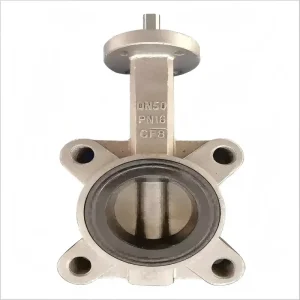
Wholesale Semi Lug Butterfly Valve - Durable & Versatile Flow Control Manufacturers, Manufacturer
View Specifications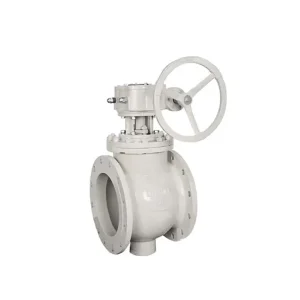
CE Certification High - Pressure Eccentric Plug Valve for Oil and Gas Supplier, Manufacturer
View Specifications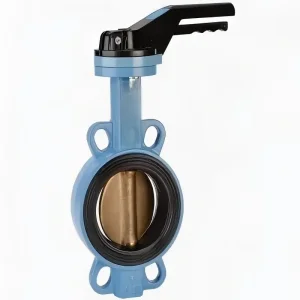
CE Certification Bronze Disc Wafer Butterfly Valve - Durable & Efficient Manufacturers, Factory
View Specifications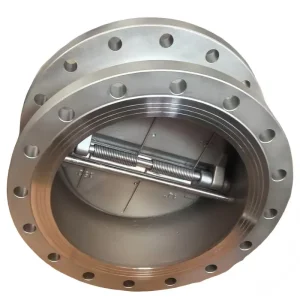
CE Certification Compact Low-Pressure Drop Wafer Lift Check Valve Supplier, Factories
View Specifications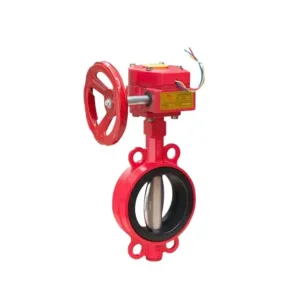
Wholesale Fire-Fighting Wafer Signal Butterfly Valve Supplier, Factory
View Specifications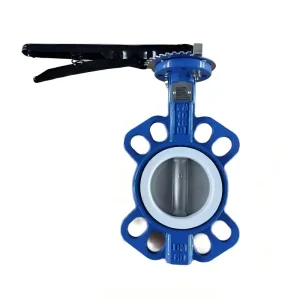
Wholesale PTFE Lined Cast Body Butterfly Valve Suppliers, Factory
View Specifications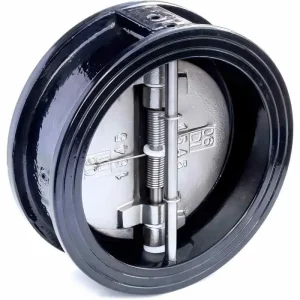
High-Quality High-Quality Wafer Check Valve for Secure Fluid Control Suppliers, Factories
View Specifications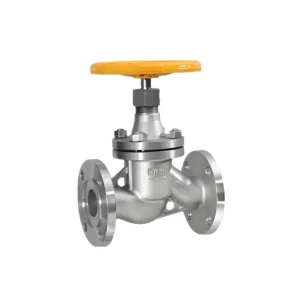
Wholesale Straight-Through Ammonia Globe Valve Manufacturers, Factory
View SpecificationsDirect Engineering Consultation & Global Tender Quotes
Partner directly with the premier Tianjin valve foundry & rubber vulcanization group. Get factory-direct pricing, 3D CAD models, certified EN 10204 3.1 material test reports, and custom flange drilling to match your international project specifications within 24 hours.
