
Factory-Engineered Manual & Automatic Isolation Valves
Direct foundry casting, precision CNC machining, and comprehensive pressure-leak testing according to EN 12266-1 Rate A zero-leakage standards.
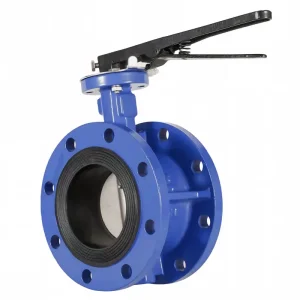
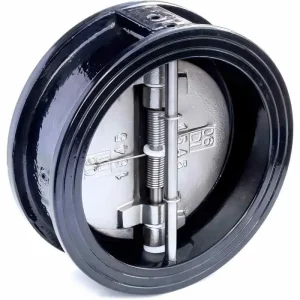
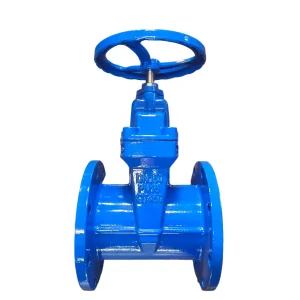
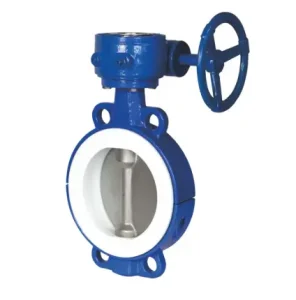
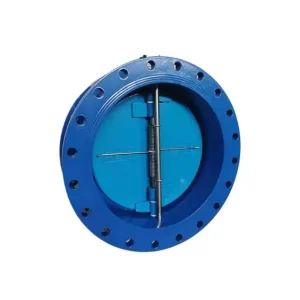
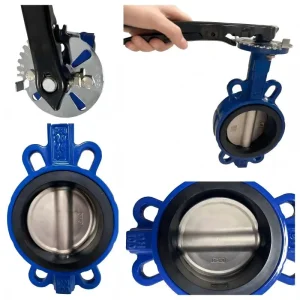
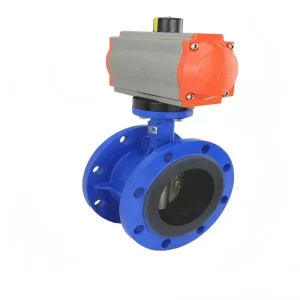
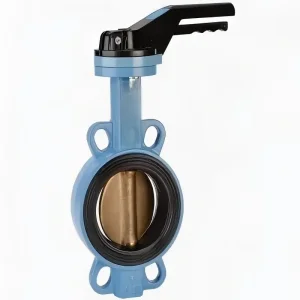
The Engineering Mechanics of Handle Manual Stainless Steel Butterfly Valves
A systematic analysis of torque distribution, elastomeric compression sets, austenitic metallurgy, and manual lever ergonomics under high differential pressure.
Quarter-Turn Lever Ergonomics & Disc Kinematics
In manual pipeline operation, mechanical efficiency is dictated by the precise interaction between the operator leverage, notched throttling plates, and disc rotational kinetics.
The handle manual stainless steel butterfly valve functions as a primary isolation and throttling device across utility, industrial, and maritime networks. Tianjin Top Automation Equipment Co., Ltd. (Tianjin Top Valve) engineers every manual handle assembly with an integrated 10-position notched quadrant plate. This mechanism prevents unintentional disc migration caused by dynamic hydrodynamic flow torque (drag forces).
The manual handle is forged from reinforced carbon steel with anti-corrosion zinc passivated plating, or precision cast in AISI 304/316 stainless steel for aggressive marine or offshore environments. The lever assembly incorporates a spring-assisted trigger lock that engages firmly into the notched quadrant plate at 10-degree increments. This affords pipeline operators instantaneous tactile verification of disc position while enabling precise throttling control across flow regimes.
For nominal diameters ranging from DN40 (1.5") up to DN200 (8"), the lever mechanism provides optimal mechanical advantage, keeping operating torque comfortably within standard manual operating force thresholds (≤ 250 N manual tangential force) in compliance with EN 12570 industrial valve operational guidelines.
Concentric Sealing Mechanics & Pinless Shaft Design
At the center of our stainless steel butterfly valve series is the concentric resilient seated design. In this configuration, the stainless steel disc and stem are positioned symmetrically within the elastomeric liner bore. Bi-directional sealing capability is achieved via controlled radial interference between the contoured, spherical disc edge and the resilient elastomeric seat.
Key kinematic characteristics engineered into our stainless assemblies include:
CE Certification, PED 2014/68/EU & Localized Compliance Assurance
Ensuring legal and technical conformity across European Economic Area (EEA) and global markets through rigorous notified body verification and full material traceability.
PED 2014/68/EU Module H Conformity
For process piping under pressure, the EU Pressure Equipment Directive (PED) dictates strict design, material verification, and testing parameters. Our handle manual stainless steel butterfly valves comply with Category I, II, and III equipment classifications under Module H (Full Quality Assurance), certified through accredited European Notified Bodies.
EN 10204 3.1 Traceability
Every cast stainless steel valve body (CF8/CF8M/CF3M) and internal stem is backed by an inspection certificate EN 10204 type 3.1. We log chemical spectrometry (C, Si, Mn, P, S, Cr, Ni, Mo) and mechanical tensile, yield, and Charpy impact values per production melt, ensuring uncompromised pressure boundary integrity.
WRAS Potable Water Certification
In municipal and building drinking water sectors, our vulcanized EPDM seats and disc coatings hold United Kingdom WRAS approvals (models 4020G, 4020L, 4325G, 4325L). Chemical leaching, cytotoxicity, and microbiological growth tests guarantee zero contamination in domestic potable networks.
| Regulatory Standard | Scope & Jurisdiction | Testing & Verification Protocol | Material & Sealing Parameters | Factory Certification Status |
|---|---|---|---|---|
| PED 2014/68/EU | European Union / Industrial Pressure Lines | Hydrostatic shell 1.5x PN; Seat 1.1x PN (EN 12266-1) | Austenitic SS (CF8M, 1.4408, 316), Duplex (1.4462) | CE Certified / Notified Body Audited |
| EN 593 / ISO 10631 | International Metallic Butterfly Valves | Face-to-face dimensions EN 558 Series 20; Flange EN 1092-1 | Standardized wafer, lug, and double flanged geometry | Fully Standardized & Verified |
| WRAS Approval | United Kingdom & Commonwealth Water Boards | BS 6920 hot/cold water organoleptic and toxicity tests | Proprietary EPDM formula vulcanized since 1987 | Approved (4020/4325 Models) |
| ISO 5211 | Global Actuator Attachment Interface | Top flange bolt circle, driving shaft dimension & keyway | Direct mounting for levers, worm gears, actuators | Universal Direct Mount |
| ISO 15848-1 | Fugitive Emissions Control | Helium sniffer stem packing leakage classification BH | PTFE V-ring chevron packing & double O-ring stem barriers | Compliance Verified |
China Factory Vertical Integration: The True Determinant of Valve Longevity
Why controlling the foundry melting floor and rubber vulcanization chemistry on a single 23,000 m² campus eliminates supplier-to-supplier quality discrepancies.
The Group Heritage: Foundry & Rubber Chemistry
In butterfly valve manufacturing, the elastomer seat represents over 85% of premature field failure risks. Our integrated manufacturing infrastructure completely mitigates this vulnerability.
Tianjin Top Automation Equipment Co., Ltd. operates in the Wuxia Industrial Park, Dongli District, Tianjin. Our corporate heritage combines two industrial pillars: Tianjin Donglian Valve Factory (established in 1996) and Tianjin Dongfang Rubber Factory (operating continuously since 1987).
Most commercial valve assembly factories operate as simple packing workshops: they source raw castings from third-party artisanal foundries and purchase cheap generic rubber liners from decentralized suppliers. When seats peel, deform under heat, or suffer compression set failure, neither subcontractor accepts accountability.
At our facility, the raw rubber polymers—EPDM, Nitrile (NBR), Viton (FKM), and Virgin PTFE—are formulated, compounded, milled, and cured within our own rubber plant. We precisely regulate carbon black dispersion, plasticizer ratios, and curing vulcanization temperatures to ensure our valve liners exhibit extraordinary memory retention, minimal swelling in hydrocarbon media, and superior resistance to chemical erosion.
Direct Foundry Metallurgy & CNC Center
Parallel to our rubber synthesis, our independent casting foundry pours precision stainless steel (ASTM A351 CF8, CF8M, CF3M), duplex alloys, and ductile iron. Having direct metallurgic control on site allows immediate optical emission spectrometry (OES) analysis of every ladle prior to casting.
This vertical integration delivers direct strategic advantages to international EPC contractors and wholesale distributors:
- Zero Trading Intermediary Markup: Direct factory sales eliminate middleman trading fees, translating to a 15–28% procurement cost reduction for major infrastructure frameworks.
- Complete Batch Integrity: If an engineering project requires 2,500 manual stainless butterfly valves across varying DN sizes, all bodies, discs, and stems share homogeneous metallurgy and thermal expansion coefficients.
- Accelerated Lead Times: Casting, machining, vulcanizing, assembly, and 100% hydrostatic testing take place under one roof, reducing production turnaround times by 30% compared to fragmented assembly networks.
- Logistical Proximity: Located minutes from Tianjin Port (Northern China's largest maritime freight hub), shipping transit delays are systematically minimized.
Material Science: Selecting Disc, Body & Liner Configurations
Engineered to withstand abrasive slurries, high chlorides, corrosive acids, and potable hygiene requirements.
Austenitic Stainless (CF8 / CF8M)
CF8 (304) & CF8M (316): Ideal for demineralized water, industrial wastewater, cooling systems, and general chemical pipelines. The 2-3% molybdenum addition in CF8M provides high pitting resistance against moderate chloride solutions (PREN ≈ 23-25).
Duplex Stainless Steel (2205 / 2507)
Ferritic-Austenitic Duplex: Provides extreme tensile yield strength (≥ 450 MPa) and exceptional resistance to stress corrosion cracking in high-temperature seawater, marine scrubber discharge, and high-salinity brine desalination loops (PREN > 35).
PTFE Lined & Ceramic Disc
Severe Chemical & Abrasive Service: Pure Virgin PTFE / PFA liners shield the valve body against boiling sulfuric, hydrochloric, and nitric acids. For mining tailings and flue gas desulfurization (FGD), high-purity structural ceramic discs eliminate abrasive erosion.
| Elastomer / Liner Type | Continuous Temp Range | Recommended Flow Media | Incompatible Media | Durometer Shore A |
|---|---|---|---|---|
| EPDM (Food Grade / WRAS) | -25°C to +135°C | Potable water, glycol HVAC chillers, dilute alkaline fluids | Petroleum oils, aromatic hydrocarbons, concentrated acids | 70 ± 5 Shore A |
| NBR (Nitrile Butadiene) | -20°C to +90°C | Fuel oils, lubricating oils, compressed air, oily wastewater | Ozone, ketones, chlorinated solvents, automotive brake fluid | 75 ± 5 Shore A |
| FKM (Viton® Fluoroelastomer) | -15°C to +200°C | Hot hydrocarbons, aromatic solvents, hydraulic fluids, diesel | Low molecular organic acids, steam, amines, ammonia | 75 ± 5 Shore A |
| PTFE (Polytetrafluoroethylene) | -40°C to +180°C | Ultrapure chemicals, aggressive acids, chlorine, pharma fluid | Molten alkali metals, fluorine gas at elevated pressure | 55 ± 5 Shore D |
Worldwide Deployment: Mission-Critical Operating Scenarios
Real-world engineering implementations where manual stainless butterfly valves deliver uncompromised process isolation.
HVAC & District Cooling Stations
In high-density commercial towers and district energy networks, manual stainless wafer valves serve as maintenance balancing and isolation valves for chiller loops, cooling towers, and condenser manifolds. The stainless disc withstands scale accumulation, while low operating torque ensures prompt manual shutoff.
Desalination & Marine Ballast
Seawater reverse osmosis (SWRO) facilities and commercial ship ballast systems demand zero corrosion tolerance. Our CF8M and Super Duplex butterfly valves with bonded EPDM liners resist marine biofouling, cavitation pitting, and crevice attack in coastal environments across the Middle East, Europe, and Southeast Asia.
Specialty Chemicals & Pharmaceuticals
Where pipelines convey active reagents, organic solvents, or high-purity process rinses, our full stainless steel assemblies paired with Virgin PTFE seats prevent fluid discoloration, ion contamination, and chemical degradation, guaranteeing compliance with FDA and CE sanitary directives.
Technological Evolution in Industrial Manual Flow Control
Next-generation advancements bridging manual quarter-turn hardware with modern industrial digitization and decarbonization demands.
Smart Manual Digital Feedback
While actuated valves dominate automated loops, over 60% of plant valves remain manual. Modern industry is rapidly adopting compact, battery-powered IoT micro-switches integrated directly into manual handle quadrant plates. These sensors report open/closed status via LoRaWAN or WirelessHART back to the SCADA system, eliminating accidental manual line lockouts.
Low-Emission Fugitive Stem Sealing
Under tightening environmental regulations (such as EPA Method 21 and European Net-Zero directives), valve packing emissions are strictly controlled. Tianjin Top Valve utilizes live-loaded multi-ring chevron PTFE seals and secondary Viton O-rings to achieve ISO 15848-1 Class BH leakage rates below 10−4 mg/(s·m) along the valve stem.
PFAS-Free Green Elastomerics
With impending global regulatory bans on per- and polyfluoroalkyl substances (PFAS), our physical and chemical laboratory is pioneering sulfur-cured, ultra-pure EPDM compounds and biodegradable fluoroelastomer alternatives that maintain chemical inertness while meeting environmental mandates.
Frequently Asked Questions: Technical, Quality & Procurement Specifications
Exhaustive technical guidance addressing the common challenges encountered by engineering consultants, QA managers, and EPC buyers.
How does CE certification under PED 2014/68/EU apply to manual butterfly valves?
Under the Pressure Equipment Directive (PED 2014/68/EU), manual valves are classified based on nominal diameter (DN), maximum allowable pressure (PS), and fluid group (Group 1 hazardous or Group 2 non-hazardous). Valves DN32 and below typically fall under Sound Engineering Practice (SEP). From DN40 upwards, CE marking becomes mandatory (Category I to III). Our valves undergo Module H compliance, meaning the entire design, material verification, casting, machining, and hydrostatic pressure testing procedures are certified by an EU Notified Body.
When should an engineer specify a manual handle versus a worm gear operator?
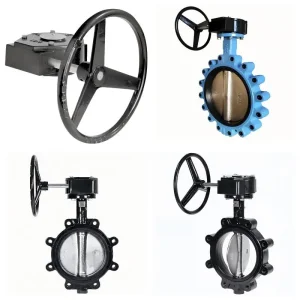
As an engineering rule of thumb, manual levers (handles) are specified for sizes DN40 through DN150 (up to DN200 under low differential pressure ≤ 10 bar). Above DN200, the hydrodynamic seating and unseating torques exceed safe manual force guidelines (EN 12570 limit of ≤ 250 N). For diameters > DN200, or in high-velocity throttling services where water hammer risks exist, a self-locking worm gear operator with handwheel must be specified to provide mechanical torque multiplication and prevent rapid slam-shutting.
What is the practical difference between Wafer and Lug butterfly valve bodies?
Wafer style bodies feature smooth through-holes or guide lugs designed to be sandwiched between pipeline flanges using long studs. They are lightweight, compact, and cost-efficient. Lug style bodies have threaded or through-bolted lugs matching the flange bolt pattern. Critically, lug valves can be bolted directly to the pipeline ends for dead-end service, allowing downstream pipe dismantling while maintaining upstream pressure—a capability wafer valves cannot safely perform.
How does in-house rubber manufacturing improve valve operational life?
Most valve factories purchase third-party rubber seats, which frequently suffer from uneven curing, poor elastic recovery, and plasticizer migration. Our group operates Tianjin Dongfang Rubber Factory (founded 1987). We control polymer compounding, carbon black dispersion, and vulcanization curves in-house. This ensures our EPDM and NBR seats retain low compression set characteristics (≤ 20% after 1,000 thermal cycles), preventing seat cracking, hardening, and circumferential seal blowout.
Are your manual butterfly valves suitable for throttling or strictly on/off service?
Concentric resilient seated butterfly valves are engineered primarily for zero-leakage isolation (on/off service). However, our 10-position notched quadrant handle allows regulated throttling between 20° and 70° of disc opening. Throttling below 15° is discouraged as high localized fluid velocities induce severe turbulence, cavitation, and seat erosion. For linear throttling applications, we recommend reviewing our characterized disc profiles or eccentric control valves.
Can the manual handle be removed and retrofitted with an actuator later?
Yes. Every valve body manufactured by Tianjin Top Valve features an integral ISO 5211 top mounting pad (F05, F07, F10, F12) with a standardized stem drive (double-D or diagonal square). The manual lever and notched plate can be dismounted in the field within minutes without depressurizing the pipeline. Pneumatic actuators, electric quarter-turn actuators, or gearboxes can be bolted directly onto the ISO pad without customized bracket adapters.
What quality documentation accompanies an export valve shipment?
Every commercial export order includes an Inspection and Test Plan (ITP) dossier containing: EN 10204 Type 3.1 Mill Test Certificates for body, disc, and stem; hydrostatic shell and seat test reports (EN 12266-1 / API 598); rubber cure lot certificates; coating thickness DFT reports; Certificate of Origin; and an EU Declaration of Conformity bearing our CE mark and Notified Body identification number.
How does Tianjin Top Valve handle Third-Party Factory Audits (SGS, TUV, BV)?
We welcome third-party inspection agencies. Because casting, vulcanizing, machining, and testing all operate on our 23,000 m² Wuxia Industrial Park site, inspectors can audit raw material stockpiles, spectrographic analysis, CNC dimensional checks, hydrostatic test benches, and packaging crates within a single day. Virtual live-stream video audits are also supported for international clients.
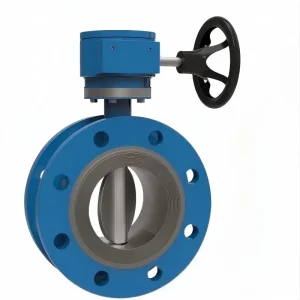
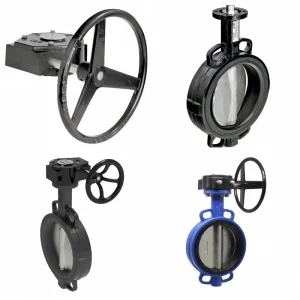
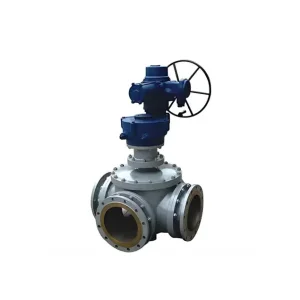
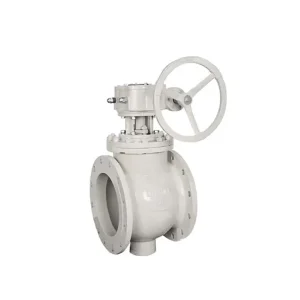
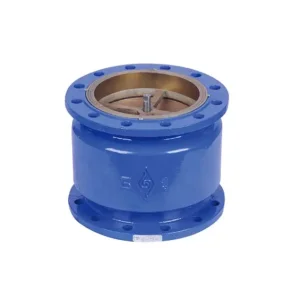
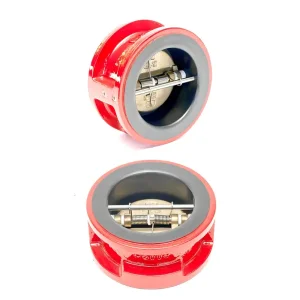
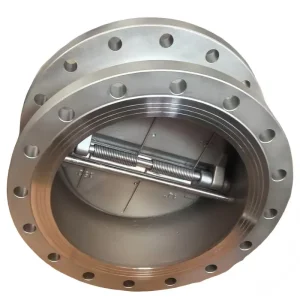
Specialized Flow Isolation & Non-Return Valve Assemblies
Engineered for potable water distribution, heavy industrial plants, high-pressure gas pipelines, and wastewater networks.
Direct Engineering Sourcing & Mill Audits
Connect directly with our chief valve engineers in Tianjin, China. Request full CAD drawings, 3D STEP models, customized face-to-face designs, or book a live remote video walkthrough of our foundry and rubber compounding facilities.
Technical RFQ Desk: [email protected] • Phone / WhatsApp: +86 195 0199 8923
