
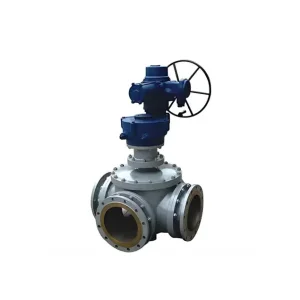
Precision Engineering Fleet
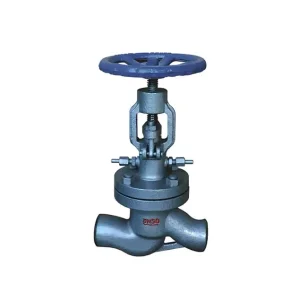
Primary Industrial & Chemical Process Valve Solutions
Engineered to international safety baselines including CE-PED, EN 13709, and ASME B16.34 standards. Every unit is 100% shell and hydrostatic leakage tested before batch dispatch.
Chemical Engineering Outlook
Global Chemical Processing & Globe Valve Engineering Evolution
Addressing the shifting paradigm from basic isolation to hermetic containment, high-resolution linear flow throttling, and mandatory emissions abatement across European and North American plants.
ISO 15848 & TA-Luft Zero Leakage
Modern petrochemical and pharmaceutical synthesize operations demand uncompromising fugitive emission containment. Chemical industry used globe valves increasingly incorporate multi-ply metallic bellows seals with secondary graphite safety packings to achieve helium mass-spectrometer tested Class AH tightness, nullifying toxic organic volatile gas emissions.
Advanced Metallurgy for Acid Corrosives
Standard CF8M stainless steel no longer suffices for concentrated nitric, sulfuric, or hydrofluoric acid circuits. Engineering designs mandate high-nickel superalloys such as Hastelloy C-276, Monel 400, Inconel 625, and Duplex 2205/2507, alongside full PFA/PTFE fluoropolymer cavity encapsulation ensuring resilient acid barrier life cycles.
Cavitation Control & Micro-Throttling
Unlike quarter-turn ball valves, globe valves provide exceptional linear throttling accuracy. In chemical reactor feeds, parabolic plug trims and multi-stage perforated cages minimize acoustic velocity, suppress cavitation flash-off, and provide precise Cv management under steep differential pressure (Delta P) gradients.
Technical Procurement Audit
Enterprise Procurement Criteria for Chemical Globe Valves
Global EPC contractors and chemical facility managers enforce stringent inspection protocols prior to issuing vendor approval lists (AVL). Review critical verification benchmarks below.
| Evaluation Parameter | Standard Chemical Baseline | High-Hazard / Toxic Chemical Spec | Tianjin Top Valve Quality Assurance |
|---|---|---|---|
| Regulatory CE PED | Category I/II Module A2 | Category III/IV Module H (Full QA) | Full CE PED 2014/68/EU certification for pressurized chemical fluid transport across the EU single market. |
| Stem Sealing Barrier | PTFE V-Rings / Die-formed Graphite | Multi-ply Bellows + Lantern Ring / Sniffer Port | 10,000-cycle life-tested Hastelloy/316L bellows welded under inert vacuum, backed with secondary graphite seal. |
| Casting & NDT Audit | Visual (MSS-SP-55) + 10% Hydro | 100% RT / PT / UT according to ASME B16.34 | Group-owned foundry conducting chemical spectrographic analysis, wall thickness mapping, and physical dye tests. |
| Shut-Off Tightness | EN 12266-1 Rate B / ANSI Class IV | EN 12266-1 Rate A (Bubble-Tight) / Class VI | Stellite No. 6 hardfaced seat overlay and micro-lapped parabolic plugs delivering zero measurable gas bubbles. |
| Traceability & MTRs | EN 10204 3.1 Material Certificate | EN 10204 3.2 Third-Party Witness (DNV/TÜV) | Heat-number stamped bodies and bonnets linking directly to digital archive heat analysis and impact testing data. |
Smart Manufacturing 4.0
China Industry 4.0: Supply Chain Resilience & Foundry Integration
How Tianjin Top Valve eliminates third-party dependencies through an uncompromised vertically integrated manufacturing campus spanning raw melting to final hydro-testing.
1987
Elastomer Compounding Roots
23,000 m²
Integrated Factory Footprint
100%
Independent Hydro & Seat Tested
50+
Countries Supplied Direct
In-House Foundry & Metallurgy
By operating our dedicated high-precision foundry, we bypass standard supply-chain delays for specialty ductile iron, WCB carbon steel, and CF8/CF8M stainless castings. Molten steel chemistry is strictly verified via optical emission spectrometers to guarantee low-carbon chemistry that mitigates intergranular corrosion.
5-Axis CNC Machining Accuracy
Chemical globe valve reliability hinges on precise stem-to-seat coaxiality. Our temperature-controlled CNC centers machine flange finishes (serrated concentric or spiral grooved), stem thread profiles, and seating surfaces within micro-tolerances, eliminating valve binding and torque spikes during thermal cycles.
Port Logistics & Lead-Time Control
Located in the Wuxia Industrial Park, Dongli District, Tianjin, our operations benefit from direct expressway freight access to Tianjin Port—Northern China's largest maritime gateway. This proximity shortens European, Southeast Asian, and Middle Eastern EPC project shipping windows by 10 to 14 days.
Field Deployments
Specialized Chemical Operating Scenarios
Field installations where chemical globe valves provide mission-critical boundary isolation, high pressure containment, and zero tolerance for process contamination.
Chlor-Alkali & Wet Chlorine
Dry and wet chlorine transmission lines represent catastrophic hazards. Globe valves utilized here require non-porous Monel or Hastelloy trim combined with strict oil-free degreasing protocols (conforming to CGA G-4.1) and bellows isolation to avert violent exothermic degradation.
Polymer & Resins Synthesis
Monomer feed pipelines demand non-clogging seat dynamics and high-cycling resilience. Hardfaced Stellite or ceramic seat trims resist mechanical wear from micro-particulates, while high-thrust electric actuators maintain micro-metering repeatability under thermal swings.
Ammonia & Cryo-Refrigeration
Chemical chilling circuits employing high-pressure liquid and vaporous ammonia require specialized bonnet extensions, low-temperature impact-tested impact-resistant cast steels, and elastomeric or lead-bronze soft seating that guarantees bubble-tight shutoff down to -40°C.
Corrosive Condensate & Steam
Auxiliary boiler and heat exchanger lines in chemical parks process high-temperature steam recovery. High-pressure cast/forged globe valves handle violent steam water-hammer cycles without seat erosion or packing degasification.
Comprehensive Flow Portfolio
High-Performance Isolation, Throttling & Non-Return Inventory
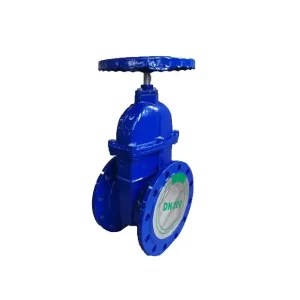
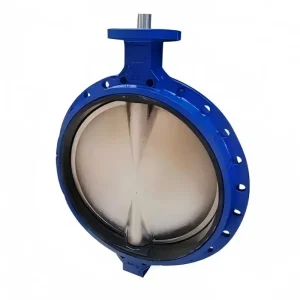
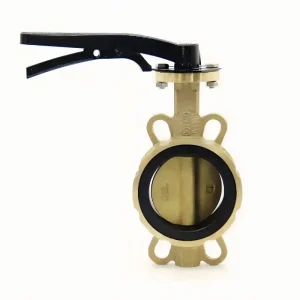
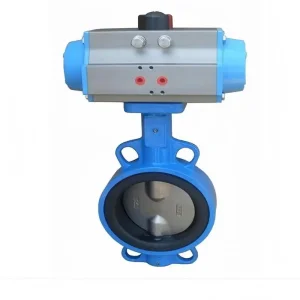
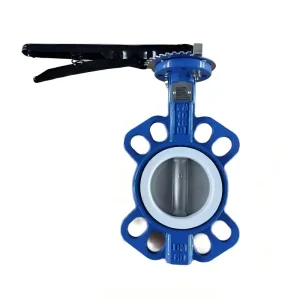
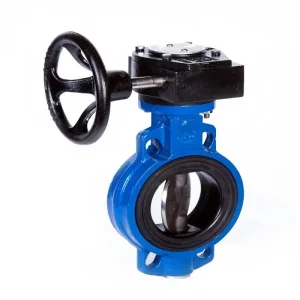
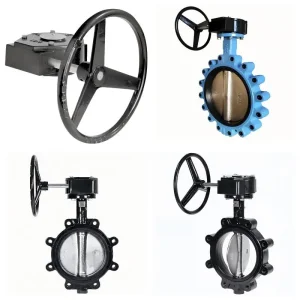
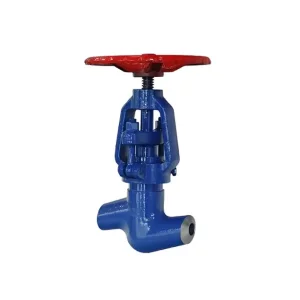
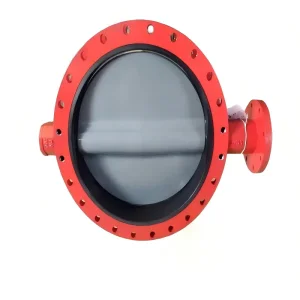
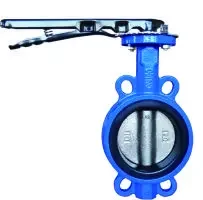
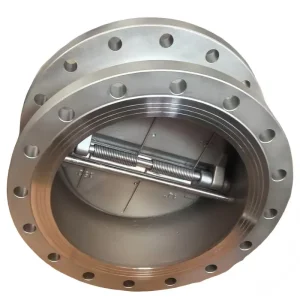
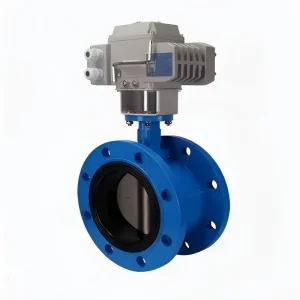
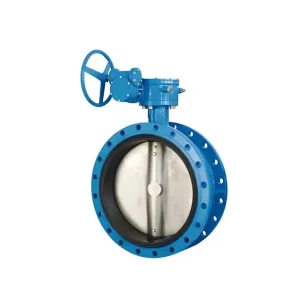
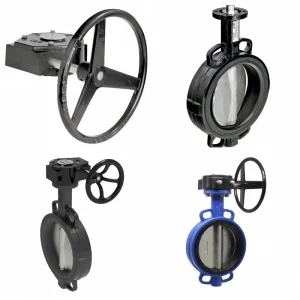
Explore our complete manufacturing series spanning WRAS approved potable drinking water units, chemical-resistant high performance butterfly valves, and heavy-duty check valves.
Engineering Clarifications
Frequently Asked Questions on Chemical Globe Valves & CE Marking
Direct technical answers addressing pressure equipment directives, bellows sealing mechanics, acid compatibility, and procurement QA protocols.
What specific requirements does the CE PED 2014/68/EU impose on chemical globe valves?
Under the European Pressure Equipment Directive (PED 2014/68/EU), valves intended for chemical services are classified based on the nature of the fluid (Group 1 Dangerous Fluids vs. Group 2 Non-dangerous), diameter (DN), and nominal pressure (PN). For toxic, flammable, or oxidizing chemical media (Group 1), valves falling under Category II, III, or IV mandate strict third-party Notified Body conformity assessments (e.g., Module H). Compliance requires documented material traceability (EN 10204 3.1 or 3.2 inspection certificates), verified weld procedures (WPS/PQR), non-destructive testing (NDT), and permanent CE and traceability stamping on the pressure-retaining body.
Why choose a bellows seal globe valve over conventional gland packing in chemical pipelines?
Conventional gland packings rely on compressive mechanical force around the moving stem. Over time, friction, stem cycling, and thermal fluctuations cause packing relaxation, generating fugitive emissions. In contrast, a bellows seal globe valve creates a flexible, metallic hermetic containment barrier welded between the moving valve stem and the stationary bonnet. This completely isolates the volatile, hazardous, or toxic process fluid from the atmosphere, delivering a maintenance-free seal complying with ISO 15848-1 Class A and German TA-Luft emission limits.
How does plug trim design affect throttling efficiency and valve lifespan?
Unlike on/off flat disc designs, chemical throttling globe valves feature contoured parabolic or needle plugs. A linear or equal percentage trim profile governs the flow rate proportionally relative to stem travel lift, avoiding abrupt flow surges that can disturb exothermic chemical reactions. Furthermore, in high-pressure drop service, specialized trims with Stellite hardfacing or multi-hole balanced cages disperse fluid kinetic energy, suppressing cavitation, flashing, and vibration that could otherwise destroy downstream pipe runs.
What materials are recommended for handling aggressive acids and caustic alkali fluids?
For oxidizing acids (such as nitric acid), austenitic stainless steels like CF8 (304) and CF8M (316) offer cost-effective longevity. For reducing environments (such as hydrochloric or hydrofluoric acid), standard stainless steel rapidly pits; specifications require Nickel alloys such as Hastelloy C-276, Alloy 20, or Monel. Alternatively, for low-pressure corrosive duties up to 150°C, ductile iron bodies lined with virgin PFA, FEP, or PTFE provide comprehensive inert chemical protection at a fraction of high-nickel alloy expenditures.
How does vertical factory integration safeguard casting integrity and chemical alloy chemistry?
When valve manufacturers outsource castings to third-party merchant foundries, chemical variations (such as elevated carbon content inducing carbide precipitation and intergranular corrosion) frequently pass unnoticed. At Tianjin Top Valve, our group-owned casting facility allows real-time spectrographic monitoring of molten batch chemistries. Heat numbers are directly tracked to physical mechanical pull-bars, and hydrostatic testing verifies structural homogeneity, ensuring zero porosity, shrinkage cavities, or casting inclusion defects prior to CNC finishing.
