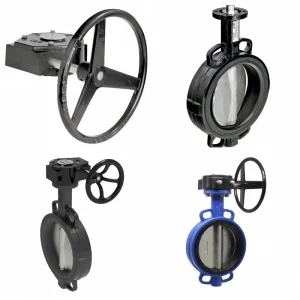
Direct Factory Inventory
High-Pressure Valve Portfolio & Industrial Production Range
Manufactured under strict ISO 9001 and API QA protocols, our in-house facility supplies international energy contractors and chemical operators with verified precision components.
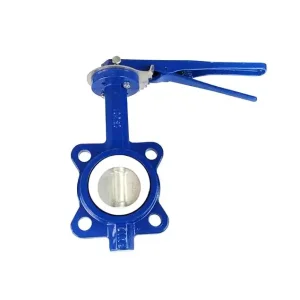
Wholesale Wafer Butterfly Valve - Durable Flow Control
View Engineering Specs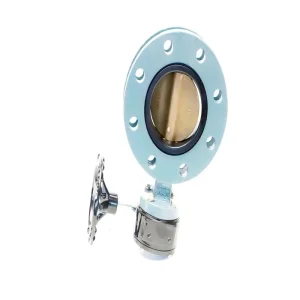
CE/ISO/DIN/BS High Pressure Metal Seal Butterfly Valve
View Engineering Specs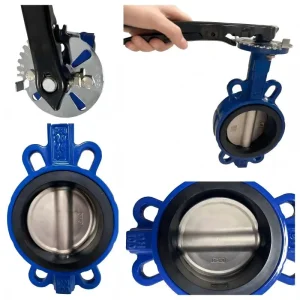
WRAS Approved High-Performance Butterfly Valve 4020L
View Engineering Specs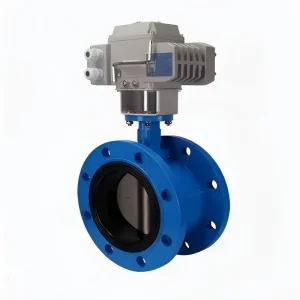
High-Performance Electrical Actuated Butterfly Valve
View Engineering Specs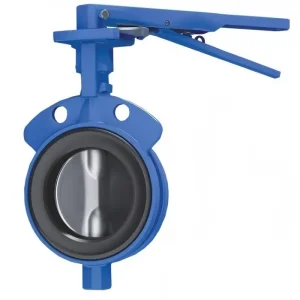
Durable EPDM Lining Corrosion-Resistant Butterfly Valve
View Engineering Specs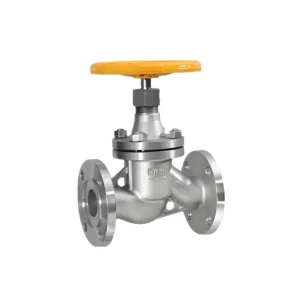
Wholesale Straight-Through Ammonia Refrigeration Globe Valve
View Engineering Specs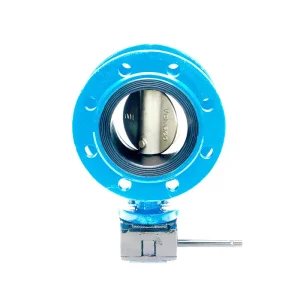
Marine Flange Type Manual-Operated Butterfly Valve
View Engineering SpecsAPI 6D
Pipeline Specification
Class 2500
Max Pressure Rating
Zero
Fugitive Emission Target (ISO 15848-1)
100%
In-House Hydro & NDT Tested
Metallurgical Engineering
WCB Metallurgy, Valve Body Design & Sealing Architectures
ASTM A216 Grade WCB (Wrought Carbon Base) carbon steel forms the fundamental foundation for severe industrial isolation. Understanding its tensile dynamics, grain structure normalization, and boundary lubrication separates true high-pressure manufacturers from assembly shops.
ASTM A216 WCB Cast Integrity
WCB grade features nominal tensile strengths of 485–655 MPa and a yield threshold of 250 MPa. In our independent group foundry, molten charges undergo secondary refining to suppress sulfur (≤0.045%) and phosphorus (≤0.040%) segregation.
- Normalized at 890°C–910°C to refine ferrite-pearlite matrix
- Charpy V-Notch impact testing down to -29°C for low-temp service
- Radiographic testing (RT) conforming to ASME B16.34 Section 8
Pressure-Balanced Lubrication Dynamics
High-pressure plug valves utilize inverted tapered plugs loaded with hydraulic sealant injections. The dynamic sealant film eliminates metal galling and ensures bubble-tight shutoff (API 598 Rate A) even at differential pressures exceeding 420 bar.
- Upper and lower pressure balance channels to prevent plug locking
- In-situ sealant injection ports with dual ball check backflow barrier
- PTFE/Graphite hybrid dynamic packing gland configurations
Surface Treatments: ENP vs. Stellite
For aggressive hydrocarbon transmission containing entrained particulates and sour gas (H2S), plain carbon steel surfaces degrade rapidly. Top Valve implements precision cladding and surface hard-facing technologies directly in-house.
- Electroless Nickel Plating (ENP) 75μm thickness on plug faces
- Stellite No. 6 or Tungsten Carbide HVOF thermal spraying
- Superfinished plug taper ground to Ra < 0.2 μm for frictionless cycle life
Macro Industry Trends
Evolution of Global Procurement: ESG, Sour Gas & Severe Service
Procurement directors across North America, the Middle East, and Europe are transitioning from commoditized valve buying to verified lifecycle engineering. Here is what is driving procurement specifications in 2025–2030.
Methane Abatement & Fugitive Seals
With tightening EPA standards and EU Methane Directives, Class 1500–2500 plug valves require verified ISO 15848-1 AH class and API 641 fugitive emission compliance, reducing micro-leakage at stem packings to non-detectable levels.
NACE MR0175 / ISO 15156 Compliance
Unconventional shale fracturing and sour crude offshore exploration necessitate precise heat treatment to maintain WCB material hardness below 22 HRC, preventing sulfide stress cracking (SSC) and hydrogen embrittlement.
Hydraulic Fracturing & Slurry Duties
Frac manifolds demand rapid quarter-turn emergency isolation valves capable of handling high-velocity silica proppants under 15,000 psi pulsating heads without seat de-bonding or body cavity washouts.
Digital Smart Actuation Readiness
Procurement teams demand direct ISO 5211 top mounting flanges that integrate seamless intelligent pneumatic/electro-hydraulic quarter-turn actuators with Modbus/Profibus diagnostic capabilities.
Technical Verification
Engineering Specification Matrix: High-Pressure Plug Valves
Compare ASTM A216 WCB mechanical, pressure class, and sealing configurations against international standards for plant engineering and EPC pipeline designs.
| Design Parameter | Class 150 - 300 | Class 600 - 900 | Class 1500 - 2500 |
|---|---|---|---|
| Nominal Size Range | 1/2" to 24" (DN15 - DN600) | 1/2" to 16" (DN15 - DN400) | 1/2" to 12" (DN15 - DN300) |
| Hydrostatic Shell Test | 3.1 MPa / 7.8 MPa | 15.4 MPa / 23.2 MPa | 38.8 MPa / 64.6 MPa |
| High-Pressure Seat Test | 2.2 MPa / 5.7 MPa | 11.3 MPa / 17.0 MPa | 28.5 MPa / 47.4 MPa |
| Plug Sealing Structure | Sleeved PTFE / Elastomeric Lined | Pressure-Balanced Lubricated | Metal-to-Metal Hard-Faced Inverted |
| End Connections | ASME B16.5 RF / FF Flanged | RF / RTJ (Ring Type Joint) | RTJ / ASME B16.25 Butt-Weld |
| Temperature Spectrum | -29°C to +180°C (Elastomer/PTFE) | -29°C to +350°C (Synthetic Grease) | -46°C to +450°C (Graphite Packing) |
| Governing Design Standards | API 6D, API 599, ASME B16.34, ISO 14313, BS 5353, MSS-SP-78 | ||
Turnkey Integration
Macro Industry Solutions: Engineered for Critical Service
From deep-sea terminal operations to refining catalysts and mining tailings, our WCB high-pressure flow components deliver uncompromised shutoff under the world's most grueling operating environments.
Oil & Gas Gathering and Manifolds
Wellhead choke manifolds and separation skids face severe turbulence and two-phase hydrocarbon fluid flows containing sand. WCB plug valves prevent solids entrapment behind seating components, guaranteeing predictable operational torque.
- No dead cavity spaces where sediment can accumulate
- Bidirectional Class VI drop-tight sealing integrity
- Fire-safe tested to API 607 / ISO 10497 standards
Refining, Hydrotreating & Delayed Coking
High-temperature coker decoking water systems and FCC catalyst recovery units require extreme abrasion resistance. Hard-faced Stellite plugs resist erosive micro-gouging from airborne carbon particulates.
- Extended bonnet configurations for thermal protection
- Continuous purge flushing connection ports
- Zero thermal binding via tapered plug clearance adjustments
High-Pressure Slurry & Tailings Transport
Long-distance iron ore and bauxite slurry pipelines rapidly destroy gate and globe valve seats. The broad wiping action of an inverted WCB plug shears right through slurry deposits without seal scarring.
- Rubber and ceramic vulcanized liner capabilities
- Full circular round bore configurations for pigging operations
- Reduced pressure drop coefficient across high velocity fluid streams
Compliance & Reliability
Localized Support, Traceability & Certification Framework
Tianjin Top Automation Equipment ensures every valve is engineered with documented metallurgical pedigree, compliance paperwork, and rigorous post-delivery technical backing for global clients in over 50 countries.
EN 10204 3.1 Traceability Dossier
Each production batch includes a comprehensive documentation dossier that satisfies third-party inspection agencies like SGS, DNV, BV, and Lloyd's Register.
- Optical Emission Spectrometry (OES) chemical test records
- Tensile, yield, elongation, and Charpy impact certificates
- Magnetic particle (MPI) and Ultrasonic testing (UT) reports
Global Export Logistics from Tianjin Port
Located in the Wuxia Industrial Park, our plant is adjacent to Tianjin Port, one of Asia's primary maritime container hubs, guaranteeing predictable shipping schedules.
- Vapor Corrosion Inhibitor (VCI) anti-rust internal preservation
- Heavy-duty IPPC-stamped ISPM-15 export wooden crates
- Coordinated multimodal sea, rail, and air freight delivery
Direct Engineering Field Backing
Procurement teams bypass intermediary traders. You collaborate directly with factory valve design engineers possessing over three decades of in-house manufacturing experience.
- 24-hour turnaround on engineering CAD and 3D STEP models
- Torque calculation and actuator sizing validation
- Customized trim metallurgy for sour gas and corrosive fluids
Future-Proof Engineering
R&D Roadmap: Intelligent High-Pressure Flow Tech (2025–2030)
Continuous investment in automated foundry robotics, computational fluid dynamics (CFD), and real-time seal diagnostics keeps Top Valve at the bleeding edge of process control.
Hydrogen Infrastructure Validation
Pure hydrogen and high-ratio blend pipelines present unprecedented permeation challenges. Our R&D center is optimizing nano-composite polymeric seals and hydrogen-embrittlement resistant internal cladding.
IoT-Enabled Acoustic Seal Health
Integration of non-intrusive piezoelectric acoustic sensors in the valve body allows early detection of micro-leakage and automatic calculation of sealant depletion without line disruption.
Low-Emission Automated Testing Cells
Robotic helium mass spectrometry test chambers are expanding to test 100% of high-pressure plug and butterfly valve units, setting new industry benchmarks for fugitive emission zero-tolerance.
Procurement Knowledge Base
Frequently Asked Questions: High-Pressure WCB Plug Valves
Comprehensive engineering clarifications addressing operational parameters, design standards, and factory direct purchase logistics.
What gives WCB high pressure plug valves superior shutoff compared to standard ball or gate valves?
Unlike ball valves where line debris can lodge behind floating seats or gate valves vulnerable to seat pocket sedimentation, a plug valve utilizes an expansive conical sealing surface. In our pressure-balanced lubricated design, a high-pressure dynamic sealant film surrounds the tapered plug. This creates a continuous barrier that provides bubble-tight zero leakage (API 598 Rate A) while sealing surfaces remain shielded from direct fluid erosion during open flow.
Can your WCB plug valves handle sour gas service containing hydrogen sulfide (H2S)?
Yes. For sour hydrocarbon service, our foundry strictly manufactures WCB castings compliant with NACE MR0175 / ISO 15156. The castings undergo controlled post-weld heat treatment (PWHT) and stress relieving to restrict bulk hardness below 22 HRC. Furthermore, internal plugs are coated with Electroless Nickel Plating (ENP) or clad with Inconel 625 to prevent sulfide stress cracking and corrosion pitting.
How does your factory handle quality control from raw casting to finished valve?
Tianjin Top Valve operates as an integrated group with our own independent foundry and precision machining workshops. We execute a comprehensive 6-stage Quality Assurance program: 1) Molten spectrographic chemical analysis before pouring; 2) Post-cast non-destructive RT/UT/MT testing; 3) Multi-axis CNC machining of plug tapers within microns; 4) In-house compounding and testing of all elastomeric seals (heritage dating back to 1987); 5) 100% hydrostatic shell and high-pressure nitrogen seat leakage testing; and 6) Detailed EN 10204 3.1 inspection certification generation.
What are the typical lead times for custom or bulk OEM wholesale plug valve orders?
Because we control the upstream casting foundry and downstream assembly lines, standard Class 150 to Class 600 WCB plug valves ship in approximately 3 to 4 weeks. Engineered high-pressure Class 900 to Class 2500 valves with special trims (Stellite hardfacing, custom RTJ flange faces, or electric/pneumatic actuator integration) typically ship within 5 to 7 weeks, direct from our Tianjin manufacturing plant.
How does regular maintenance and sealant injection work in operating pipelines?
Our pressure-balanced lubricated plug valves are equipped with external giant button-head sealant injection fittings incorporating internal check valves. Maintenance personnel can re-energize the seat boundary layer while the pipeline is in full pressurized service using portable hydraulic grease guns. This restores zero-leakage sealing and lowers operating torque without any plant downtime or line depression.
Extended Factory Capabilities
Precision Flow Control: Gate, Butterfly & Specialized Assemblies
Explore our full manufacturing portfolio, engineered alongside our high-pressure plug valves to deliver complete project package compliance for international engineering projects.
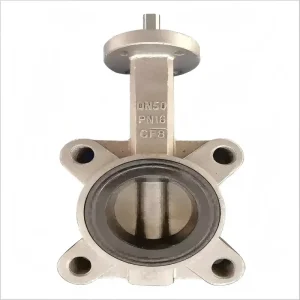
Semi Lug Butterfly Valve - Durable & Versatile
View Engineering Specs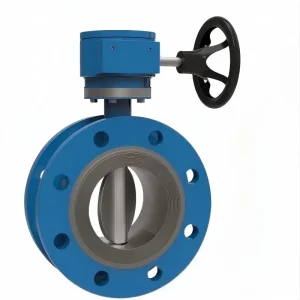
Flange Type Butterfly Valve - Industrial Flow Control
View Engineering Specs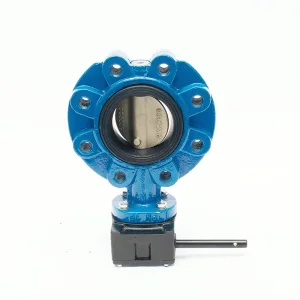
Marine Centric Lug Manual Butterfly Valve
View Engineering Specs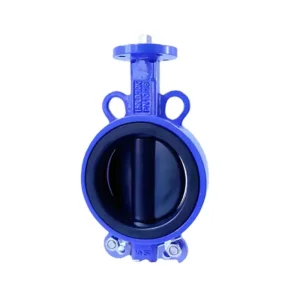
Halar Lined Pinless High-Resistance Butterfly Valve
View Engineering Specs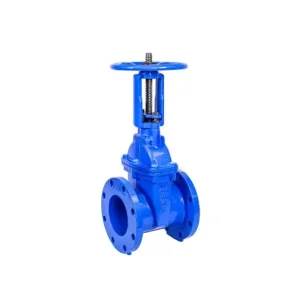
Rising Stem Resilient Seat Gate Valve (OS&Y)
View Engineering Specs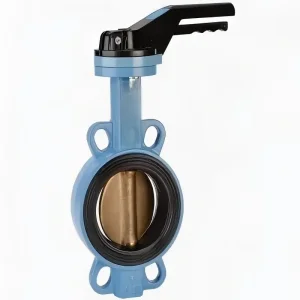
CE Certification Bronze Disc Wafer Butterfly Valve
View Engineering Specs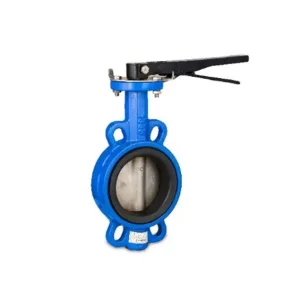
Rubber Lined Pinless Heavy-Duty Butterfly Valve
View Engineering Specs