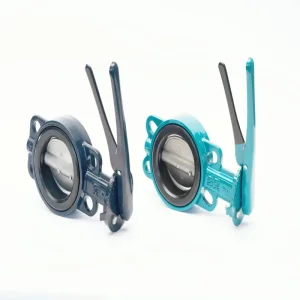
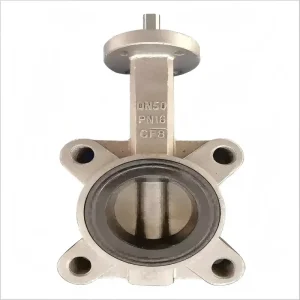
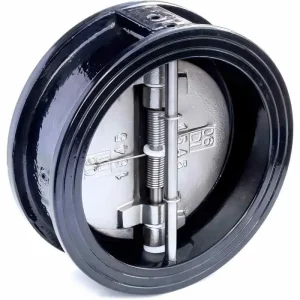
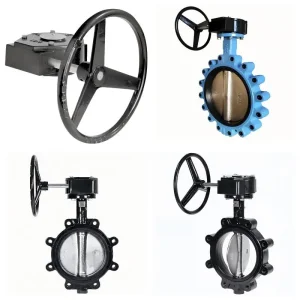
Factory Direct Valve Solutions – Priority Series (01–08)
Explore our industrial-grade resilient seated and flanged assemblies manufactured under strict factory QA standards.
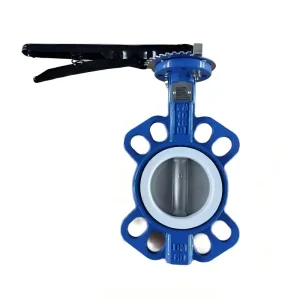
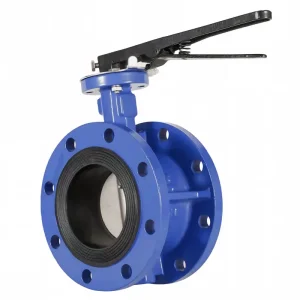
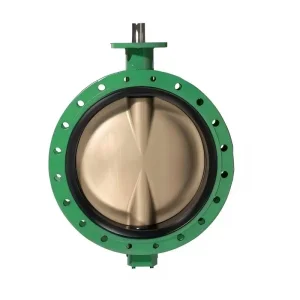
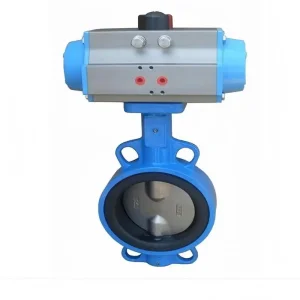
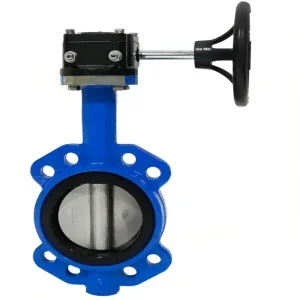
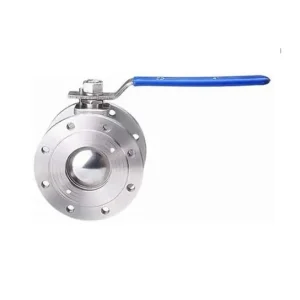
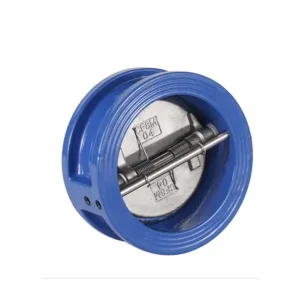
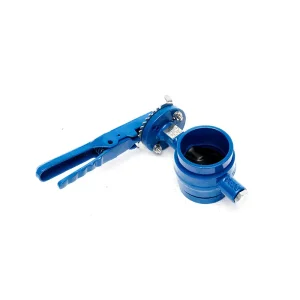
Engineering Architecture & Hydrodynamic Profile of Straight-Through Globe Valves
A rigorous examination of fluid mechanical properties, internal flow path design, and pressure containment dynamics for critical throttling duty.
In process piping systems where precise flow modulation and dependable isolation are paramount, the straight-through globe valve (commonly designated as the T-pattern or Z-body globe valve) remains the baseline benchmark across global engineering specifications. Unlike quarter-turn rotary devices such as butterfly or ball valves—which achieve rapid cut-off through radial disc translation—the straight-through globe valve relies on a linear-motion disc or plug moving perpendicular to the annular plane of the body seat ring.
This structural orientation produces a direct, proportional relationship between mechanical handwheel or actuator rotation and effective cross-sectional flow area. In our manufacturing facility at Tianjin Top Automation Equipment Co., Ltd., body geometries are modeled through Computational Fluid Dynamics (CFD) to analyze turbulence intensities, boundary layer shear stresses, and localized velocity spikes across the S-shaped internal chamber.
Optimized Seat Cavity Geometry
By refining the internal diaphragm angle and radius of the seat transitions, fluid separation zones are curbed. This prevents localized vapor cavity collapse (cavitation inception) and minimizes body wall erosion under saturated and superheated steam conditions.
Linear Stem Sealing Integrity
Equipped with precision-machined ACME or trapezoidal rising stem threads and dual lantern-ring gland packings. Stem finishes are burnished to Ra ≤ 0.4 μm to ensure compliance with low-emission fugitive containment standards (ISO 15848-1).
Trim Customization Spectrum
Plugs are engineered in parabolic, needle, perforated cage, and quick-opening styles. Hardfacing options include Stellite Gr. 6 weld overlays, nitrided stainless alloys, and Hastelloy overlays designed for abrasive slurry or cryogenic services.
Engineering Consensus: While standard gate valves excel in raw on/off isolation with negligible head loss, continuous operation at partial lift induces destructive seat chattering and wire-drawing. Straight-through globe valves absorb the full hydrodynamic differential across the plug-seat interface, making them the superior mechanical choice for manual or automated pressure reduction and flow pacing.
China Factory Resilience: In-House Foundry & Elastomer Science Since 1987
How four integrated factory facilities in Dongli District, Tianjin deliver unmatched quality traceability, zero trading-tier markups, and rapid global logistics.
Sourcing valves for international infrastructure contracts requires verifiable proof of operational resilience. Established in 2016 as the international automation and export arm of our manufacturing group in Tianjin, Tianjin Top Automation Equipment Co., Ltd. builds upon decades of industrial manufacturing depth.
Our core manufacturing advantage rests upon two sister plants operating within our consolidated supply network: Tianjin Dongfang Rubber Factory (founded in 1987) and Tianjin Donglian Valve Factory (founded in 1996). Unlike conventional assembly operations that source commercial unverified castings and third-party commercial rubber seals, our supply chain is 100% vertically integrated.
Vertical Integration Impact Factor
1. Foundry Precision: In-house casting of ductile iron (EN-GJS-400-15/500-7), cast steel (WCB, LCB, WC6, WC9), austenitic stainless steel (CF8, CF8M, CF3M), and nickel aluminum bronze (C95800) prevents subsurface porosity.
2. Sealing Longevity: With our rubber plant synthesizing custom EPDM, NBR, Viton, and PTFE formulations since 1987, elastomeric resilience, compression set resistance, and chemical compatibility are guaranteed under WRAS and drinking water criteria.
3. 100% Quality Assurance: Every single valve undergoes shell hydrostatic testing at 1.5× design pressure and seat leakage verification at 1.1× working pressure per ISO 5208 and API 598 before crating.
Global Industrial Landscape & Macro Procurement Realities
Analysis of international energy transition, district thermal infrastructure, and capital project spending dictating high-pressure globe valve demand.
The global industrial valve market is experiencing structural reconfiguration driven by decarbonization benchmarks, liquefied natural gas (LNG) expansion, and aging municipal fluid infrastructure across North America, Europe, and Asia. Engineering, Procurement, and Construction (EPC) contractors now enforce stringent Total Cost of Ownership (TCO) matrices over lowest-initial-bid evaluations.
In thermal power generation, district steam, and chemical refining, unintended valve downtime represents catastrophic plant shutdown costs. The straight-through globe valve serves as the workhorse of high-pressure utility tie-ins, turbine bypass loops, and boiler feedwater circuits. The shift toward higher operating temperatures (exceeding 450°C) and aggressive cyclical stresses demands forged and cast alloy bodies capable of resisting thermal fatigue, creep rupture, and stem packing degradation.
| Market Sector | Primary Valve Functional Role | Operating Pressure / Temp | Predominant Trim & Metallurgy | Compliance Standards |
|---|---|---|---|---|
| Thermal & Combined Cycle Power | Boiler blowdown, high-pressure steam bypass, turbine drains | ASME Cl. 600–2500 / Up to 560°C | ASTM A217 WC6/WC9, Stellite Gr.6 Hardfaced Trim | ASME B16.34, EN 13709, IBR |
| District Heating & HVAC Networks | Differential pressure modulation, substation balance | PN16–PN40 / -10°C to 200°C | Ductile Iron GGG40.3, WCB, EPDM/PTFE Soft Seats | EN 1092-2, DIN 3356, CE-PED |
| Petrochemical & Hydrocarbon Refining | Catalytic cracker feed, light hydrocarbon throttling | ASME Cl. 150–900 / -46°C to 400°C | ASTM A352 LCB, CF8M Stainless, Graphite Gland | API 623, API 602, ISO 15848-1 |
| Marine Shipbuilding & Offshore | Auxiliary steam, fuel oil bunkering, seawater cooling | PN10–PN25 / JIS 10K–20K | Nickel Aluminum Bronze (C95800), Monel Trim | DNV-GL, Lloyd’s Register, ABS, CE |
| Industrial Cryogenics & Ammonia | Refrigeration loop expansion, liquid ammonia storage | PN25–PN40 / -40°C to 120°C | Low-temp Carbon Steel, PTFE/RPTFE Cone Plugs | EN 12284, ASME B16.34 |
Localized Engineering Case Applications Across Global Terran Environments
Real-world implementation parameters tailored to municipal standards, ambient weather extremes, and distinct fluid chemistries.
Northern European District Energy Networks
Locale: Scandinavia, Baltic States, Germany.
Superheated water loops operating under cyclic load swings require valves that eliminate thermal shock cracking. Tianjin Top supplies straight-through globe valves with extended bellow-sealed bonnets and bellows hydro-formed from Inconel or 316Ti stainless steel, completely eliminating gland leakage during seasonal ramping.
Middle East High-Salinity Desalination Plants
Locale: UAE, Saudi Arabia (SWCC specs), Qatar.
High chloride concentrations and elevated ambient desert temperatures quickly corrode generic carbon steels. We supply flanged straight-through globe valves cast from ASTM B148 C95800 Nickel Aluminum Bronze with duplex 2205/2507 internal plugs, providing superior cavitation-erosion immunity in multi-stage flash (MSF) brine reject pipelines.
North American Petrochemical Corridors
Locale: US Gulf Coast, Alberta Oil Sands.
In refineries subjected to fugitive emissions audits by the EPA under Clean Air Act initiatives, our straight-through globe valves feature die-formed flexible graphite packing rings with braided anti-extrusion carbon fiber end rings, delivering fire-safe qualification (API 607) and helium fugitive emission rates under 50 ppmv.
Southeast Asian Potable Water Infrastructure
Locale: Vietnam, Indonesia, Philippines.
High humidity and corrosive tropical soils mandate heavy external corrosion protection. Our straight-through globe valves incorporate electrostatically applied fusion-bonded epoxy (FBE) coatings exceeding 250 μm thickness, certified for potable water safety without microbial leaching or VOC migration into municipal drinking water lines.
Technology Roadmap: Next-Generation Globe Valve Engineering
Bridging traditional heavy casting metallurgy with industrial Internet of Things (IIoT), additive anti-cavitation trim geometries, and strict carbon abatement standards.
Digitized Valve Performance & Smart Diagnostics
The industrial valve sector is progressing rapidly beyond static pressure containment into dynamic process feedback nodes. Tianjin Top’s research and engineering team is integrating smart piezo-electric stroke positioners and acoustic emission sensors directly into our straight-through globe valve yoke architectures.
These smart monitoring nodes compute real-time valve health indicators, detecting micro-leakage through the seat or stem packing well before atmospheric release occurs. Plant operators access predictive predictive maintenance curves, optimizing turnaround schedules and avoiding unscheduled outages.
Additive Manufacturing for Tortuous Path Trims
Under extreme differential pressures (ΔP > 50 bar), conventional single-seat plugs face devastating aerodynamic noise (>90 dBA) and flashing. Our engineering pipeline includes direct metal laser sintering (DMLS) 3D printing of multi-stage tortuous path labyrinth trim cartridges.
By forcing expanding gas or high-velocity fluid through a maze of right-angle turns, the kinetic energy is dissipated smoothly through controlled friction rather than sudden sonic expansion, eliminating destructive vibration across turbine bypass and boiler blowdown pipelines.
Zero Fugitive Emission Mandate
Full factory transition toward ISO 15848-1 Class AH compliance across all globe valve product lines, using live-loaded Belleville disc springs to maintain constant packing stress across 100,000 thermal cycles.
Advanced Superalloy Casting
Expanding in-house vacuum induction melting capabilities for exotic alloys including Inconel 625, Hastelloy C-276, Monel K-400, and Titanium Gr. 2 to support modern hydrogen economy and carbon capture (CCUS) pipelines.
Cloud-Integrated Digital Twins
Every serialized straight-through valve will carry a laser-etched QR code tying directly to 3D CAD models, material test reports (MTRs to EN 10204 3.1), hydrotest pressure charts, and real-time maintenance logs.
Engineering Compliance, Standards Mapping & Auditable QA Dossiers
Full regulatory alignment across American, European, British, and International industrial pressure equipment directives.
At Tianjin Top Automation Equipment Co., Ltd., product reliability is governed by certified, auditable quality management systems. Our factory operates under strict compliance with ISO 9001 (Quality Management), ISO 14001 (Environmental Management), and ISO 45001 (Occupational Health and Safety) standards, combined with European Union CE-PED (Pressure Equipment Directive 2014/68/EU) CE marking for European commercial entry.
| Regulatory Framework | Applicable Valve Standards | Scope of Engineering Compliance |
|---|---|---|
| American Standards (ASME / API) | ASME B16.34, API 623, API 602, ASME B16.10, ASME B16.5 | Pressure-temperature ratings, wall thickness calculations, face-to-face dimensions, flanged connection tolerances, and high-pressure fugitive packing standards. |
| European Standards (EN / DIN) | EN 13709, DIN 3356, EN 558, EN 1092-1, EN 12266-1 | Cast steel and cast iron globe valve wall integrity, metric face-to-face standards, metric PN ratings (PN10 through PN100), and pressure leakage test classifications. |
| Drinking Water & Public Health | WRAS (Water Regulations Approval Scheme), NSF/ANSI 61 | Non-metallic material testing, non-toxicity of compounded EPDM and silicone seat linings, absence of heavy metal leaching for potable urban utility installations. |
| Fire Safety & Fugitive Containment | API 607, ISO 10497, ISO 15848-1, TA-Luft (VDI 2440) | Post-burn external and internal leakage limits under high flame exposure, long-term packing emissions testing with mechanical stem cycling. |
| Material Traceability Dossier | EN 10204 Type 3.1 / 3.2 Certification | Batch heat chemistry, tensile and Charpy V-notch impact test reports, Positive Material Identification (PMI), Non-Destructive Testing (Radiography, Dye Penetrant, Magnetic Particle). |
Factory Audit Transparency: Prospective EPC clients and procurement directors are invited to conduct direct on-site vendor qualification audits at our Dongli District facility, or arrange live remote video audits examining casting shakeout, spectrometer testing, CNC bore milling, and final hydrostatic test bench certifications.
Engineering Questions & Procurement FAQ
In-depth technical clarifications addressing flow direction, cavitation management, seat construction, and factory capabilities.
How does fluid flow direction (under-the-plug vs. over-the-plug) affect straight-through globe valve selection?
In standard low-to-medium pressure installations (ASME Class 150/300, PN16/40), flow is typically directed under the plug (flow to open). This ensures that when the valve is closed, system pressure is isolated from the stem packing, preserving packing life and permitting field repacking under isolated conditions. Conversely, in high-pressure or superheated steam service (Class 600+), flow is frequently engineered over the plug (flow to close). This configuration utilizes process pressure to assist mechanical closure seating and prevents flashing or thermal chatter at minimal crack-open positions.
What engineering measures prevent wire-drawing and cavitation in high-differential globe valves?
Wire-drawing occurs when high-velocity fluid jets pass through small initial seat openings, cutting grooves into the sealing surfaces. We mitigate this through three metallurgical and geometric solutions: (1) Hardfacing the plug and integral or renewable seat ring with Stellite Gr. 6 cobalt-based alloy (minimum 1.6 mm deposit thickness); (2) Utilizing contoured parabolic plugs with characterized linear profiles that increase travel distance before full flow engagement; and (3) Implementing perforated multi-hole cage trims that partition the single large pressure drop into micro-jets, dissipating kinetic energy safely within the fluid core away from metallic walls.
Why is in-house elastomer synthesis critical for resilient seated valves?
Third-party commodity rubber seats often suffer from inconsistent carbon black compounding, variable curing temperatures, and high compression set, which leads to early seat leakage and plastic deformation. Because our group operates Tianjin Dongfang Rubber Factory (established in 1987), our engineers strictly govern monomer ratios, antioxidant stabilizers, and vulcanization dwell times. For potable water, our EPDM formulations are certified WRAS-compliant, completely free of volatile organic compounds and toxic plasticizers.
What documentation and traceability packages accompany wholesale project orders?
Every industrial valve shipment is accompanied by a comprehensive Quality Dossier. This includes EN 10204 3.1 Material Test Reports (covering chemical spectrometer analysis and mechanical yield/tensile/elongation tests), Hydrostatic Shell and Seat Pressure Test Certificates per API 598/ISO 5208, Coating Thickness Verification Reports, and Certificate of Origin documents. Third-party inspection reports (SGS, TÜV, BV, DNV) can be coordinated upon request.
How does direct factory procurement from Tianjin Top Valve lower project costs?
Procuring directly from our integrated manufacturing base eliminates intermediaries, commercial agents, and export brokers who inflate procurement costs by 15% to 35%. Furthermore, direct communication between contractor engineering teams and our manufacturing personnel eliminates technical specification errors, shortens custom flange drilling lead times, and guarantees prompt delivery via our proximity to Tianjin Port.
Factory Direct Valve Solutions – Priority Series (09–16)
Advanced check, lug butterfly, and high-performance flow control valves designed for municipal, marine, and process networks.