Production Showcase Part I
High-Integrity Quarter-Turn & Wafer Valve Portfolio
Direct-from-factory wholesale valve engineering. Complete precision casting, machining, and sealing control for global OEM pipelines.
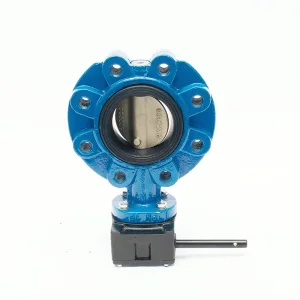
High-Quality Marine Centric Lug type manual operated butterfly valve Manufacturers, Factory
Explore Specifications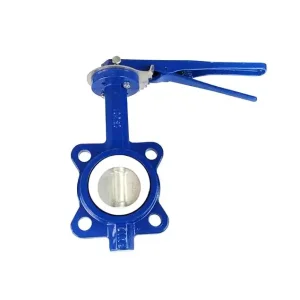
High-Quality PTFE Lined Pinless Butterfly Valve Supplier, Factories
Explore Specifications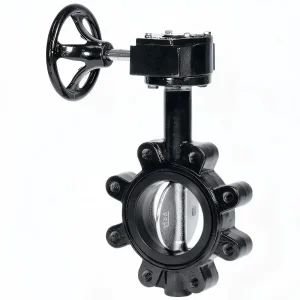
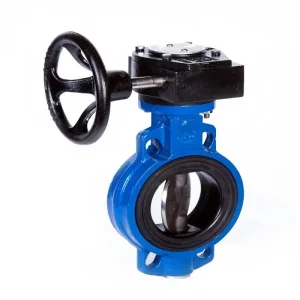
CE Certification Gear Operated Butterfly Valve - Durable & Reliable Supplier Supplier, Factory
Explore Specifications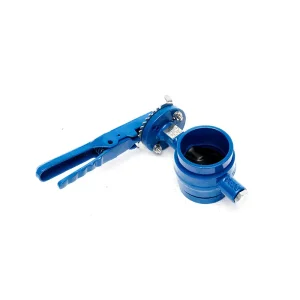
High-Quality Grooved Type Manual Butterfly Valve Suppliers, Manufacturers
Explore Specifications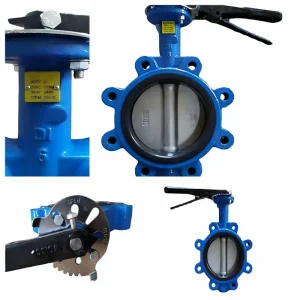
High-Quality WRAS Approved Butterfly Valve Lug Type 4325L Manufacturer, Factories
Explore Specifications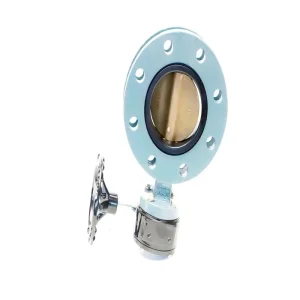
Wholesale CE/ISO/DIN/BS High Pressure Metal Seal Hard Seal Butterfly Valve Manufacturers, Manufacturer
Explore Specifications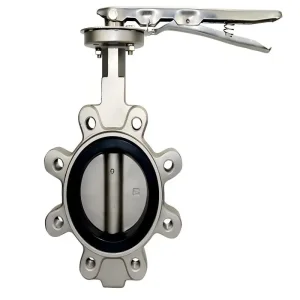
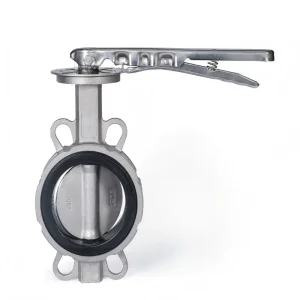
High-Quality LUG Stainless Steel Butterfly Valve - Durable & Reliable Supplier, Manufacturer
Explore Specifications
Engineering Authority
Defining the Ultra-Thin Wafer Ball Valve Standard
A technological synthesis of structural compactness, reduced thermal lag, and fluid dynamic integrity.
Wafer Short-Pattern Geometry
The stainless steel ultra-thin ball valve represents a critical shift from standard ASME B16.10 length-dimensions toward an ultra-short, sandwich-style wafer profile. By decreasing face-to-face dimensions by up to 73% relative to conventional flanged floating ball valves, structural weight on pipeline hangers is minimized, and dead space where stagnation occurs is virtually eliminated.
Advanced Metallurgical Integrity
Fabricated utilizing investment-cast (lost wax) Austenitic Stainless Steels—specifically CF8 (304), CF8M (316), and Ultra-Low Carbon CF3M (316L)—the body envelope eliminates micro-porosity. Designed to withstand mechanical deflection under elevated bolt-load stresses between companion flanges (EN 1092-1 PN16 to PN40; ASME Class 150/300).
Zero-Leakage Sealing Systems
Featuring micro-machined, spherically ground balls with surface roughness down to Ra 0.2μm, matched with virgin PTFE, modified R-PTFE, or PEEK compound seats. This guarantees bi-directional ISO 5208 Rate A sealing while dramatically reducing dynamic operational breakaway torque during automation cycling.
Global Deployments
Mission-Critical Localized Application Scenarios
Engineered to excel in spatial constraints where conventional piping layouts fail.
Compact Chemical Skids
In multi-stage dosing skids and fine chemical distribution lines, weight and lateral run-length determine modular frame sizing. The ultra-thin footprint facilitates modular block builds, direct-mounting of ISO 5211 actuators without cantilever stresses, and rapid washout procedures.
Biopharma & CIP/SIP Systems
Pharmaceutical clean utility sectors demand fluid containment with clean drainability. Stainless steel ultra-thin ball valves engineered with electro-polished fluid cavities (internal finishes < 0.4μm Ra) prevent media entrapment, allowing pure steam and cleaning media to sterilize seats seamlessly.
Marine & Offshore Topside Modules
Weight reduction translates directly to payload capacity on floating production vessels (FPSO) and merchant vessels. Resisting saline corrosion via 316/316L metallurgy, these wafer units serve inert gas systems, ballast air control, and fuel handling lines within restricted bulkhead spaces.
Cryogenic & Thermal Management
When outfitted with PCTFE seats and extended stems, the slim body minimizes cold-mass cooling time in industrial gas liquefaction setups (LOX, LIN, LAr). The thin body has minimal thermal inertia, reducing refrigeration boil-off losses during plant thermal transients.
Empirical Comparison
Technical Baseline: Standard Flanged vs. Ultra-Thin Ball Valves
Evaluating dimensional, operational, and lifecycle performance across identical DN50 (2-Inch) Class 150 nominal specifications.
| Performance Criterion | Standard Flanged Ball Valve (ASME B16.10) | Stainless Steel Ultra-Thin Wafer Valve (Top Valve Standard) | Engineering Benefit |
|---|---|---|---|
| Face-to-Face Dimension (DN50) | 178 mm (7.0 in) | 48 mm (1.89 in) | 73% reduction in pipeline linear footprint. |
| Overall Unit Weight | 10.2 kg (22.5 lbs) | 3.1 kg (6.8 lbs) | 69% weight abatement; lower pipe stress. |
| Stem Breakaway Torque (PN16) | ~35 N·m | 18 N·m | Allows smaller, energy-efficient actuators. |
| Fugitive Emissions Control | Traditional dynamic packing sets | Live-loaded Belleville conical seal stacks | Complies with ISO 15848-1 Class AH / TA-Luft. |
| Bolting Infrastructure | Standard multi-stud flanged pairing | Through-bolt / wafer clamping style | Faster installation; uniform gasket pressure. |
| Cavity Fluid Retention | Significant volumetric dead zones | Ultra-compact micro-cavity design | Prevents cross-contamination and crystallization. |
Manufacturing Ecosystem
China Factory Supply Chain Resilience & Process Superiority
Decoupled from third-party component bottlenecks via single-campus vertical manufacturing execution.
1987
In-House Elastomer Plant (Dongfang)
1996
Valve Foundry Operations (Donglian)
23,000m²
Integrated Production Campus
100%
Shell & Seat Hydrostatic Testing
Foundry-to-Bore Single Campus
Unlike trading entities or assemblers that source castings from unvetted regional foundries, Tianjin Top Valve controls the melt chemistry from induction furnace charging onward. Spectrometer-verified chemistry reports for Nickel, Chromium, and Molybdenum protect against intergranular corrosion in service.
Sub-Micron Machining Precision
Equipped with multiple 4-axis and 5-axis CNC multi-tasking centers, our production floor turns, bores, and finishes valve bodies and stems in single chucking setups. This removes cumulative eccentricity errors, guaranteeing uniform stem packing compression and friction-free rotation.
Tianjin Maritime Port Logistics
Located within the Wuxia Industrial Park in Tianjin, our logistics chain provides uninterrupted direct highway transit to Tianjin International Port. This geographic hub ensures rapid freight container loading, reliable vessel scheduling, and competitive ocean transit lead times to European, American, and Asia-Pacific ports.
Global Trends
Global Industrial Landscape & Modern Commercial Dynamics
Understanding macro-shifts in global fluid architecture toward decarbonization, process intensification, and modular footprint reduction.
Process Intensification & Skid Engineering
Across North American and European process industries, chemical plants are migrating from field-erected piping networks toward pre-commissioned, containerized process skids. The physical volume envelope of these skids dictates CAPEX costs. Ultra-thin ball valves empower EPC piping design teams to pack high-density manifolds, dual-block-and-bleed systems, and sample tap stations into minimal footprint modules.
Decarbonization & Fugitive Gas Abatement
Regulatory frameworks, including the EU Methane Emissions Regulation and the US Clean Air Act, impose strict financial penalties on industrial fugitive leakage. Traditional valves with loose stem packing tolerances account for the majority of industrial VOC leaks. The ultra-thin series integrates dual O-ring safety back-ups and live-loaded dynamic graphite/PTFE seals, providing validated leakage rates under 50 ppm.
Total Cost of Ownership (TCO) Rebalancing
While initial purchasing cost is an engineering variable, operational wear, pipeline vibration failure, and actuator replacement cycles constitute the bulk of industrial valve expenditures. The ultra-thin ball valve's lower rotational torque enables users to specify actuators one to two sizes smaller, lowering electrical and pneumatic power consumption across large plants.
Innovation Vision
Technical Roadmap: Future Materials & Digitalization
Developing next-generation valve solutions capable of handling extreme temperatures, hydrogen infrastructure, and smart IoT telemetry.
Advanced Polymeric & Ceramic Seats
R&D projects focus on solid carbon-fiber reinforced PEEK compounds and Diamond-Like Carbon (DLC) coated stainless steel internals. This hybrid combination will allow ultra-thin ball valves to operate reliably up to 320°C (608°F), expanding applications into superheated secondary steam systems without requiring heavy metal-to-metal seating profiles.
Hydrogen Infrastructure Adaptation
To address molecular hydrogen embrittlement and micro-permeability, metallurgical formulations are incorporating elevated Nickel levels (>12% in 316) along with ultra-low ferrite matrices. Paired with certified fire-safe testing per API 607 / ISO 10497, these valves will serve commercial H2 refueling stations and fuel-cell distribution lines.
IoT-Enabled Smart Position Monitoring
Direct-mount ISO 5211 top flanges now support integration with low-profile wireless telemetry modules. These sensors track operational cycle counts, travel time deviations, and packing temperature anomalies in real time, alerting maintenance managers to seal wear before unexpected leakage occurs.
Global Assurance
Localized Support, Verification & Compliance Assurance
Comprehensive international standard approvals, third-party inspection readiness, and engineering support for cross-border projects.
Mill Traceability & EN 10204 3.1 Certification
Every production batch shipped from our Tianjin works is accompanied by full chemical and physical test reports traceable back to the casting heat number. From tensile strength and yield metrics to Charpy V-notch impact testing at low temperatures, documentation aligns with stringent EPC procurement protocols.
CE/PED & Regional Harmonization
Engineered in full compliance with the European Pressure Equipment Directive 2014/68/EU (Module H), UKCA requirements, and international dimensional standards (ASME, EN, DIN, BS, JIS). Flange bolt drillings accommodate multiple international flange patterns, minimizing distributor inventory complexity.
Remote Live Factory Audits & Third-Party Inspection
Understanding international travel constraints, Tianjin Top Valve provides global buyers with high-definition digital live audits. Clients or appointed inspection authorities (SGS, BV, DNV, TUV) can witness raw material testing, CNC production lines, and 100% hydrostatic shell and seat pressure testing in real time.
Knowledge Base
Technical & Commercial FAQ
Critical technical considerations answered by our senior pipeline valve engineering specialists.
What defines an "ultra-thin" ball valve compared to a standard ASME B16.10 valve?
An ultra-thin ball valve (also classified as a wafer-type or super-thin ball valve) features a customized short-pattern body length, where the face-to-face dimension is significantly shorter than conventional flanged valves conforming to ASME B16.10 or EN 558 series. The valve body is clamped directly between pipe flanges using through-bolts, substantially cutting overall valve weight, eliminating space constraints, and lowering thermal loss in temperature-controlled networks.
Can stainless steel ultra-thin ball valves handle high-pressure applications?
Yes. Depending on nominal size and material selection, these wafer ball valves are engineered to support pressure classifications from ASME Class 150 up to Class 300 (PN16 through PN40). Utilizing Finite Element Analysis (FEA), the investment-cast body walls are reinforced at critical stress concentrations to withstand high pipeline bending moments without shell deformation or seat misalignment.
How does your factory prevent galvanic corrosion and pitting in marine or seawater service?
For aggressive chloride and marine environments, we provide ASTM A351 Grade CF8M (AISI 316) and CF3M (AISI 316L) as standard options, with a minimum 2.0% Molybdenum content to protect against pitting. For specialized hyper-saline or offshore applications, our foundry casts components in Nickel-Aluminum Bronze (C95800) or Duplex Stainless Steel (2205 / 2507), which offer exceptional resistance to pitting, crevice corrosion, and biofouling.
Is automation simple with the ultra-thin design?
All our ultra-thin ball valves feature an integral ISO 5211 direct-mount platform. This eliminates the need for external brackets or drive couplings, directly connecting pneumatic actuators, electric actuators, or limit switches. The short-neck, rigid design delivers precise torque transmission, avoids side-load stem deflection, and keeps the overall automated package compact.
What quality verification measures are applied before export shipment?
Every valve undergoes 100% pressure verification before packaging. This includes a hydrostatic shell test at 1.5 times nominal working pressure, followed by high-pressure and low-pressure pneumatic seat leakage tests according to API 598 or ISO 5208 Rate A (zero bubbles). Additional checks cover dimensional accuracy, coating thickness, and spectrometer verification of material chemistry.
Production Showcase Part II
Complementary Heavy-Duty Pipeline Flow Solutions
Complete flow-control valves for municipal distribution, industrial refrigeration, marine piping, and harsh industrial environments.
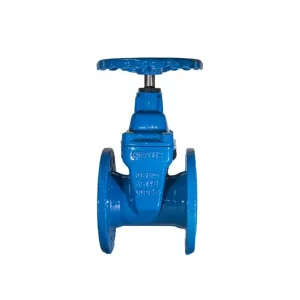
Wholesale Anti - Abrasion Elastic Seat Gate Valve with Reinforced Seat Suppliers, Supplier
Explore Specifications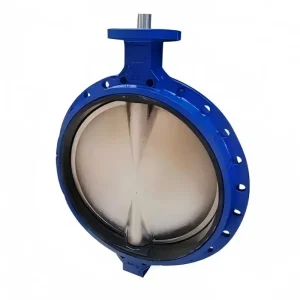
Wholesale Single Flange Butterfly Valve - Durable & Efficient Flow Control Supplier, Manufacturers
Explore Specifications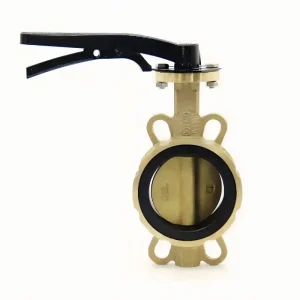
High-Quality Aluminum Bronze Butterfly Valve - Durable & Corrosion Resistant Suppliers, Manufacturer
Explore Specifications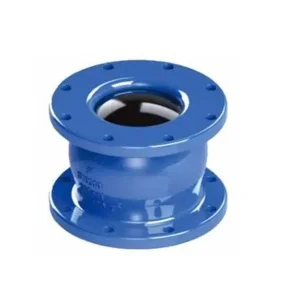
High-Quality High - Performance Silent Check Valve for Water Supply Systems Supplier, Manufacturers
Explore Specifications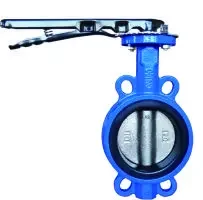
Wholesale Wafer Butterfly Valve - Durable & Efficient Flow Control Solution Suppliers, Factory
Explore Specifications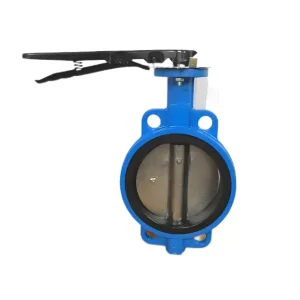
Wholesale Low - Pressure Wafer Type Butterfly Valve Supplier, Manufacturers
Explore Specifications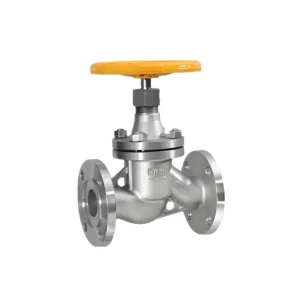
Wholesale Straight-Through Ammonia Globe Valve Manufacturers, Factory
Explore Specifications