
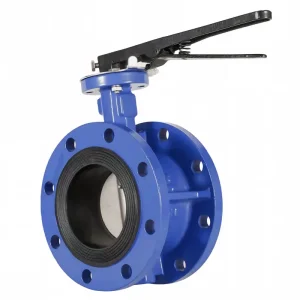
Industrial Valve Portfolio
Featured Fluid Control Systems & Valve Assemblies
Engineered to exceed strict ASME, EN, and DIN requirements for municipal, industrial refrigeration, marine, and process pipeline sectors.
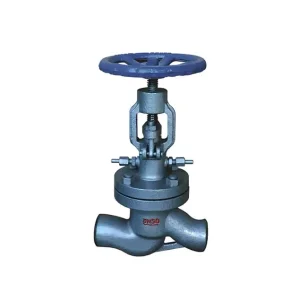
High-Quality Water Seal Globe Valve with Quick-Closing Feature
Explore Valve Specs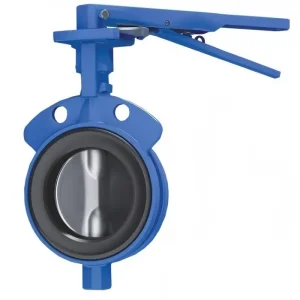
High-Quality EPDM Lining Butterfly Valve - Durable & Corrosion Resistant
Explore Valve Specs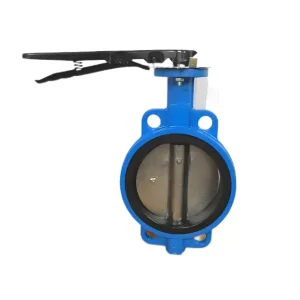
Wholesale Low-Pressure Wafer Type Butterfly Valve Supplier
Explore Valve Specs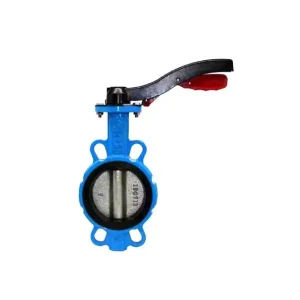
CE Certification Duplex Type Pinless Butterfly Valve
Explore Valve Specs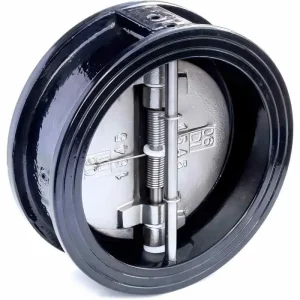
High-Quality Wafer Check Valve for Secure Fluid Control
Explore Valve Specs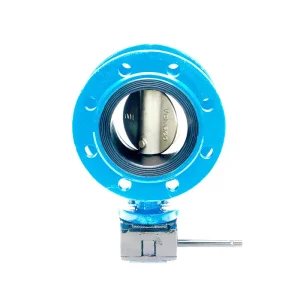
High-Quality Marine Flange Type Manual Operated Butterfly Valve
Explore Valve Specs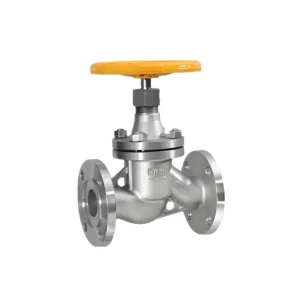
Wholesale Straight-Through Ammonia Globe Valve
Explore Valve Specs
Global Industry Solutions
Engineering Anhydrous Ammonia Handling for Global Decarbonization
As the world transitions from synthetic high-GWP fluorinated refrigerants (F-gases) toward climate-neutral natural refrigerants and clean energy carriers, industrial-scale ammonia containment demands fail-safe valve metallurgy and design integrity.
100%
Helium Leak Tested
-50°C ~ +150°C
Cryogenic Operating Temp
Class VI
Zero-Bubble Shutoff
50+
Countries Deployed
Clean Hydrogen & Clean Ammonia Supply Chains
Ammonia (NH3) is recognized globally as the paramount carrier for hydrogen transport and maritime zero-carbon bunkering. Our stainless steel ammonia globe valves feature dual dynamic stem seals and pure PTFE/RTFE or Stellited metal seats that mitigate fugitive vapor losses during heavy-duty liquefaction and high-pressure bunkering.
F-Gas Phaseout in Mega Cold-Chain Logistics
Stricter environmental mandates across the EU (EU F-Gas Regulation) and North America (EPA AIM Act) have accelerated the conversion of automated mega cold-storage facilities to ammonia. Our straight-through globe valves preserve high Cv values while offering fine throttling and bubble-tight isolation to safeguard perishable distribution grids.
Chemical Synthesis & Fertilizer Manufacturing
Fertilizer production and urea processing handle corrosive gaseous and liquid ammonia under varying pressures. Investing in investment-cast CF8 (AISI 304) and molybdenum-bearing CF8M (AISI 316) valve bodies prevents pitting and stress-corrosion cracking inherent in copper-bearing alloys or generic carbon steel valves.
Metallurgical Engineering
Engineering Rigor & Technical Parameters
Engineered specifically for hazardous media isolation. Every unit complies with strict shell integrity standards and undergoes multi-stage destructive and non-destructive evaluations before dispatch.
| Component | Material Grade | Design Standards | Technical Functionality |
|---|---|---|---|
| Valve Body & Bonnet | ASTM A351 CF8 (304) / CF8M (316) / WCB (Optional) | ASME B16.34, EN 13709 | Precision investment casting eliminates micro-porosity, ensuring structural wall integrity under ammonia stress corrosion cracking conditions. |
| Stem Metallurgy | ASTM A276 304 / 316 / Duplex 2205 | API 600, ISO 15761 | Burnished micro-finish (Ra < 0.4 µm) to reduce packing friction and eliminate fugitive atmospheric leakage. |
| Disc / Plug Configuration | 304/316 Stainless Steel with PTFE / Babbitt alloy / Stellite Face | BS 1873, GB/T 12235 | Parabolic throttling plug or flat seating disc delivering Class VI bubble-tight shut-off in extreme thermal cycling. |
| Gland Packing System | Chevron PTFE Rings + Flexible Graphite Gaskets | ISO 15848-1 Class AH, TA-Luft | Self-adjusting live-loaded disc spring packing option to compensate for sub-zero expansion and contractions. |
| Connection Types | Flanged (RF), Butt-Weld (BW), Socket Weld (SW) | ASME B16.5, DIN EN 1092-1 | Interchangeable drilling patterns matching international pipeline specifications for seamless plant retrofits. |
| Pressure & Temp Rating | PN16, PN25, PN40, Class 150, Class 300 | API 598, EN 12266-1 | Cryogenic service from -50°C (-58°F) up to +150°C (+302°F) continuous operational range. |
Localized Assurance
Localized Compliance & Worldwide Engineering Support
Direct OEM manufacturing backed by strict regional certifications, standardized logistics corridors, and localized technical response teams across North America, the EU, the Middle East, and Asia-Pacific.
Global Regulatory Approvals
All stainless steel ammonia globe valves are fully certified under the EU Pressure Equipment Directive (PED 2014/68/EU, CE Marking), certified for occupational management via ISO 9001, ISO 14001, and ISO 45001. We maintain WRAS compliance certificates for our sanitary butterfly and potable water valves, reinforcing cross-portfolio sanitary excellence.
Regional Engineering Desks
With export distribution serving 50+ countries, we provide prompt project submittal engineering packages—including 2D CAD dimensions, 3D STEP models, material test reports (EN 10204 3.1 MTRs), and valve flow coefficient (Cv) curves within 24 hours of technical review.
Independent Laboratory Audits
Our group operates an integrated physical and chemical laboratory. Every casting heat charge is analyzed via direct-reading spectrometer. Valves undergo 100% shell hydrostatic testing at 1.5x PN and low-pressure gas seat testing before export packaging.
Real-World Applications
Mission-Critical Deployment Scenarios
From port cryogenic terminals to automated processing lines, discover where our stainless steel ammonia globe valves deliver safe, leak-free isolation.
Industrial Cold Stores & Freezing Tunnels
Installed on liquid receiver outlets, economizer suction manifolds, and liquid overfeed pumps in food processing, meatpacking, and seafood processing blast freezers operating reliably down to -40°C.
Green Ammonia Synthesis & Transfer
Fitted across electrolyzer skids, Haber-Bosch synthesis loops, and rail-car loading gantries where zero-leakage atmospheric stem seals safeguard operational personnel and reduce emissions.
SCR/SNCR DeNOx Emissions Control
Serving coal-fired power stations, cement kilns, and waste-to-energy flue gas treatment plants, providing precise dosing control of aqueous and anhydrous ammonia for catalytic reduction systems.
Technology Roadmap
Smart Valves & The Future of Ammonia Flow Automation
Driving technological leadership through digital diagnostics, bellows sealed isolation, and high-performance cryogenic actuation systems.
Hermetically Sealed Bellows Modules
Developing multi-ply Hastelloy and 316Ti stainless steel bellows assemblies that establish a permanent mechanical barrier, achieving zero fugitive emissions to meet ISO 15848-1 Level AH standards without periodic gland repacking.
IIoT Micro-Sensing & Cavitation Detection
Integration of wireless diagnostic pressure, vibration, and temperature sensors into the valve bonnet to provide real-time predictive failure warnings, internal seat leak detection, and maintenance triggers for industrial plants.
Ultra-Low Emission Cryogenic Actuation
Custom pneumatic and digital electric quarter-turn and multi-turn actuators engineered specifically for rapid sub-second shutdown during ammonia emergency relief scenarios.
Comprehensive Lineup
More Industrial Valves for Engineered Projects
Direct from our specialized manufacturing facilities with in-house casting, rubber molding, and precision CNC machining.
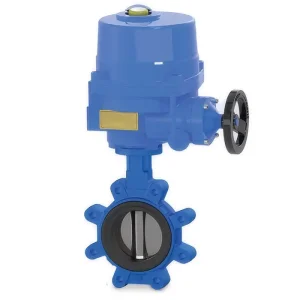
High-Quality Electrical Butterfly Valve Supplier
Explore Valve Specs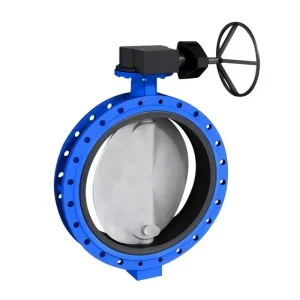
Wholesale High-Quality U Section Butterfly Valve for Flow Control
Explore Valve Specs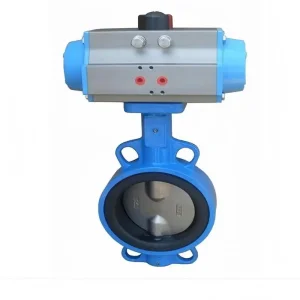
High-Quality Pneumatic Butterfly Valve Flow Solution
Explore Valve Specs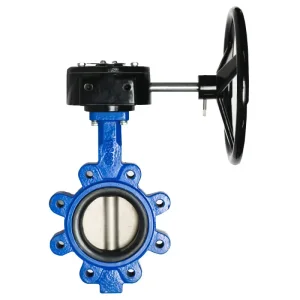
High-Quality Lug Type Butterfly Valve Suppliers
Explore Valve Specs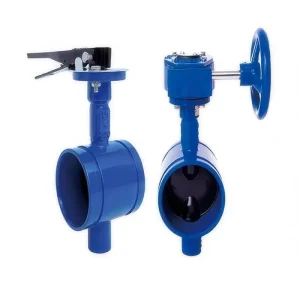
High-Quality Grooved End Butterfly Valve - Flow Control
Explore Valve Specs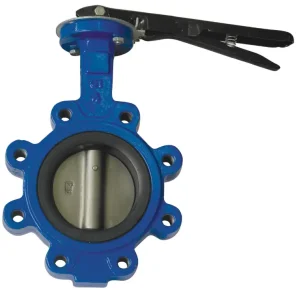
High-Quality Lug Type Manual Operated Butterfly Valve
Explore Valve Specs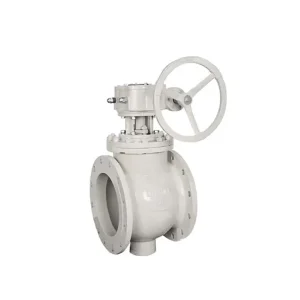
CE Certification High-Pressure Eccentric Plug Valve for Oil & Gas
Explore Valve Specs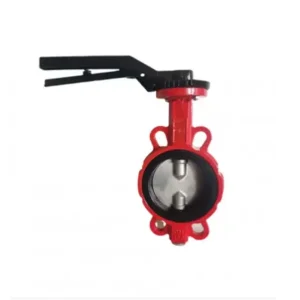
High-Quality Double Half Shaft Wafer Butterfly Valve
Explore Valve Specs
Technical & Commercial FAQ
Frequently Asked Questions: Sourcing Ammonia Globe Valves
Critical engineering criteria, material selections, and certification inquiries clarified by our senior technical staff.
Why is stainless steel preferred over ductile iron or bronze in ammonia systems?
Ammonia aggressively attacks and corrodes copper and copper alloys (brass and bronze), leading to rapid stress corrosion cracking and hazardous system leaks. While ductile iron can be used in conventional refrigeration, austenitic stainless steel (ASTM A351 CF8/CF8M) delivers superior impact strength at sub-zero cryogenic temperatures down to -50°C, eliminates atmospheric external rusting, and offers unmatched corrosion immunity in washdown hygienic environments.
What seat sealing technology guarantees zero fugitive emissions?
Our valves utilize virgin PTFE or reinforced PTFE (RPTFE) flat and conical seating faces coupled with precision lapped stainless steel discs to achieve ANSI Class VI zero-bubble shutoff. For the stem, a multi-ring chevron V-packing system energized with Belleville disc springs dynamically accommodates pressure surges and temperature transitions without manual readjustment.
Can you provide customized flange drilling and extended bonnets?
Yes. We manufacture valves to EN 1092-1 PN16/PN25/PN40, ASME B16.5 Class 150/300, and JIS standards. Furthermore, we manufacture extended stem bonnets for insulated cold-box and cryogenic refrigeration lines, ensuring that the stem packing operates outside the insulation barrier to prevent ice balling and stem freeze-up.
What factory quality documentation accompanies wholesale shipments?
Each batch order includes an inspection dossier comprising EN 10204 3.1 Mill Test Certificates (chemical composition and mechanical tension/impact values), hydrostatic and pneumatic pressure test certificates (API 598/EN 12266-1), non-destructive testing reports (PT/RT on demand), and CE/PED compliance declarations.
