
Featured Fluid Isolation & Control Products
Engineered in our vertically integrated Tianjin production base from in-house casting and rubber compounding to precision machining and 100% shell/seat hydrostatic testing.
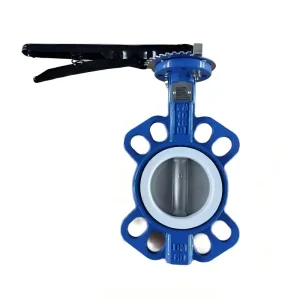
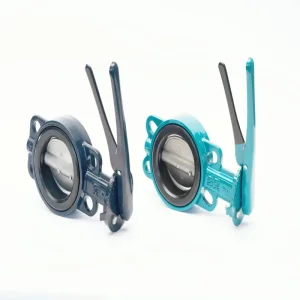
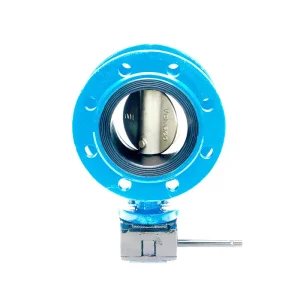
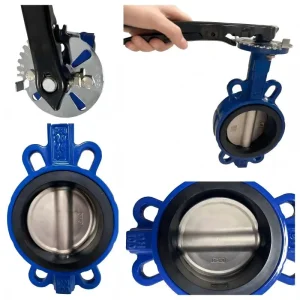
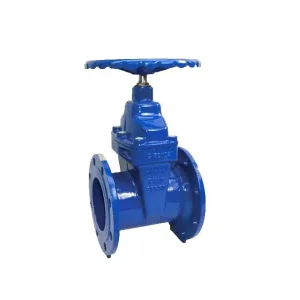
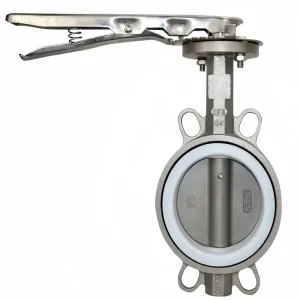
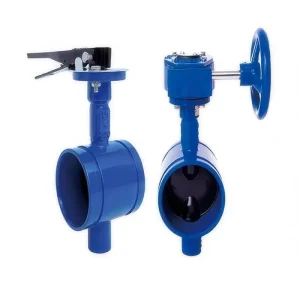
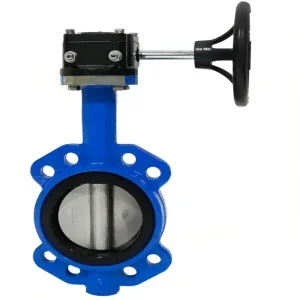
The Structural Transition to Small Sizes Thin Ball Valves
How modern industrial skid miniaturization, weight reduction imperatives, and fugitive emission mitigation have driven demand for wafer-thin quarter-turn ball valves across global manufacturing hubs.
Skid Footprint Miniaturization
As automated processing modules (desalination skids, ultra-pure water systems, chemical dosing packages, and marine ballast treatment racks) shrink in physical envelope, conventional standard flange ball valves become impractical. Small sizes thin ball valves (DN15 to DN50, 1/2" to 2") feature an ultra-compact wafer profile clamped directly between standard flanges, reducing face-to-face dimensions by up to 60% compared to ASME B16.10 long patterns.
Structural Weight & Piping Stress Relief
Thin ball valves eliminate redundant flange necks and oversized intermediate valve bodies. In dense modular installations such as marine scrubbers, HVAC central utility plant headers, and offshore modules, lightweighting prevents piping cantilever stress and reduces costly pipe hanger engineering. A DN25 thin wafer ball valve weighs approximately 1.4 kg compared to 4.2 kg for a standard flanged body.
Zero Dead-Leg & High Cv Flow Geometry
Unlike traditional compact needle or globe valves that incur severe head loss and turbulence, thin-body ball valves feature precision-machined full-bore or calibrated reduced-bore spheres. Fluid dynamics maintain laminar flow regimes, lowering the cavitation index and delivering maximum Cv flow coefficients while eliminating internal dead-space where slurry, biological residue, or crystallized chemicals could stagnate.
Sector-Specific Engineering Solutions
Deploying wafer-thin ball valve configurations into critical industrial flow paths requires deep metallurgical alignment, elastomeric seat matching, and automation integration.
| Industrial Application | Key Engineering Challenge | Recommended Valve Metallurgy | Seat Sealing Selection | Compliance / Standards |
|---|---|---|---|---|
| Potable Water & Desalination Skids | Zero leaching, micro-space wafer sandwiching, bi-directional sealing | Ductile Iron GGG40 / SS316 (CF8M) | WRAS Approved EPDM / PTFE | EN 1092-1 PN16, WRAS, ISO 5208 |
| Corrosive Acid & Chemical Injection | Aggressive chemical attack, permeation, stem fugitive emission | ASTM A351 CF8M / Hastelloy C276 | Virgin PTFE / PFA Lined | CE-PED Module H, ISO 15848-1 |
| HVAC & Chilled Water Manifolds | High cycling frequency, low actuation torque, condensation protection | WCB Carbon Steel / Ductile Iron | Reinforced PTFE (RPTFE) | ASME B16.34, DIN 3202 F1 |
| Marine & Seawater Cooling Lines | Pitting corrosion, biofouling, galvanic electrochemical attack | Aluminum Bronze C95800 / Super Duplex | Fluororubber (FKM) / PTFE | DNV, Lloyd's Register, EN 12266-1 |
| Emergency Diversion & Fire Isolation | High thermal shock, mechanical integrity under flame exposure | Stainless Steel 316 / Forged A105 | Fire-Safe Secondary Metal Seat | API 607, ISO 10497 Fire-Safe |
Automated Skid Integration
Top Valve small-sized thin ball valves are built standard with an ISO 5211 integrated mounting pad. This eliminates costly bracket fabrications and allows direct coupling of low-profile pneumatic quarter-turn scotch-yoke actuators or micro electric smart actuators with 4-20mA positioning feedback.
Low Operating Break-Torque
Through specialized CNC spherical micro-finishing (mirror-polished ball sphericity < 0.01mm) and self-lubricating modified PTFE seat retainers, breakout torque is reduced by 35%. This engineering advance allows automation engineers to specify smaller actuators, reducing electrical draw and skid panel dimensions.
Blowout-Proof Stem Engineering
Safety is non-negotiable in pressurized hydrocarbon or high-pressure gas headers. Our internal-entry blowout-proof stem features Belleville spring washers and an anti-static grounding mechanism, maintaining resilient packing pre-load under dynamic cyclic thermal variations from -29°C to +180°C.
Direct-Factory Vertical Integration Since 1987
Eliminating middleman trading risk: In-house foundries, self-formulated rubber seat compounds, CNC precision turning, and traceable metallurgical quality controls on a 23,000 m² industrial campus.
Tianjin Foundry & Spectrometry
Operated under Tianjin Donglian Valve Factory (established 1996), our dedicated foundry controls charge chemistry from the molten furnace. Every heat batch undergoes direct-reading optical emission spectrometry (OES) analysis, verifying carbon equivalent, nickel-chromium ratios, and ductile iron nodularity according to ASTM A536 and EN 1563 before pour.
In-House Elastomer Compounding
A valve's operational life depends fundamentally on seat integrity. Powered by Tianjin Dongfang Rubber Factory (operating since 1987), we blend raw EPDM, NBR, Viton, and virgin PTFE in-house. This gives buyers uncompromising control over compression set, tensile strength, and chemical resistance—ensuring WRAS potable water certifications and zero seat degradation.
100% Shell & Seat Hydrostatic Testing
We reject AQL statistical sampling. Every single valve leaving our assembly lines undergoes 1.5× design rating shell hydrostatic testing and 1.1× high-pressure seat sealing plus low-pressure pneumatic leak testing per ISO 5208 Rate A and API 598. Pressure holding curves are digitally archived for complete batch traceability.
Technical Roadmap: Decarbonization & Smart Flow Control
Anticipating regulatory transitions across EU PED revisions, EPA fugitive emission limits, and smart plant telemetry protocols through 2030.
ISO 15848-1 AH Low-Emission Sealing
Global chemical and hydrogen pilot facilities demand severe fugitive emission restrictions. Our next-generation thin ball valve architecture integrates multi-barrier live-loaded PTFE/grafoil stem seals engineered to surpass ISO 15848-1 Class AH tightness (< 10⁻⁶ mg·s⁻¹·m⁻¹), mitigating volatile organic compound (VOC) leakage to near-zero levels.
Direct Bus Communication & IO-Link
Bridging physical valve dynamics with digital plant architecture, our factory-packaged actuated thin ball valves feature integrated micro-controllers supporting IO-Link, Modbus RTU, and Profibus. Maintenance teams receive real-time cycle tracking, seat wear diagnostics, and seat-leak warning telemetry before failures impact plant uptime.
Advanced Ceramic & PEEK Internals
For high-temperature abrasive media and polymer slurries where standard PTFE seats deform, our technical roadmap introduces zirconia/silicon-carbide ceramic cores and modified PEEK seats capable of continuous operation up to +250°C at PN40 pressure ratings without loss of bubble-tight shutoff.
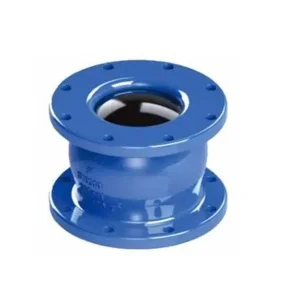
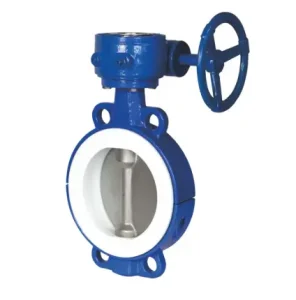
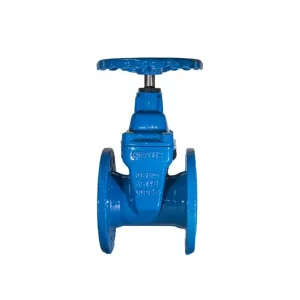
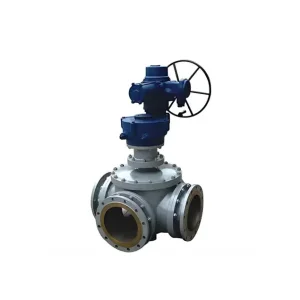
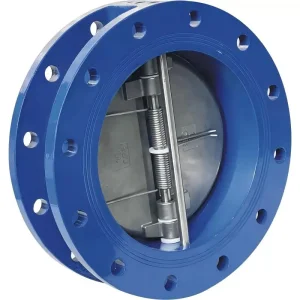
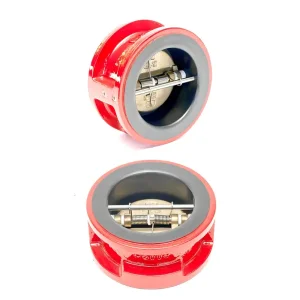
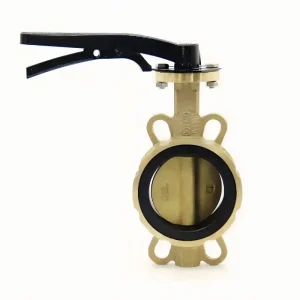
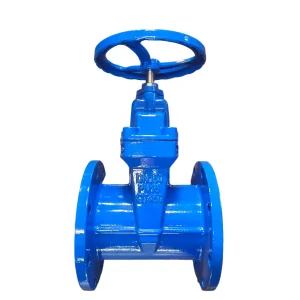
Specialty Check, Ball & Gate Valve Assemblies
Explore our complementary engineered product range designed for water distribution, emergency fluid diversion, non-return protection, and industrial processing.
Regulatory Compliance & Regional Localization
Full compliance assurance for EPC contractors, engineering distributors, and equipment builders operating across Europe, the Americas, the Middle East, and Asia-Pacific.
European Union & UK Standards
Fully compliant with the Pressure Equipment Directive (CE-PED 2014/68/EU Module H) and UKCA. Face-to-face dimensions align with EN 558-1 Series 20 / DIN 3202, and flange bolt pitch conforms with EN 1092-1 PN10, PN16, and PN25. WRAS certifications are maintained for drinking water potable applications.
North American ASME & API Norms
Engineered to ASME B16.34 pressure-temperature envelopes and bolt circles drilling to ASME B16.5 Class 150/300. Valves feature factory fire-safe qualification testing compliant with API 607 / ISO 10497 and strict compliance with MSS-SP-67 and MSS-SP-72 standards for compact quarter-turn valves.
MTR EN 10204 3.1 Traceability
Every wholesale production consignment includes comprehensive EN 10204 3.1 inspection certification. Mill test reports detail chemical composition, Charpy V-notch impact toughness, Brinell hardness testing, and hydrostatic pressure testing results signed by our chief quality officer.
Frequently Asked Questions for Wholesale Sourcing
Direct answers to the most critical technical, commercial, and logistical questions raised by global EPC engineers and procurement directors.
What is the fundamental engineering difference between a standard flanged ball valve and a thin wafer ball valve?
A standard flanged ball valve features long integral flange bodies adhering to standard face-to-face dimensions like ASME B16.10 or EN 558 Series 1. In contrast, a thin (wafer-type) ball valve utilizes an ultra-short, space-saving body clamped directly between counter-flanges by long tie-bolts. This short pattern reduces face-to-face length by 40% to 65% and slashes overall valve weight by almost half, making it ideal for compact skid modules, marine machinery rooms, and high-density manifolds where space and structural load are constrained.
How do you guarantee zero seat leakage and bubble-tight shutoff on small diameter thin valves?
We achieve ISO 5208 Rate A (zero detectable leakage) by combining three proprietary manufacturing advantages: First, all ball spheres undergo diamond micro-turning and super-polishing to achieve sphericity within 0.01mm and surface roughness Ra ≤ 0.1µm. Second, our in-house rubber and polymer shop (Tianjin Dongfang Rubber Factory, est. 1987) manufactures pre-compressed PTFE or RPTFE seats with optimized elastic recovery. Third, every valve undergoes 100% individual hydrostatic and low-pressure pneumatic testing before batch packaging.
Can your thin ball valves and butterfly valves be directly actuated without external mounting brackets?
Yes. Our valve designs integrate an ISO 5211 direct-mount platform. This eliminates the necessity for external adapter brackets, reduces mechanical backlash, lowers assembly height, and simplifies automation sizing for double-acting pneumatic actuators, spring-return fail-safe systems, and micro-electric smart actuators.
What certifications and mill test reports are supplied with wholesale overseas shipments?
Every commercial order is accompanied by an EN 10204 3.1 Inspection Certificate documenting heat chemical composition, physical mechanical tensile tests, hardness testing, and shell/seat pressure holding logs. Depending on the product family, valves hold CE-PED 2014/68/EU certification, WRAS potable water approval, and ISO 9001 / ISO 14001 / ISO 45001 system compliance.
What is the standard production lead time for wholesale custom-metallurgy valve orders?
Because our corporate group owns its foundry, elastomer production plant, and CNC machining centers in Dongli District, Tianjin, our production cycle is significantly shorter than trading intermediaries. Standard ductile iron and 316SS configurations ship within 15–25 working days. Custom alloys (such as Aluminum Bronze C95800, Hastelloy, or PTFE-lined bodies) typically dispatch within 30–35 working days with full material traceability.
Accelerate Your Fluid Infrastructure with Direct Manufacturer Pricing
Connect directly with our senior valve engineering desk in Tianjin. Receive tailored 3D CAD step files, sizing calculations, pressure drop graphs, and formal project quotations within 24 hours.
