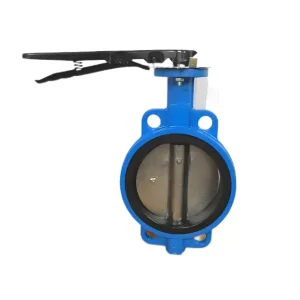
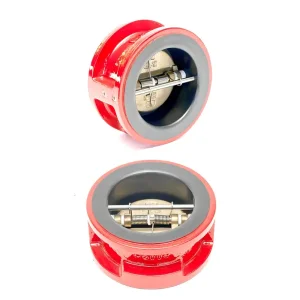
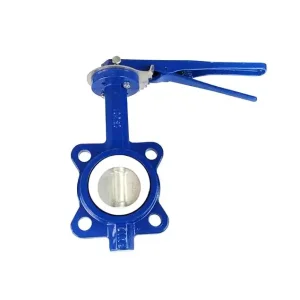
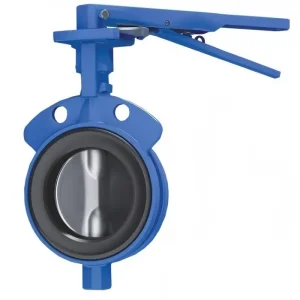
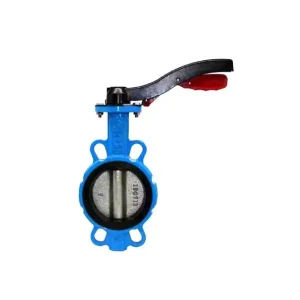
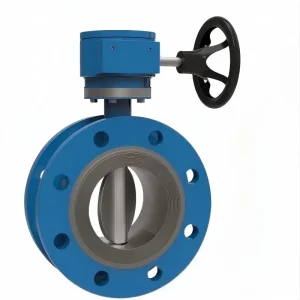
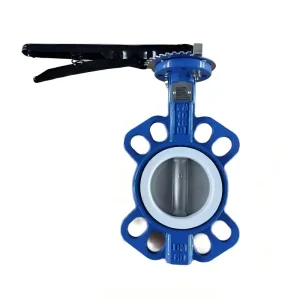
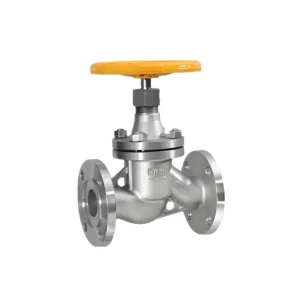
Engineered Industrial Valve Production Batch 01
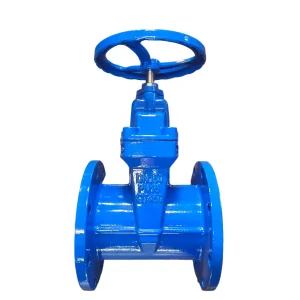
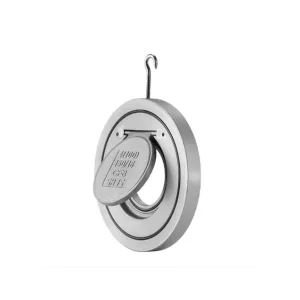
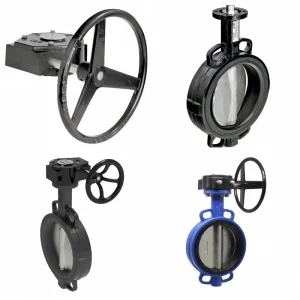
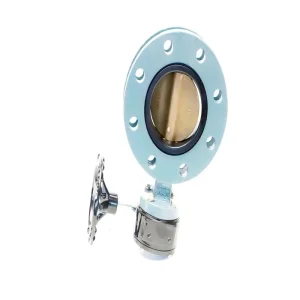
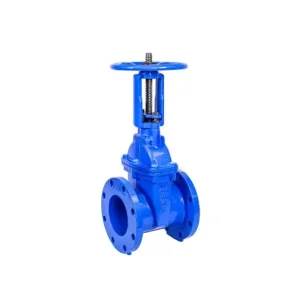
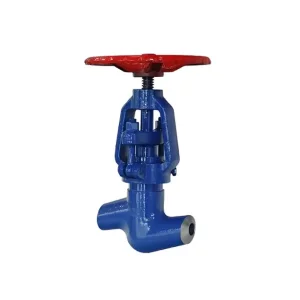
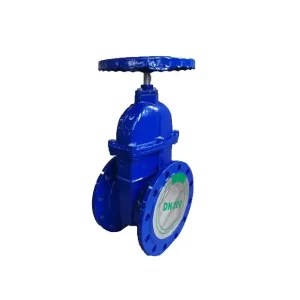
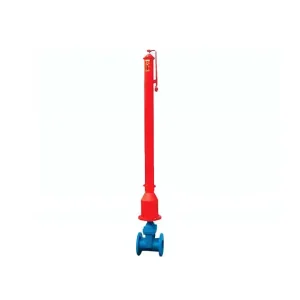
Industrial grade flanged, wafer, and gate assemblies manufactured under precision metallurgical tolerance and comprehensive hydrostatic pressure verifications.
Global Industrial Status of Pilot Operated Check Valves (POCV)
In modern hydraulic architecture, the Pilot Operated Check Valve (POCV) serves as the primary barrier against catastrophic pressure drop, uncommanded load movement, and pump runaway. With rising global investments in automated industrial machinery, infrastructure reconstruction, and mega-scale material handling, the POCV segment has transitioned from basic backflow prevention to a high-precision safety discipline.
Hydraulic Zero-Drift Demands
Global manufacturing ecosystems enforce stringent zero-drift tolerances. In applications involving overhead load suspension, injection moulding clamping, and aerospace testing rigs, pilot-operated poppet architectures provide mechanical locking that soft-spool valves cannot match.
Supply Chain Regionalization
Procurement teams across North America, the EU, and APAC now prioritize factory-direct manufacturing conglomerates with unified casting and machining operations, reducing multi-tiered distributor margins and eliminating uncertified subcontractors.
High-Pressure Hydraulics Shift
Global original equipment manufacturers (OEMs) are transitioning from 210 bar (3,000 psi) frameworks to high-efficiency 350 bar (5,000 psi) and 420 bar architectures, creating an immediate technical requirement for forged-body pilot check designs with optimized area ratios.
Physics of Pilot Operation: Mechanics, Stability & Decoupling
Understanding pilot ratio calibration, thermal shock resilience, and decompression poppet behavior is critical to preventing hydraulic resonance and mechanical hammer.
Pilot Area Ratio Optimization
The pilot ratio ($R_p = A_{pilot} / A_{seat}$) determines the pilot pressure required to unseat the poppet under trapped load pressure. While standard applications utilize 3:1 to 4:1 ratios, high back-pressure systems benefit from our specialized 8:1 and 11:1 staged ratios, eliminating hydraulic latchup.
Pre-Opening Decompression Poppet
Sudden release of stored hydraulic energy in large cylinders creates acoustic shock waves and structural chatter. Our integrated two-stage pre-opening pilot checks unseat a secondary mini-poppet first, bled off stored energy safely prior to primary valve displacement.
Thermal Pressure Compensation
In outdoor or marine equipment, solar heat absorption traps liquid in locked cylinders, driving internal pressures past structural yield limits. Our hybrid POCV configurations integrate cross-port relief elements calibrated to bleed micro-volumes when thermal expansion thresholds are breached.
| Design Architecture | Standard Pilot Ratio | Decompression Feature | Recommended Fluid Media | Max Dynamic Pressure |
|---|---|---|---|---|
| Single Pilot Hard-Seat Poppet | 3:1 / 4.5:1 | Direct Mechanical Strike | Mineral Oils (ISO VG 32 to 68) | 350 Bar (5,075 PSI) |
| Dual Counterbalance Pilot Check | 4:1 / 7:1 | Integrated Staged Spool | Synthetic & Fire-Resistant Glycols | 420 Bar (6,090 PSI) |
| Vented Cylinder-Mount POCV | 5:1 / 11:1 | Pre-opening Micro-Poppet | Biodegradable & Standard Esters | 500 Bar (7,250 PSI) |
| Subplate Cartridge Sandwich Design | 3:1 | Standard Direct Action | Mineral & Phosphate Ester | 315 Bar (4,568 PSI) |
Field Deployments Across Mission-Critical Sectors
Where sudden loss of hydraulic pressure equals catastrophic structural failure, our custom-engineered pilot check systems provide unconditional safety margins.
Mobile Heavy Plant Outriggers
For mobile cranes, concrete pump trucks, and aerial access platforms, our dual pilot-operated check valves mount directly to outrigger cylinders via flanged SAE or BSPP ports, guaranteeing position maintenance even during total hydraulic line rupture.
Offshore Drilling & Subsea Manifolds
Featuring super duplex stainless steel bodies and specialized ceramic valve discs, our subsea pilot checks resist harsh saline environments, hydrogen embrittlement, and high hydrostatic back-pressures in blow-out preventer (BOP) accumulator lines.
Industrial Stamping & Hydroforming
Under cyclic shock loads reaching 1,200 cycles per hour, our hardened steel poppets with carbide induction seating eliminate micro-leakage and prevent lower bolster slide drop during mechanical die replacements.
Vertically Integrated Manufacturing Heritage
Tianjin Top Automation Equipment combines metallurgical casting control with precision CNC machining to deliver dependable wholesale flow control valves worldwide.
In-House Foundry (Since 1996)
Tianjin Donglian Valve Factory pours ductile iron, carbon steel, and alloy castings under strict spectrometric heat analysis, eliminating internal porosity and providing structural reliability in all pressure containment shells.
Proprietary Elastomer Formulations
Tianjin Dongfang Rubber Factory (since 1987) compounds and vulcanizes resilient EPDM, NBR, and specialty fluoropolymers in-house, optimizing sealing resilience, temperature resistance, and compression set parameters.
Rigorous Testing & Certifications
Every batch undergoes hydrostatic shell verification, seat leakage testing per ISO 5208, and ultrasonic casting examination. Operating under certified ISO 9001, ISO 14001, ISO 45001, and CE frameworks.
Engineering Roadmap: Digitalization & Additive Manufacturing
The next decade will demand adaptive flow management, sensor telemetry integration, and ultra-compact manifold topologies.
IIoT Condition Monitoring
Embedded piezo-resistive pressure sensors in pilot feedback channels track pressure drops and pilot seat response times in real time, alerting maintenance managers before seat erosion causes mechanical cylinder drift.
DMLS 3D-Printed Flow Channels
Direct Metal Laser Sintering (DMLS) produces internal pilot galleries with sweeping 3D profiles that eliminate the 90-degree drilled crossroads of conventional manifolds, reducing internal turbulence and energy loss by up to 28%.
Electrically Actuated Pilot Stage
Transitioning from pure hydraulic pilot pressure lines to electro-proportional micro-solenoid stages, enabling software-driven pilot curve modulation to completely prevent pressure spikes in automated robotic cells.
Frequently Asked Questions for Industrial Flow Specifiers
Key technical specifications, sourcing procedures, and installation parameters for procurement professionals.
How does a pilot operated check valve differ from a conventional check valve?
What criteria determine the ideal pilot ratio for heavy machinery?
What is the root cause of pilot check valve chatter, and how is it solved?
Can your factory produce custom OEM valve bodies and drillings?
What material options are provided for abrasive or corrosive duties?
Engineered Industrial Valve Production Batch 02
Resilient seated, PTFE-lined, high-temperature, and ammonia-rated valve systems built for demanding process, municipal, and industrial automation networks.